

How to Evaluate a China Flashlight Manufacturer for Outdoor Lighting Programs

Choosing a China flashlight manufacturer is not simply a matter of comparing unit prices. For an outdoor brand, hardware distributor, or emergency-equipment supplier, the more important question is whether the manufacturer can consistently deliver the required beam performance, housing quality, battery configuration, assembly control, and documentation. A compact handheld flashlight may look straightforward, but its field performance depends on several parts working together: the LED and optical system, power source, switch, enclosure, thermal path, and final inspection.
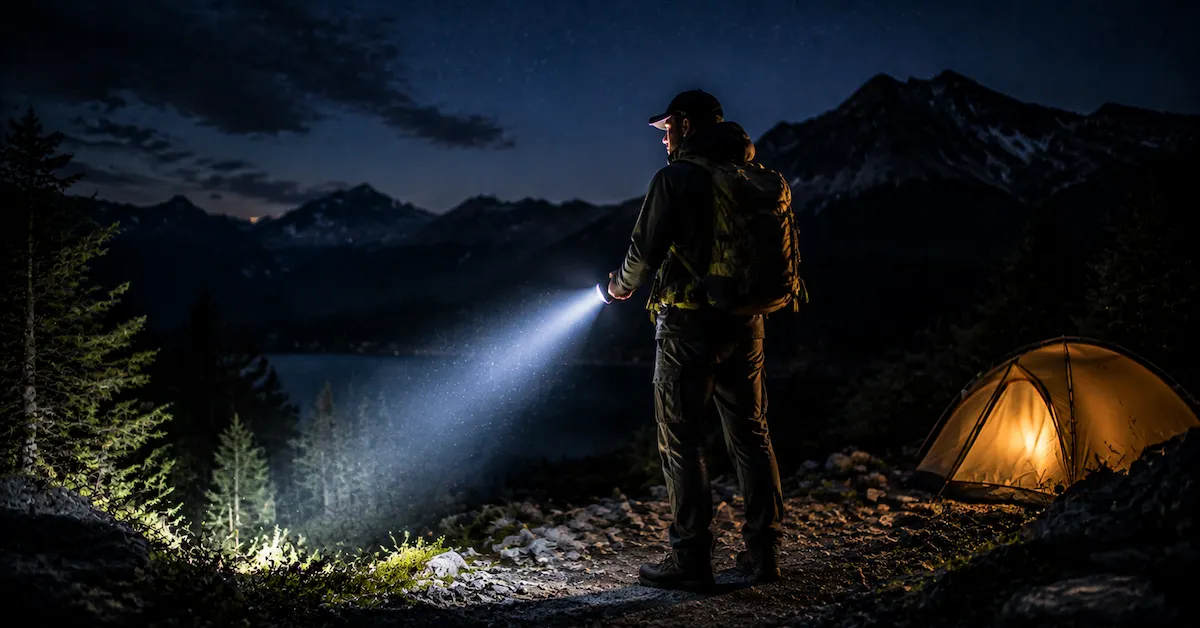
This article explains how to assess a supplier for a portable LED flashlight program. It is intended to help buyers decide what to verify before requesting samples, approving a design, or placing a production order. The product considered here is a compact cylindrical handheld light with a forward-facing head and focused white beam, suitable for applications such as camping, hiking, fishing, emergency preparedness, and nighttime equipment handling.
What the Product Needs to Do
The first sourcing decision is functional, not cosmetic. A handheld flashlight used around a campsite has a different brief from one packed into an emergency kit or sold as a general hardware item. The buyer should define where the light will be used, how it will be carried, how often it will be operated, and what users are likely to expect from it.
For outdoor use, the basic requirement is usually a concentrated forward beam that illuminates nearby ground, equipment, and pathways. That does not automatically mean the product needs the highest possible brightness. A useful beam may depend just as much on optical control, beam shape, switch behavior, and battery stability as on the LED itself. Excessive brightness can also increase heat and energy consumption, so the specification should reflect the actual use case rather than a headline number.
The visible product format is compact and cylindrical, with a dark exterior and a handheld grip. However, the available product information does not confirm the housing material, surface treatment, battery compartment, charging port, switch design, clip, or adjustment controls. These items should be treated as open specification points during supplier discussions.
Quick Reference: What to Confirm Before Approval
- Optical performance: Ask for the measured lumen output, beam pattern, beam distance, and color specification if these matter to the product brief.
- Power system: Confirm battery type, capacity, replaceability, charging method, charging protection, and expected runtime under defined operating conditions.
- Mechanical design: Review housing material, wall construction, threads, lens or window material, grip dimensions, switch location, and overall weight.
- Environmental use: Establish whether the product is intended only for ordinary outdoor conditions or requires verified resistance to water, dust, impact, or temperature variation.
- Manufacturing control: Ask how incoming components, LED assemblies, batteries, finished housings, and packed products are inspected.
- Commercial fit: Clarify customization options, packaging requirements, minimum order expectations, sample process, and communication responsibilities before production.
A supplier that answers these questions clearly is easier to evaluate than one that relies on broad phrases such as “high quality” or “long-lasting.” Specific evidence is more useful than a polished product photograph.
Examine the Flashlight as a Complete System
LED and optical assembly
The light source and reflector or lens determine how the beam appears in use. A focused beam can be useful for illuminating a path or locating equipment, while a broader beam may be preferable for campsite setup or close-range maintenance. Buyers should ask whether the optical design is fixed or adjustable and whether the supplier can provide a sample that represents the intended production configuration.
Do not approve a design based on LED naming alone. The practical result depends on the LED package, drive current, optical components, thermal management, and battery condition. If brightness is a selling point, define how it will be measured and under what operating state. Otherwise, two suppliers may use the same description while delivering noticeably different products.
Housing and mechanical construction
The dark, possibly matte housing shown in the product reference gives the flashlight a practical appearance, but the exact material cannot be confirmed. A buyer should ask whether the housing will be molded plastic, machined or formed metal, or a combination of materials. Each approach affects weight, surface durability, tooling, cost, and the way heat moves away from the light assembly.
Inspect the grip, head, end cap, threads, lens area, and switch during sample review. Look for sharp edges, loose parts, inconsistent seams, weak threads, or movement between the head and body. These details are easy to overlook in a catalog image and become more important when the product is handled repeatedly outdoors.
Battery and charging arrangement
The battery system should be specified before the commercial design is finalized. The available information does not identify the battery type, capacity, operating time, or recharge interface, so none of these should be assumed. A replaceable battery may suit an emergency kit or long-term storage program, while an integrated rechargeable design may be more convenient for frequent use. The appropriate choice depends on the channel, user expectations, packaging, and compliance requirements for the target market.
Ask the manufacturer to explain charging behavior, battery protection, low-voltage response, and how runtime is tested. Runtime claims are especially easy to misunderstand. A figure measured at reduced output or under a particular test method may not match the user’s experience at maximum brightness.
How to Assess a China Flashlight Manufacturer
When comparing manufacturers, start with technical communication. Can the supplier turn a general request for a compact outdoor flashlight into a written specification? Can it identify what is standard, what is customizable, and what remains unverified? These are practical indicators of manufacturing maturity, although they do not replace an audit or sample inspection.
Review the production chain in broad stages. Portable LED lighting equipment may involve housing production, surface finishing, LED and electronic assembly, battery integration, functional testing, cleaning, labeling, and packing. The exact processes depend on the design. If the housing is molded plastic, tooling control and part consistency deserve attention. If it is metal, buyers should examine machining or forming quality, finishing consistency, threads, and assembly fit.
Request a sample that matches the proposed bill of materials, not a visually similar demonstration unit. Check the switch action, beam stability, charging behavior if applicable, battery access, heat buildup during operation, and ease of handling. If the product will carry a private label, verify logo placement, surface compatibility, packaging artwork, warning labels, and model identification before approving production.
A capable LED flashlight supplier should also be willing to define inspection points. These might include appearance, assembly completeness, basic operation, charging status, switch modes, packaging condition, and labeling accuracy. The exact inspection plan should be agreed with the buyer rather than assumed.
Common Sourcing Mistakes
Choosing from an image alone
The reference product shows a portable handheld format in a dark outdoor setting, but an image cannot confirm lumen output, runtime, impact resistance, water resistance, or battery safety. It also cannot show whether the beam has unwanted dark zones or whether the switch is comfortable with gloves.
Leaving important terms undefined
Words such as “waterproof,” “long range,” and “high power” can mean different things to different suppliers. If environmental protection matters, request a defined rating and supporting test information. If it does not matter, avoid paying for an unneeded claim. The same principle applies to brightness and runtime.
Comparing price before configuration
A low quotation may reflect a different battery, housing, optical assembly, packaging level, or test scope. Compare like-for-like samples and written specifications. A modest difference in component selection can change the product’s user experience and return risk.
Ignoring the target market
Battery-powered lighting products may require market-specific labeling, documentation, or compliance work. The exact obligations depend on the destination and product configuration. Buyers should identify these requirements early and confirm which party is responsible for evidence and documentation. Do not treat a general supplier statement as a substitute for product-specific review.
Practical Buyer Checklist
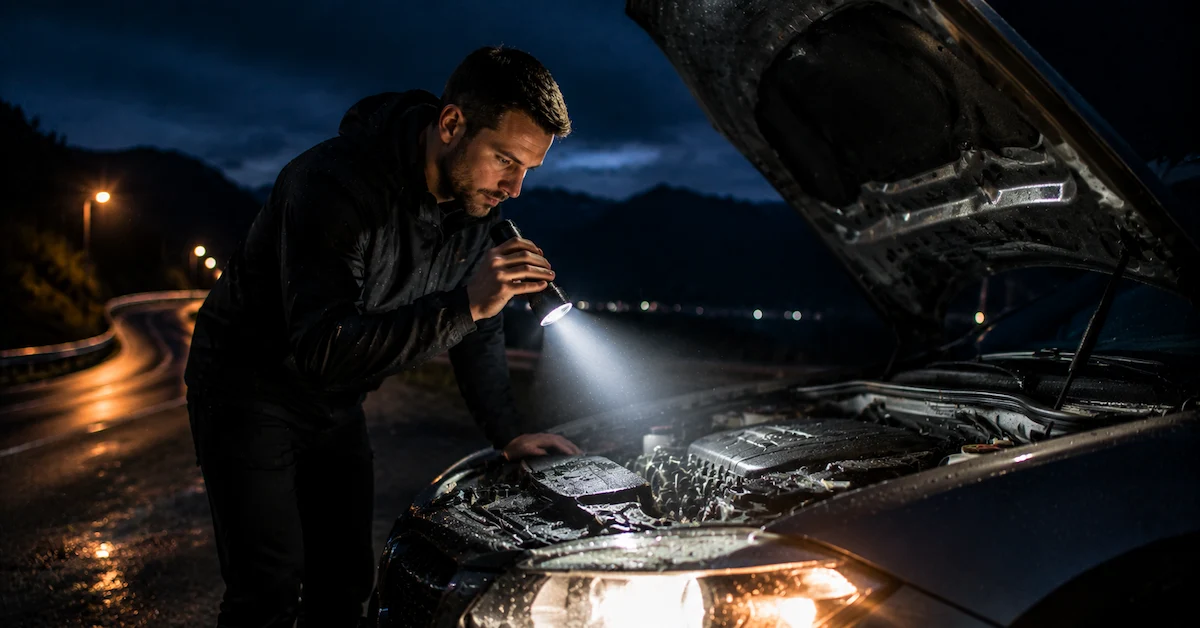
Before moving from inquiry to purchase, prepare a short technical brief covering intended application, beam preference, operating modes, housing appearance, battery arrangement, charging requirements, packaging, branding, and target market. Include the conditions in which the product will be used: camping, emergency storage, retail display, vehicle use, or general maintenance.
Then ask the supplier to separate confirmed specifications from proposed specifications. This small step prevents assumptions from becoming purchase-order disputes. It is also useful to keep a sample approval record with photographs, measured observations, labeling details, and the agreed component configuration.
Frequently Asked Questions
What type of buyer may need this product?
Potential buyers include outdoor gear brands, camping-equipment distributors, hardware retailers, emergency-kit suppliers, and organizations seeking a compact directional light. The specification should change according to the sales channel and intended user.
Can the housing material be identified from the product image?
No. The housing appears dark and possibly matte, but the exact material and surface treatment cannot be confirmed visually. Ask the manufacturer for the material specification and finish sample.
What should be requested from the supplier first?
Begin with a written product specification, available sample, component information, battery and charging details, customization options, inspection approach, and destination-market documentation requirements. Confirm uncertain items rather than filling gaps with assumptions.
Next Step: Turn the Product Concept into a Written Specification
A compact flashlight can be a sensible addition to an outdoor or emergency product range, but successful sourcing depends on disciplined definition. Before selecting a China flashlight manufacturer, compare samples against the same brief, verify the light and power system, inspect the mechanical construction, and document every feature that affects user experience or regulatory responsibility.
For a supplier inquiry, provide the intended application, preferred handheld format, beam requirement, housing finish, battery preference, packaging needs, branding details, and target market. Ask the manufacturer to identify which features are standard and which require engineering or tooling work. That conversation will produce a more useful quotation—and a much more reliable basis for a production decision.