

How to Source Rechargeable Flashlights Wholesale for Outdoor Use

Buying rechargeable flashlight wholesale is not simply a matter of comparing brightness claims and selecting the lowest unit price. For outdoor retailers, equipment brands, and product teams, the real decision is whether a flashlight can deliver dependable illumination, practical charging, acceptable handling, and consistent production quality across an entire order. This guide explains what to verify before placing a wholesale inquiry and how to distinguish a useful sourcing specification from a product description built mostly around marketing language.
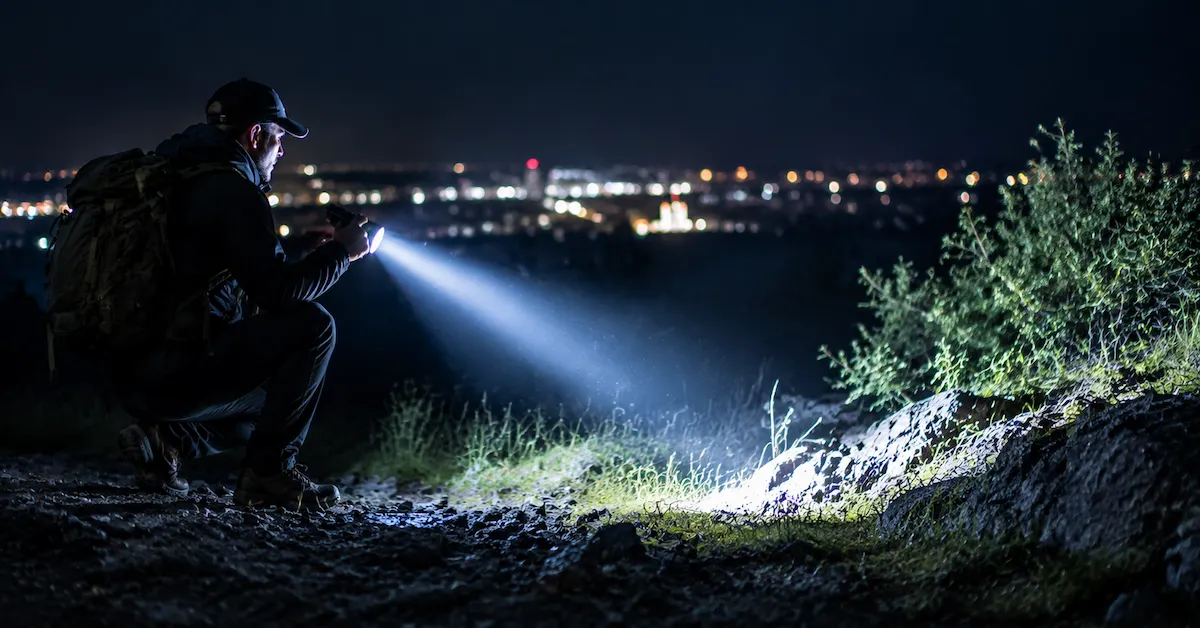
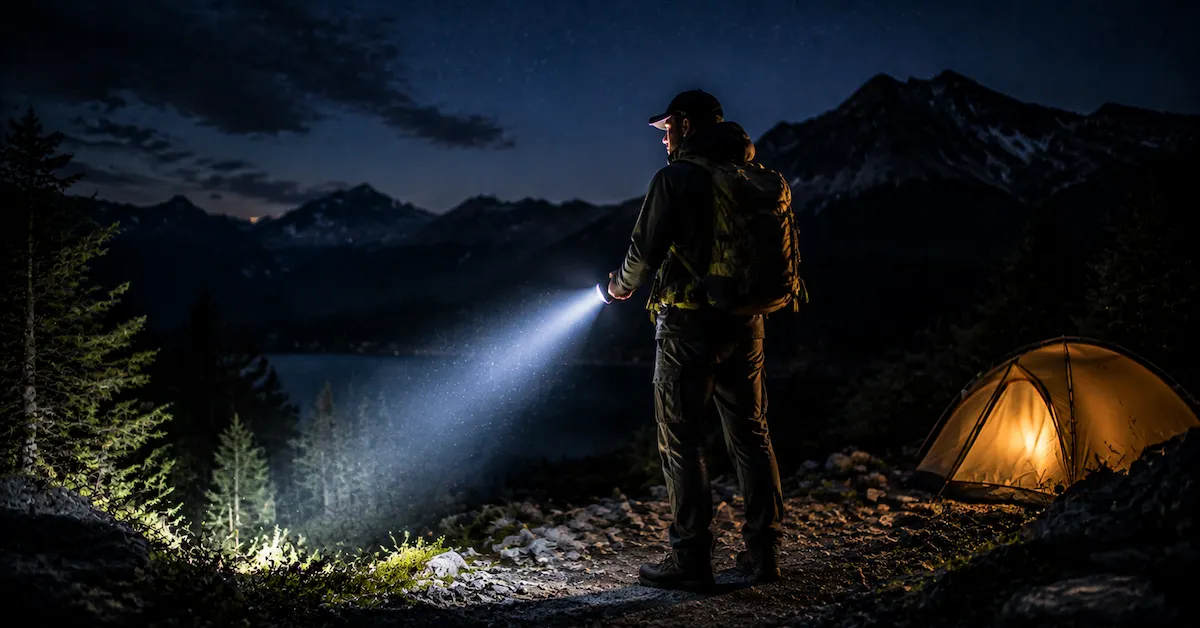
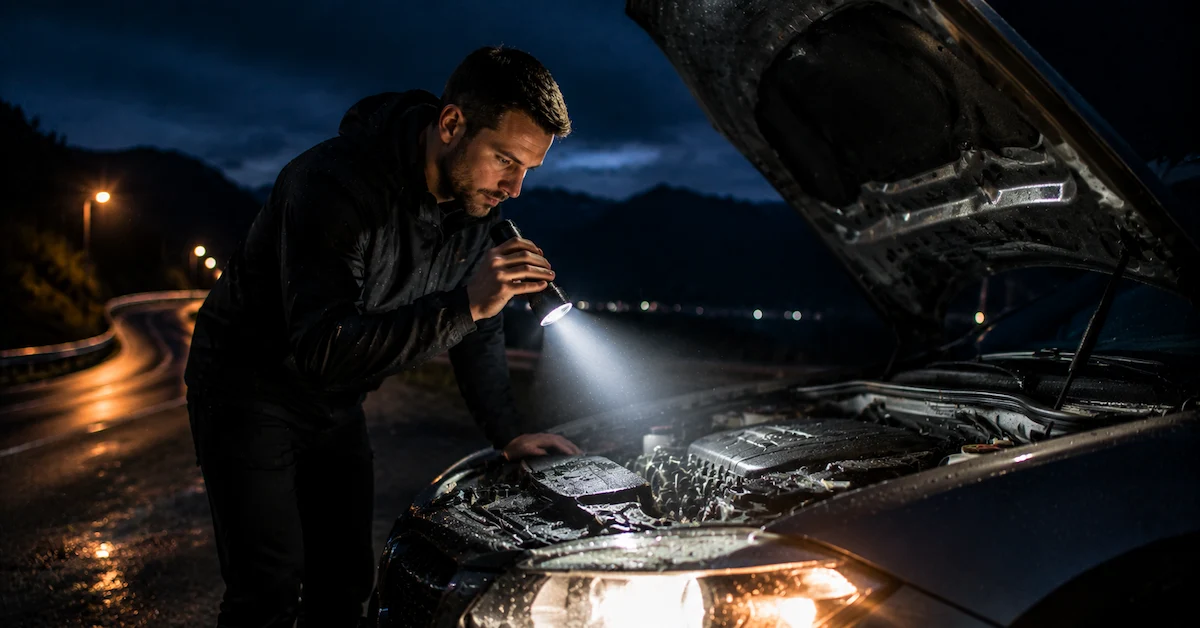
The product category considered here is a compact handheld outdoor flashlight or torch. Its visible use case is clear: a focused white beam is directed across dark terrain, making the format suitable for hiking, camping, route-finding, campsite inspection, emergency illumination, and general outdoor search tasks. However, an image cannot establish lumen output, runtime, battery capacity, weather resistance, or charging performance. Those details must come from samples, technical documents, and production checks.
What the buyer is really deciding
A wholesale buyer is usually making several decisions at once. First, is the flashlight intended for casual consumer use or for a more demanding outdoor product line? Second, should the product compete on compact size and price, or on longer operation and stronger construction? Third, can the supplier provide a repeatable product rather than a visually attractive sample that changes during mass production?
These questions matter because a handheld light contains more than an LED and a switch. The housing, front lens or reflector, battery compartment, charging circuit, control interface, and sealing points all affect the user experience. A failure in any one of these areas can create returns. A weak charging port may matter more to a retailer than a modest difference in peak brightness, while poor switch feedback can frustrate users wearing gloves.
Quick reference: specifications to confirm
| Specification area | Why it matters | What to request |
|---|---|---|
| Light output | Determines perceived brightness and product positioning | Test method, lumen value, beam pattern, and operating mode |
| Runtime | Shows how long the light remains useful between charges | Runtime by mode, battery condition, and cutoff behavior |
| Power system | Affects charging convenience, safety, and replacement policy | Battery type, capacity, charging input, cable, and protection functions |
| Construction | Influences grip, durability, weight, and perceived value | Housing material, finish, lens material, switch design, and assembly details |
| Environmental suitability | Outdoor products may face rain, dust, impact, and temperature changes | Verified IP or drop claims, test conditions, and operating limits |
| Supply consistency | Prevents specification drift between sample and production | Approved sample, bill of materials, inspection plan, and change-control process |
Start with the beam, not just the headline lumen number
The visible product produces a narrow-to-moderately focused beam that reaches a distant mountain face. That suggests a forward-illumination use case, but it does not prove a particular beam distance or brightness rating. In sourcing discussions, ask the supplier to separate peak output from practical operating output. A flashlight may advertise a high maximum figure while users spend most of their time in a lower mode that preserves battery life.
Beam shape also deserves attention. A tightly focused beam can help with route-finding or viewing distant objects, while a wider beam may be more comfortable around a campsite. If the intended market includes hikers, the most useful design may be a balance between reach and peripheral visibility rather than the strongest possible central hotspot.
Request sample photographs or test records showing the beam at a consistent distance. The testing conditions should be clear enough for comparison. If the supplier provides only a single peak-lumen figure without runtime by mode, treat it as an incomplete specification rather than a full performance description.
Housing materials and the factory conversation
The flashlight shown has a dark-colored compact body, but the supplied visual information does not verify whether the housing is aluminum alloy, plastic, rubberized material, or a mixed construction. Buyers should avoid approving a material based on appearance alone. Weight, thermal behavior, machining marks, coating durability, and impact performance can vary substantially between similar-looking housings.
An aluminum flashlight factory may be relevant when the program requires a machined or formed metal body, but the phrase should lead to specific questions rather than an automatic assumption about quality. Ask how the body is produced, what surface finish is used, how the battery compartment is formed, and whether the supplier controls dimensional fit between the body, end cap, lens assembly, and internal electronics. If the product uses plastic or a hybrid construction, molding quality and part alignment become equally important.
Finish selection should match the market. A dark coating can support a rugged outdoor appearance, but a coating that scratches easily may make returned products look used. Confirm the intended color, surface treatment, logo method, and acceptable cosmetic limits in the approved sample documentation.
Rechargeable power systems require more detail
“Rechargeable” describes the operating concept, not a complete power specification. Before requesting a quotation, confirm the battery chemistry or battery format, nominal capacity, charging interface, charging indicator, cable requirements, and whether the battery is removable. Also ask what happens when the battery is low: does the light reduce output gradually, shut down, or switch modes?
Charging behavior is particularly important for retail products. The supplier should explain whether the flashlight can operate while charging, whether overcharge and over-discharge protection are included, and how the charging port is protected from dust or moisture. Do not infer these features from a product photograph. A visible port, if present, does not reveal its electrical design or environmental protection.
For transport and import planning, battery configuration may affect packaging, documentation, and logistics. Confirm the battery details early rather than after packaging artwork and purchase orders are complete. This is a routine sourcing issue, but it is often discovered late.
Build a sample evaluation around real use
A first sample should be evaluated in the conditions the end user will encounter. Check one-handed operation, grip comfort, switch position, charging access, balance, and the ease of changing modes. Test the light at the intended operating distance, not only by shining it at a nearby wall.
Inspect the front emitter or lens area for alignment and visible debris. Examine threads, end caps, seams, and contact points. If the flashlight is expected to serve hikers or campers, assess whether the controls can be found in low light and whether the body remains manageable with cold or wet hands. These observations are practical, but they often reveal more about product suitability than a long list of nominal specifications.
Where weather or impact performance is part of the sales position, request the supplier’s actual test basis. Do not label the product waterproof, impact-resistant, or suitable for rescue work unless those claims are supported by appropriate evidence. The outdoor scene supports outdoor positioning, but it does not prove professional-grade performance.
Common wholesale sourcing mistakes
- Approving from an image: A photograph cannot verify material, battery capacity, beam distance, or charging safety.
- Comparing only maximum brightness: Runtime, beam usability, heat management, and control logic may matter more in daily use.
- Leaving the housing unspecified: A buyer who does not define material and finish may receive a product that looks different from the sample.
- Ignoring production changes: LED, battery, lens, switch, or charging components may be substituted unless change control is agreed.
- Using unverified outdoor claims: Terms such as waterproof, rugged, or professional should be tied to defined test conditions.
- Forgetting packaging and accessories: Charging cables, instructions, retail boxes, and protective inserts affect the delivered product and customer experience.
Practical advice for an RFQ
A useful request for quotation should include the intended application, target market, preferred body format, branding requirements, packaging expectations, and required charging arrangement. Ask the supplier to identify which specifications are standard and which require customization. Request a complete data sheet rather than a single price and lumen number.
The RFQ should also ask for sample availability, production inspection options, packaging details, and the process for approving engineering or component changes. Exact certification, tolerance, price, lead-time, warranty, and performance claims should be supplied by the manufacturer for the specific model. They should not be assumed from a similar flashlight or from a product image.
Frequently asked questions
Is a metal body automatically better than a plastic body?
No. Metal may provide a particular weight, thermal feel, or premium appearance, while plastic or mixed construction may support lower weight and different design options. The correct choice depends on the application, target price, handling requirements, and verified durability.
Can the beam distance be estimated from a photograph?
No. A photograph can show that the beam reaches a distant surface, but it cannot establish a reliable distance, lumen output, beam angle, or color temperature. Request measured specifications and test conditions.
What should be checked before a large order?
Approve a production-representative sample and confirm the battery, charging system, housing, finish, beam behavior, operating modes, packaging, and inspection criteria. If outdoor resistance is advertised, request the relevant test information before using that claim in sales materials.
Next step for buyers
The most reliable sourcing decision begins with a controlled specification, not a generic product title. Define the use case, identify the performance that users actually need, and ask the supplier to document the light source, power system, housing construction, charging behavior, and production controls. For a compact outdoor flashlight, those details determine whether the item is merely attractive in a listing or ready for a repeatable wholesale program.