

Flashlight Manufacturer China: What Buyers Should Check First
Choosing a flashlight manufacturer in China is not only about finding a torch that looks bright in a catalog photo. For B2B buyers, the real question is whether the supplier can deliver a dependable portable LED light that works in outdoor use, matches the agreed specification, and avoids support problems after shipment. A flashlight combines optics, electronics, housing, sealing, switching, packaging, and sometimes charging hardware. If one detail is weak, the product may look acceptable on paper but disappoint customers on a dark trail, during camping, or in an emergency kit.
Start With the Real Use Case
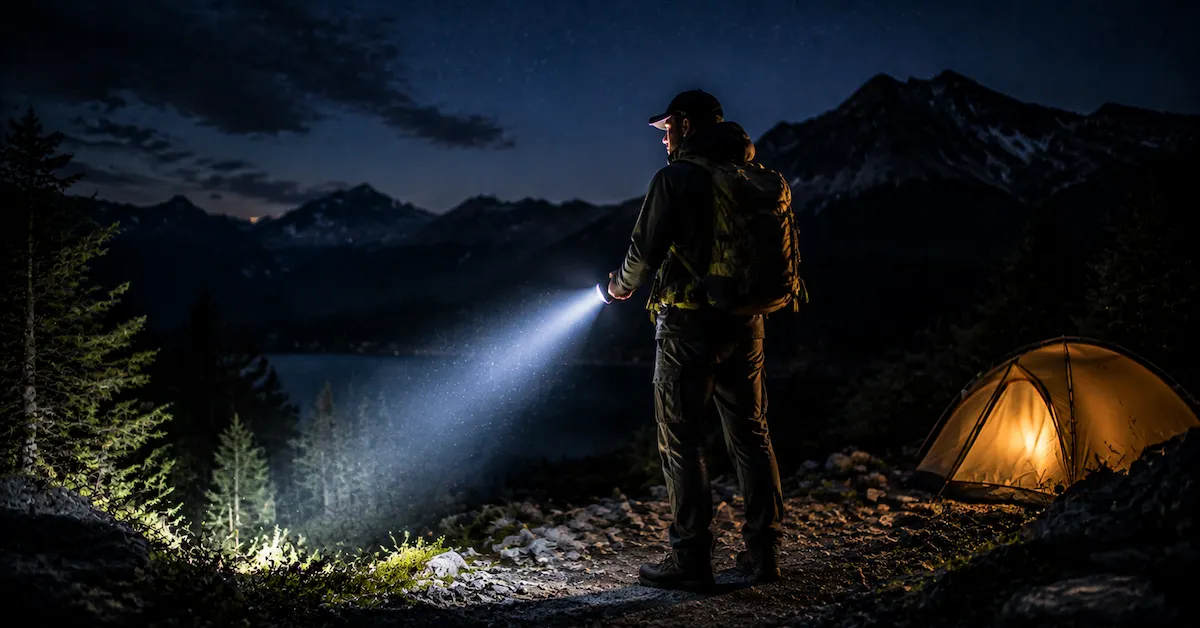
The product category is a portable LED flashlight or torch for outdoor exploration, trail walking, night navigation, search tasks, camping, and emergency lighting. The visible use case is simple: a forward beam lighting a forest path and nearby surroundings in low light. That matters because buyers are not just purchasing brightness; they are purchasing usable visibility. A narrow, intense beam can help users identify distant obstacles, while a broader beam improves awareness of the ground and surroundings. Many buyers need a balanced beam, not an extreme one. Before comparing suppliers, define whether the light is for casual camping, regular outdoor use, emergency storage, or more demanding field work.
Check Beam Pattern Before Headline Brightness
Flashlight buyers often start with brightness claims, but outdoor users care about where the light goes. A focused beam may look impressive in a demonstration, yet it can be tiring if it creates too much glare or leaves the nearby ground underlit. The image-based description suggests a directional light source with strong beam intensity, but that alone is not enough for a purchasing decision. Ask the supplier to explain beam behavior, including the balance between center intensity and spill. If possible, review samples in realistic low-light conditions. For sourcing teams comparing products, beam pattern information is more useful than a general promise that the flashlight is bright.
Evaluate the Supplier, Not Just the Sample
Working with a China-based flashlight supplier can provide broad component access and flexible production options, but those advantages depend on manufacturing discipline. A capable supplier may coordinate housing production, LED module assembly, driver integration, battery compartment design, switching, and packaging. A weaker supplier may simply combine parts from several sources with limited control over consistency. That difference is hard to see in catalog photos. Buyers should ask how incoming parts are checked and how finished units are inspected before packing. If your business depends on repeat orders and low complaint rates, supplier habits matter more than a polished specification sheet or a single attractive sample.
Review Housing Material and Construction Details
Many sourcing teams search for an aluminum flashlight manufacturer because aluminum housings are common in durable handheld lights. Aluminum can provide a solid feel, support heat dissipation, and create a more serious appearance for outdoor or professional markets. Still, it is not automatically the right answer for every program. The correct housing depends on use case, target price, carrying style, and environmental exposure. Some flashlights may use other materials or mixed construction. The small interface points deserve special attention: threads, O-rings, lens fit, switch boot, tail cap, and charging cover if present. These details often determine whether a flashlight survives daily carrying, wet conditions, and rough handling.
Question Waterproof Claims Carefully
Outdoor buyers often look for a waterproof flashlight supplier because users expect a light to handle rain, splashes, damp soil, and difficult nights outside. However, the word “waterproof” should lead to more questions, not fewer. The source information does not provide a verified water or dust rating, so buyers should not assume one. Ask how sealing is built into the product. Is the body threaded? Are O-rings used at the head or tail? How is the switch protected? If there is a port, how is it covered? Also clarify whether the design is meant for incidental moisture or more sustained exposure. Strong dry-room performance does not prove reliable sealing.
Compare the Core Technical and User Factors
Before placing an order, compare each candidate product against practical field requirements. A flashlight that looks compact and powerful may still fail if the power system is inconvenient, the switch is hard to use, or the finish does not match your market. None of the unverified details should be assumed from an image, so direct confirmation is essential. Use a short checklist to keep supplier discussions focused and comparable.
| Check | What to Confirm |
|---|---|
| Beam | Pattern, spill, and suitability for paths or search tasks |
| Power | Battery type, charging method, replacement approach, and runtime information |
| Housing | Material, construction, finish, threads, and lens fit |
| Sealing | O-rings, switch protection, port covers, and intended exposure |
| Controls | Switch position, glove usability, and accidental activation risk |
| Packaging | Protection during shipment and market presentation |
For a broader view of available lighting categories, sourcing teams can also review Brightenlux products before narrowing the technical checklist.
Avoid Common Sourcing Mistakes
One common mistake is treating flashlights as generic commodities. Two lights that appear similar online can perform very differently after drops, moisture exposure, or extended use. Another mistake is relying on one good sample. Samples help, but they may hide variation in assembly, finish, or component sourcing. Buyers should ask how consistency is maintained from sample approval to bulk production. A third mistake is over-focusing on cosmetic details while ignoring the user’s actual job. A trail walker may need comfortable carry and balanced illumination. A search user may need beam reach and reliable switching. An emergency kit buyer may value dependable power access and storage practicality.
What to Ask Before You Move Forward
When speaking with a flashlight manufacturer in China, request practical information that supports the product claims. Useful items include drawings, material descriptions, assembly structure, electrical configuration, packaging details, and an explanation of the sealing method. If the supplier presents itself as an aluminum flashlight manufacturer, ask how the body is formed and finished. If it claims waterproof capability, ask exactly which structure supports that claim and what conditions the product is intended to handle. Keep the conversation focused on evidence, not slogans. To start a supplier discussion, buyers can use the Brightenlux contact page or send a sourcing request through Brightenlux inquiry.
FAQ
Is a brighter flashlight always the better choice?
No. A very intense beam can help with distance, but it may be less useful if it creates glare or leaves the nearby ground too dark. Outdoor users usually need a beam that balances reach and spill, especially for trail walking, camping, and night navigation.
Should buyers insist on an aluminum flashlight housing?
Only when aluminum fits the product goal, target market, and cost position. Aluminum is common in durable handheld lights and can support a solid feel and heat dissipation. However, construction details such as threads, lens fit, switch protection, and sealing can matter more than material alone.
What should buyers verify about waterproof flashlight claims?
Buyers should ask how sealing is actually achieved rather than relying on marketing language. Important details include O-rings, threaded joints, switch protection, lens fit, and any charging port cover. If no verified rating is provided, the safe approach is to confirm intended exposure conditions directly.
Can flashlight quality be judged from photos or samples?
Only partly. Photos can show appearance, and samples can reveal handling, beam feel, and finish quality. They do not fully prove production consistency. Buyers should also review material information, assembly controls, inspection practices, and how the supplier manages key components across repeat orders.