

LED Headlamp Supplier Guide: What Buyers Should Check First
Choosing an LED headlamp supplier is not only a catalogue decision. A headlamp may look simple, with a lamp housing, strap, switch, and forward beam, but it is a wearable electronic product used in motion and low-light conditions. For B2B buyers, the supplier must support comfort, reliable assembly, consistent lighting behavior, and realistic customization. This guide explains what sourcing managers, engineers, and product teams should review before placing an order for outdoor, sports, camping, or emergency lighting programs.
Why LED Headlamps Need Careful Supplier Review
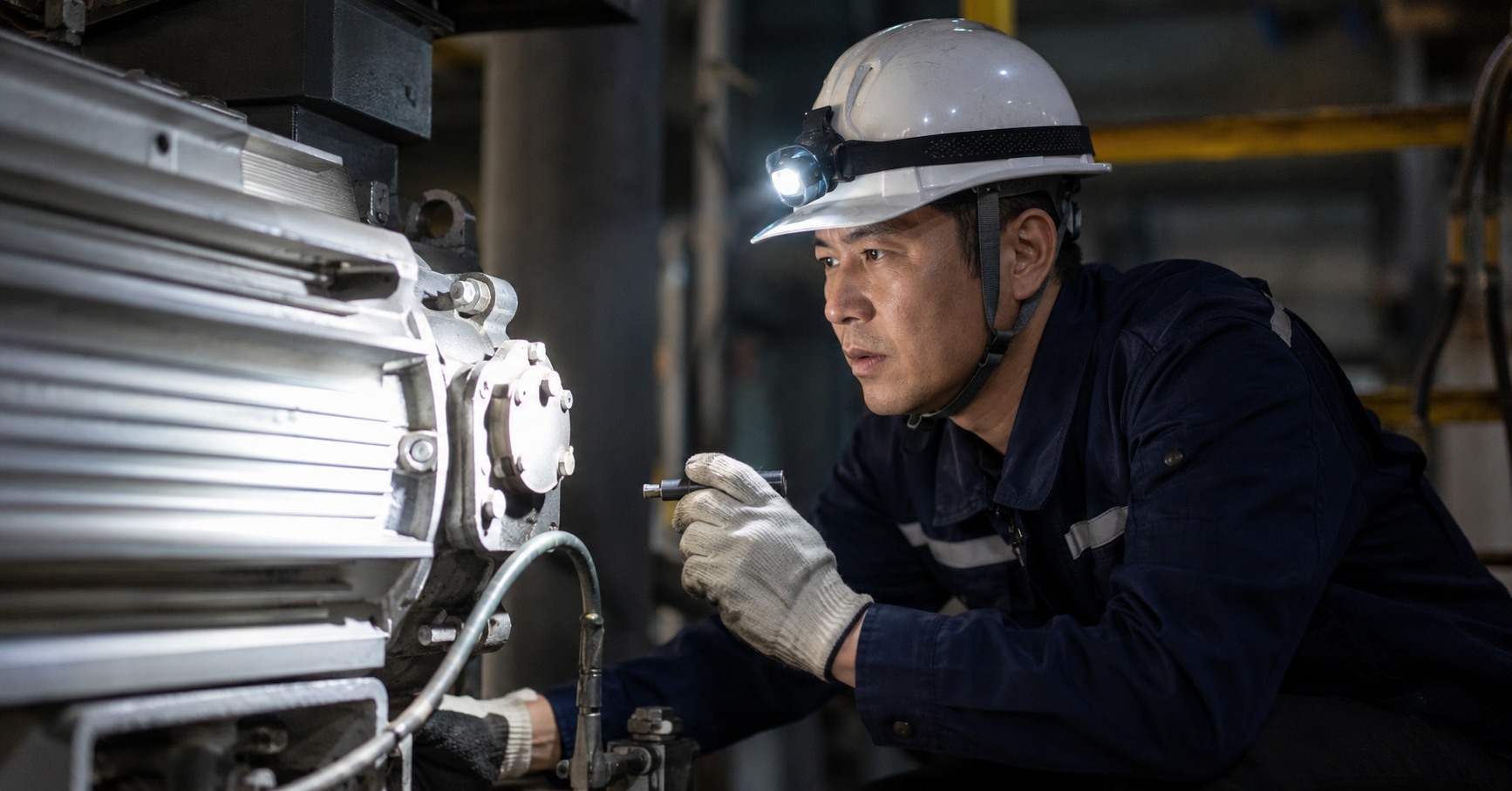
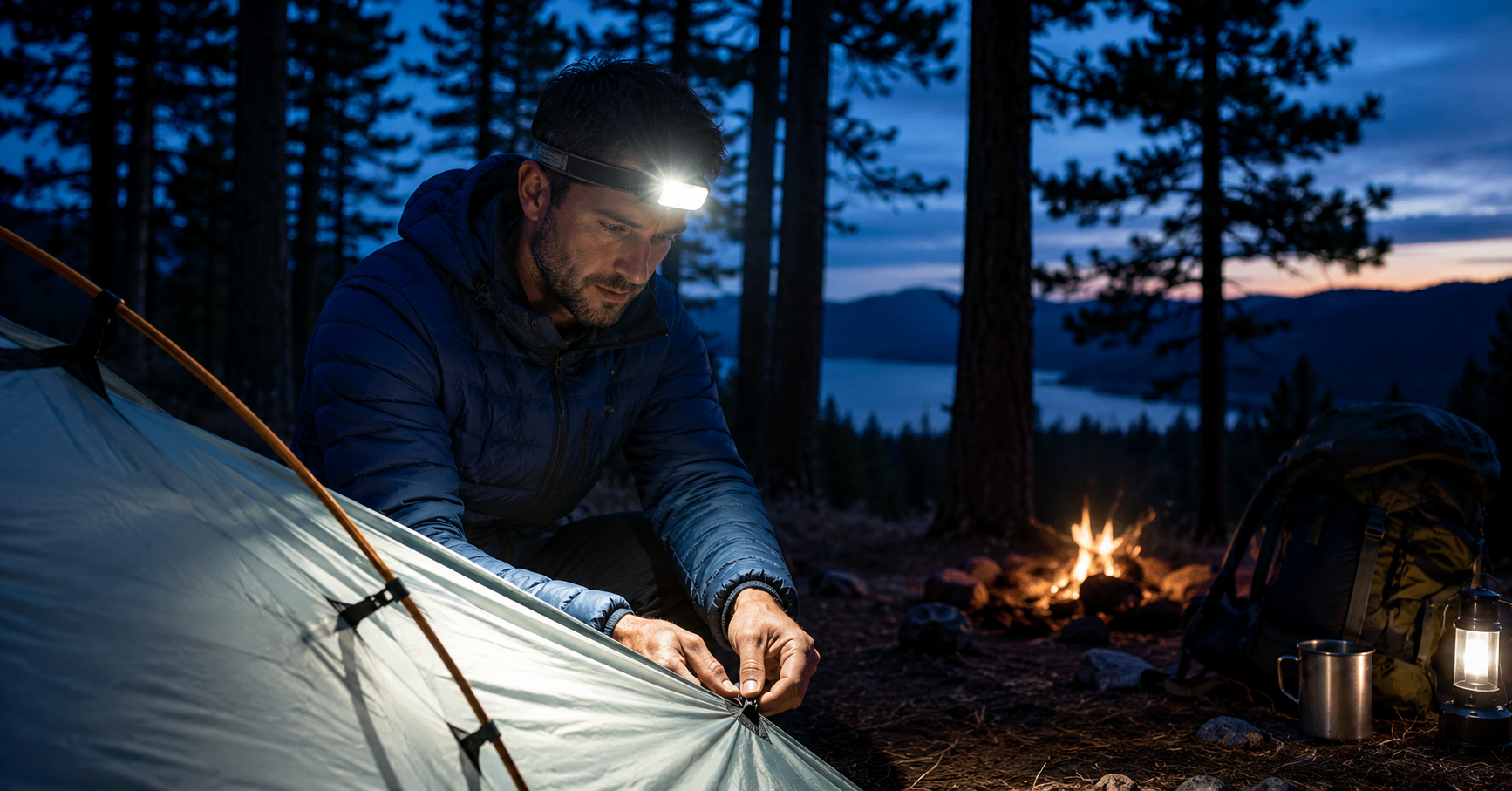
A headlamp is designed for hands-free illumination, so users judge it while walking, running, hiking, setting up camp, or searching in the dark. That makes it different from a handheld light placed on a desk for inspection. The product must stay stable on the head, point the beam forward predictably, and remain comfortable during movement. Small weaknesses in strap elasticity, housing balance, or switch response can quickly become visible in real use.
Buyers should also remember that the visible product is only part of the story. Inside the lamp housing, the supplier must manage the LED, battery placement, heat, charging method, assembly fit, and beam direction. A capable partner is not just selling a plastic shell with a strap; it is supporting an assembled product where design and quality control affect user satisfaction.
What a Capable LED Headlamp Supplier Should Explain
A credible supplier should be able to describe the product in practical terms before asking for a production commitment. Buyers do not need every technical detail on the first conversation, but they should expect clear answers about construction, materials, strap attachment, adjustment, battery system, charging method, and the intended use case. If answers remain vague, the risk usually moves into sampling and production.
For active categories such as trail running or night walking, the discussion should include fit and balance. For hiking, camping, or emergency kits, buyers may focus more on dependable use, storage expectations, and ease of handling. If your team is comparing models, start from the product purpose rather than the most attractive photo. You can review available lighting categories through Brightenlux products before narrowing the specification conversation.
When Working Directly With a Headlamp Factory Makes Sense
Working with an LED headlamp factory can be useful when buyers need closer control over product variation, packaging, branding, or private-label requirements. A direct factory relationship may help align strap color, housing finish, logo placement, battery format, button layout, carton artwork, and accessory sets. These details may look secondary, but they influence shelf presentation and the way users experience the headlamp.
Direct sourcing is not automatically better, however. If the factory cannot communicate clearly, explain what is confirmed, or identify what still requires validation, the buyer may face larger problems later. A strong factory partner should make trade-offs easier to understand. It should also help the buyer separate confirmed product facts from claims that still need testing before bulk production.
Core Selection Checklist for B2B Buyers
Spec sheets can be useful, but the best supplier comparison starts with practical sourcing filters. The goal is to understand whether the supplier can deliver a headlamp that matches the intended market, holds consistent quality, and supports a realistic development process. Use a compact checklist to keep the discussion focused and to avoid being distracted by unsupported brightness or runtime claims.
| Check Area | What Buyers Should Confirm |
|---|---|
| Application fit | Whether the design suits running, hiking, camping, emergency kits, or mixed use. |
| Wearability | Strap comfort, adjustment, stability, balance, and pressure points during movement. |
| Construction | Housing design, strap attachment, assembly method, and switch feel. |
| Validation | How the supplier checks output, battery behavior, beam alignment, and batch consistency. |
| Customization | Which elements are standard and which can be changed for branding or packaging. |
This checklist also reveals communication quality. A reliable LED headlamp manufacturer should be comfortable saying which details are confirmed and which require further testing. Overconfident answers about unverified performance figures should be treated carefully, especially when the product is intended for safety-focused or active outdoor use.
Common Mistakes in Wearable Outdoor Lighting Sourcing
One common mistake is treating a headlamp like a generic torch with an elastic strap. A wearable light must perform while the user is moving, not only when placed on a table. A sample that looks acceptable indoors may bounce, shift, press uncomfortably, or point awkwardly after several minutes of outdoor use. That is why fit testing is essential.
Another mistake is prioritizing decorative features before confirming core function. Extra modes, special housing finishes, or attractive retail packaging can support a product line, but they should not come before secure wearability and dependable forward illumination. Buyers should also avoid assuming that all outdoor customers want the same thing. Trail runners, camping retailers, and emergency-kit buyers often evaluate the same product through different priorities.
Questions to Ask Before Requesting Samples
Before asking for samples, prepare a short and direct questionnaire. Ask what the intended use case is, which components are standard, what can be customized, how the strap is attached and adjusted, and what information can be shared about the battery system and charging method once verified. These questions help separate real product knowledge from catalogue-level selling.
Buyers should also ask how the supplier confirms beam alignment, assembly quality, and consistency from sample to production. If the supplier can provide practical product photos or documentation showing the lamp unit, strap, and structure, those details may be more useful than styled marketing images. To discuss a specific sourcing requirement, buyers can use the Brightenlux inquiry page or contact the team through Brightenlux contact.
Practical Sample Review and Sourcing Priorities
Once samples arrive, review them under conditions close to the target use. For running or fast hiking, check bounce, shifting, forehead pressure, and whether the beam remains directed forward. For camping and emergency use, review handling, switching, comfort, and whether the product feels appropriate for storage and occasional use. Indoor inspection is useful, but it cannot replace practical wear testing.
The sourcing sequence should move from application fit to material review, then to assembly details, validation, and packaging. If the market is price-sensitive, keep the discussion focused on basic failure risk and acceptable user experience. If the market is performance-driven, the standard must be higher because users will judge the product during movement, in darkness, and often in outdoor conditions.
FAQ
Is an LED headlamp a consumer product or a technical product?
It is both. The consumer side is obvious because the product is worn directly and judged by comfort, convenience, and appearance. The technical side appears in LED output, battery behavior, charging method, beam direction, assembly quality, and consistency from sample to production.
Should buyers choose a supplier based on brightness claims?
No. Brightness claims alone are not enough, especially when figures have not been verified. Buyers should also examine strap stability, housing construction, beam alignment, battery behavior, switch response, material suitability, and the supplier’s ability to explain how performance is checked across batches.
Do all LED headlamp suppliers offer the same customization options?
No. Some suppliers may support only basic logo or packaging changes, while others can discuss broader product variation. Buyers should ask early which elements are standard and which can be changed, because customization depends on the supplier’s product structure and factory setup.
What is the biggest hidden risk in headlamp sourcing?
The biggest risk is assuming the product is simpler than it is. A headlamp combines wearable comfort, forward illumination, battery-powered operation, and outdoor usability. Weakness in any one area can create user complaints, returns, or production issues after an order is placed.