

LED Headlamp Manufacturer Guide for Outdoor Buyers
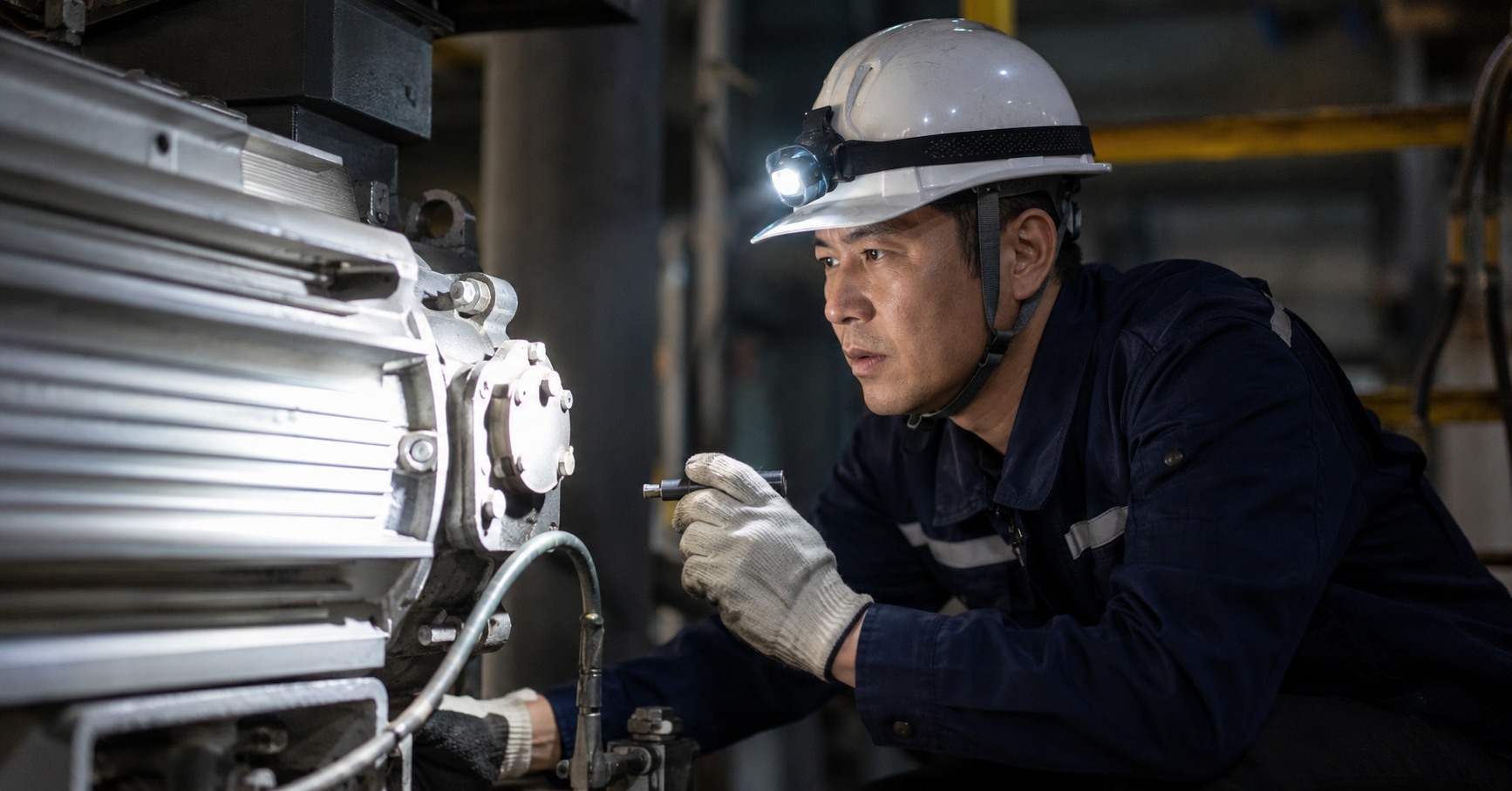
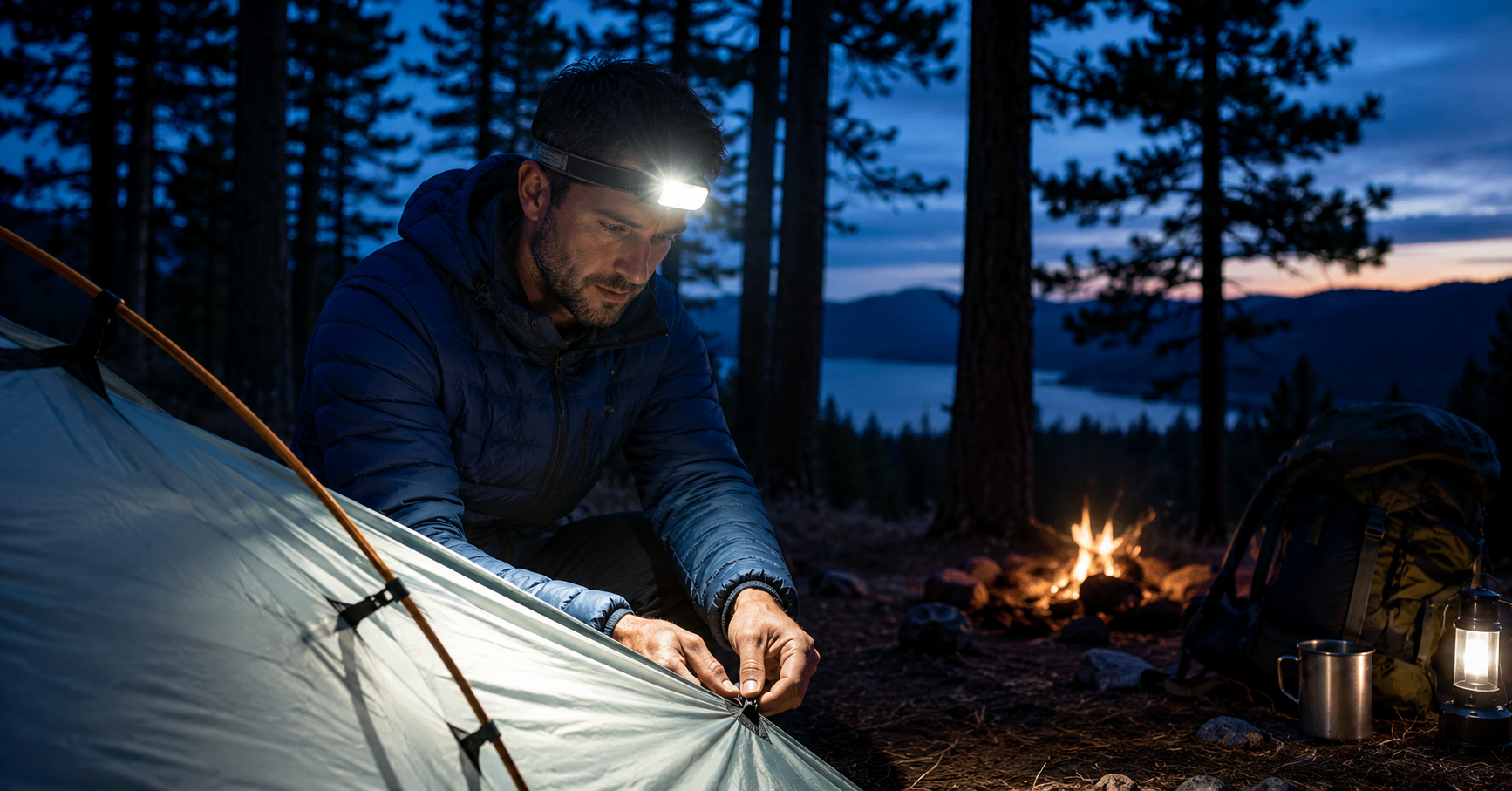
Choosing a LED headlamp manufacturer is not only about buying a small light on a strap. For outdoor buyers, it is about finding a factory that can produce a compact, hands-free lighting product with consistent fit, useful forward illumination, and practical durability for real use. Whether the end user is hiking, camping, caving, night trekking, doing trail work, or preparing an emergency kit, the product has to perform beyond the sample table. This guide explains what to check before you commit to a supplier.
Why Buyers Should Start With the Manufacturer
A headlamp looks simple: a compact front-mounted lamp body, usually fixed to an elastic textile or webbing strap, keeps light close to the wearer’s line of sight while leaving both hands free. That simple layout is popular because it works in outdoor, repair, walking, and emergency situations. However, the product’s apparent simplicity can hide sourcing risk.
The difference between a neat sample and a stable production order can be significant. Housing quality, strap comfort, beam control, assembly discipline, and packaging all influence the final result. For this reason, buyers are not only choosing a lamp model. They are choosing the manufacturing process behind it. Before comparing options, review available product categories at Brightenlux products to define the role the headlamp must serve in your channel.
What an Outdoor LED Headlamp Needs to Do
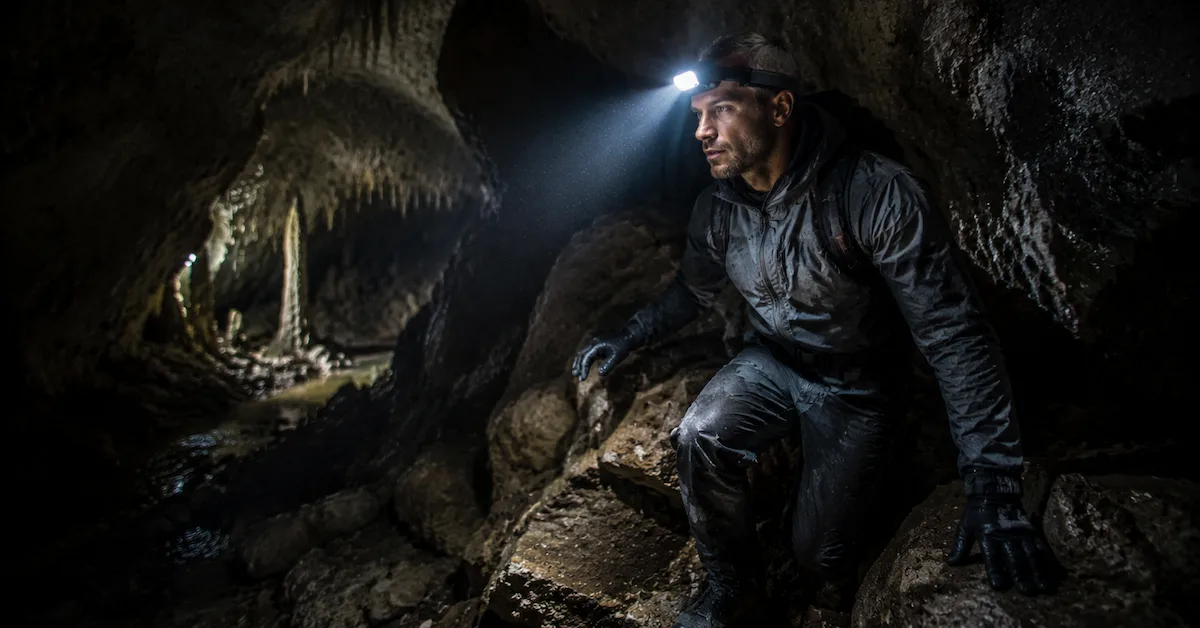
For buyers, the first question is not simply whether the product turns on. A useful headlamp should provide forward illumination, stay comfortable on the forehead, and remain stable during movement. In dark settings such as caves, rocky paths, tunnels, or uneven outdoor terrain, a weak beam pattern or slipping strap can become more than an inconvenience.
Comfort and usability are especially important because a wearable light is in direct contact with the user. If the front module feels awkward, the band creates pressure points, or the lamp shifts while walking, the product may generate avoidable complaints. For outdoor retail, those issues can become return problems. For emergency or work-related use, they can reduce trust in the entire product line.
Product Category Clues and Unknown Specifications
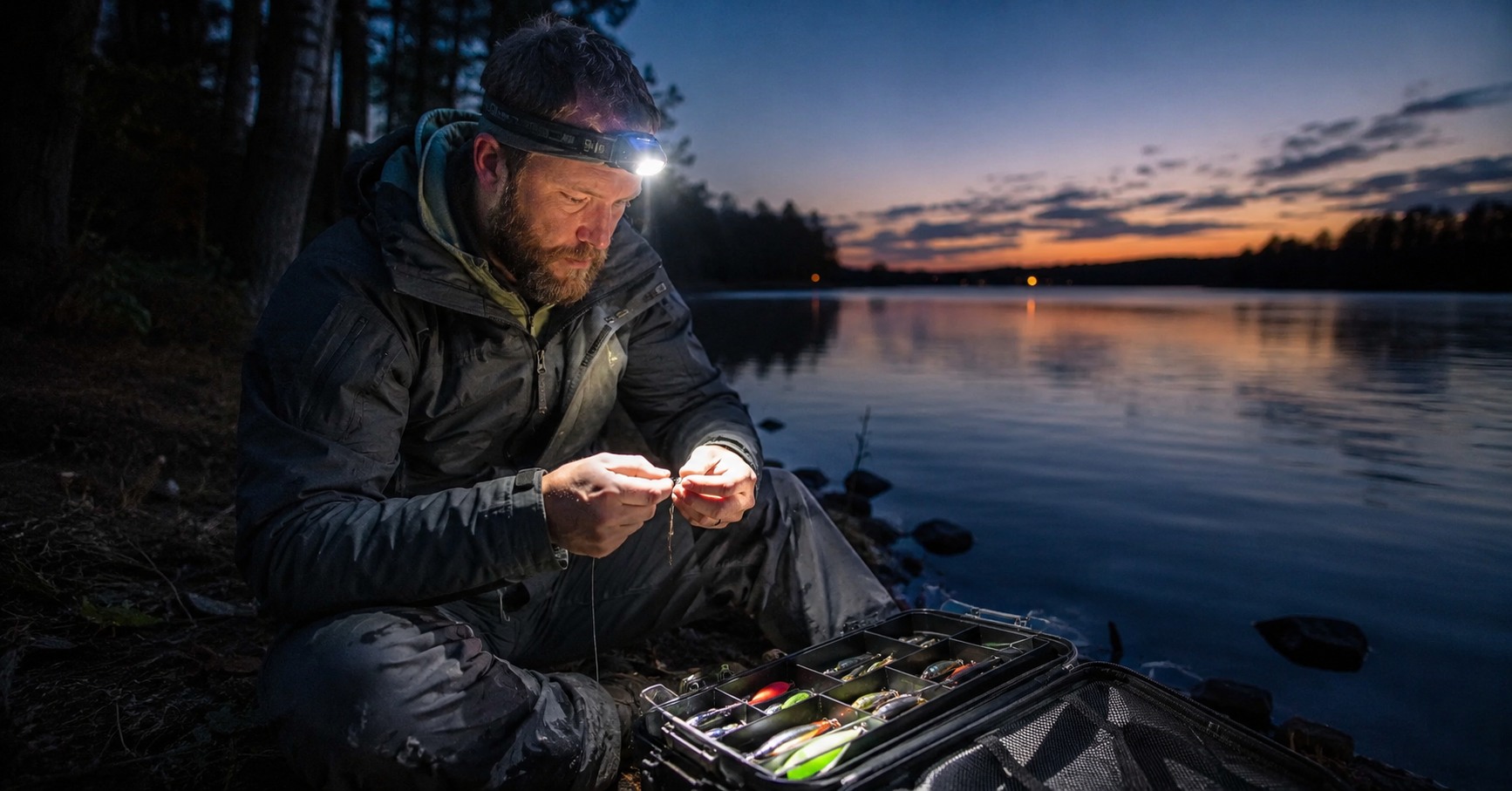
The source image shows a wearable LED headlamp with a compact front light and a dark strap. The beam appears concentrated enough to light the path ahead, which makes the product relevant to outdoor-adventure use rather than decorative or novelty lighting. The form also matches a common hands-free lighting format used for camping, hiking, emergency kits, and maintenance tasks.
It is reasonable to expect an injection-molded lamp housing, because that is a standard path for this type of consumer product, but buyers should avoid assuming details that are not documented. Battery type, charging method, lumen output, runtime, waterproof rating, certification status, and test results are all unknown from the source information. Treat these as open sourcing questions, not confirmed selling points.
Manufacturing and Assembly Checkpoints
For a standard wearable outdoor light, production commonly starts with the housing. Injection molding supports repeatable shape control and efficient mass production. The strap is cut, finished, and attached as a separate component. The light engine, switch, battery compartment, internal wiring, or support parts are then assembled into the enclosure before functional checks and packaging.
Assembly discipline often determines whether a product works well in the field. If the lamp body is not closed properly, strap anchor points are weak, or internal parts shift during handling, the user experience suffers. Ask the factory how it controls consistency from sample to shipment. A capable LED headlamp factory should be able to discuss molding quality, housing fit, strap attachment, switch feel if present, and final inspection without relying on vague claims.
Supplier Evaluation Checklist
Specifications matter, but supplier behavior matters just as much. A polished sample is easy to present; a stable production run requires process control. When speaking with an LED headlamp supplier, ask how incoming materials are checked, how in-process inspection is handled, and what final review occurs before packing. If answers remain unclear, treat that as a sourcing risk.
Use this compact checklist during early comparison:
| Area | What to Confirm |
|---|---|
| Housing | Molded parts, fit between parts, finish, and perceived sturdiness |
| Strap | Elastic behavior, comfort, attachment method, and stability on the head |
| Beam | Usefulness for forward illumination and suitability for the target use case |
| Assembly | Switch action if present, internal stability, rattling, and visible finish |
| Packaging | Retail, e-commerce, or bulk requirements and transit protection |
For detailed project discussion, buyers can send requirements through Brightenlux inquiry.
Common Mistakes in Headlamp Sourcing
One common mistake is focusing too heavily on the light source while ignoring the rest of the product. In this category, the strap, housing geometry, wearing comfort, and assembly quality are not secondary details. They are central to the product. A lamp may look good on a desk but still fail outdoors if the band stretches too easily or the front body feels unstable.
Another mistake is assuming all outdoor headlamps are interchangeable. A cave user, camper, night trekker, trail worker, and emergency-kit buyer may all want reliable hands-free light, but they may not need the same beam shape, weight balance, or product form. Buyers should also avoid unclear material descriptions. If the housing is plastic or the strap is elastic webbing, the exact performance still depends on grade, finish, stretch behavior, and attachment method.
How to Structure a Commercial Conversation
A strong supplier conversation should be concrete. By the end, you should know what the product is intended for, which parts are standard, which elements may be customized, and where the main limitations sit. A serious LED headlamp manufacturer should be comfortable discussing housing design, strap options, packaging formats, and realistic use-case trade-offs.
Do not judge only by sales language. Some factories are strong in tooling and assembly but less polished in presentation, while others describe products well without giving enough process detail. Your task is to separate marketing from manufacturing capability. Ask what parts are molded, sewn, or assembled; how the strap is fixed; what final inspection is performed; and how packaging is protected. To discuss requirements directly, use Brightenlux contact.
FAQ for Outdoor Headlamp Buyers
Is an LED headlamp only for outdoor recreation?
No. The same hands-free lighting format is also used for emergency kits, maintenance tasks, and any situation where a person needs both hands free in low light. The image suggests an outdoor-adventure context, but the core use case is broader than recreation.
Should buyers ask for lumen output and runtime early?
Yes, if those figures matter to your market, but treat them as meaningful only when they are documented and testable. The source information does not provide lumen output, runtime, battery details, or charging method, so those points should be confirmed during sourcing.
What matters most in a first sample review?
Start with comfort, beam usefulness, strap stability, housing quality, and visible assembly finish. If these basics are weak, deeper specifications will not rescue the product. A headlamp must feel stable and practical before it can succeed in outdoor or emergency use.
What is the best next step when comparing factories?
Combine a sample review with a manufacturing discussion. Ask how the housing is made, how the strap is attached, what inspection is done before packing, and which features are fixed or adjustable. This reveals more than a catalog and helps identify a reliable partner.