

LED Headlamp Manufacturer Guide: How to Choose the Right Supplier
Choosing an LED headlamp manufacturer can look simple when products appear similar in a catalog. Most models offer hands-free lighting, a compact front lamp, and an elastic headband. The real differences appear when buyers test samples, compare construction, and consider how the product will be used. For B2B sourcing teams, the goal is not only to buy a bright light. It is to select a supplier that can deliver a wearable lighting product with practical beam direction, stable fit, suitable power design, and consistent assembly quality across production.
Why LED Headlamp Sourcing Often Becomes Complicated
LED headlamps are small products, but they combine lighting performance, plastic housing design, strap comfort, power layout, and user ergonomics. That mix makes sourcing more complex than it first appears. A sample may look acceptable in a photo but feel unstable, uncomfortable, or poorly assembled when worn.
Many buyers also focus too heavily on brightness claims. A high power LED headlamp is useful only when the beam lands where the user needs it and the unit remains comfortable after repeated use. For hiking or camping, buyers may prefer a low-profile body with forward visibility. For maintenance or repair work, comfort during longer wear and a more durable-feeling shell may matter more. A capable supplier should understand these distinctions instead of presenting every model as the same basic lamp with a strap.
Define the Application Before Comparing Samples
The first sourcing question should be simple: who will use the headlamp, and in what environment? A product for trail walking, camping, climbing, emergency kits, nighttime navigation, or light-duty work may share the same visible structure, but each use case creates different expectations.
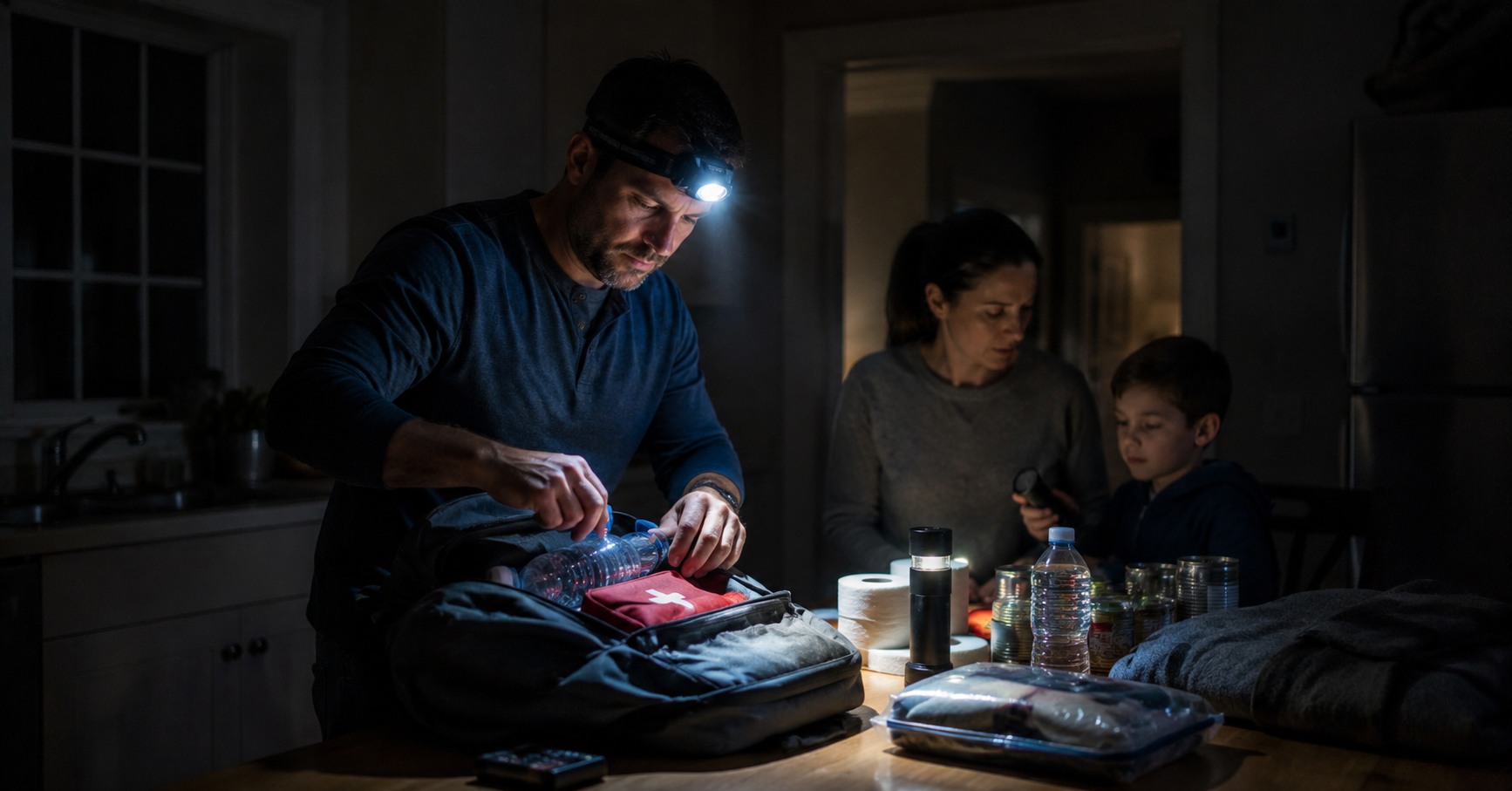
Outdoor users often care about movement, balance, and a beam that supports forward visibility. Work users may care about longer wear comfort, switch placement, and whether the headlamp stays stable while bending or changing posture. Emergency kit buyers may consider whether users will have regular access to charging.
Before requesting a quotation, align the product purpose internally. If you are reviewing multiple lighting categories, you can also explore related options at Brightenlux products. Clear application planning helps suppliers recommend a practical model instead of pushing the most heavily marketed one.
Evaluate Construction, Comfort, and Beam Usefulness
A well-made headlamp should feel deliberate in the hand and stable on the head. Most wearable headlamps use injection-molded plastic components because this supports shape control, weight management, and practical production. Buyers should still inspect the quality of the housing, lens window, lamp body fit, and strap attachment points.
The headband is equally important. A weak or poorly balanced strap can make even a decent light feel cheap. Check whether the elastic band holds securely without creating uncomfortable pressure. The front module should sit close enough to the head to reduce bouncing, while still feeling easy to wear.
Beam usefulness should be judged in context. A beam that is too narrow can be tiring on trails, while an overly diffuse beam may not support path visibility. Ask the manufacturer how the optic is intended to behave in actual use, not only what the package says.
Review Power Strategy Without Assuming One Format Is Best
A rechargeable LED headlamp can be a strong option for frequent users, teams that can manage charging, and buyers who want to reduce the hassle of disposable batteries. However, rechargeable design is not automatically the best fit for every program. Emergency kits, backup packs, or products for users without reliable charging access may still benefit from replaceable batteries.
Because exact battery chemistry, charging method, and internal architecture are not always obvious from photos, ask direct technical questions. If the product is rechargeable, ask about the charging interface and expected use pattern. If it uses replaceable batteries, ask how that choice supports the intended market.
The best answer depends on the user’s real behavior. A supplier that immediately declares one power format superior without discussing the application may not be thinking deeply enough about your product requirements.
Ask the Right Questions Before Placing an Order
Supplier communication is a major indicator of manufacturing readiness. An experienced LED headlamp manufacturer should be able to discuss construction, assembly, strap retention, lens fit, switch placement, and basic function checks clearly. If every answer sounds like a generic sales pitch, the buyer should proceed carefully.
Use a consistent checklist when interviewing suppliers and comparing samples:
| Buyer question | Why it matters |
|---|---|
| What use case is this model designed for? | Prevents mismatch between product and market. |
| How are the housing, lens, and strap assembled? | Reveals attention to build consistency. |
| How does the beam support actual use? | Shifts focus from claims to function. |
| What power setup fits the application? | Aligns charging or battery choice with user habits. |
If you need to discuss a project directly, contact Brightenlux through contact us or send a sourcing request via inquiry.
Avoid Common Mistakes in Headlamp Supplier Selection
The most common mistake is buying by appearance alone. A compact front module and elastic strap are easy to copy visually, but visual similarity does not guarantee comfort, stability, or reliable assembly. Buyers should handle samples as working products, not as catalog images.
Another mistake is over-specifying features that end users may not need. More modes, stronger claims, or more packaging language do not automatically create a better headlamp. The better choice is often the model that balances wearable comfort, beam direction, practical power design, and dependable construction without unnecessary complexity.
Buyers also risk problems when they ignore the use environment. A trail walker and a technician in a dim workspace may need different product behavior. If the environment is not clearly defined, the supplier may optimize the wrong part of the design.
Compare Samples Like a Production Buyer
When several suppliers submit similar samples, compare each one against the same practical criteria. Does the headband stay secure without feeling too tight? Does the front lamp sit low and stable? Does the housing feel like a finished consumer or outdoor accessory rather than a rough prototype? Does the beam support forward movement instead of only looking bright on a table?
Also look for small signs of consistency. Check the lens fit, switch response, strap attachment, and the way the lamp body aligns with the housing. Small wearable lights can still create customer complaints if the assembly process is careless.
For buyers planning wider distribution, request additional product details when available. Photos or descriptions of the internal build may help your team understand whether the sample reflects a stable production approach. To review broader lighting options before final selection, visit Brightenlux products.
FAQ for LED Headlamp Sourcing Teams
Is a high power LED headlamp always the best option?
Not always. Higher output can help in some applications, but it must work with beam direction, comfort, power design, and product stability. If the light is uncomfortable or the beam is poorly directed, the headline power claim will not create a better user experience.
Should buyers choose a rechargeable LED headlamp?
A rechargeable LED headlamp can be convenient for frequent use and teams that can manage charging. It may be less suitable for some emergency or backup applications where charging access is uncertain. The better choice depends on the user’s habits and operating environment.
What separates a reliable headlamp manufacturer from a basic supplier?
A reliable manufacturer can explain how the product is built, how the strap and housing are assembled, and how the model fits the use case. Clear communication, consistent samples, and practical answers are often more valuable than broad claims or excessive feature lists.
How should buyers make the final supplier decision?
Judge samples as real working products. Review comfort, housing quality, strap retention, beam usefulness, and power strategy against your target market. The right supplier should make these discussions easy and help match the headlamp to outdoor, emergency, or work-related use.