

How to Choose an LED Headlamp Manufacturer for Outdoor Use
Choosing an LED headlamp manufacturer is not only about finding a light that turns on. For engineers, sourcing managers, and product teams, the stronger question is whether the supplier can deliver a head-mounted light that feels comfortable, stays aligned, supports movement, and fits the job it was bought for. Outdoor users notice problems quickly when a lamp slips, feels awkward, or fails to point where they need it. A better sourcing process starts with the use case, then moves into structure, materials, assembly, customization, and supplier communication.
Why the Right LED Headlamp Manufacturer Matters
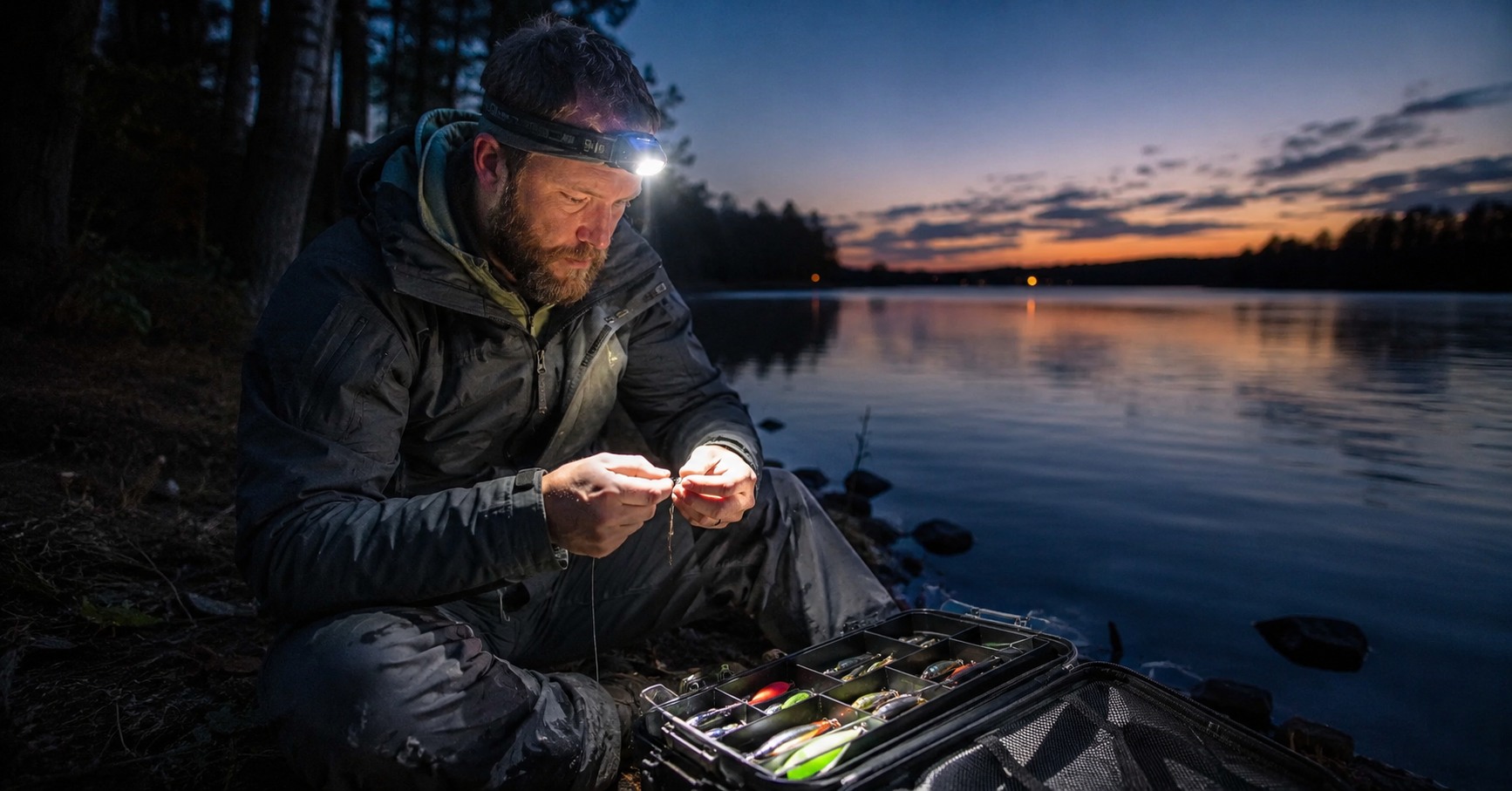
A headlamp may look simple from the outside, yet it combines molded housing parts, optics, electronics, textile components, and assembly discipline. If one part is weak, the user experience suffers. For trail running, camping, hiking, night setup tasks, and low-light field work, the product must remain practical while leaving both hands free.
That is why buyers should avoid judging only by a photo or headline specification. The real goal is to find a supplier that can balance performance, comfort, and repeatable manufacturing. This applies whether the project uses a standard model, a custom LED headlamp, or an OEM LED headlamp for a private-label outdoor product line.
Start with the Outdoor Use Case
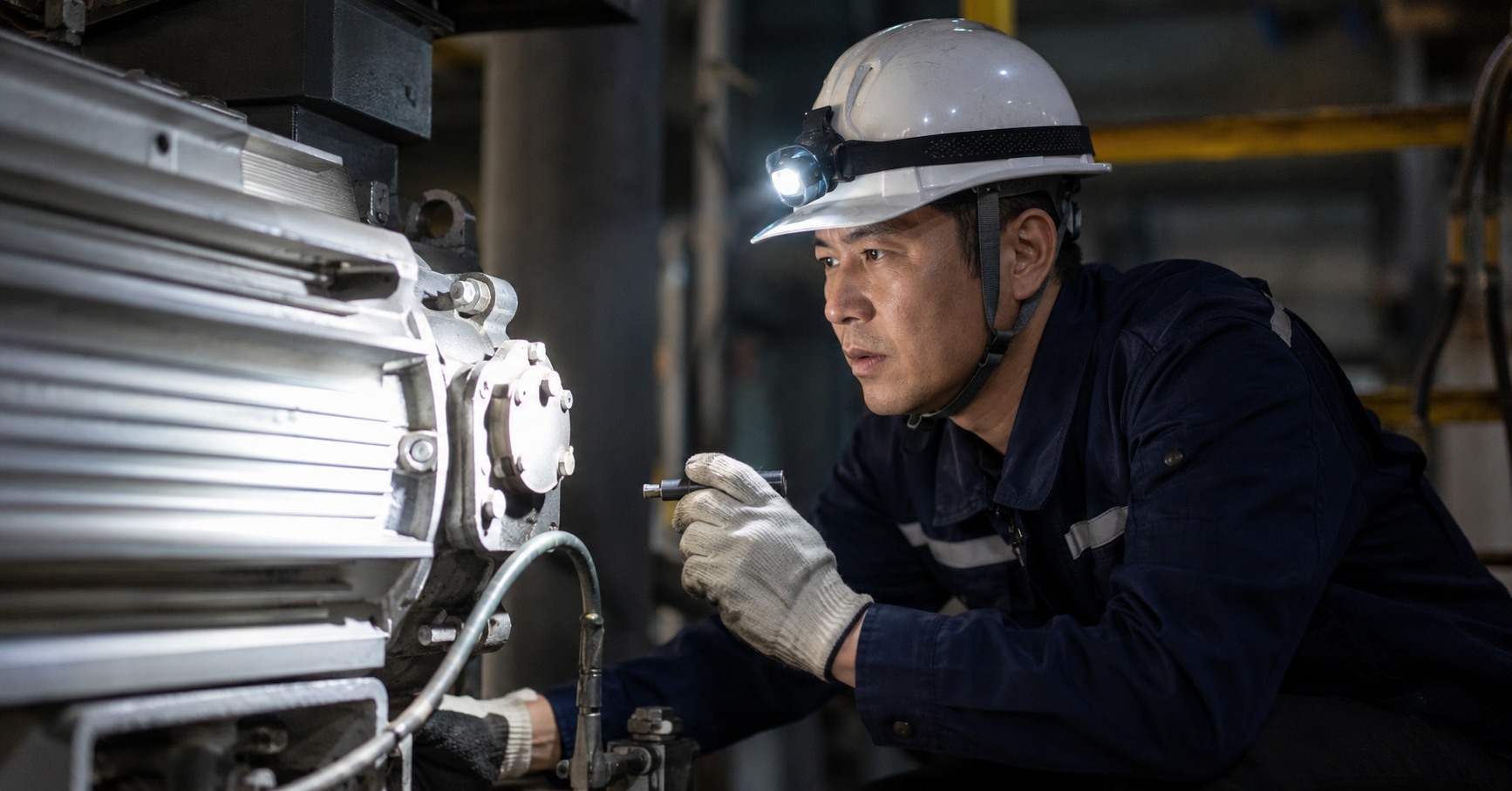
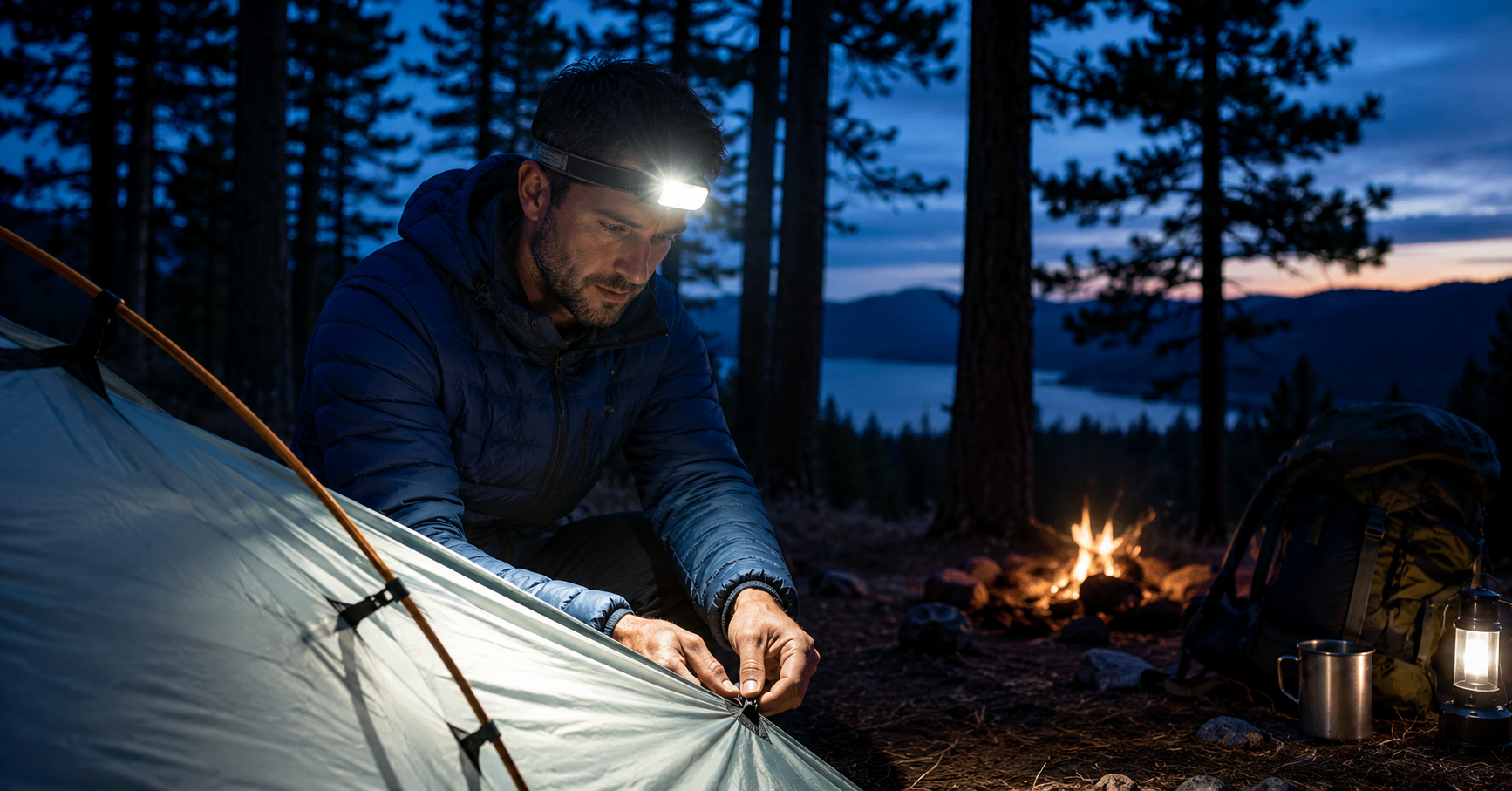
The best sourcing decisions begin by defining where and how the headlamp will be used. A runner needs a stable beam that stays aligned during motion. A camper needs directional light for setting up gear after dark. A hiker may prioritize compact wearability over long stretches, while utility users need a practical tool for quick checks, repairs, or emergency lighting.
These use cases are related, but they are not identical. A manufacturer should be able to discuss how comfort, retention, and beam direction affect each scenario. If the supplier treats all outdoor headlamps as interchangeable, the conversation may be too shallow for a serious B2B project.
Check Housing, Optics, and Beam Control
The front module is compact, but the optical package is central to the product. A useful headlamp should send light where the wearer is looking, not waste it at the edges or create an uncomfortable hotspot for close work. The housing also needs to protect the LED electronics from normal handling and movement.
From the source product image, the housing appears to be molded black plastic with a matte or low-gloss finish, a practical choice often seen in consumer outdoor lighting. However, the exact polymer, lens material, battery system, and ingress protection level cannot be confirmed visually. Treat these as specification questions, not assumptions, and ask the manufacturer how alignment, part fit, and heat buildup are managed.
Evaluate Strap Comfort and Retention
A headlamp that looks good on a table can still disappoint during active use. The elastic headband must hold the module securely without excessive rubbing, slipping, or loss of tension. For running and hiking, retention is especially important because a bouncing lamp turns the beam into a distraction and reduces user trust.
The strap shown appears to use elastic textile webbing, which is common because it is light and adjustable. Buyers should still ask about strap sourcing, stitching method, width, tension, and attachment consistency. Comfort is not a soft detail in this category. It is a functional requirement because the product sits directly on the user’s head during movement.
Decide Whether Standard, Custom, or OEM Fits the Project
Not every buyer needs a fully original design. A standard model may be enough when the goal is reliable hands-free lighting for outdoor use. In other cases, a custom LED headlamp makes sense because the market requires different branding, packaging, strap styling, housing color, or a different balance of features.
OEM LED headlamp projects usually fit buyers with a channel strategy, a target user profile, or a broader outdoor product range. Separate cosmetic changes from engineering changes early. Branding and packaging may be relatively straightforward, while changes to beam behavior, battery approach, or how the lamp sits on the head require a more technical discussion. To review available lighting categories, visit Brightenlux products.
Compare Suppliers with Practical Evidence
A reliable supplier should explain the product structure clearly. Ask how the light module is assembled, how the strap is attached, what customization is possible, and which parts of the process the manufacturer controls directly. If a company claims OEM capability, clarify whether it manages design, component sourcing, assembly, or only presentation and sales.
Use the same questions for every candidate so the comparison stays fair. Pay attention to how each supplier handles uncertainty. A credible manufacturer will say when a detail depends on the final specification. A weak one may guess, and guessing in lighting products can become expensive later.
| Area to Review | What to Ask |
|---|---|
| Use case | Is the headlamp intended for running, camping, hiking, utility work, or emergency use? |
| Construction | What are the housing, lens, strap, and attachment details? |
| Assembly | How are fit, function, and appearance checked during production? |
| Customization | Which changes are cosmetic, and which require engineering review? |
| Communication | Does the supplier answer directly or rely on vague brochure language? |
Prepare a Clear RFQ and Avoid Common Mistakes
Before issuing an RFQ, define the intended field use and the scope of change. State whether the form factor is fixed, whether branding or packaging is required, and whether the project needs a custom LED headlamp or a standard model. Clear scope helps factories respond with useful information and reduces rework.
Common mistakes include shopping only on appearance, assuming all headlamps with similar silhouettes perform the same, and committing to feature ideas before confirming the user need. Ask for sample photos, part descriptions, and available assembly notes. If the supplier can show a sensible path from molded housing to complete product, the discussion is more likely to be manufacturing-led. For project discussion, use Brightenlux contact or send details through the inquiry page.
FAQ
What makes a headlamp suitable for active outdoor use?
A suitable outdoor headlamp should stay stable, feel comfortable, and direct light where the user is looking. The headband should hold the front module in place during movement, while the lamp body should remain manageable in size. For running or hiking, beam stability and retention are especially important.
Is an OEM LED headlamp always better than a standard model?
No. OEM makes sense when the buyer needs private-label branding, packaging, styling, or a specific product direction. A standard model may be more practical when the goal is a straightforward outdoor lighting item. The right choice depends on market needs, customization scope, and project complexity.
What should buyers confirm first with a supplier?
Start with intended use, construction approach, and available customization. These points quickly show whether the supplier understands headlamp manufacturing or is only listing general features. Buyers should also ask how the housing, strap, optics, and assembly process are managed before discussing cosmetic changes.
Why should buyers avoid assumptions from product images?
Images can show the visible form, such as a front module, black housing, or elastic strap, but they cannot confirm polymer type, lens material, battery system, or ingress protection level. Those details should be verified through specifications, samples, supplier explanations, and project documentation.