

LED Camping Lantern Supplier Guide for Buyers
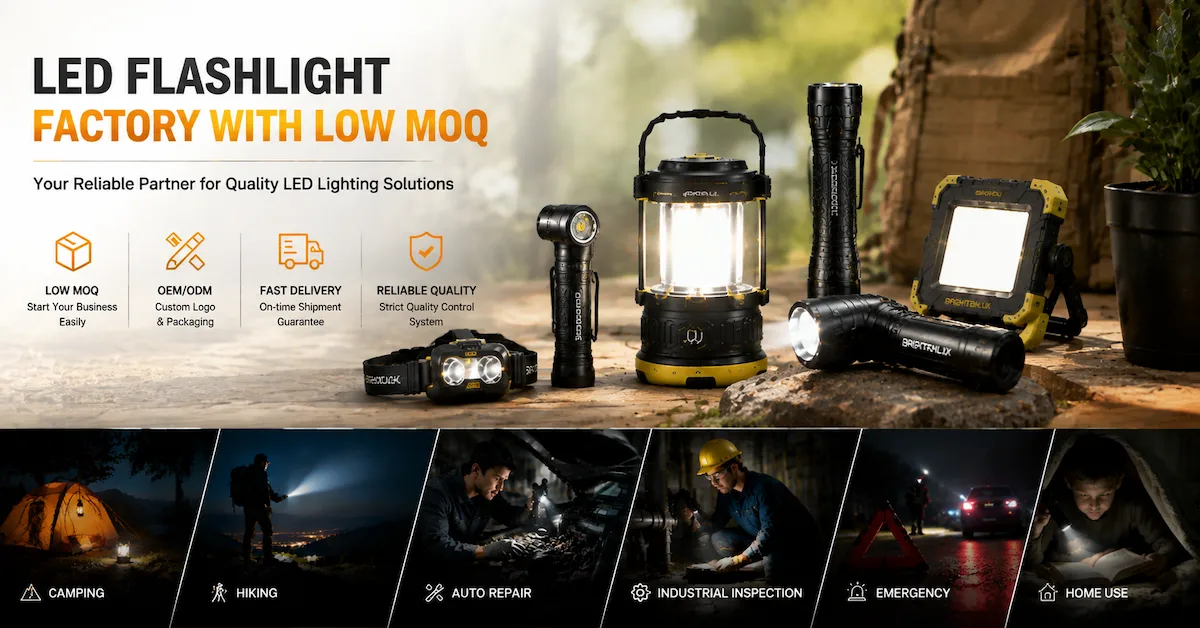
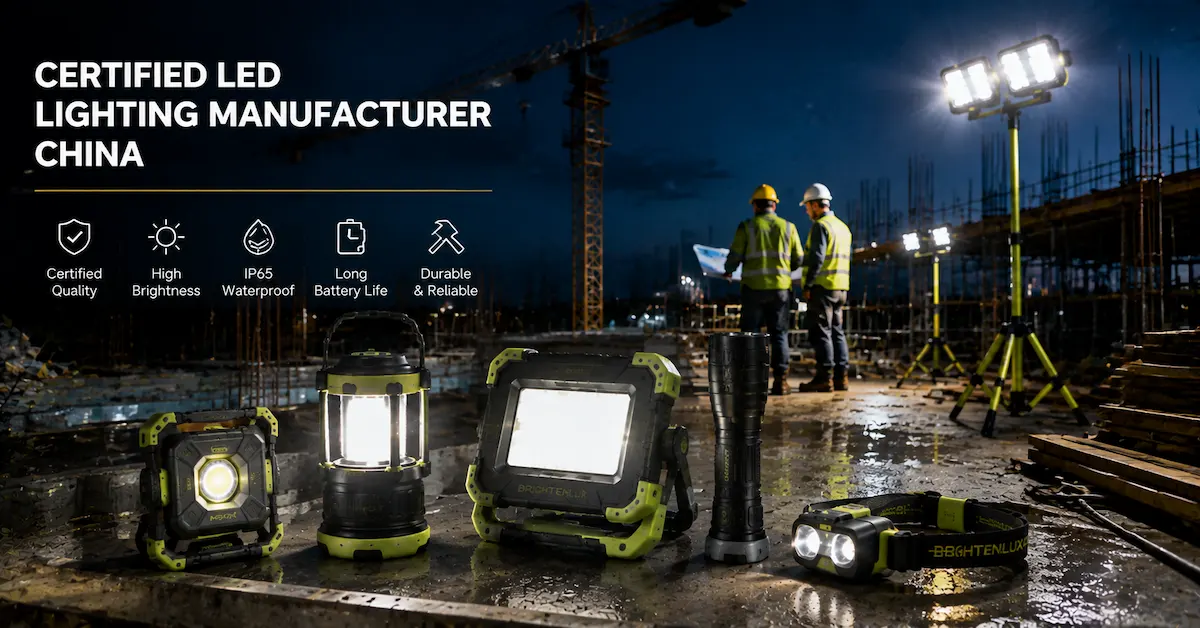
When procurement teams search for an LED camping lantern supplier, they are usually not buying a simple light. They are trying to solve several field problems at once: reliable night lighting, portable power, compact storage, and a product that can hold up in campsites, fishing trips, roadside stops, or emergency kits. A lantern that also offers charging output can reduce the number of separate devices users carry, which is useful for retailers, outdoor brands, and private-label programs.
The source product points to a portable rechargeable lantern paired with a power base, visible USB connections, a carry handle, and a broad lantern chamber. That layout matters because the buyer is choosing a piece of gear that has to work in a tent, on a dock, in a truck bed, or on a backup shelf without becoming awkward to carry or hard to explain at shelf level.
What buyers are really solving with this category
Outdoor users usually need three things at the same time: visibility, portability, and backup power. A lantern that only does one of those jobs often ends up as a spare rather than the item people reach for first. That is why the portable rechargeable format has become so common. It gives off broad area light for hands-free use, and the integrated ports let users charge a phone or small accessory when mains power is unavailable.
From a sourcing perspective, this type of product also simplifies the purchase decision. Instead of carrying a separate lantern and a separate power device, buyers can present one package that feels practical and easy to understand. The challenge is keeping the design focused. If the form becomes cluttered, the controls hard to use, or the charging side unclear, the product can lose the very appeal that made it attractive in the first place.
Quick comparison before you request samples
A fast way to narrow candidates is to compare the product on four visible points. These are the details that are easiest to verify before a sample order goes further.
| Buyer focus | What to check |
|---|---|
| Lighting format | Lantern-style area light is usually more useful than a directional head for tents, tables, and work surfaces. |
| Power integration | Confirm how the USB or other output ports are arranged and whether they are easy to use in the dark. |
| Enclosure style | Injection-molded housing is common in this category because it supports repeatable production and lower weight. |
| Carry and setup | A rigid handle and stable base matter because a lantern that tips over quickly becomes frustrating. |
These are simple checks, but they save time. Product photos often hide the details that matter most in use: button spacing, port access, cable routing, and whether the handle makes the unit comfortable to carry when one hand is already occupied.
Design details that matter to buyers
The visible unit in the source data uses a dark green and black rigid housing with ribbed side panels, a transparent lantern section, and a front control and output panel. That combination suggests a consumer electronics enclosure built through injection molding, which is a sensible route for repeat production and consistent fit. The lantern chamber sits above the battery or power base, keeping the light source elevated while preserving a compact footprint.
For sourcing managers, the important issue is not only shape but function. Ribbed side panels can improve grip and give the unit a more rugged look. A top carry handle makes one-handed transport easier. A front-facing control area helps users find switches and ports without turning the lantern around in the dark. These are small decisions, but they strongly affect whether the product feels designed for actual field use or assembled from generic parts.
Enclosure quality deserves attention because many lantern products fail in predictable ways: loose seams, thin plastic around stress points, or ports that feel vulnerable once the unit is tossed into a trunk or boat locker. Do not assume that a rugged appearance proves durability. Sometimes it is only styling.
Who typically buys this type of lantern
This product category fits several end-use cases. Campers and overlanders want area lighting and a way to keep a phone powered. Fishermen and dock users value a compact light source that can sit on a hard case, deck, or cooler. Roadside and emergency buyers need something that can stay in a vehicle without taking much space. Outdoor maintenance crews may use it for short-duration night work when a larger work light is unnecessary.
The product shown in the source material also appears suited to charging a smartphone and possibly a small electronic display such as a fish finder or sonar unit. That does not mean every version of this product will support that load, but it does show the market direction. Buyers increasingly expect one compact device to bridge lighting and low-power charging in a way that feels easy to carry and easy to understand.
Selection criteria that separate good suppliers from merely available ones
When evaluating suppliers, the checklist should go beyond price and catalog photos. The supplier should be able to explain exactly what the lantern does, what ports are available, and what the intended use cases are. If the answers are vague, the product may not be fully defined yet. Build consistency also matters. A consumer electronics enclosure should have repeatable fit, clean edges, and reliable alignment between the lantern chamber and the base.
Function separation is another useful check. If the lantern includes charging outputs, ask how lighting and power delivery interact. Packaging logic matters too, because outdoor buyers care about shelf presence, but they also care about carrying convenience and damage resistance in transit. Just as important, specification discipline should stay strict: battery chemistry, wattage, runtime, IP rating, capacity, and dimensions should only be stated when confirmed.
If you are comparing options, review the current products first, then use the inquiry or contact-us page when you need written confirmation.
Common mistakes buyers make with portable camping lantern products
One common mistake is treating every portable camping lantern as if it were interchangeable. In reality, lanterns differ in beam spread, stability, control layout, and charging usefulness. Another mistake is overemphasizing broad claims before checking the physical product. A lantern can look strong on paper and still be awkward at a campsite because the switch is hard to reach or the base is too narrow.
Buyers also sometimes ignore how the product will be used when it is not lit. A lantern with ports and a cable to a phone is part of a daily carry system, not just a light source. That means it needs to sit well in a bag, resist scratches, and remain intuitive for a casual user who may only reach for it once a season. If the unit needs a manual every time it is used, it is probably too fussy for the outdoor market.
A practical next step for buyers
If you are narrowing down an LED camping lantern supplier, start with the product’s actual field behavior, not the marketing language. Confirm the housing design, the charging interfaces, the stability of the base, and the intended use case. Then ask for the missing technical details in writing. That approach is slower than clicking through a catalog, but it saves time later when samples arrive and the product either fits the market or clearly does not.
For outdoor lighting programs, the best supplier is usually the one that can explain how the lantern works as a piece of real equipment: portable, usable in the dark, easy to carry, and honest about what has been confirmed and what still needs validation. If you are ready to move forward, send an inquiry with the use case and the features you want checked first.
FAQ for sourcing teams
Is a multi-function lantern always better than a basic lantern?
Not always. It depends on the market. For camping, fishing, and emergency use, the added charging function can be a real advantage because it reduces the number of items users carry. For very price-sensitive retail programs, a simpler lantern may be easier to present, merchandise, and support.
Should I prioritize portability or power features?
That depends on the end use, but portability is often the first thing users notice. If the product is too heavy or awkward, the extra functions will not matter much. A lantern that is easy to carry and simple to place usually has a stronger chance of being used regularly.
Can I rely on product images alone?
No. Images are useful for seeing layout and form, but they do not confirm the underlying electrical specification or long-term durability. They help you judge the housing, handle, base, and port placement, but the real confirmation still has to come from written product details and samples.
What should I confirm before moving to samples?
Ask what is confirmed and what is still under development. Focus on the housing construction, the interface layout, the handle attachment, and the intended use case. That keeps the project grounded in facts and reduces the chance of building a purchase decision around assumptions that do not hold up later.