

Flashlight Manufacturer China: How to Source the Right Utility Light
When buyers search for a flashlight manufacturer in China, they are usually solving a sourcing problem, not just looking for a factory name. They need a compact LED flashlight that is bright enough, durable enough, and consistent enough to support a brand, a field team, or an industrial channel. That could mean a general handheld torch, a compact inspection light, or a rugged unit positioned through a tactical flashlight supplier.
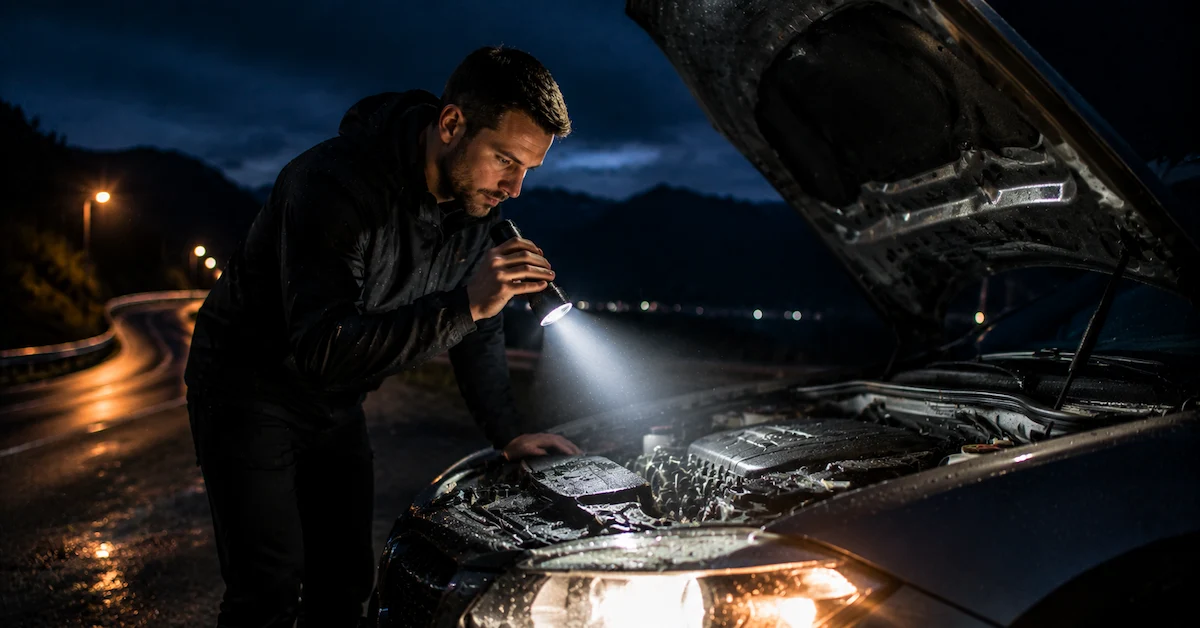
The challenge is simple to describe and harder to execute. A technician may use the light beside a vehicle at night, in a plant, or during outdoor work, and small differences in beam quality, switch feel, grip, or housing strength become obvious fast. That is why flashlight sourcing deserves careful review instead of a quick price comparison.
What buyers really mean when they search for a flashlight manufacturer in China
Most buyers are not asking for a long catalog. They are asking, in practical terms, who can make a utility light that performs the same way from sample to sample. That matters whether the end user is a maintenance worker, an outdoor customer, or a buyer building a branded product line. The real question is not only who can make a flashlight, but who can make the right flashlight repeatedly.
That is why the search often overlaps with terms like general flashlight supplier, inspection light source, or USB rechargeable flashlight factory. Each phrase points to a different buying goal. A simple handheld torch may be judged by portability and comfort. A rechargeable model adds charging convenience and extra points of failure. A tactical-style product adds expectations around grip and ruggedness. The search term is broad, but the sourcing need is specific.
Why flashlight sourcing deserves more attention than it often gets
Flashlights sit in an awkward middle ground. They are simple enough that many teams assume production will be straightforward, yet technical enough that small problems show up quickly in use. A housing that feels flimsy, a beam that scatters badly, or a battery door that loosens after a few uses can turn a promising product into a complaint. That is true whether the light is sold for home use or for an industrial channel.
Consistency is the real concern. A compact flashlight contains several parts that must work together: emitter, lens, reflector or optical assembly, switch, battery compartment, and body. If one part is off, the user notices immediately. This is also why buyers compare a general flashlight supplier with a USB rechargeable flashlight factory. Rechargeable formats bring convenience, but they also add charging design, port protection, and user expectations that must be handled well. If you want to compare options early, start with the right product set at Brightenlux products.
Separate the flashlight type before you request quotes
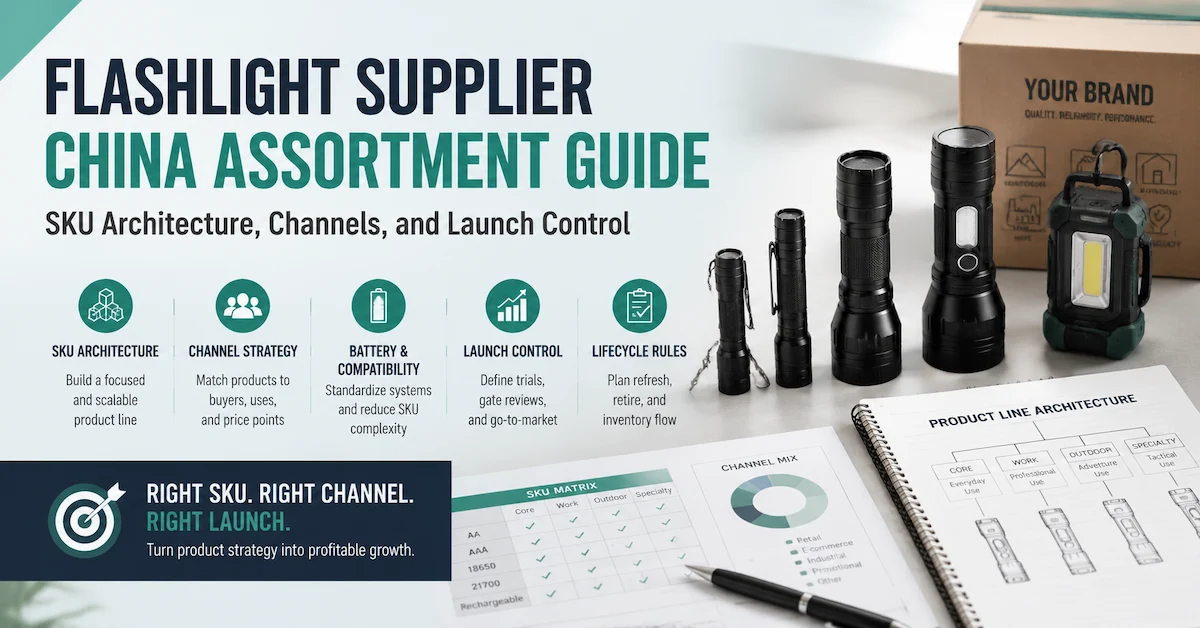
Not every flashlight program should be treated the same. Before you ask for pricing or samples, define the product family. If the category is unclear, the supplier may quote the wrong structure, the wrong user experience, or the wrong channel fit. A compact utility light for a glove box is not the same as a model intended for maintenance teams or a rugged unit built for a tactical-style position.
General-purpose handheld flashlight
This is the broadest category: a compact torch for home use, car kits, outdoor use, or everyday carry. The focus is usually beam quality, ergonomics, battery convenience, and overall unit fit. Buyers should ask whether the light is easy to hold, easy to store, and easy to use quickly.
Inspection light
Inspection lights are meant for close work. Automotive, maintenance, and equipment service users care about beam direction, how well the light reaches into tight spaces, and whether the shape supports careful aiming. In this category, usability often matters more than appearance.
Tactical flashlight
A tactical flashlight supplier may position products for security, emergency response, or outdoor use. These models often emphasize a robust body, a more aggressive grip surface, and switching behavior that suits quick activation. If the product is going to carry that positioning, the build and feel must support it.
USB rechargeable flashlight
A USB rechargeable flashlight factory usually focuses on integrated charging and repeat use. This can be attractive for consumer programs and fleet settings, but buyers should still check charging port design, cover durability, and how the product behaves in frequent-use conditions. Convenience is valuable only if it is supported by good construction.
What to check in a supplier before you approve a sample
The best supplier is not always the one with the longest catalog. It is the one that can repeatedly produce the flashlight you actually need. Start with the housing and grip. A black cylindrical body with a textured surface, like the kind seen in practical utility lights, makes sense because grip matters in wet, greasy, or gloved conditions. Smooth shells may look neat, but they are less forgiving in real use.
Then look at optical performance. Buyers often ask only for brightness, but beam shape matters just as much. A focused beam is useful for inspection and distance work, while a broader beam can be better for area lighting. Power system choices matter too. Battery type, replaceability, and charging method all affect how the product is used and replenished. Finally, check switch feel and assembly consistency. Tailcap feel, lens fit, body alignment, and overall tactile quality reveal a lot about factory discipline. If you need help narrowing the brief, use the contact page to ask practical questions before you sample.
A compact checklist for comparing flashlight offers
When offers start arriving, it helps to compare them against the same practical points. The table below keeps the review focused on utility rather than on presentation. It is useful for procurement teams, product managers, and anyone trying to separate a real working light from a polished but incomplete proposal.
| Buyer focus | Why it matters |
|---|---|
| Use case | Defines whether the light should suit home, vehicle, outdoor, maintenance, or tactical-style use. |
| Beam shape | Shows whether the light is better for close inspection or broader area coverage. |
| Power method | Helps decide between rechargeable convenience and other battery preferences. |
| Assembly quality | Reveals consistency in the fit, feel, and repeatability of the finished product. |
Once you compare offers this way, vague promises become easier to spot. You are not asking for more marketing language; you are asking whether the flashlight matches the field requirement. If the supplier can explain how the product is built, assembled, and tested in practical terms, you are in a better position to move forward.
Common sourcing mistakes that slow down flashlight programs
One common mistake is over-specifying the wrong features and under-specifying the important ones. A buyer may focus on extra lighting modes or cosmetic finish, while ignoring the issues that affect actual use: grip, battery access, beam focus, or switch behavior. That is backwards for most utility applications, where reliability matters more than presentation.
Another mistake is approving a sample based on appearance alone. A flashlight can look solid in hand and still have weak thermal management, poor switch life, or uneven output. A third mistake is assuming one factory can serve every channel in the same way. A consumer flashlight, a tactical-style program, and an industrial inspection light may need different packaging, different expectations, and different positioning. If you are ready to move from shortlisting to supplier contact, use the inquiry form with the use case stated plainly.
FAQ buyers ask before moving from sample to order
Is a flashlight manufacturer in China the right choice for small or large orders?
Often yes, provided the supplier matches the product type and the buyer has a clear specification. Small programs need responsiveness and clarity. Larger programs need process control and consistency. In both cases, the key is not the country alone but the factory’s ability to repeat the same product behavior.
Should I choose a tactical flashlight supplier or a general lighting factory?
That depends on positioning. If the product needs a rugged look and a heavy-duty use case, a tactical-style supplier may be appropriate. If it is a straightforward utility light, a general flashlight factory may be enough. The right choice depends on the end user, not on the label alone.
Is USB rechargeable always better?
Not always. Rechargeable products are convenient, especially for repeated use, but some buyers still prefer replaceable batteries for field service, storage, or emergency readiness. The best choice depends on how the light will be used, who will maintain it, and how often it will be recharged.
What should I confirm before approving a sample?
Check the body material, grip, beam shape, switch feel, and charging design if the model is rechargeable. Also ask how the flashlight is assembled and whether the factory handles key steps in-house or through multiple vendors. A sample should be judged by fit for use, not by appearance alone.