

Flashlight Manufacturer China: How to Source Better Outdoor Lights
For many sourcing managers, the phrase flashlight manufacturer China is not a slogan. It is a practical question: how do you find a supplier that can build a usable outdoor light without creating procurement problems? A camping flashlight combines optics, electronics, housing, sealing, comfort, and after-sales expectations. If one detail is weak, the product can feel cheap the first time it is used in a tent, on a dark path, or during travel. This guide explains how B2B buyers can compare suppliers more clearly and source outdoor flashlights that match real field use.
Why China Still Matters for Outdoor Flashlight Sourcing
China remains important for outdoor lighting buyers because its supply chain covers many flashlight configurations, finishes, assemblies, and related campsite lighting products. That breadth gives buyers options, but it does not automatically guarantee consistent quality. Two flashlights can look similar in a catalog while differing in beam control, switch feel, grip, and assembly consistency.
Outdoor lighting also creates mixed requirements. A buyer may need a compact handheld torch for reading in a tent, a wider campsite beam, or a backup light that can handle travel and rough handling. In practice, many procurement teams are not selecting one item only. They are building a lighting setup for different nighttime jobs. That is why supplier evaluation should go beyond appearance and focus on practical use.
Start With the Camping Use Case, Not the Catalog
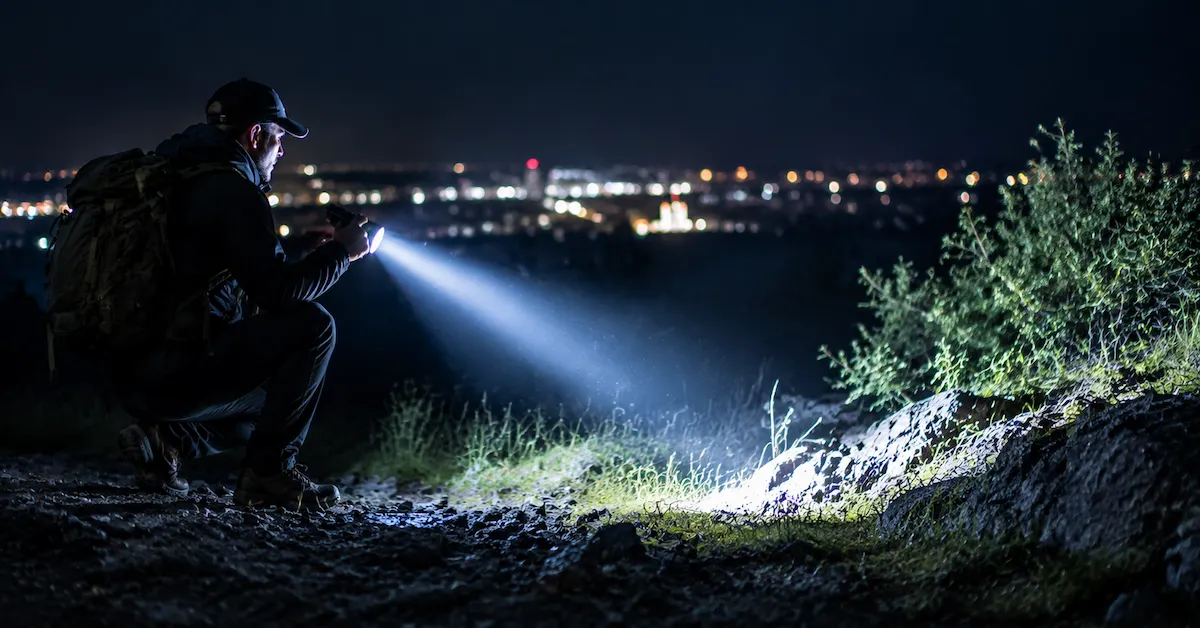
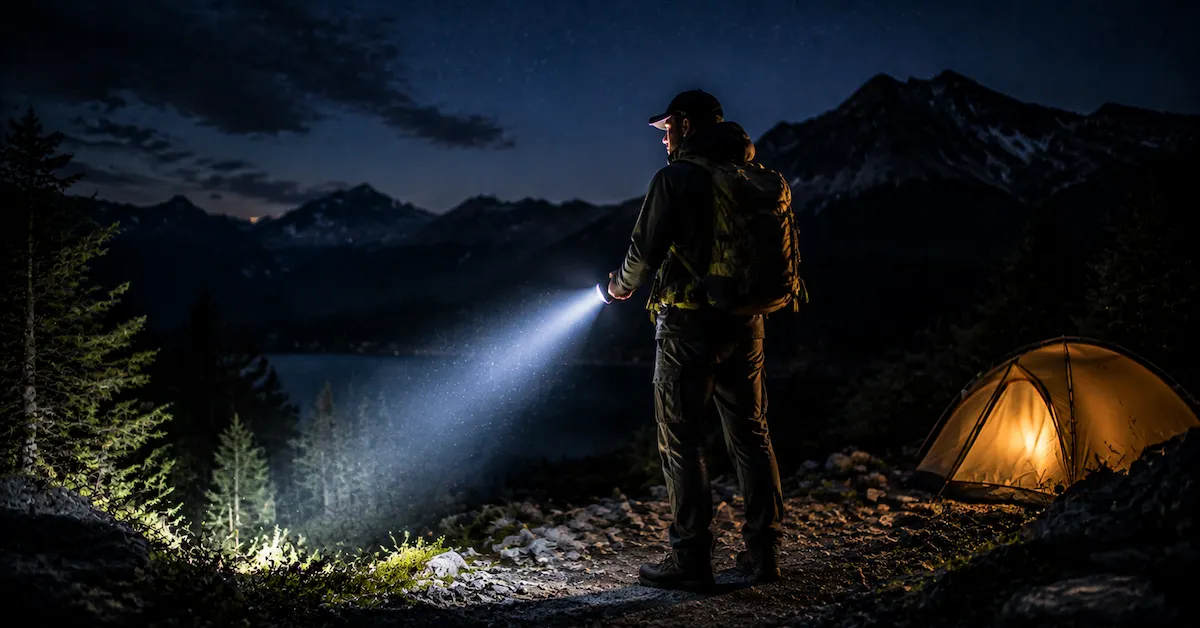
A camping flashlight must be easy to carry, comfortable in one hand, and suitable for short-range tasks. For tent use, beam control often matters more than raw output. A harsh flood can disturb other people inside a shelter, while a narrow, directed beam can help with reading, gear checks, or finding small items without lighting the whole tent.
The buyer should define the job before comparing models. Is the light mainly for close work, walking illumination, general campsite use, or emergency backup? These are not interchangeable needs. A flashlight that works well for reading may not be the best choice for area lighting. A product designed for walking should have a secure grip and practical switch placement. Clear use-case planning helps reduce mismatched samples and vague supplier recommendations.
| Use case | Key sourcing focus |
|---|---|
| Tent reading | Controlled beam and comfortable handling |
| Campsite walking | Secure grip and practical switch access |
| Emergency backup | Dependable construction and simple operation |
| Travel retail item | Compact body and protective packaging |
Check Materials, Housing, and Beam Design Together
Buyers should avoid assuming too much from product appearance alone. A compact cylindrical flashlight with a dark matte or satin finish may use aluminum, plastic, or mixed construction. Each choice can work when the internal design and assembly are sound. A metal body often creates a more substantial feel and may support a premium product position. A plastic housing can reduce weight and cost.
An aluminum flashlight manufacturer may be attractive when a buyer wants a durable-feeling line or a more refined outer profile. However, aluminum by itself does not make a flashlight better. If the switch is poor, the beam is uneven, or the sealing is weak, the housing material becomes secondary. For camping applications, the lens, head design, reflector, or diffuser should also match the intended task. Close reading, walking, and ambient campsite lighting require different beam behavior.
Define Outdoor Usability and Sealing Early
Outdoor buyers sometimes discuss ruggedness too late. That creates avoidable risk. A flashlight used around tents, backpacks, damp ground, grass, and occasional rain needs more than an attractive beam. The housing, switch area, and battery or charging compartment should be considered early in the sourcing conversation.
Many buyers search for a waterproof flashlight supplier, but the key is defining what waterproof means for the product category and sales channel. A quick splash at a campsite is different from prolonged exposure or submersion. Suppliers should not blur those conditions. Ask how body seals are handled, how openings are protected, and whether the switch design is suitable for repeated outdoor operation. Keep claims realistic, especially for retail channels where end users may interpret outdoor language differently from industrial buyers.
Compare Suppliers Beyond the Specification Sheet
When evaluating a flashlight manufacturer in China, the real question is not only whether the factory can produce a light. It is whether the supplier can produce the same light consistently across batches. Specification sheets are useful, but they do not always reveal beam artifacts, switch quality, grip comfort, or assembly variation.
Sample review should be practical. Check whether the beam appears centered and controlled. Test whether the switch feels firm enough for cold fingers or gloved use. Hold the body as if it were wet or used in the dark. Consider whether the product could activate accidentally inside a bag. Also ask how the flashlight fits into a broader campsite lighting setup. A handheld beam is useful for directed tasks, while a lantern-style product can provide ambient light. Buyers building a full outdoor line can browse related categories at Brightenlux products for sourcing context.
Avoid Common B2B Sourcing Mistakes
One common mistake is over-prioritizing advertised brightness while under-prioritizing usefulness. A brighter flashlight is not automatically a better camping flashlight. Inside a tent, excessive spill can feel uncomfortable. For reading or gear checks, a controlled beam may serve users better than a wide, harsh flood.
Another mistake is assuming a compact body is automatically travel-ready. Size helps, but grip, switch position, lens protection, and packaging all affect the final experience. Buyers should also avoid vague durability language. Terms such as rugged, weather-resistant, and outdoor-grade can mean different things from one supplier to another. Define the expected environment in plain language and ask the supplier to respond clearly. Packaging should not be ignored either. It must protect the lens, body finish, and accessories during shipping so distributors and end customers do not receive cosmetically damaged goods.
Questions to Ask Before Moving Toward an Order
A short technical conversation can reveal a lot about a supplier. Ask what body materials are available, how the beam pattern is created, what type of outdoor use the flashlight is designed for, and whether the supplier has experience with camping or emergency lighting formats. A supplier that can discuss the trade-off between beam focus and ambient coverage is usually more helpful than one that relies on broad feature claims.
It also helps to ask whether the supplier can support handheld flashlights and related campsite lighting products. For buyers building a family of outdoor lights, broader category knowledge can simplify sourcing and branding. Before committing to volume, define the use case, request samples that match it, and check beam, grip, sealing approach, and packaging. If you are ready to discuss a project, contact Brightenlux through contact us or send details through the inquiry page.
FAQ: Flashlight Sourcing From China
Is a compact flashlight enough for camping?
Often yes, if the product is mainly intended for close tasks such as reading, checking gear, or short walking distances. For broader campsite illumination, many buyers pair a compact flashlight with a lantern-style light. The best choice depends on whether the user needs a directed beam, ambient light, or both.
Should I choose metal or plastic housing?
It depends on the target market, intended price position, and desired product feel. Metal often supports a more substantial or premium impression, while plastic may reduce weight and cost. The housing choice should be evaluated together with switch quality, beam behavior, sealing, grip, and overall assembly.
What should I verify with a waterproof flashlight supplier?
Ask what outdoor exposure the product is designed to handle and how the body, switch, and battery or charging area are protected. Avoid accepting vague waterproof language without context. A splash-resistant camping light and a light intended for prolonged exposure are different sourcing requirements.
How can I compare similar-looking flashlight samples?
Use the samples in realistic scenarios instead of judging appearance only. Check beam control, switch feel, grip comfort, accidental activation risk, and packaging protection. Similar bodies can hide major differences in usability and assembly consistency, so the best review focuses on how the flashlight performs in the intended setting.