

Brightenlux Rechargeable Camping Lantern: What Buyers Should Look For
A rechargeable camping lantern seems simple until it is used at a dark campsite, on a picnic table after sunset, or during a power cut at home. Then the details matter: how evenly it spreads light, whether it can hang overhead, how easy it is to recharge, and whether any power-bank function is genuinely useful. For buyers, the real question is not just whether the lantern turns on, but whether it fits the way people actually use outdoor lighting.
Why the right lantern matters more than most buyers expect
Outdoor lighting problems are usually practical, not dramatic. A lamp sits too low and creates glare. A narrow beam forces people to keep moving it. A battery runs out too soon. Or a backup light is so awkward to charge that nobody keeps it ready. A good camping lantern should reduce those small frustrations rather than add more.
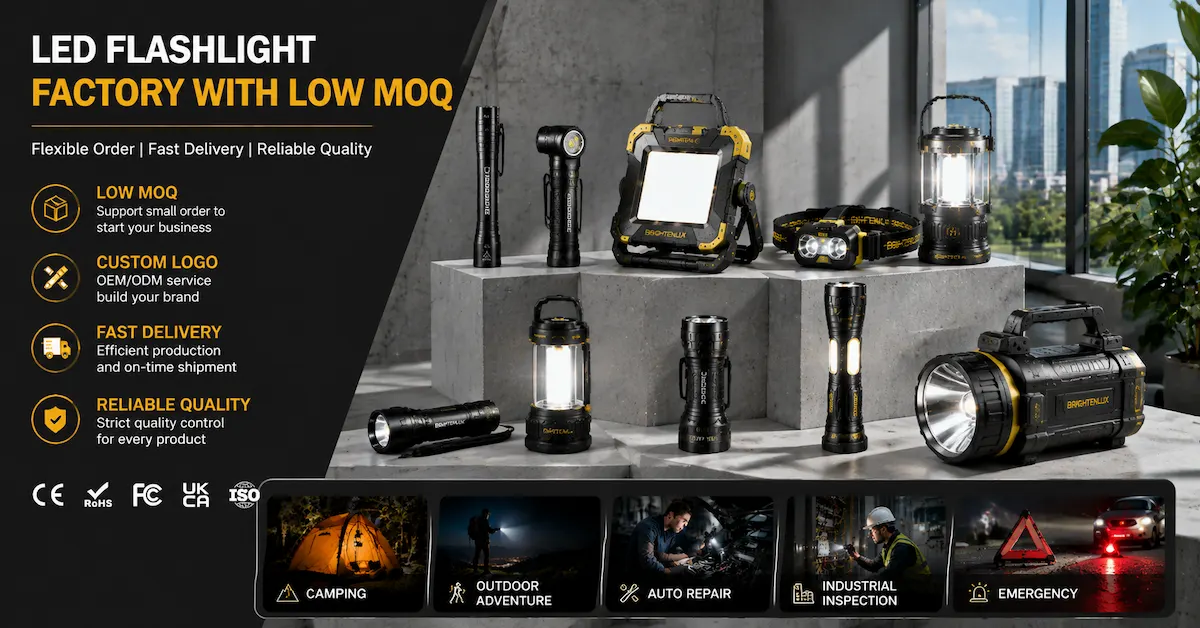
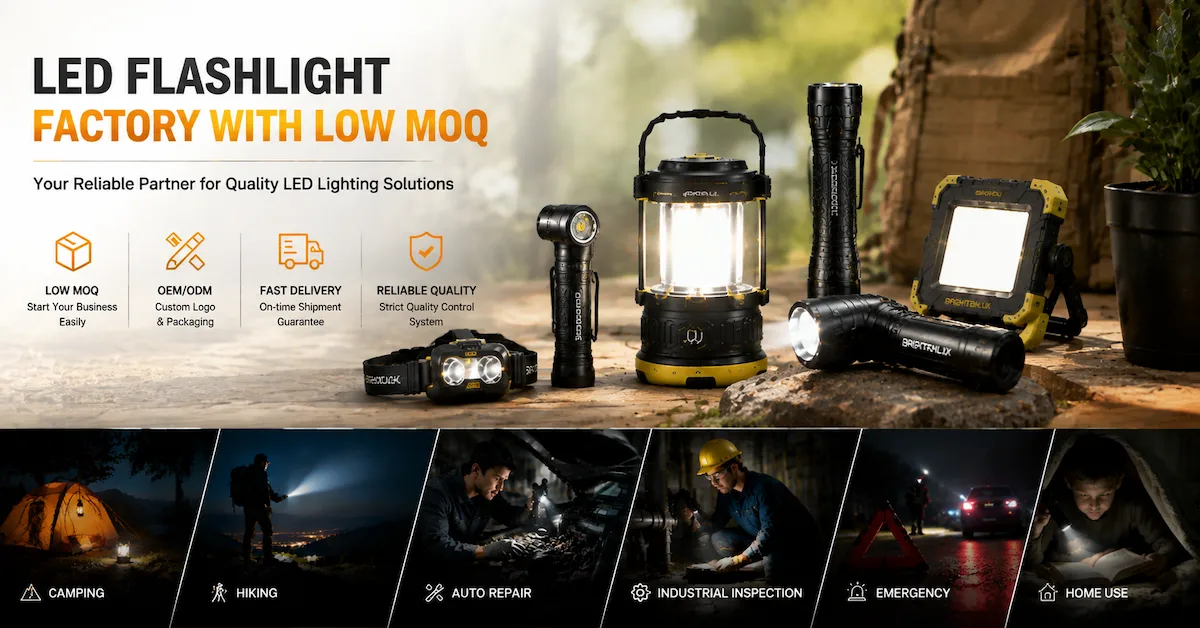
The product here is built around a cylindrical body, a frosted translucent diffuser, darker top and bottom caps, and a metal hanging handle. That shape suggests broad area lighting instead of a tight beam, which is usually what campers need around tents, tables, and shared spaces. It is a reminder that the best product is often the one that feels natural to use when the light is fading and everyone is tired.
What this lantern is trying to solve
This lantern appears designed to make outdoor lighting simpler and more versatile. The diffuser suggests soft, even illumination rather than harsh directional output, while the hanging handle makes overhead placement easy. That matters because light from above usually works better in tents and under shelters than a lamp placed directly on the ground or table.
The image also suggests bottom-mounted ports or controls and a connected charging cable, which points to rechargeable use rather than disposable batteries. If the product includes power-bank capability, it may help reduce the number of items a user carries. That only works, though, if the charging and output behavior stay easy to understand and dependable in everyday use.
Quick takeaways for buyers and sourcing teams
Before comparing suppliers, it helps to separate visible design strengths from details that still need confirmation. The visible strengths are straightforward: soft area light, hangable form, compact cylindrical shape, and a layout suited to campsite, tent, picnic, and emergency use. Those are useful starting points for a sourcing conversation.
The unknowns matter just as much. Buyers should not assume values for lumen output, battery capacity, runtime, charging standard, weight, dimensions, or water-resistance claims unless the supplier provides them clearly. In outdoor products, those details determine whether the lantern fits real use. A product can look right and still disappoint if runtime is short or charging is inconvenient.
| What to check | Why it matters |
|---|---|
| Light spread | Helps decide whether the lantern works for tables, tents, or general area lighting. |
| Hanging setup | Shows whether overhead placement is easy and stable. |
| Charging layout | A simple port and control arrangement reduces confusion in low light. |
| Runtime and capacity data | Needed to judge whether the lantern suits practical overnight or backup use. |
| Housing durability | Important for repeated handling during camping and emergency storage. |
Design details that matter in real-world use
The frosted translucent diffuser is not just a styling choice. It turns direct light into broader area illumination, which is usually more comfortable around a campsite or picnic table. Soft light reduces glare and helps people see across shared spaces without constantly looking into a bright center spot.
The metal hanging handle is equally practical. Hanging a lantern overhead keeps it away from spilled drinks, uneven surfaces, and curious hands. It also improves usefulness in tents and under canopies. For buyers, the handle, hook, and balance of the body deserve close attention. A lantern that looks good but feels awkward to hang will frustrate users quickly.
Charging and output features should also be obvious. If the lantern is meant to recharge a phone or small device, the ports, indicators, and switch logic should be easy to understand at a glance. In low light, users do not want to decode small labels or guess which port does what.
How to evaluate a lantern before you commit
Start with the use case. Is the lantern meant for tent lighting, patio and picnic use, emergency backup, or all three? A product that covers multiple settings needs clear technical documentation, not vague claims. Then look at the structure. The cylindrical body and diffuser are suitable for general illumination, but the material stack, cap design, and handle attachment determine how well the product holds up over time.
Ask for performance data that matches the way people actually use the lantern. Runtime at different brightness settings is more useful than one headline number. The same is true for charging time and whether the lantern remains usable while charging. If the unit is promoted as backup lighting, consistency matters more than peak output. These are the details that separate a useful product from one that only looks complete.
For additional product planning, it can help to review the current range at our products and compare how different lighting styles are positioned for outdoor use.
Common buyer mistakes with rechargeable outdoor lanterns
One common mistake is buying by brightness alone. A lantern may look powerful in a catalog, but if the light is too directional or the output drops too quickly, it will not serve group camping well. For shared spaces, broad and stable illumination usually matters more than a flashy number.
Another mistake is assuming power-bank capability automatically adds value. It can be helpful, but only if it works reliably and does not weaken the lantern’s main function. If the battery is too limited, lighting and charging end up competing with each other. Buyers should also test the controls early, because outdoor lighting should be easy to use in the dark.
Finally, do not overlook the user environment. Cold hands, dirty fingers, and sometimes wet gloves are part of real outdoor use. Buttons should be simple, the hanging point should feel secure, and the diffuser should not create uncomfortable hotspots. Small usability issues are often what drive returns.
Practical advice for product teams and retailers
If you are building a range around this type of lantern, the appeal is clear. It can fit camping, emergency lighting, car travel, and general outdoor use without looking overly specialized. That versatility makes it easy to merchandise, but it also raises the expectation that the product will perform well in several contexts. Quality standards should match that expectation.
For retail presentation, focus on the use cases customers recognize immediately: tent overhead lighting, picnic-table lighting, and home backup lighting. If the lantern also supports phone charging, present that as a useful secondary benefit unless the technical details are clearly documented. When you need more detail, use contact us or send an inquiry so the specifications can be confirmed before the product is listed or sourced.
FAQ
Is this lantern better for tents or open-air use?
It can work well in both settings, but the diffuser-and-handle format is especially useful in tents, under canopy shelters, and around tables where overhead light is preferred. In open air, it mainly works as local area lighting, so hanging placement becomes more important than beam throw.
Should power-bank function be a priority?
Only if your customers actually need to charge devices outdoors. It is a useful feature when it is dependable, but it should never weaken the lantern’s core lighting function or make the unit harder to operate. If charging is only occasional, keep it secondary.
What details should a buyer confirm first?
Start with charging standard, runtime, battery capacity, output behavior, and housing durability. Those are the core details that determine whether the lantern fits tents, picnic use, or emergency backup. If any of them are unclear, ask the supplier before moving forward. Guessing is risky in outdoor lighting.
How should retailers present this product?
Focus on simple scenarios customers recognize immediately: tent overhead lighting, picnic-table lighting, and backup illumination at home. If the product also supports phone charging, present that as a useful extra rather than the main promise unless the technical details are clearly documented. Clear positioning helps reduce returns.