

Brightenlux LED Headlamp Supplier for Camping: What Buyers Should Check
If you source an LED headlamp supplier for camping, you are not buying a simple flashlight replacement. You are buying a hands-free outdoor tool that must work on uneven ground, in cold conditions, and often after a long day when users do not want to fight a weak switch or a loose strap. That is why buyers look beyond the product photo and ask how the beam behaves, how the housing holds up, and whether quality stays consistent from run to run.
Camping headlamps sit at the intersection of electronics, ergonomics, and field durability. A weak strap annoys the user. A poor beam makes the product feel cheap. A fragile body turns into returns. The right supplier should be able to explain the lamp as a complete system, not just a light source. For current product options, see Brightenlux products.
What a camping headlamp must do in the field
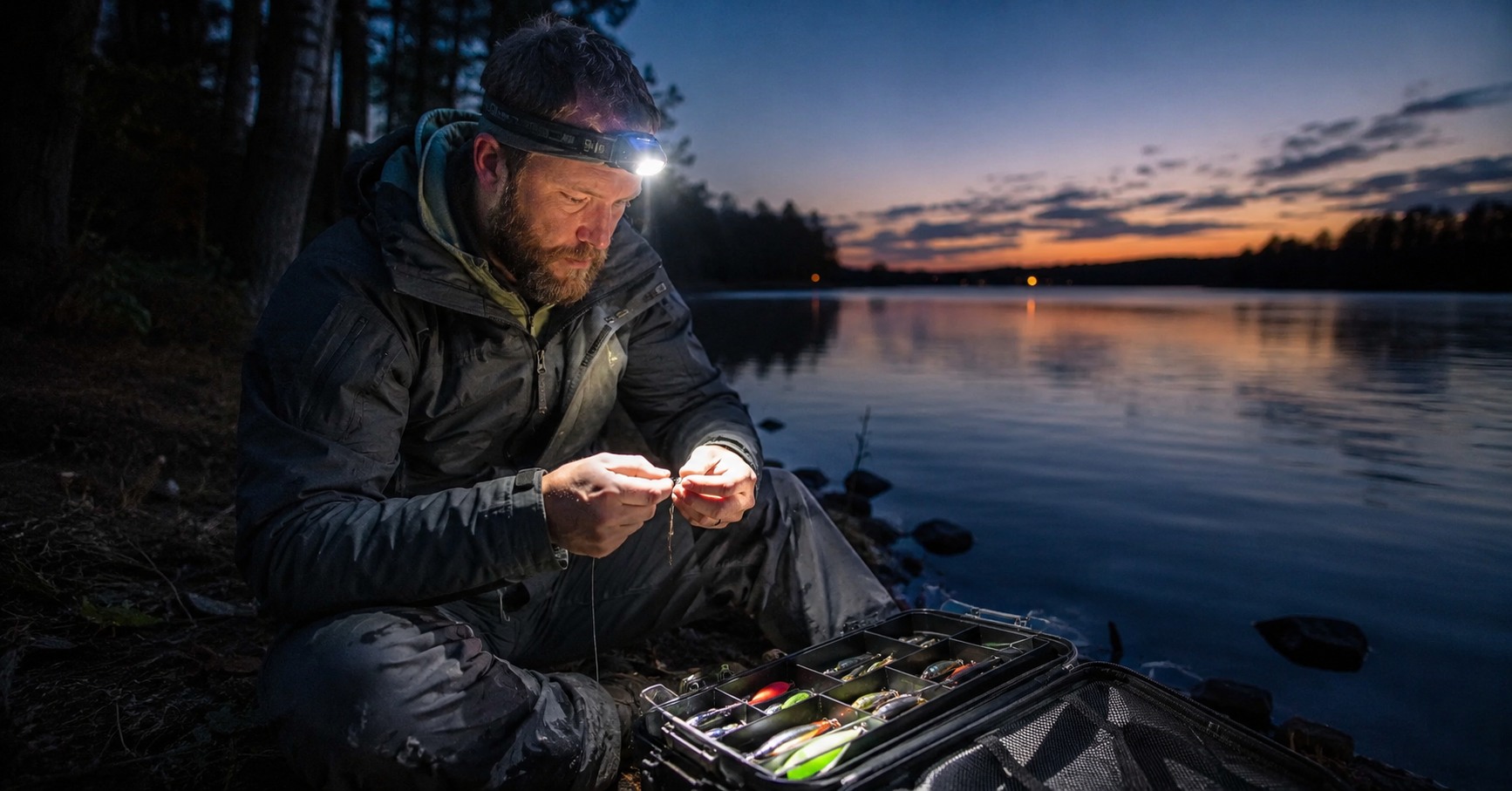
A camping headlamp has a simple job: provide hands-free illumination for night hiking, trail walking, camping tasks, and navigation in dark conditions. In practice, that means the light should point where the wearer looks and help them see the ground, a tent zipper, a stove, or a map without holding a separate lamp. The visible product also suggests a practical outdoor form, with a dark low-gloss body and an adjustable elastic strap.
Buyers should treat the product as a field tool, not a shelf accessory. The headlamp needs to stay secure, feel comfortable, and keep working when the pack gets rough or the weather is less than tidy. The exact material of the housing is not confirmed in the source, so that point should be verified directly with the supplier rather than assumed from the image.
What to verify in beam, strap, and housing
The most useful supplier checks are the ones that reflect real use. Start with the beam. The source points to a focused white beam aimed forward and downward, which is appropriate for trail visibility and close camp tasks. Ask whether the beam is intended mainly for hiking, for camp chores, or for a balance of both. That answer tells you how the lamp should be positioned in your line.
Then move to the strap and housing. A camping headlamp that bounces, slips, or feels flimsy may frustrate users even if the electronics are fine. Ask how the strap adjusts, whether it is meant to work over a bare head or a cap, and what the supplier can confirm about the body material and assembly. If the supplier cannot explain these parts clearly, the product is not ready for serious evaluation.
A compact buyer checklist for supplier comparison
A short checklist is more useful than a long feature sheet when you are comparing outdoor lighting suppliers. Focus on the points that affect comfort, reliability, and return risk. The table below keeps the review practical and easy to use during sample evaluation.
| Area | What to ask | Why it matters |
|---|---|---|
| Beam behavior | Is it focused for trail use, camp tasks, or both? | Helps match the lamp to the intended outdoor use |
| Strap fit | How does it adjust, and how stable is it in motion? | Comfort and retention shape user trust |
| Housing | What material is used, and what can be documented? | Construction quality affects durability and returns |
| Power design | What battery setup does the lamp use? | Power structure changes user convenience and support needs |
If the supplier can answer these questions with clear product details, you are much closer to a useful sample decision. If the answers stay vague, the risk is usually visible later in production, not earlier.
Power system and battery access need clear answers
The source describes the lamp as battery-powered, but it does not confirm the battery type, charging method, or internal construction. That is a major gap in any buyer review. Power design affects how the product is used, replaced, stored, and supported after sale. It also affects logistics and the kind of user expectations the product creates in the market.
Ask the supplier to explain how the battery module is built and how access works. If the system is simple and clear, the product may fit casual camping use. If the structure is hard to explain, the buyer should pause before making assumptions about field performance. A good supplier should be able to discuss power design without guessing. If you need help reviewing a specific model, use the contact form to start a conversation.
How to match the product to the right outdoor user
A headlamp for hiking and camping is not the same as a rescue light or a work lamp. Camping buyers care about a beam that helps with trail navigation and close-range tasks such as cooking, packing, and setting up camp. Hiking buyers care about direction and stability. Emergency buyers care about dependable hands-free illumination. The same product may serve all three groups, but the positioning should be clear.
That is why buyer teams should define the user first. Casual campers usually want easy operation and comfort. Hikers want a stable fit and a useful beam angle. Emergency-focused buyers may prioritize simplicity and reliability over a premium look. If the brief tries to satisfy everyone at once, the final product can become generic and lose its edge in the outdoor market.
Common mistakes buyers make when sourcing camping headlamps
The first mistake is buying on brightness alone. In this category, perceived quality often comes from how the lamp behaves on the head, not from one headline feature. The second mistake is assuming all headlamps are interchangeable. A lamp made for running may not suit camping because the beam, comfort profile, or strap design may serve a different use pattern.
The third mistake is accepting vague claims about durability without supporting detail. Words like “durable” and “premium” do not replace construction information. The fourth mistake is ignoring the end environment. Camping means dirt, cold mornings, damp gear, and packed storage. A product that looks fine on a table can still disappoint outdoors if the switch, battery area, or strap hardware is too delicate.
Sampling, instructions, and your next step
Before placing a larger order, ask for samples and review the product in the same conditions your customers will face: dark walkways, uneven ground, tent setup, and short task lighting. That is where the real product story appears. Also check packaging and instructions. Outdoor users often need clear guidance on how the lamp should be worn, adjusted, and powered.
It also helps to ask what parts are assembled in-house and what comes from outside vendors. Ask how the beam is verified during production. Ask whether the head strap is replaceable or integrated. Ask what packaging format is available for retail and bulk channels. You can review current options at Brightenlux products and then submit a specific request through the inquiry page.
FAQ
Is a brighter headlamp always better for camping?
Not necessarily. Brightness helps with trail visibility, but it does not solve comfort, beam control, or fit. A camping headlamp should support both movement and close-up tasks. Buyers should judge the full user experience, not only a single number or visual impression from a product page.
Should I prioritize a lightweight design?
Yes, but only if the lamp remains stable and durable. A lightweight camping headlamp can improve comfort during longer use, yet it should not feel fragile or difficult to secure. The best choice balances wearability with the kind of housing and strap performance outdoor users expect.
What makes a camping headlamp different from a general headlamp?
The camping version is usually judged more on comfort, trail visibility, and hands-free task lighting. It should help with night walking, tent work, and simple camp chores. A general headlamp may still light up, but it may not be tuned for the practical demands of outdoor use.
What should I verify first with a new supplier?
Start with beam behavior, strap fit, housing construction, and power design. Those are the areas where quality differences usually appear first. If the supplier can explain those points clearly and consistently, you have a much better basis for sampling and further evaluation.