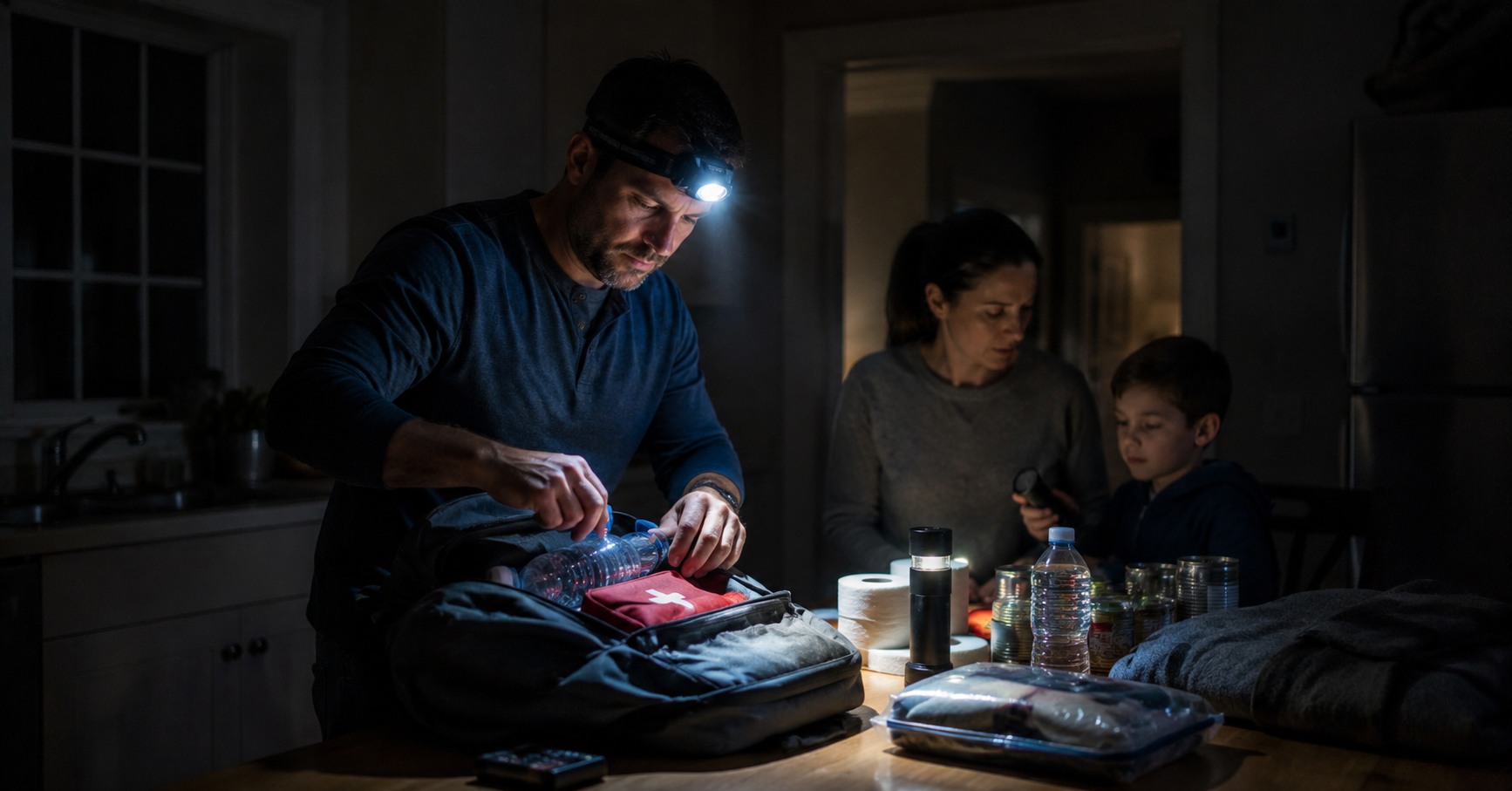


LED Headlamp Manufacturer: What Buyers Should Check Before Sourcing
Choosing an LED headlamp manufacturer is not only about selecting a bright lamp. B2B buyers are sourcing a product that must feel reliable in real use, fit the target channel, and remain consistent across repeat orders. The right partner should understand beam behavior, housings, batteries, headbands, packaging, and customization limits. Whether the end user is on a mountain trail, at a worksite, or preparing an emergency kit, the sourcing decision should begin with use case, not brochure language.

Why Buyers Evaluate the Manufacturer Before the Headlamp
Many sourcing problems begin when buyers compare headlamps only by appearance or lumen claims. A product may look strong in a catalog but still create glare, feel unbalanced on the head, become awkward under a hard hat, or fail to match the customer’s usage environment. For professional buyers, the real question is not simply which lamp is brightest. It is whether the supplier can deliver a dependable product that fits the intended application and sales channel.
This is especially important for outdoor and field-use products. On steep trails, dark worksites, or uneven ground, a headlamp supports movement and safety. Buyers should treat it like any other technical item: by checking design fit, supplier discipline, and repeatability before committing to volume sourcing.
Define the End-Use Problem First
Headlamp orders usually fall into several sourcing categories. Some buyers need an entry-level item for retail shelves where price pressure is high. Others need a rugged option for outdoor users, emergency kits, or industrial programs. A third group may want a private-label headlamp with a specific housing style, battery arrangement, beam pattern, logo, colorway, or packaging approach.
In each case, the supplier must make a compact lighting product feel simple to the user while managing several technical elements inside. LEDs, drivers, optics, batteries, switches, seals, housings, and headbands must work together. If one part is weak, the user notices quickly. That is why choosing a true LED headlamp supplier matters. A capable supplier can often support configuration, documentation, packaging, and production control, while a reseller may only move existing stock.
Shortlist Checklist for Headlamp Sourcing
When comparing suppliers, begin with function before cosmetics. A polished sample is useful, but it does not prove production consistency or field suitability. Buyers should inspect how the beam behaves, how the lamp wears, how the battery system fits the use case, and how the housing is built. Outdoor users may need comfort and beam balance for movement, while industrial users may care more about durability and easy operation with gloves.
The checklist below keeps early supplier discussions focused and practical:
| Area | What to Check |
|---|---|
| Beam | Focused, flood, or mixed pattern; glare control; close-work usefulness |
| Power | Replaceable or rechargeable batteries based on field or controlled use |
| Comfort | Strap design, weight balance, adjustment hardware, helmet fit |
| Protection | Housing seal, switch protection, battery compartment design |
| Channel fit | Retail presentation, bulk packing, labels, inserts, and private-label needs |
For available lighting categories, buyers can also review Brightenlux products before preparing a specification request.
What a Capable LED Headlamp Factory Should Support
A serious LED headlamp factory should support more than basic assembly. Buyers should expect clear answers about materials, component sourcing, production control, customization paths, and the way quality risks are managed. This does not mean every supplier needs an oversized laboratory. It does mean the team should understand how the product is built and where performance can drift between samples and mass production.
Useful discussion points include housing material and surface finish, headband construction, lens and reflector options, switch design, battery compartment layout, charging method if applicable, and packaging choices. Buyers should also ask whether logos, colorways, or other private-label details can be adapted without turning every order into a new engineering project. If answers remain vague, sourcing risk increases.
Selection Criteria That Matter More Than Brochure Claims
Catalog descriptions are easy to polish, so buyers should look for practical evidence of control. First, ask how the supplier keeps output consistent across production runs. Variation in beam color, switch feel, strap tension, battery behavior, or charging behavior can create complaints after launch. Samples are useful, but they do not tell the full story unless they connect to repeatable production.
Second, ask how component changes are managed. Compact products can be affected by small substitutions in LEDs, batteries, driver boards, or mechanical parts. Third, review assembly discipline. Misaligned lenses, poorly seated gaskets, loose battery doors, and weak solder joints are avoidable problems. Finally, match the product to the actual user. A climber, warehouse worker, night technician, and trail runner may not need the same headlamp design.
Common Mistakes in LED Headlamp Sourcing
The first mistake is treating headlamps as interchangeable commodities. Users quickly notice differences in comfort, beam usefulness, switch behavior, and durability. The second mistake is over-specifying features that sound impressive but do not improve real use. Extra modes, for example, may frustrate users if they make operation slower or confusing in the dark.
A third mistake is ignoring packaging and channel requirements. A retail-ready headlamp needs clear presentation and straightforward claims. A B2B program may need bulk packing, barcode labeling, or insert sheets tailored to the customer. Buyers should also avoid accepting vague phrases such as “water resistant,” “heavy duty,” or “outdoor grade” without clarification. Ask what the supplier means, how the design supports that intent, and how the claim is checked.
Practical Questions Before Placing an Order
Better sourcing results usually come from direct operational questions. Can the supplier explain the product structure clearly? Which customization options are truly supported, not just advertised? How is repeat use, storage, and transport considered? What happens if a batch issue appears after delivery? Can the packaging and labeling match the target channel?
These questions help separate process-aware suppliers from vague sellers. A credible partner should be able to discuss product configuration, documentation, and production control without relying only on sales language. Buyers comparing headlamp models for a new program can share requirements through the Brightenlux inquiry page. Teams that need supplier communication before defining a final specification may also use Brightenlux contact to start a sourcing discussion.
FAQ for LED Headlamp Buyers
Is the lowest-priced LED headlamp usually the best sourcing choice?
No. A lower unit price can hide tradeoffs in comfort, battery behavior, assembly quality, or durability. For B2B buyers, returns, complaints, and channel disruption can cost more than the initial savings. Price matters, but it should be compared together with use case fit and supplier consistency.
Should buyers prioritize lumens when comparing headlamps?
Lumens should be treated as one input, not the whole decision. Beam pattern, glare control, runtime expectations, wearability, and reliability all influence user satisfaction. A headlamp that looks bright on paper may still be unsuitable if the beam is uncomfortable or the product does not fit the application.
When is customization worth considering?
Customization is useful when it supports a real channel or user need, such as private-label presentation, a preferred housing style, colorway, beam pattern, or packaging format. Buyers should avoid customization for decoration alone. The best changes make the product easier to sell, use, or manage in production.
How can sourcing teams reduce supplier risk?
Ask for clear details about product structure, component control, sample consistency, packaging options, and revision management. Compare the supplier’s answers with the intended use environment. A capable LED headlamp manufacturer should explain how the product is built and how repeat orders stay aligned with approved samples.