

LED Headlamp Manufacturer Guide for Better B2B Sourcing
Choosing the right LED headlamp manufacturer is not only about finding a light that turns on. For outdoor brands, distributors, and industrial buyers, the real goal is sourcing a compact, comfortable, hands-free lighting product that fits the user’s environment. A headlamp may look simple, but its performance depends on beam behavior, strap retention, housing quality, assembly consistency, and environmental resistance. This guide explains how sourcing teams can evaluate LED headlamps more effectively before placing an order.
Why the Right LED Headlamp Manufacturer Matters
Headlamps are used when users need both hands free and the light aligned with their line of sight. That makes them practical for mountain hiking, camping, climbing, night walking, maintenance work, field inspection, and similar tasks. However, a sample that looks acceptable in a catalog can disappoint quickly if the strap slips, the housing feels weak, or the beam is uncomfortable in actual use.
For B2B buyers, these details affect returns, repeat sales, and brand trust. The difference between a dependable product and a problematic one often begins before shipment, during design, assembly, and sample evaluation. A capable LED headlamp manufacturer should be able to explain how the lamp body, strap, beam, switch, and adjustment system support the intended use case.
What the Basic Headlamp Structure Reveals
The product format described in the source is a common and practical design: a front-mounted lamp module centered on the forehead, combined with a stretch elastic headband. This architecture is widely used because it keeps illumination close to where the user is looking while remaining compact enough for outdoor and work applications.
In production terms, this type of headlamp typically relies on a molded front housing, internal electronics, a forward-facing LED source, and a woven elastic strap. Molded plastic is common because it helps keep the unit lightweight and efficient to manufacture. The strap is more than an accessory; it determines whether the headlamp stays stable during movement. Buyers can explore related lighting categories at Brightenlux products when comparing form factors and sourcing options.
Match the Headlamp to the Real Use Case
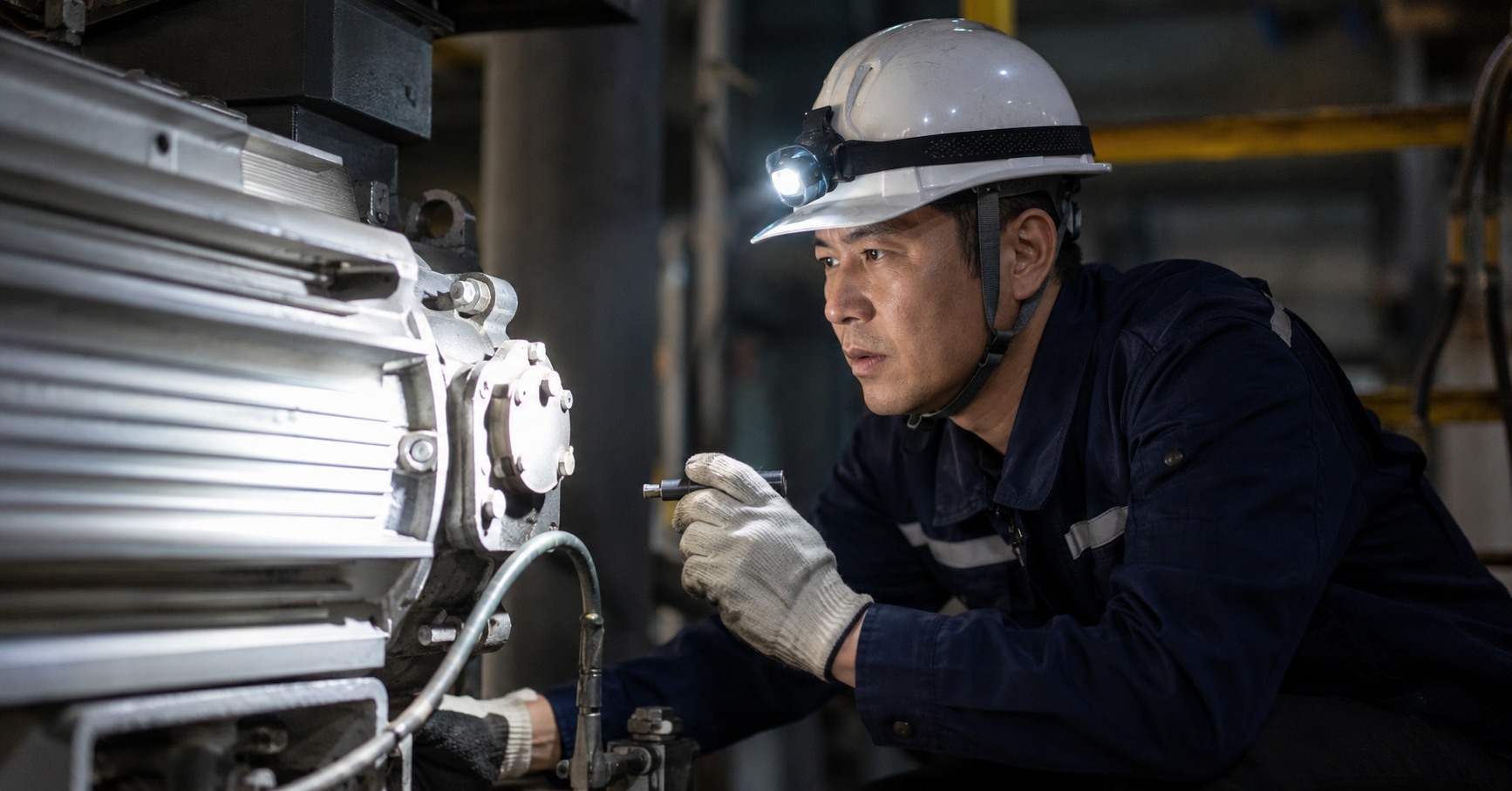
A sourcing decision should begin with the user’s environment. Hiking and camping buyers may value a focused white beam with enough spill to recognize terrain. Climbing and night walking require stability because the user is moving while relying on the lamp. Industrial users may care more about secure fit, repeated switch operation, and performance during equipment checks or inspections.
This is why buyers should avoid treating all headlamps as interchangeable. A waterproof LED headlamp for outdoor retail has different priorities from an industrial LED headlamp used in maintenance or warehouse tasks. The same basic platform may serve more than one market, but straps, seals, beam behavior, and switch design may need closer review depending on the application. A product that is comfortable for recreation may still require adjustments for tougher work conditions.
Key Product Details Buyers Should Compare
When evaluating samples, do not rely only on a single specification or a product photo. A headlamp is a wearable lighting tool, so comfort and stability matter as much as visible brightness. The beam should help the task without creating an awkward tunnel effect, and the housing should feel solid rather than brittle or flimsy.
| Area to Check | What Buyers Should Look For |
|---|---|
| Beam behavior | Useful illumination at arm’s length, walking distance, and short-range inspection. |
| Strap comfort | Elasticity, stitching, attachment strength, and pressure distribution on the forehead. |
| Housing quality | Stable molded body, controlled seams, good fit, and limited flex in hand. |
| Adjustment | Easy setting, secure retention, and no drifting during movement. |
| Environmental resistance | Clear explanation of sealing approach for moisture, dust, and outdoor handling. |
This type of checklist keeps sourcing conversations practical. It also helps buyers compare samples in the same way end users will judge them.
How Manufacturing Choices Affect Quality
A typical production workflow starts with the housing and lens or cover, followed by LED module installation, switch assembly, wiring or board placement, and final integration with the strap and power components. In a compact headlamp, the manufacturer must fit these parts into a small front module without making the product bulky or poorly balanced.
Material selection directly influences user experience. A molded plastic housing can be appropriate when it is designed and assembled well. A woven elastic strap can offer comfort and flexibility, but stitch quality, buckle design, and attachment points affect long-term satisfaction. For an adjustable LED headlamp, buyers should test the adjustment mechanism early. Small changes in band width or hardware can make the difference between a stable product and one that slips during active use.
Common Sourcing Mistakes to Avoid
The first mistake is buying on appearance alone. A neat front module and dark headband can look professional in photos, but the internal construction, switch feel, beam usefulness, and strap retention may tell a different story. Samples should be worn, adjusted, switched repeatedly, and checked after handling.
The second mistake is overfocusing on one feature, such as brightness, while ignoring comfort or sealing. A headlamp that feels annoying on the forehead is likely to end up in a bag rather than on the user’s head. The third mistake is assuming outdoor and industrial use are the same. They overlap, but work-focused applications may need more attention to contamination, vibration, repeated operation, and secure mounting. For program-specific discussions, buyers can contact Brightenlux through contact us.
Supplier Questions That Improve Sourcing Decisions
Good sourcing questions are specific. Start by telling the manufacturer whether the product is intended for hiking, camping, climbing, emergency use, retail resale, or industrial tasks. Then ask how the lamp is assembled, what housing material is used, how the strap attaches, and how the adjustment point is designed to stay in place.
If your market expects outdoor performance, ask how the supplier supports positioning as a waterproof LED headlamp and what that means in practical use. If the target is industrial, ask whether the platform can be adapted with stronger retention, different beam behavior, or more durable handling features. Request samples that reflect actual pack-out rather than only display pieces. A product may look different after transport, repeated fitting, and several days of handling. To start a sourcing request, use the Brightenlux inquiry page.
FAQ for Buyers Comparing LED Headlamp Suppliers
What is the most important feature in a headlamp?
The most important feature is balance. A good headlamp needs useful beam behavior, comfortable wear, and secure retention during movement. Brightness alone is not enough if the strap slips, the light points poorly, or the housing feels unreliable during real outdoor or work use.
Are molded plastic housings a weakness?
Not necessarily. Molded plastic is common in headlamp manufacturing because it helps keep the unit lightweight and practical to produce. The key is not the material alone, but how well the housing is designed, assembled, fitted, and controlled at seams and attachment points.
Should buyers prioritize a waterproof LED headlamp?
If the product will be used outdoors or in changing weather, waterproof positioning is often a sensible sourcing direction. Buyers should still ask the supplier to explain the sealing approach and intended environmental resistance instead of relying only on broad marketing language or assumptions from the product appearance.
Can one headlamp platform serve retail and industrial markets?
Sometimes one platform can support both, but buyers should verify the details. Retail users may focus on comfort, packability, and appearance, while industrial users may need stronger retention, durable switches, and better resistance to handling. Minor design changes may be needed for each market.