

Camping Lantern Manufacturer: How to Choose the Right Supplier
Choosing a camping lantern manufacturer is not only about finding a product that works after dark. For B2B buyers, the real task is to identify a supplier that understands outdoor use, emergency lighting, workshop tasks, transport stress, and consistent production. A lantern may be marketed for camping, but it often ends up in garages, roadside kits, maintenance carts, outage supplies, and general repair settings. This guide explains how to evaluate product design, factory capability, and sourcing risk before moving from sample review to a larger purchasing decision.
Why the Manufacturer Matters to B2B Buyers
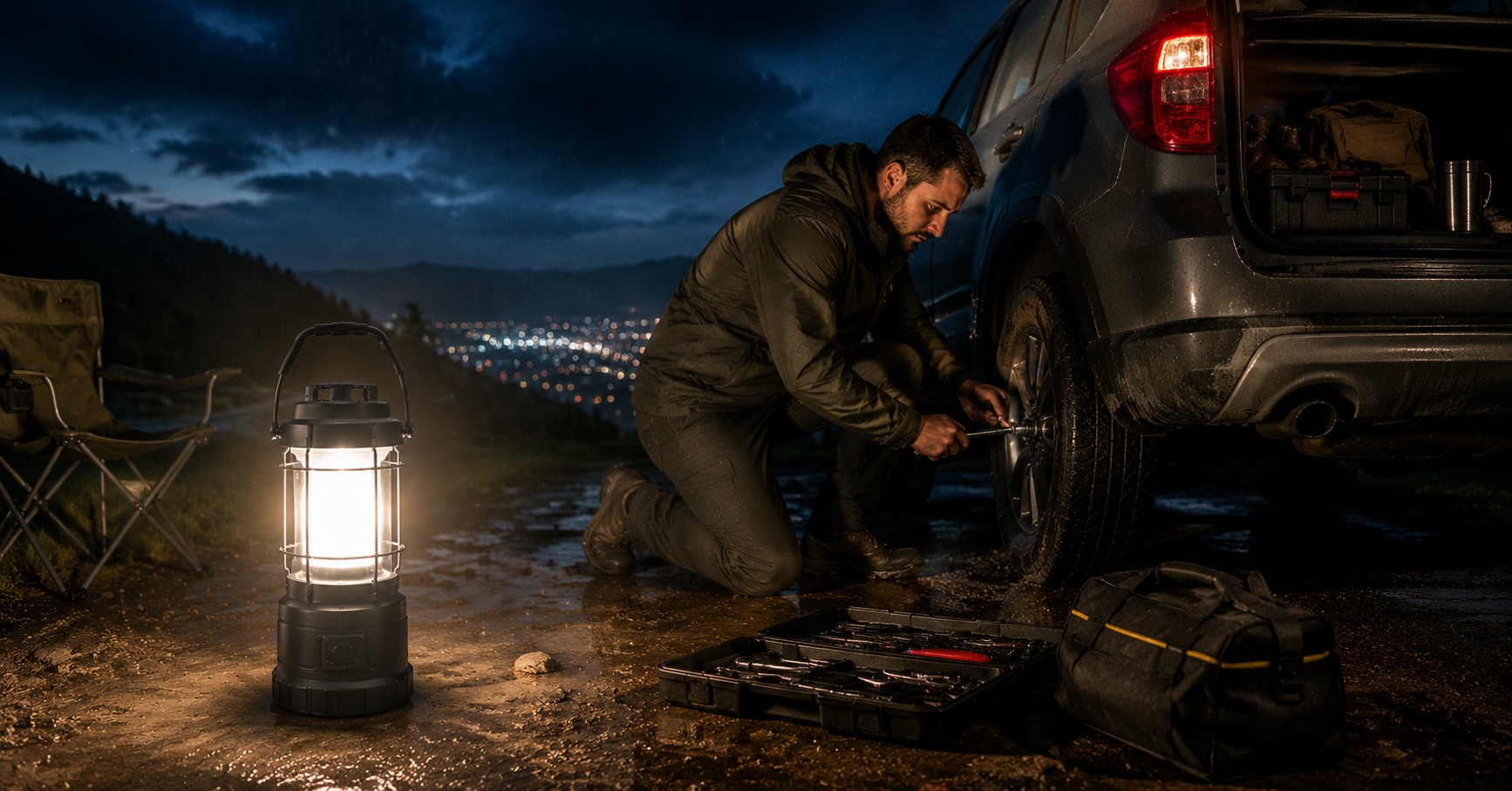
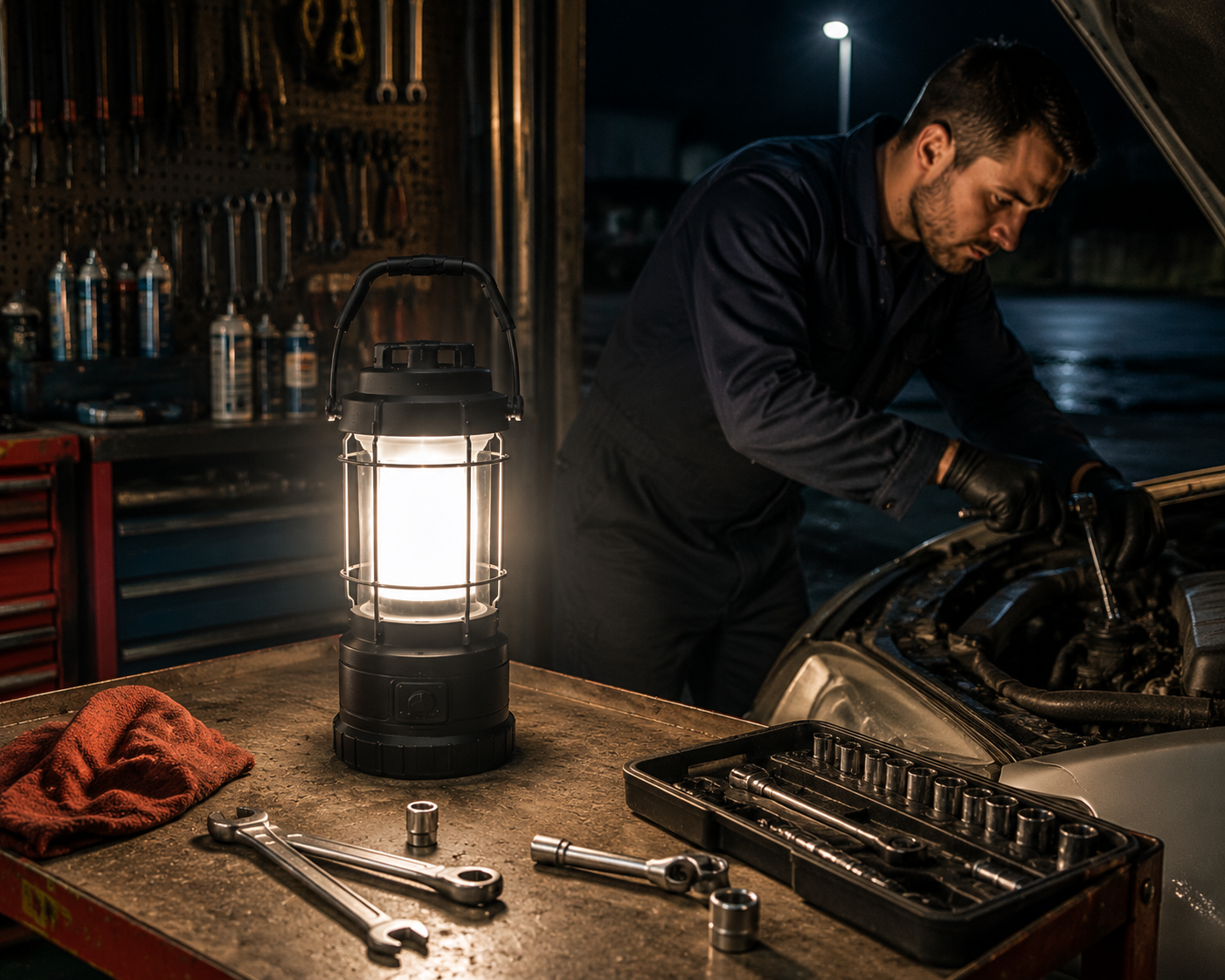
A camping lantern looks simple, but buyers know that portable lighting is judged in demanding moments. On paper, teams compare form factor, portability, guard design, and visible features. In real use, end users care about whether the lantern stands securely, carries comfortably, survives normal handling, and spreads light in a practical way. The visible product profile shows a cylindrical body, central diffused light tube, protective wire cage, top carry loop, and broad standable base. That combination points to a practical work-light style lantern rather than a decorative outdoor lamp. For many sourcing teams, this makes the supplier choice more important. A capable manufacturer should understand how small details such as cage alignment, base stability, handle strength, and diffuser placement affect returns, complaints, and repeat orders.
Reading the Product Form and Likely Use Cases
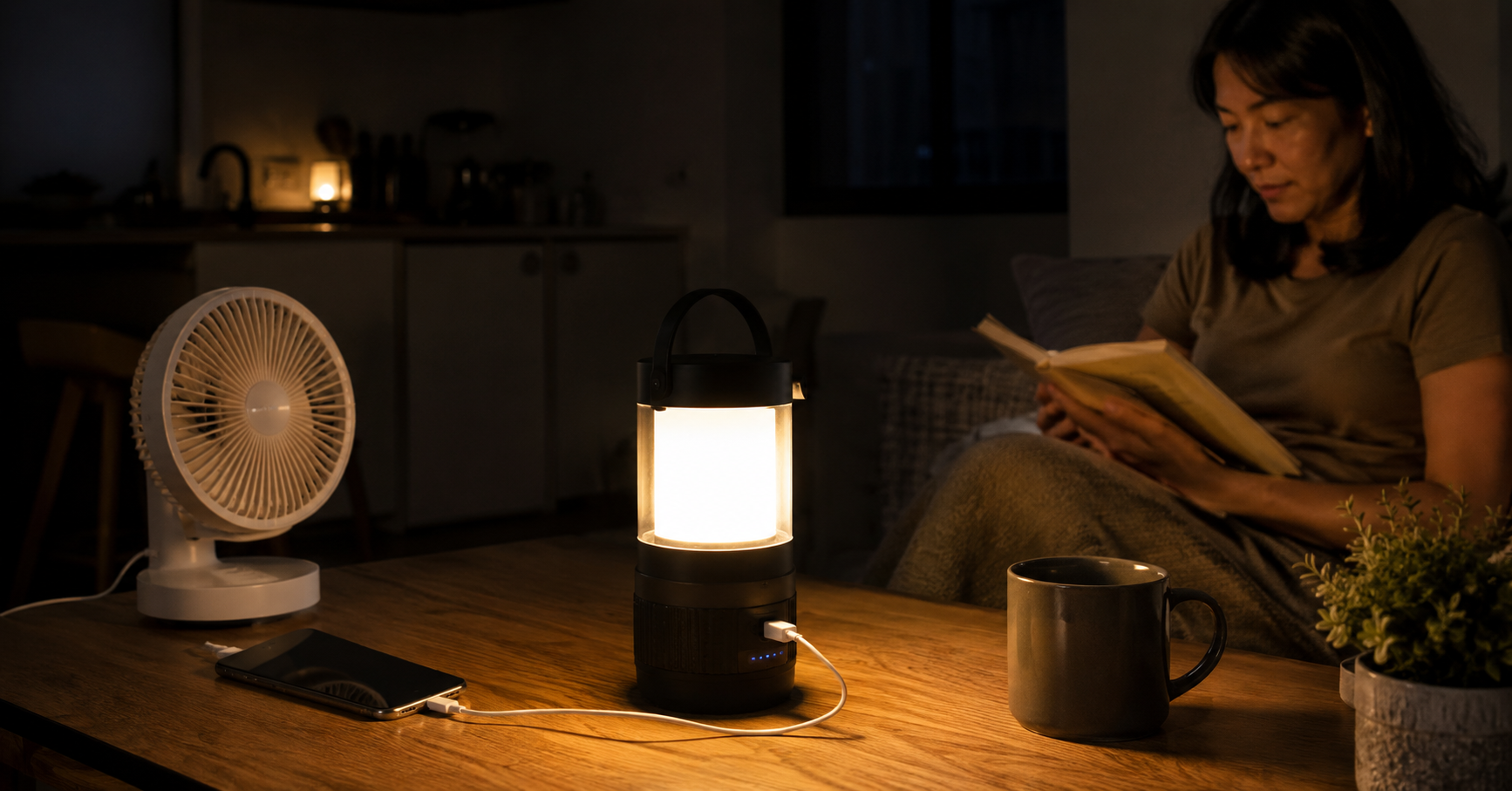
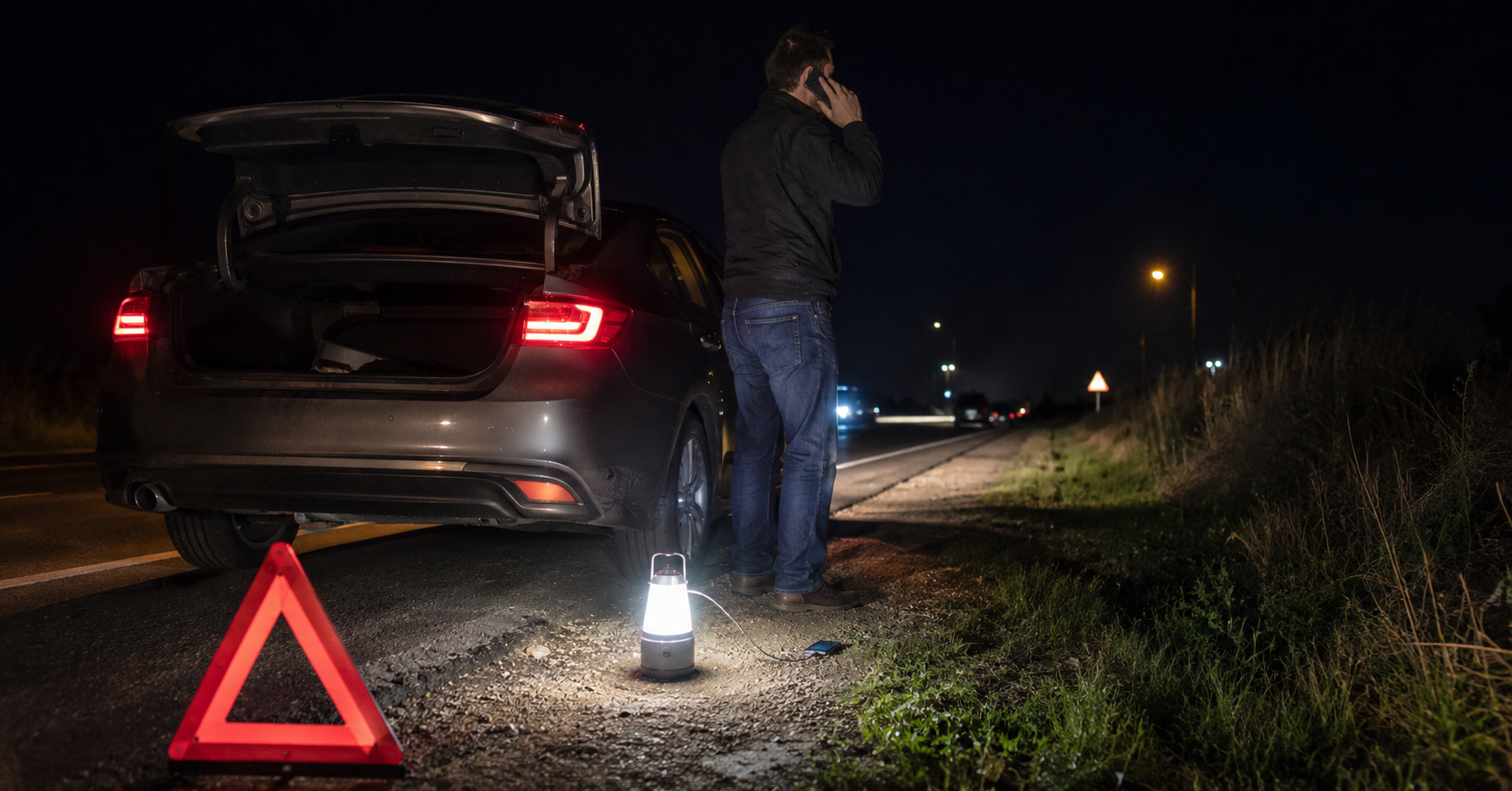
The product form gives useful clues before a specification sheet is complete. A broad base and enclosed light source suggest a lantern intended to sit on a surface and provide local illumination in more than one direction. In a garage, this helps when both hands are needed for repairs. On the roadside, it can mark a working area without requiring the user to hold a flashlight. In an emergency kit, it functions as a stable light source during power outages. The protective cage is also meaningful. It helps reduce accidental contact with the light module and offers some defense against bumps during transport. The central diffuser softens the output for nearby work, which is often more useful than a narrow beam when reading labels, checking fasteners, or working around equipment.
How to Evaluate a Camping Lantern Factory
When screening a camping lantern factory, the key question is not simply whether it can make lanterns. The better question is whether it can make the same lantern consistently. Portable lighting products can involve more assembly control than buyers expect. Housing parts need to fit cleanly. The cage must be formed and mounted without distortion. Switch areas need reliable alignment. The light module and diffuser must sit securely inside the body. A suitable factory should be able to explain its practical process, including housing preparation, wire component forming, light module assembly, and final fit checks. Buyers do not need a technical lecture on every machine, but they do need confidence that repeated production will not create loose parts, crooked cages, unstable bases, or inconsistent appearance.
Material clarity is equally important. The visible unit appears to use a dark matte housing, likely plastic or coated metal, with a painted or powder-coated cage and a translucent diffuser. Those choices are sensible for this type of lantern, but they still need confirmation before channel approval. Ask the supplier to confirm the bill of materials, finish method, and assembly structure. If your team is comparing multiple lighting categories, you can review related options through the Brightenlux products page before narrowing the platform.
Key Supplier Selection Criteria
Surface appearance can distract buyers from the details that decide field performance. A stronger evaluation method is to compare suppliers by stability, guarding, material explanation, assembly control, and application fit. Stability should come first because a freestanding lantern loses credibility if it rocks on a bench or tips easily on a rough table. Guard quality comes next. The cage should look intentional, protect the lamp area, and hold its shape after packaging and transport. The handle should feel practical for repeated carry cycles, not just acceptable in a product photo. Buyers should also ask how switch placement, internal wiring, and final assembly inspection are controlled. Small inconsistencies often trace back to weak process control rather than one defective component batch.
| Buyer Check | What to Confirm |
|---|---|
| Base stability | Sits flat and feels suitable for standing use |
| Cage quality | Aligned, secure, and not only decorative |
| Material details | Housing, cage finish, and diffuser are clearly stated |
| Assembly control | Switch area, diffuser, and internal parts are consistently fitted |
| Channel fit | Design and packaging match camping, emergency, or work-light use |
Common Mistakes When Sourcing Portable Lanterns
One frequent mistake is treating all lanterns as interchangeable. A tent light, a maintenance lantern, and an emergency work light may share a category name, but they are judged by different users. A buyer who overlooks this can select a product that looks acceptable but misses the real application. Another mistake is overfocusing on brightness claims without asking how the light is distributed. A harsh concentrated beam is not always useful in a garage or emergency setting. A softer, wider spread can be more practical when the lantern sits close to the task. Durability claims also require caution. Without confirmed ingress protection, drop data, runtime information, or similar verified specifications, buyers should keep discussions grounded in visible construction and stated supplier documentation.
Packaging is another area that is easy to underspec. A lantern with a cage and top handle can be vulnerable to abrasion or deformation during shipment if the carton and internal support are weak. That detail may look minor during quotation, but it can affect customer experience and brand perception. If you need to clarify packaging, samples, or project suitability, use the contact page to start a direct discussion.
Questions to Ask Before a Trial Order
Before moving from sample review to pilot production, ask the supplier to clarify the power source, charging method, runtime, dimensions, and any performance claims that are not visible from the product itself. These points shape the user experience and should not be guessed. Also request confirmation of housing material, cage finish, diffuser material, and internal assembly method. If the product is intended for a professional or semi-professional channel, ask how the factory checks alignment, base stability, and fit during final inspection. A lantern may look strong in a photo but still wobble, rattle, or feel poorly finished in hand.
Hands-on sample evaluation is essential. Hold the carry loop, place the lantern on different flat surfaces, inspect the switch area, and check whether the cage feels secure. Turn the unit over and assess whether the design appears suitable for repeated use rather than only a catalog image. If your program includes several portable lighting SKUs, ask whether the supplier can support related products with similar construction logic, but do not assume platform commonality unless the factory shows it clearly. To move from evaluation to a project request, buyers can submit details through the inquiry page.
FAQ for Sourcing Teams
Is this type of lantern only suitable for camping?
No. The visible design suggests camping use, but it can also suit garages, workshops, roadside assistance, maintenance carts, and emergency outage kits. The broad base, carry loop, protective cage, and diffused central light make it more like a practical working lantern than a purely decorative outdoor light.
Can performance be confirmed from the product image alone?
Not fully. An image can help buyers assess structure, portability, guard placement, and likely use case, but it cannot confirm brightness, runtime, power source, charging method, ingress protection, or verified durability. Those details should come from supplier documentation and sample testing before any purchasing commitment.
What should buyers inspect first during sample review?
Start with the physical details that affect everyday use: base stability, cage alignment, handle comfort, diffuser seating, switch integration, and overall fit. These areas reveal whether the lantern is built for repeated handling. After that, confirm technical specifications and packaging suitability with the manufacturer.
How should buyers choose between similar camping lantern suppliers?
Choose the supplier that communicates clearly, confirms materials, explains assembly control, and separates verified facts from promotional claims. A good camping lantern manufacturer should be honest about the product’s strengths, intended applications, and missing details. That clarity helps reduce sourcing risk before trial orders or volume planning.