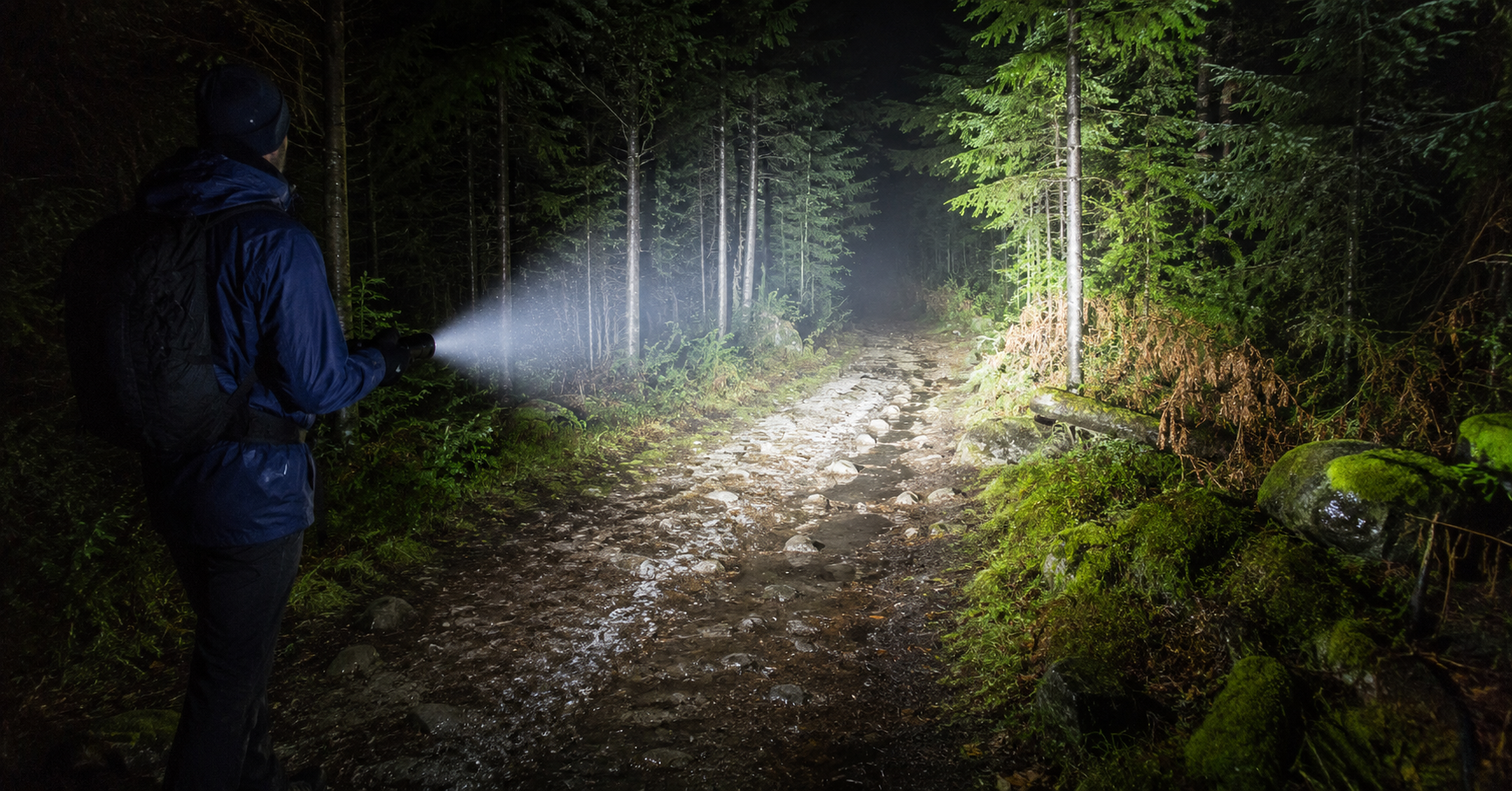


Waterproof LED Flashlight Supplier Guide for Industrial Buyers
When an industrial purchasing team searches for a waterproof LED flashlight supplier, the goal is rarely a simple office purchase. The team is usually solving a field visibility problem in wet, dirty, low-light conditions where tool failure can delay maintenance, complicate inspections, or create safety concerns. In plants, utilities, construction sites, water treatment facilities, and service work, flashlights may be used near leakage, spray, condensation, or standing water. The right supplier should help buyers match the light to the job, not just compare catalog descriptions.
Why Industrial Buyers Need More Than a Waterproof Label
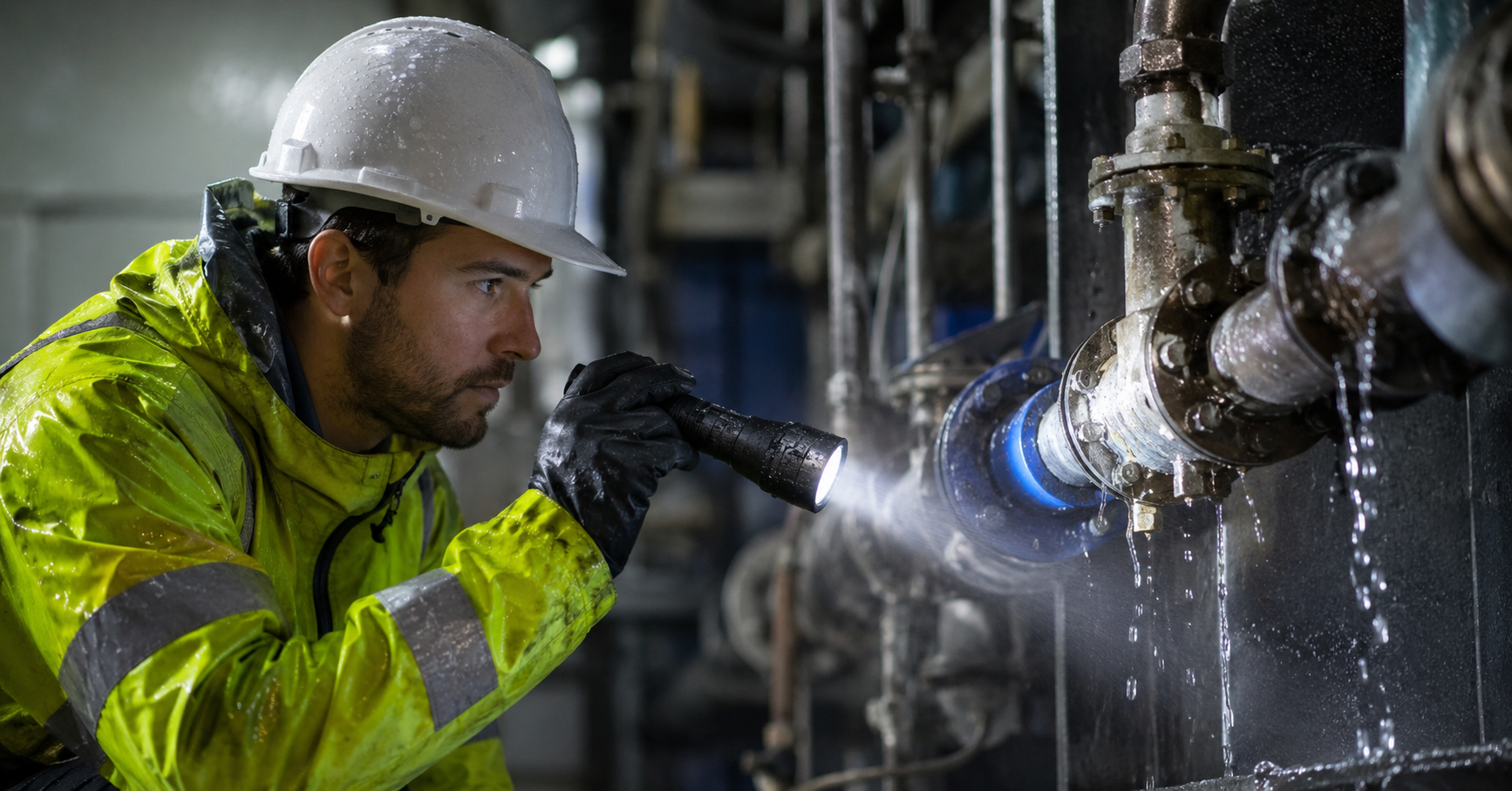
A flashlight used in a maintenance area has to do more than switch on. A technician may be checking a dripping flanged piping run, a valve station, a corroded joint, or a threaded fitting in poor light. In that setting, the tool must remain usable in wet hands, resist splashes, and produce a beam that helps the worker see seals, gasket areas, bolt patterns, and residue clearly. The word “waterproof” is often used loosely in product listings, so buyers should ask what type of wet exposure the light is intended to handle. Splash, rain, washdown, and brief submersion are different conditions. A serious supplier should be able to discuss those differences without forcing the buyer to guess.
Field Requirements That Shape the Right Flashlight
Industrial users usually care about a short list of practical traits. The flashlight should be easy to grip when gloves are wet. The switch should be simple to operate with one hand. The housing should tolerate routine contact with metal surfaces and occasional drops. The beam should be useful at close range, not only impressive in a showroom-style burst. Wet metal can reflect light sharply, so an overly narrow or harsh beam may make inspection more difficult. Battery and charging choices also matter. Rechargeable models may suit daily maintenance, while disposable batteries can be easier for backup kits or remote crews. Buyers can review available options through the Brightenlux product range before narrowing models by work environment.
Common Industrial Use Cases for Waterproof LED Flashlights
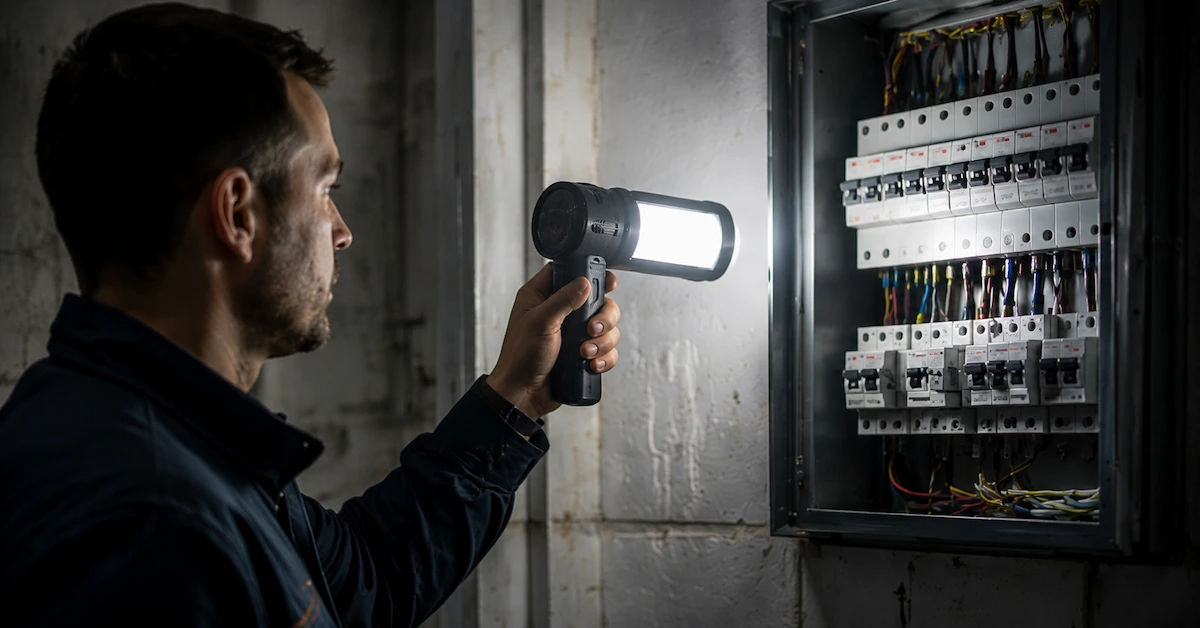
A waterproof flashlight is not only an emergency-kit item. It is often part of routine inspection and repair. A valve mechanic may trace seepage around a flange. An electrician may inspect conduit in a damp area. A utility crew may read tags inside a pit or vault. Facility staff may examine a wet pipe run after a pressure issue. In process environments, moisture, corrosion, residue, and metal piping often appear together, so the light becomes part of the diagnostic process. A delicate consumer torch is not the right reference point. Workers need a tool that can be handled with gloves and aimed steadily while they decide whether the issue is at a flange face, gasket area, threaded fitting, nearby joint, or larger assembly.
Supplier or Manufacturer: Which Relationship Fits the Program?
Buyers often compare an LED flashlight manufacturer with a distributor or sourcing partner and treat the difference as price only. A better question is control. A manufacturer may provide closer oversight of housing design, LED selection, sealing approach, and assembly consistency. A supplier may provide broader sourcing options, package customization, or simpler procurement when several departments need different models. The right relationship depends on how standardized the flashlight program is. A single plant-wide model may benefit from direct manufacturing support. A mixed program for maintenance, inspection, and emergency use may need a flexible supplier. Either way, ask who controls battery type, lens material, switch design, sealing approach, and replacement part availability, because these details affect real field uptime.
Specification Checklist Before You Place an Order
Before issuing a purchase order, sourcing teams should convert job conditions into clear questions. This prevents the common mistake of buying by brightness alone while overlooking sealing, grip, and service support. A compact checklist also helps different sites compare offers consistently, especially when maintenance teams work in different wet or outdoor conditions.
| Check Point | Why It Matters |
|---|---|
| Sealing claim | Clarifies whether the light is suitable for splash, rain, washdown, or other wet exposure. |
| Grip and switch | Supports one-hand operation with wet gloves or dirty hands. |
| Beam usefulness | Helps inspect joints, panels, and wet metal without excessive glare. |
| Battery fit | Matches daily charging habits, backup kits, or remote crew needs. |
| Spare support | Reduces disruption when clips, chargers, switches, or seals need replacement. |
If a supplier cannot explain these points in relation to your worksite, the model may not be ready for industrial standardization.
How the Work Environment Changes the Specification
The difference between a warehouse light and a maintenance light becomes obvious near a live system. A technician may crouch beside damp piping, check residue at a flange, place the flashlight on a pipe rack, then move quickly to another point on the line. The light may be held in one hand while the other hand turns a wrench, so balance and switch behavior matter as much as brightness. Active leakage adds another concern: the flashlight should support inspection without becoming another handling problem. Wet floors, corrosion, cramped access, and awkward angles can turn a routine check into a slippery task. A light that remains controllable may help workers identify whether the problem is a gasket, fitting, or assembly issue more confidently.
Comparing Supplier Offers and Avoiding Buying Mistakes
When evaluating a waterproof torch supplier, the quote sheet is only one part of the decision. A useful supplier asks practical questions: indoor or outdoor use, routine inspection or emergency response, single-department use or plant-wide standardization, rechargeable or battery-based operation, glove use or bare-handed use. This conversation usually creates a better match than a simple price chase. Common mistakes include overbuying brightness, underbuying durability, accepting a vague waterproof claim, and ignoring ergonomics because a product photo looks clean. If multiple sites are involved, consistency also matters. Teams should avoid relearning switches and charging habits every time a model changes. To discuss a sourcing requirement, buyers can contact Brightenlux or send a project request through the inquiry page.
FAQ
Is “waterproof” always enough for industrial flashlight use?
No. The term needs context because splash resistance, rain exposure, washdown, and temporary immersion are not the same working condition. Industrial buyers should ask the supplier to explain the sealing approach and match it to the real environment, especially around wet piping, outdoor maintenance, or leak-prone equipment.
Should maintenance teams choose rechargeable waterproof flashlights?
Rechargeable flashlights can be practical for daily maintenance teams, but they are not automatically best for every situation. Charging discipline, shift patterns, and storage habits matter. Backup kits or remote crews may prefer disposable batteries if replacement cells are easier to manage than chargers in the field.
What matters more for inspection work: brightness or durability?
Brightness helps, but durability and handling usually come first in wet industrial environments. A very bright flashlight is not useful if it is slippery, difficult to switch on with gloves, or unreliable around moisture. Buyers should look for a balanced beam, sturdy housing, and practical operation.
Can one waterproof LED flashlight model fit every department?
Sometimes, but it should be tested before standardization. Inspection teams, general maintenance crews, utility workers, and emergency responders may need different sizes, beam styles, or battery arrangements. A single-model program can simplify purchasing, but only if the light performs well in each real work scenario.