

High Lumen Flashlight Manufacturer: What Buyers Should Check
Choosing a high lumen flashlight manufacturer is not only about finding the brightest handheld light in a catalog. For B2B buyers, the real goal is to source a flashlight that delivers a useful beam, handles rough outdoor use, and performs reliably when users need it most. That applies to outdoor retail, emergency kits, security programs, industrial channels, and general utility lines. A large lumen number can attract attention, but procurement teams should look deeper before approving samples, packaging claims, or OEM specifications.
What Buyers Need From a High-Output Handheld Light
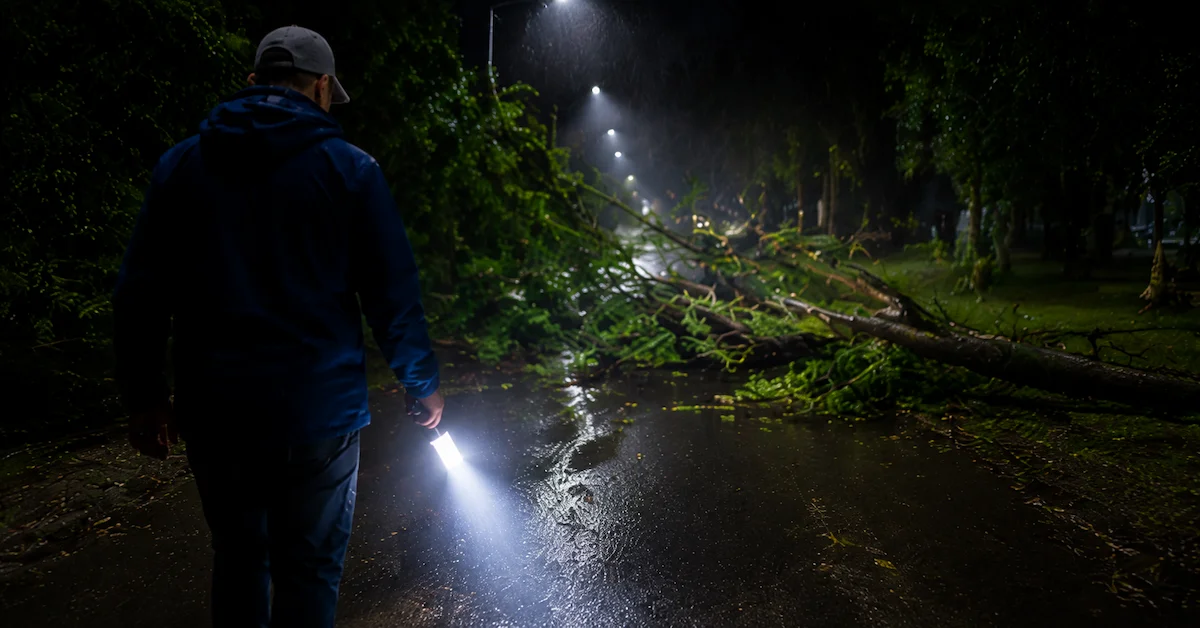
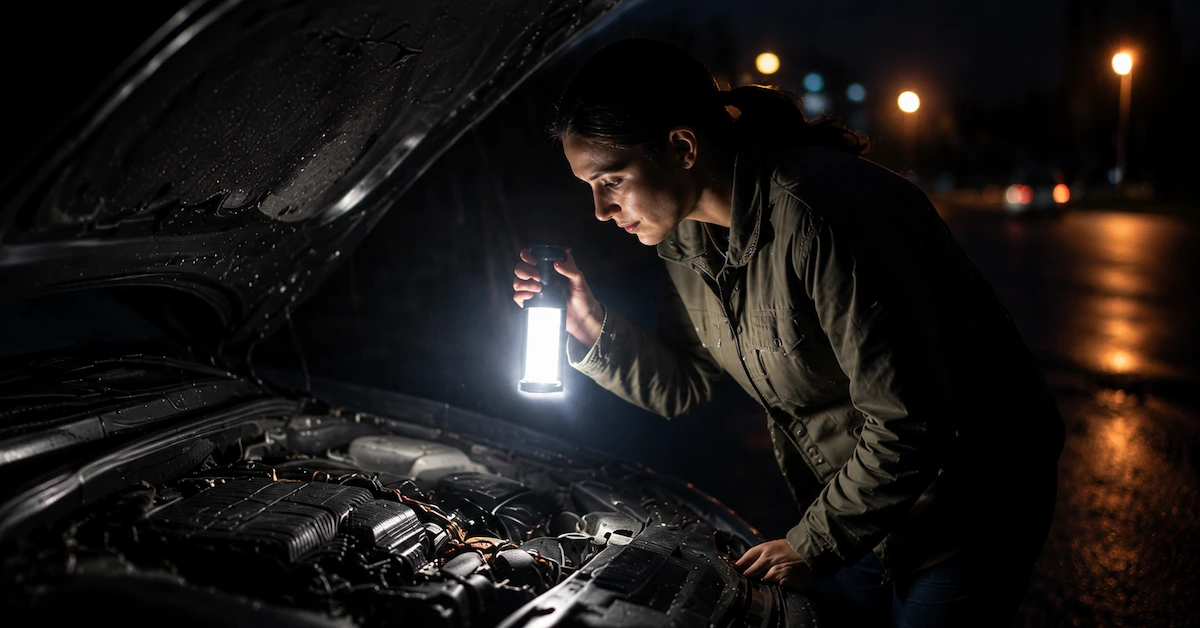
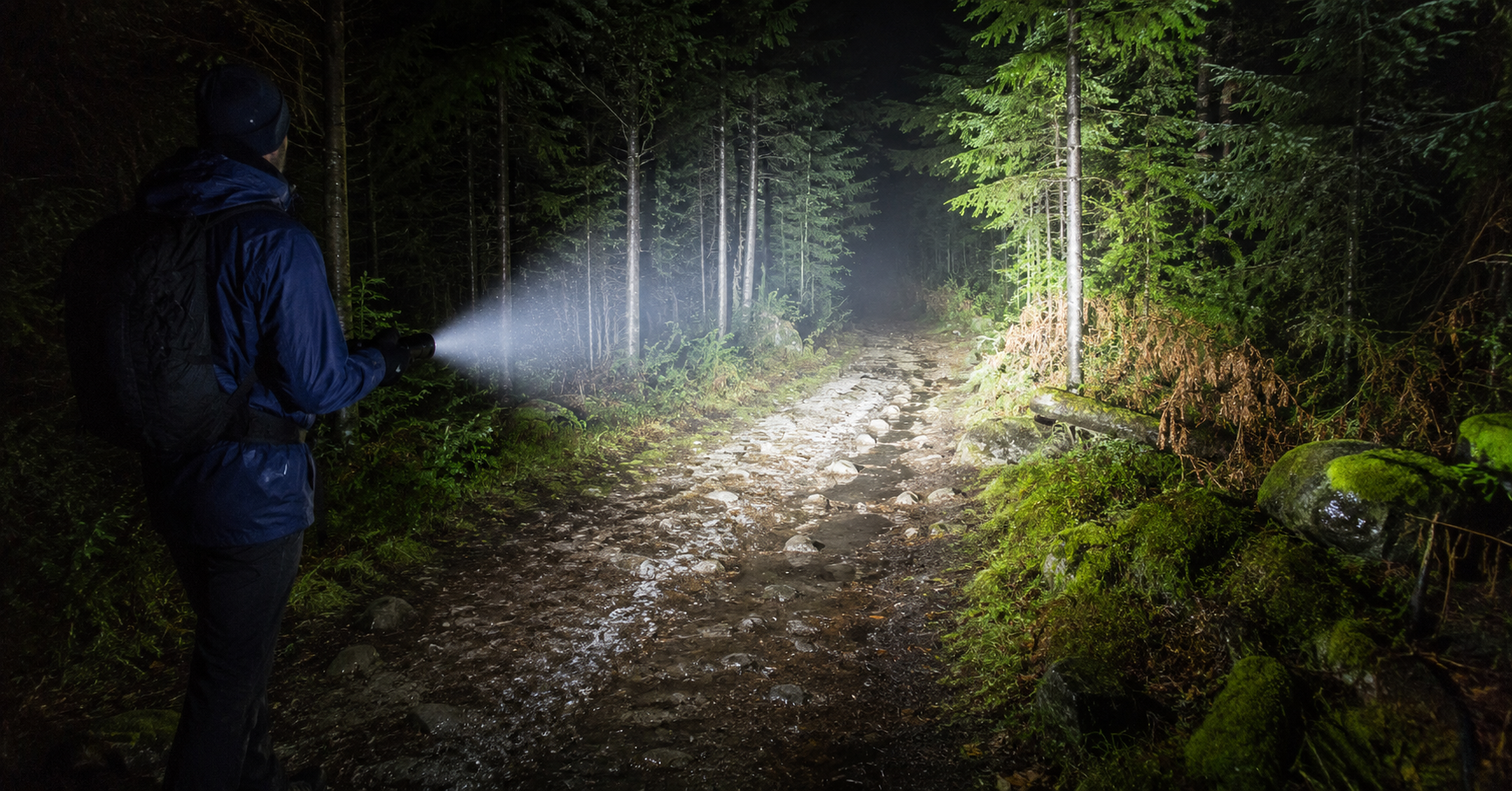
A high-output handheld flashlight is expected to do more than shine brightly for a moment. Users may take it onto trails, campsites, inspection routes, night walks, forest paths, or emergency situations where uneven ground and poor visibility create real risk. The product shown in the source image appears to be a cylindrical handheld torch with a concentrated forward beam, suitable for one-hand operation and outdoor use at night.
For sourcing teams, this means the specification must match the real use case. A light for close work may need a broader beam, while a light for trail spotting or perimeter checks may need stronger throw. Buyers should avoid treating every “bright” flashlight as equal, because similar-looking models can behave very differently in the field.
Why Lumen Claims Are Only Part of the Story
Lumen output is often the headline figure, but it does not describe the full lighting experience. A flashlight can be very bright at startup and still disappoint users if the beam is too narrow, too flood-heavy, or unstable after heat builds. The better sourcing question is not simply “How bright is it?” but “How does it perform after continued use, repeated switching, or damp outdoor handling?”
Brightness must be considered alongside throw, spill, runtime, heat management, grip comfort, switch reliability, and resistance to rough conditions. Exact runtime, waterproofing, impact resistance, and output values should not be assumed from appearance. Buyers should request supporting data, samples, and confirmation before placing claims on packaging or sales materials.
What the Product Form Suggests—and What It Does Not
The flashlight in the image appears to be a portable handheld unit with a dark exterior and a front lens or head that produces a focused beam. Its shape suggests a compact outdoor or tactical-style flashlight rather than a lantern, inspection lamp, or mounted light. This format is commonly selected when users need quick deployment, one-hand control, and a beam that reaches beyond the immediate foreground.
However, visual appearance has limits. The image does not confirm casing material, power source, charging method, lumen value, runtime, sealing level, or impact resistance. The body could be metal or hard polymer, but that cannot be verified without samples or documentation. A professional buyer should separate visible design clues from proven specifications.
Core Checks Before Comparing Suppliers
When comparing suppliers, buyers should focus on design choices that affect real use. Marketing language may make several flashlights sound similar, but field performance often depends on beam design, thermal behavior, switching, grip, and verified environmental claims. The table below summarizes practical checks that can guide early sample screening.
| Check | Why It Matters |
|---|---|
| Beam pattern | Determines whether the light suits distance spotting, close work, or mixed outdoor use. |
| Thermal behavior | Shows whether output remains usable and whether the body becomes uncomfortable. |
| Switch design | Affects glove use, wet-hand control, and accidental activation risk. |
| Body durability | Helps buyers assess handling strength, sealing quality, and long-term reliability. |
| Verified claims | Prevents unsupported statements about brightness, runtime, moisture resistance, or impact resistance. |
For a broader view of available lighting categories, buyers can review Brightenlux products before preparing an OEM brief.
How High-Lumen Flashlights Should Be Evaluated
A buyer working with a high lumen flashlight manufacturer should evaluate the product the way an end user will use it: in hand, outdoors, and over time. Beam pattern is the first check. Strong throw helps with trail walking, search tasks, and perimeter checks, while a beam that is too narrow may make close navigation awkward on uneven ground.
Runtime and heat should be reviewed together. A bright flashlight must manage heat, and output may step down if the body cannot dissipate it effectively. That behavior is not automatically a defect, but it must be predictable and suitable for the intended market. Power source and charging method also need confirmation, because they affect packaging, user convenience, certification scope, and after-sales support.
Common OEM Sourcing Mistakes to Avoid
The most common mistake is assuming that all high-brightness handheld flashlights are interchangeable. They are not. Two models may look similar but differ significantly in beam control, internal design, switch quality, sealing, and thermal management. A rugged appearance does not prove outdoor suitability, and a large lumen claim does not prove sustained field performance.
Buyers should also avoid approving catalog claims before verification. If runtime, water resistance, impact resistance, or output data has not been documented, those claims should stay out of launch materials. For custom programs, these points should be included in the brief before tooling or sampling begins. If you need to clarify project requirements, use the Brightenlux contact page to start a supplier discussion.
Practical Sourcing Workflow for Outdoor and Emergency Programs
Start with the use case, not the lumen number. Outdoor retail customers may judge a flashlight within the first minute: whether it turns on easily, reaches far enough, and feels secure in the hand. Emergency programs require even more caution because the light may be stored for a long period before being used in poor conditions.
Sample evaluation should include more than a quick power-on check. Review beam consistency, switch feel, sustained behavior, handling comfort, and basic durability indicators. If the flashlight is intended for emergency kits, packaging and storage expectations should also be discussed. To move from review to sourcing, buyers can send specifications through the Brightenlux inquiry page and request sample details aligned with actual operating conditions.
FAQ
Is a higher lumen number always better for a flashlight?
No. Higher lumen output can help with brightness, but it does not guarantee a better product. Buyers should also check beam shape, throw, spill, heat behavior, runtime, grip comfort, and switch reliability. A flashlight that looks strong on a spec sheet may still perform poorly if the beam or thermal design is unsuitable.
Can buyers confirm casing material from a product image?
Not reliably. A dark, rugged-looking exterior may suggest strength, but the exact material cannot be confirmed from the image alone. It could be metal or hard polymer. Buyers should request product samples, technical documentation, and supplier confirmation before making claims about casing material or durability.
What should an OEM flashlight buyer ask first?
Start with the intended use case, then ask for beam information, power source details, runtime data, thermal behavior, and any verified environmental protection claims. Samples are important because they reveal handling, switching, and beam performance that catalog descriptions may not fully show.
Is this flashlight type suitable for emergency kits?
The handheld form factor can fit emergency applications, but suitability depends on verified performance. Buyers should confirm storage behavior, runtime, switch reliability, moisture resistance, and durability before approving it for emergency programs. Unsupported claims should not be used in packaging or sales materials.