

Portable Emergency Torch: What Buyers Should Look For
A portable emergency torch may look simple until it is needed in bad weather, on a dark roadside, or inside a damaged building without reliable power. At that point, it is no longer a convenience item. It becomes working equipment. For sourcing teams, facilities managers, and product planners, the real question is not whether the torch turns on. It is whether it is practical, easy to carry, and dependable when visibility is poor.
That is why buyers should judge this category by use, not by appearance alone. A good emergency torch supports fast decisions in low light, gives a clean directional beam, and remains usable when conditions are wet, dirty, or unpredictable. Those basic qualities matter more than promotional language.
Why a portable emergency torch still matters in field work
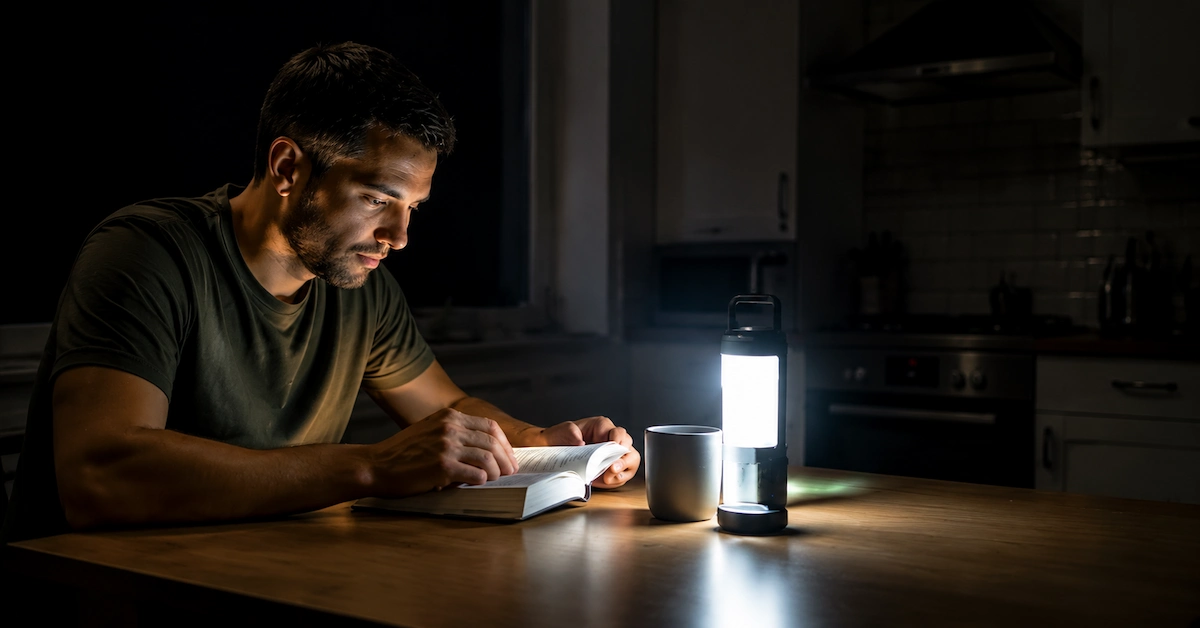
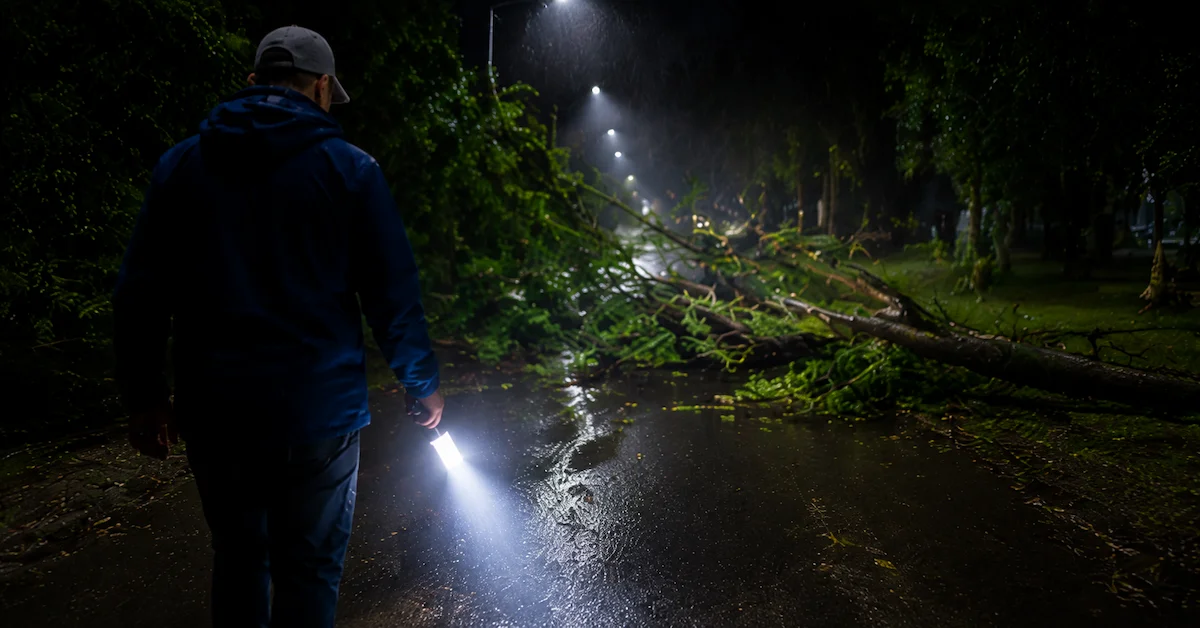
In field settings, visibility problems change how people move, inspect, and respond. A portable emergency torch helps users see hazards, check equipment, and find safe footing when normal lighting is unavailable. That is true in storm cleanup, roadside work, maintenance rounds, and emergency kits.
Because the torch is used in urgent moments, it needs to be easy to grab and simple to operate. Users may be wearing gloves, carrying tools, or working under pressure. In that situation, a light that is awkward to hold or difficult to activate loses value quickly, even if it looks good on paper.
What the product image suggests about the category
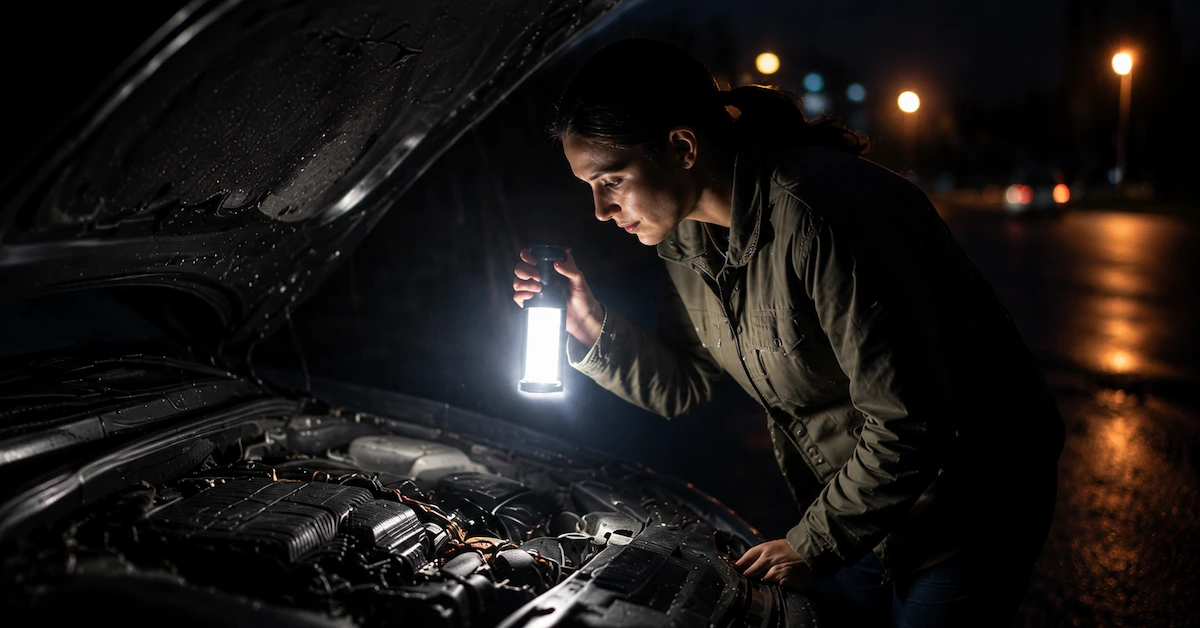
The visible product is a handheld LED torch with a compact cylindrical body and a bright white beam. Its finish appears dark and practical rather than decorative, which fits a tool meant for field use. No branding or special controls are visible, so it is best read as a general portable LED torch rather than a highly specialized model.
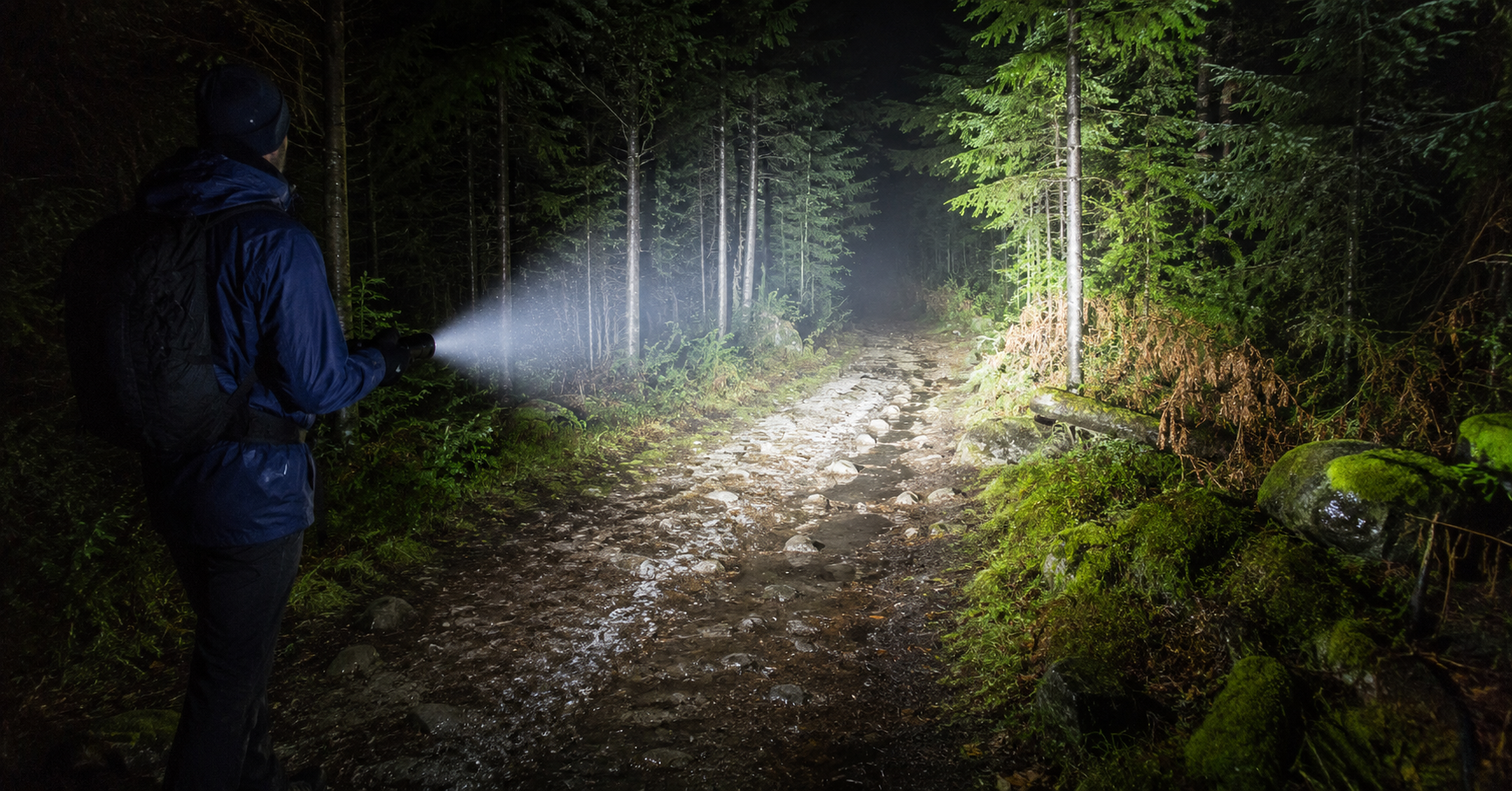
The most noticeable feature is the directional beam. That matters because emergency users often need to scan a path, inspect a surface, or check the edge of a stair or obstacle. In those moments, a focused beam is often more useful than broad ambient light.
What buyers should expect from this category
A portable emergency torch should do a few things well before any other detail matters. It should be easy to hold in one hand, simple to switch on, and practical to store in a kit, vehicle, or workstation. It should also feel sturdy enough for repeated handling and rough transport.
Buyers should also think about how the light will be used. Some teams need short-range inspection lighting. Others need a torch for walking, hazard checks, or quick response tasks. The right model depends on the work environment, not just on general product descriptions. For professional buyers, that distinction is important.
Where a commercial emergency flashlight fits in operations
The term commercial emergency flashlight covers many use cases, but the operational need is similar. These lights are used where downtime, clutter, or weather has made normal visibility unreliable. That includes utility maintenance, security patrols, warehouse checks, campus work, and roadside cleanup.
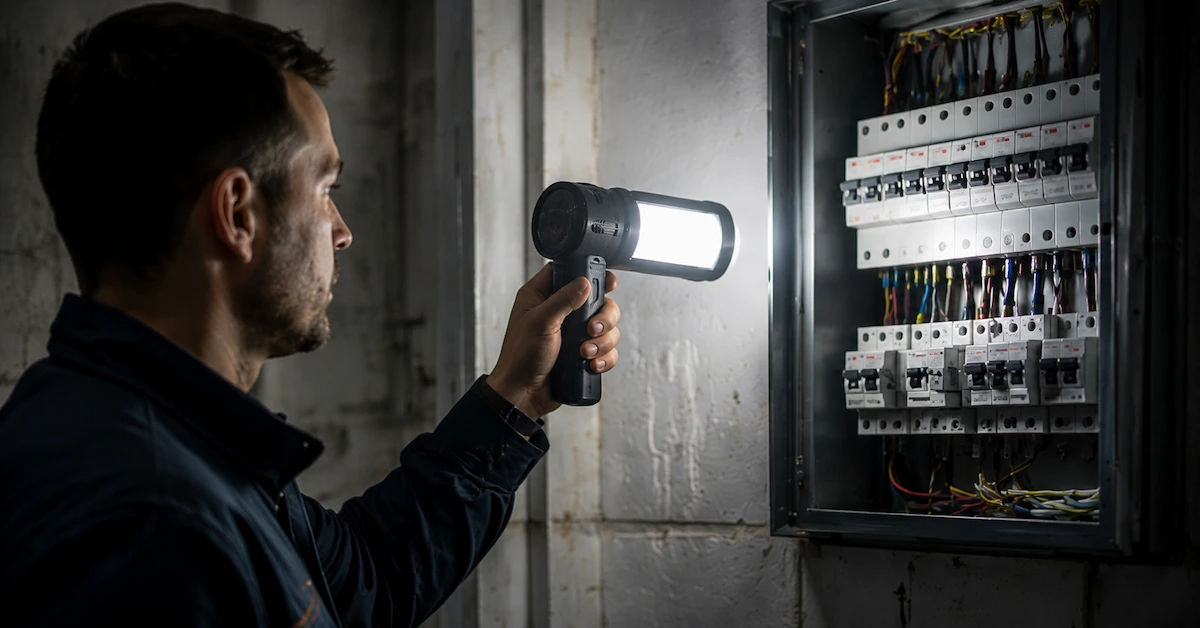
In practice, the torch is often used for short tasks rather than long periods of area lighting. A worker may check a breaker panel, inspect debris, confirm a walkway, or verify whether a surface is safe to cross. In that sense, the torch supports decision-making as much as it supports illumination.
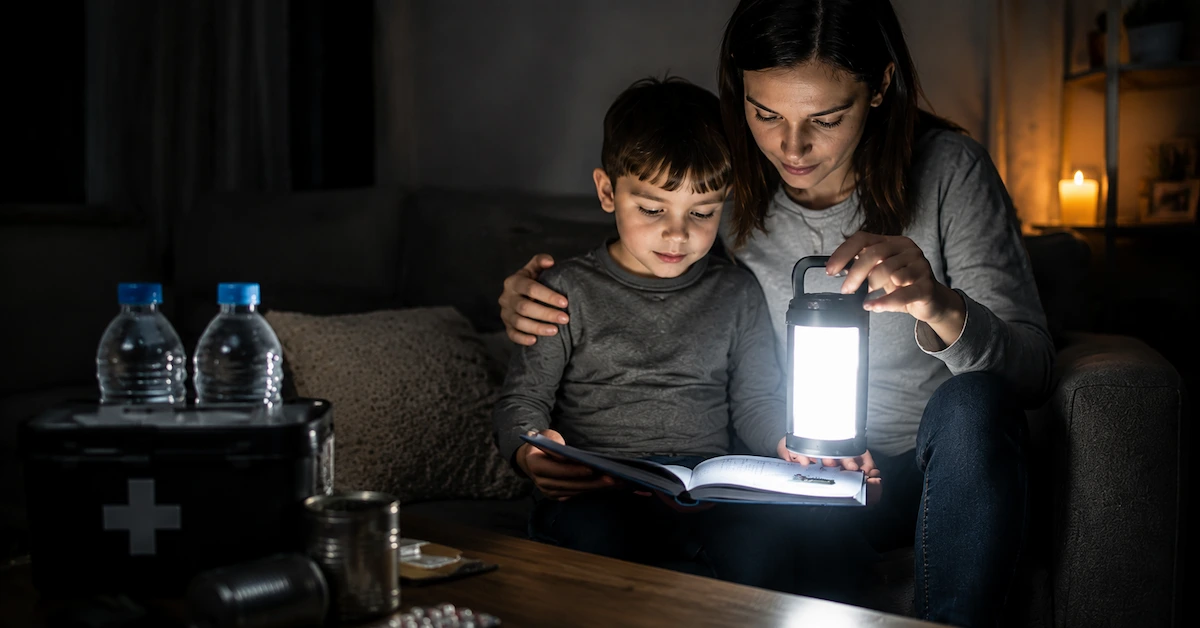
This is also why the torch should be viewed as part of a broader response setup. It may sit alongside gloves, cones, radios, first-aid items, and portable warning gear. A useful torch strengthens the whole kit.
Design features that matter more than marketing language
For sourcing teams, product data matters more than promotional claims. Even when exact performance figures are not available, the physical design can still reveal a lot about usability and fit for purpose.
| Buyer focus | What to check |
|---|---|
| Form factor | A compact cylindrical body is easier to store, carry, and deploy quickly. |
| Light source | LED-based lighting is standard for portable emergency use, but beam control matters most. |
| Housing and finish | A utilitarian finish can support field use and may be easier to grip than a glossy surface. |
| Beam behavior | A focused beam is often more useful than a broad wash for inspection and hazard checks. |
These design cues help buyers separate a practical tool from a product that only looks suitable in images. If you are reviewing Brightenlux product options, focus on how the torch will actually be held, stored, and used in the field: browse the product range.
Selection criteria and common mistakes
Start by matching the torch to the work environment. A light for occasional outage backup does not need the same handling profile as a torch issued to maintenance or security teams. Ask where it will be stored, who will carry it, and how often it will be used. Size, grip, and switch design all follow from those answers.
One common mistake is choosing by brightness claims alone. Output matters, but only when it is paired with practical handling and beam control. Another mistake is ignoring storage fit. If a torch does not fit neatly into a vehicle, workstation, or emergency bag, it may not be available when needed.
Buyers should also be careful not to assume that all emergency torches face the same conditions. Indoor backup, storm response, and roadside cleanup are different environments. Moisture, dust, and glove use all affect the usefulness of the light, even before any specification sheet is reviewed.
If your team needs support choosing a model for a specific use case, you can contact the team here or send details through the inquiry form.
What product teams should consider when specifying this category
For product teams, a portable emergency torch should feel obvious in use. That means clear activation, stable grip, manageable size, and light that supports quick inspection without creating unnecessary glare. The device should be easy to issue and easy to understand.
It also helps to define the user context early. Will the torch be used by responders wearing gloves, maintenance staff carrying tools, or end users during outages? Those answers shape the design brief. They influence how simple the switch should be, how the body should feel in hand, and how much emphasis to place on portability versus grip.
Emergency lighting is judged in difficult conditions, not in a showroom. Wet pavement, broken branches, cluttered stairwells, and reflective surfaces all affect how usable the torch feels. A sensible specification should avoid making those conditions harder.
FAQ
Is a portable emergency torch the same as a regular flashlight?
Not exactly. The hardware may be similar, but an emergency torch is usually expected to be more practical for fast deployment, rough handling, and low-visibility tasks. Buyers should focus on usability in urgent conditions rather than on consumer-style feature lists.
Should buyers prioritize brightness or durability?
Both matter, but the right balance depends on the job. For most emergency and maintenance uses, a manageable beam with a sturdy body is more valuable than maximum brightness alone. A light that is easy to carry and trust is usually the better field choice.
Can this type of torch be used in rain?
It may be suitable for wet conditions, but buyers should verify the actual weather resistance information before specifying it for outdoor use. Do not assume water tolerance from appearance alone. In professional sourcing, confirmed product data is always safer than guesswork.
What should sourcing teams ask before placing an order?
Ask how the torch will be used, who will carry it, where it will be stored, and how simple the switch is to operate in darkness or with gloves. Also request dependable product details on beam behavior, operating modes, and battery or charging approach.