

High Lumen Flashlight Manufacturer: What Buyers Should Look For
If you are sourcing from a high lumen flashlight manufacturer, the real question is not whether the beam looks bright on paper. It is whether the flashlight will still perform well after repeated field use in camping, night walking, emergency kits, or quick inspections. Buyers also need to judge consistency, comfort, and production reliability. If you want to compare options early, you can review our products while you define the use case.
What buyers are really trying to solve
Most purchasing teams begin with a use case, even when they do not say it that way. A camping flashlight needs a focused beam that can light a path or tent area. An emergency flashlight needs to be easy to grab, easy to operate, and dependable in short bursts. A retail or promotional program may care more about packaging and pricing consistency than about advanced optics. That is why the right flashlight is not defined by maximum output alone.
The compact handheld format in the source material suggests a practical outdoor light rather than a specialized industrial tool. For buyers, that means the factory matters as much as the design. Two flashlights can look similar in a catalog yet behave very differently once the beam pattern, switch feel, and assembly tolerances are tested in real conditions.
A quick checklist for comparing products
Before comparing suppliers in detail, buyers should narrow the discussion to the actual user experience. The most useful questions are simple: How does the beam behave, how does the product feel in hand, and how consistent is it from unit to unit? The table below is a compact way to keep the conversation practical.
| Area | What to check | Why it matters |
|---|---|---|
| Beam performance | Direction, spread, and usability at close and mid-range | Brightness only helps if the light is useful |
| Handling | Balance, comfort, and switch feel | Small ergonomic issues can trigger returns |
| Consistency | Sample-to-sample variation | Wholesale programs depend on repeatable quality |
| Use-case fit | Camping, emergency, or general retail needs | The product should match the buyer’s channel |
If the flashlight is meant for broad distribution, these checks matter more than a long spec sheet. A product that is comfortable, predictable, and easy to explain will usually perform better in the market than one that looks impressive but is difficult to use.
Why high-lumen claims can mislead
The phrase “high lumen” sells, but brightness alone can be misleading. A flashlight may appear impressive for a short time and still fail to deliver a useful beam in practical use. Outdoor customers care about whether the light helps them see a path, set up a tent, or inspect an area. In those moments, beam shape and consistency matter as much as raw output.
This is one reason buyers often ask a zoomable flashlight supplier for samples. They want to see whether the beam remains usable in different settings, not just whether it can produce a narrow spot. If a supplier cannot clearly explain how the flashlight is assembled, tested, and packaged, that is a warning sign. Brightness claims should always be paired with real sample evaluation.
Beam performance and handling matter together
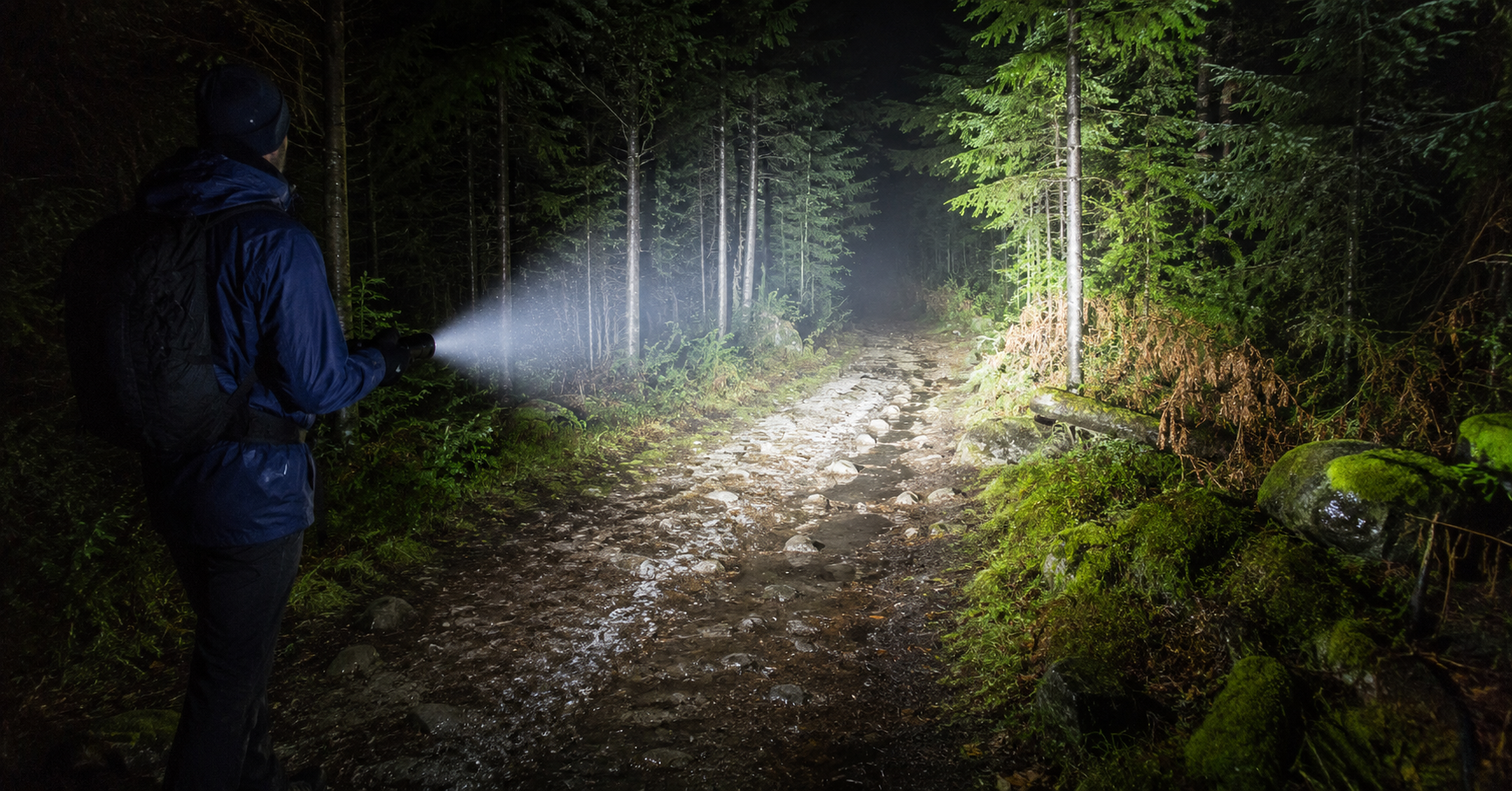
The source product is a compact handheld torch with a strong directional beam, which is a common outdoor format. That style is portable and practical, but it also means the unit must feel balanced in the hand. If the body is too slick or the head feels awkward, users notice immediately. A flashlight can have a useful beam and still disappoint because it is uncomfortable to carry or operate.
Buyers should also think about how the beam behaves across different distances. A very tight beam can help with spotting, but it may feel less useful for campsite setup if the spill is too limited. For that reason, handheld flashlight wholesale programs often succeed when the product is simple, easy to control, and suited to ordinary outdoor tasks rather than novelty features.
Questions to ask about materials and structure
The visible product information does not reveal the housing material, lens structure, switch type, or power source, so those are exactly the areas buyers should ask about. A flashlight intended for consumer outdoor use has different expectations from one designed for emergency kits or broader wholesale distribution. The hidden details determine whether the product feels dependable after repeated use.
It is also worth asking about the optical assembly. In flashlight manufacturing, the lens and reflector or other optical element shape the beam more than many buyers expect. A small change in that assembly can turn a practical light into one that feels too harsh or too narrow. If your program needs several variations, discuss them early through contact us so the supplier can confirm what is practical at scale.
How to compare suppliers without getting lost in specs
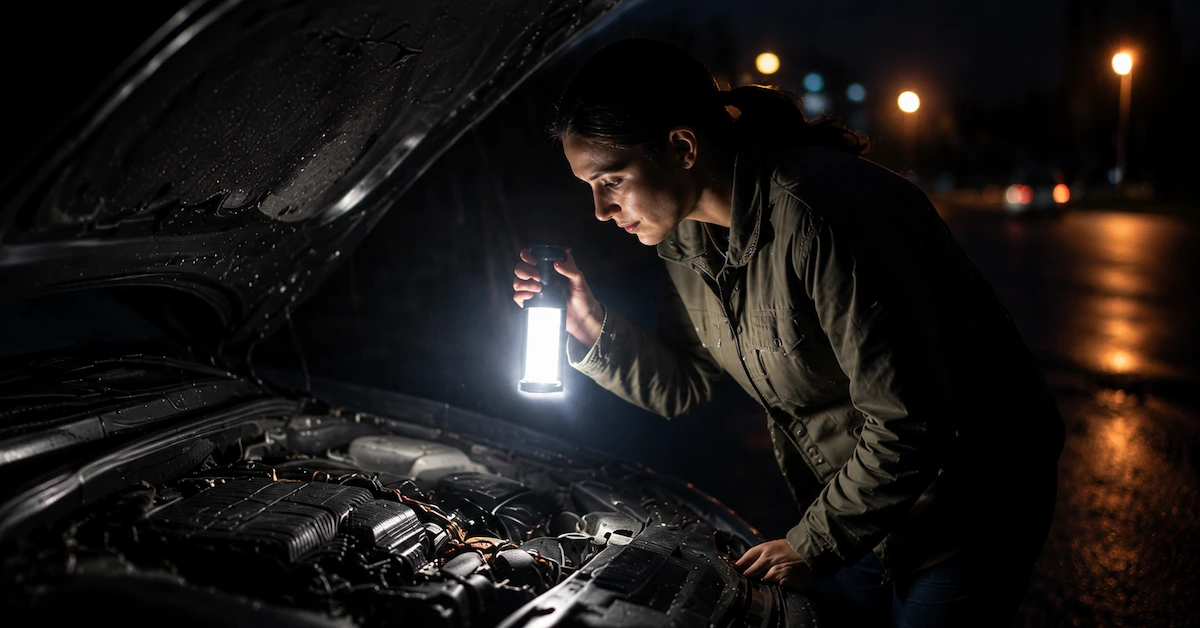
When comparing a high lumen flashlight manufacturer to other source options, keep the conversation grounded in use. Request samples that match the intended market and test them in real conditions, not just under office lighting. A product for camping retail should be judged by someone standing outside at night. If the flashlight is intended for broad distribution, packaging and shelf appeal matter too, but field function still comes first.
Next, compare consistency across samples. One bright unit can impress, but ten similar units reveal process quality. Then ask whether the supplier can support different beam styles or form factors without making the product overly complex. If you are ready to discuss a specific brief, send an inquiry and focus on what the flashlight must do rather than every possible feature.
Common mistakes buyers make
One common mistake is buying on brightness language alone. Another is choosing the cheapest unit that looks acceptable in a catalog photo. A flashlight is a small product, but its shortcomings show up quickly in the hands of end users. If a customer takes it camping and finds the beam too narrow or the body awkward to hold, you usually do not get many second chances.
Another mistake is treating outdoor use and emergency use as identical. They overlap, but not perfectly. Emergency buyers may prioritize simplicity and readiness, while outdoor users may want better beam control and more comfortable handling over longer periods. Finally, do not assume a strong-looking beam image proves anything by itself. Always compare samples in real conditions.
FAQ
Is a higher output claim always better for flashlight buyers?
No. A higher output claim can be helpful, but it does not replace beam quality, ease of use, or consistency. Buyers should ask whether the light helps users see clearly in the situations that matter, such as camping paths, tent setup, or short emergency tasks.
Should I choose a zoomable design for my program?
Only if the use case benefits from it. A zoomable design can offer flexibility, but it can also add complexity. Buyers should test whether the zoom function improves the user experience or simply adds another point of confusion or variation.
What should I request from a handheld flashlight supplier?
Ask for samples, basic assembly details, packaging information, and a clear explanation of what can be customized. If the product is going into wholesale distribution, also ask how the supplier handles consistency across units and what controls are used before shipment.
Can one flashlight cover both camping and emergency use?
Sometimes, yes. A compact handheld torch with a practical directional beam can work in both settings if the operation is simple and the beam is useful at close and medium distances. The key is to verify that the product matches both tasks in real use.