

High Lumen Flashlight Manufacturer Guide for Buyers
When buyers look for a high lumen flashlight manufacturer, they are usually solving a field problem, not shopping for a novelty item. They need light that helps people work faster, see farther, and avoid mistakes when visibility drops in a warehouse aisle, on a roadside repair, at a campsite, on a dock, or beside a fishing bag at dawn. Brightness matters, but it is only one part of the decision. Beam quality, runtime, durability, and how the light is carried or stored matter just as much. For B2B teams, the best supplier is the one whose product fits the task and the environment.
Why high output matters more than many buyers expect
A flashlight that looks impressive on paper can still disappoint in the field. Some lights throw a narrow beam that works for distance but makes close tasks awkward. Others feel bulky, hot, or difficult to carry through a full shift. That is why buyers should think less about the brightest possible number and more about practical fit.
In daily use, workers care about what the beam does in messy conditions. They care whether the light is easy to reach, whether it helps them see the right area, and whether it stays useful after repeated handling. The right industrial flashlight manufacturer understands that brightness alone does not create value. The real measure is whether the light supports the job without adding friction.
What high lumen should mean in a real buying decision
Lumens tell you how much visible light a flashlight emits, but they do not tell the whole story. A high output can be useful for short bursts, search tasks, or area lighting. It is not automatically the best choice for close-up work, battery efficiency, or long shifts.
Buyers should ask how the beam behaves in actual use. A broad spill beam can be better for seeing what is immediately in front of the user, while a tighter hotspot helps with distance. Thermal management also matters because high output creates heat, and poorly designed housings can become uncomfortable or throttle quickly. Multiple brightness levels, a sensible switch layout, and predictable mode behavior often matter more than one headline figure. If your team is comparing options, start the discussion with function, not marketing language.
Where high output actually earns its keep
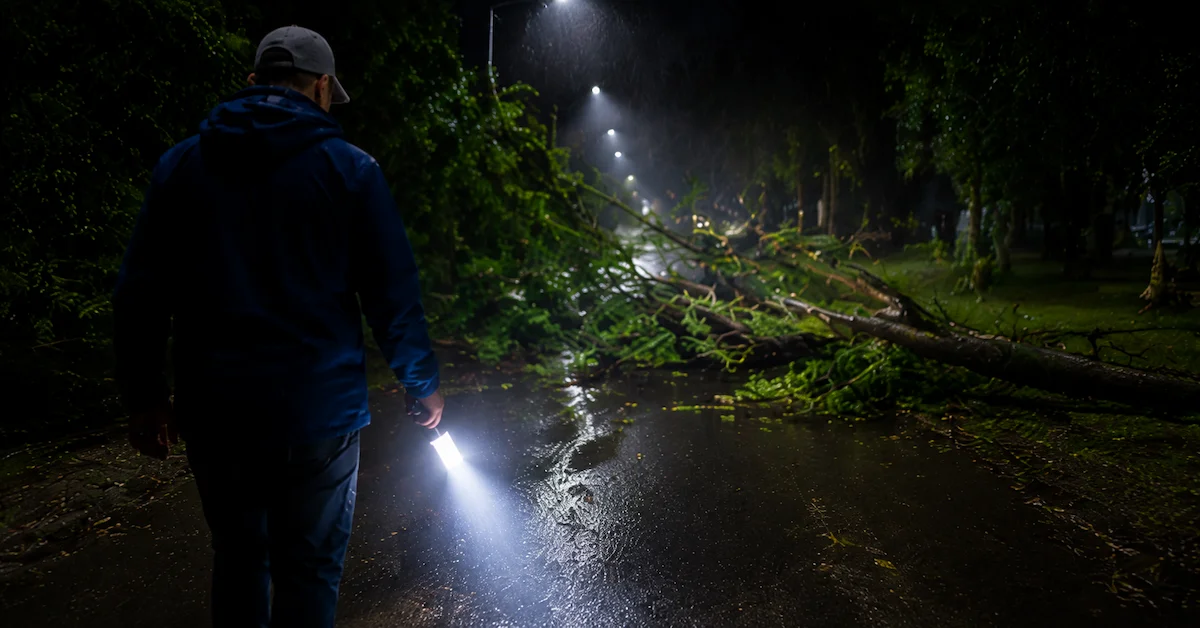
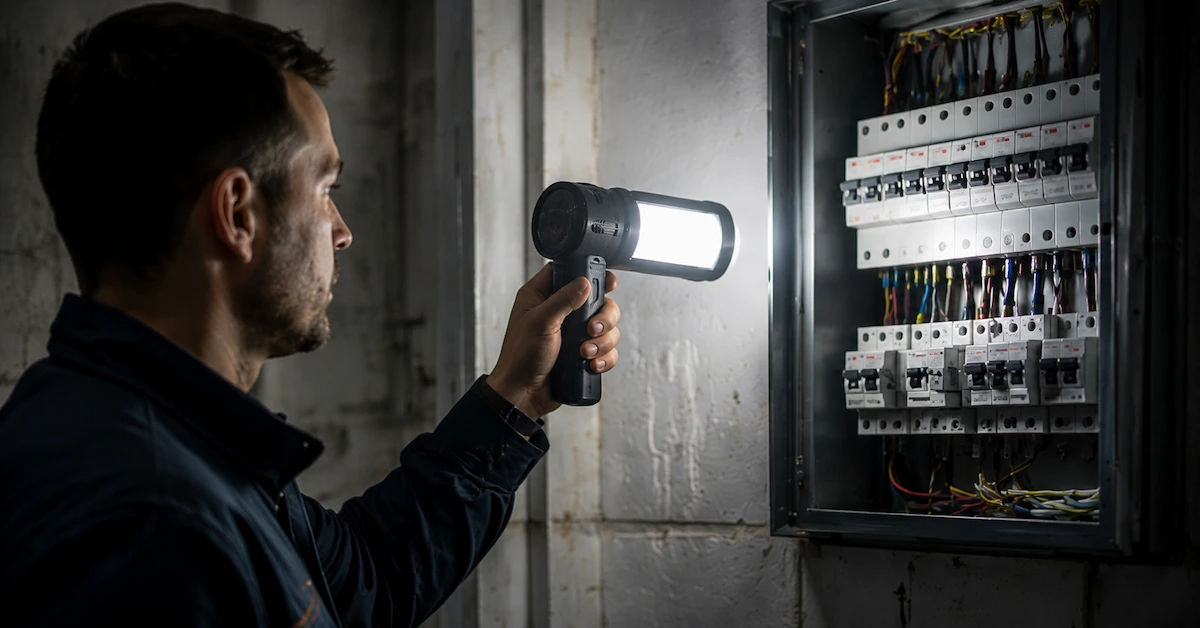
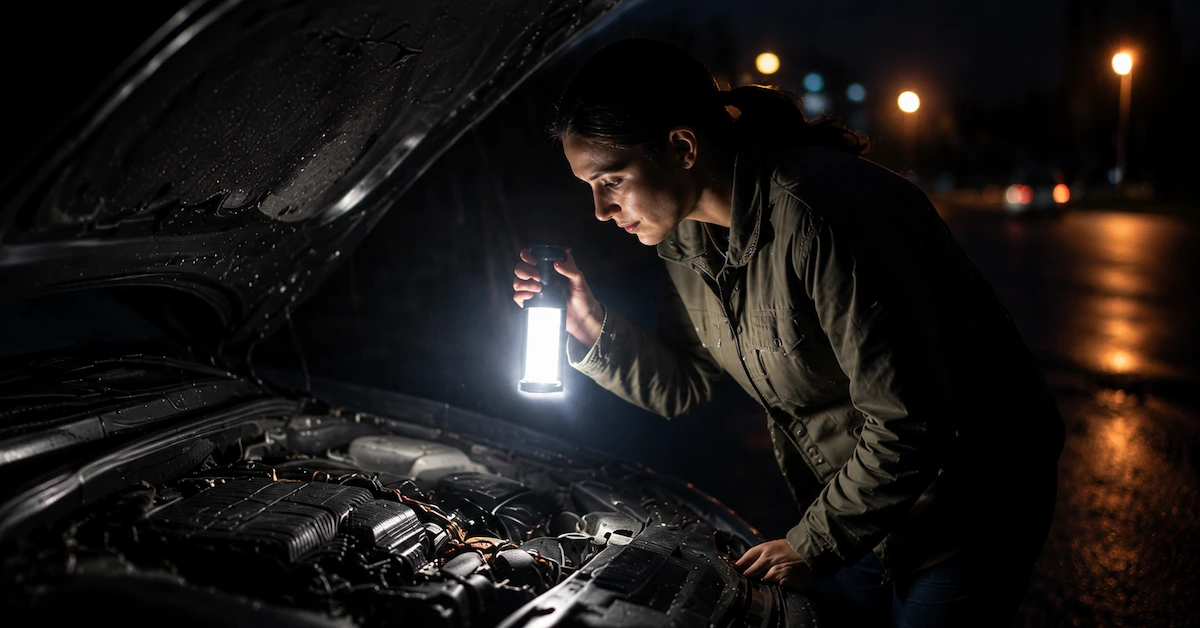
Not every application needs a powerful beam, but some do. Construction crews need reliable visibility inside unfinished interiors. Maintenance teams need to read labels, spot leaks, and handle fasteners without carrying a separate work lamp. Emergency responders need rapid light in unpredictable conditions. Outdoor users need something dependable in damp ground, cold mornings, and rough handling.
The same logic applies to fishing and other low-light recreational work. A fisherman sorting tackle at the edge of a boat or on a dark bank does not need theatrical brightness. He needs enough light to separate hooks, sinkers, lures, and line without fumbling. In that kind of setting, a compact light that gives clear close-range illumination is usually more useful than an oversized beam that washes everything out. That is where an outdoor flashlight supplier can add real value: not just in output, but in usability.
Features buyers should compare before they place an order
When buyers review products, it helps to compare practical features side by side. Beam pattern, power source, housing design, and maintenance all affect how the flashlight performs in the field. For a quick overview, the table below shows what each feature influences.
| Feature | What to compare | Why it matters |
|---|---|---|
| Beam pattern | Spot, flood, or hybrid | Controls whether the light suits distance or close work |
| Power source | Rechargeable or disposable | Affects weight, service planning, and charging habits |
| Housing and carry | Grip, clip, switch, and shape | Determines whether the light is easy to secure and use |
| Durability and maintenance | Lens, switch, seal points, access | Supports repeated handling and long-term reliability |
If you want to compare current options, start with the product range and focus on the features that match your users' work pattern.
How storage and field workflow shape value
A flashlight is rarely used alone. It lives inside a larger system such as a pouch, pocket, boat console, truck tray, or storage case. That is why the supplier’s understanding of end-use conditions matters. In fishing gear, for example, compact organization makes a big difference. Soft-sided bags with zippered compartments and modular hard trays help users keep small items separated and visible. Transparent or semi-transparent lids also make it easier to find contents quickly.
In low light, a bright flashlight becomes part of the retrieval workflow, not just a separate accessory. The same applies to tool bags and service cases in industrial work. If a technician is carrying small parts, labels, and hand tools, the light must support fast identification. A few wasted seconds on each task may not sound serious, but over a shift they add up. Buyers who consider storage and lighting together usually make better purchasing decisions.
What sourcing managers should ask a supplier
Before you shortlist a high lumen flashlight manufacturer, ask for details that show the product is built for use, not just for display. Request information on beam options, mode behavior, battery format, switch design, and housing material. If the flashlight will be used in industrial or outdoor settings, ask how the supplier thinks about grip, handling, and storage.
It also helps to ask how the product fits into the broader kit. Can it be stored easily with tools, tackle boxes, or other accessories? Is it compact enough for pocket carry or bag carry? Does the supplier understand night fishing, pier work, field inspection, or emergency backup? Those answers often separate an average vendor from a long-term partner. If you are ready to discuss your needs, use the contact page or send an inquiry.
FAQ
Is the highest lumen rating always the best choice?
No. The best choice depends on the task. For close work, a lower or mid-level beam may be easier to use and less tiring for the eyes. High output is helpful when the job calls for distance or broad area lighting, but it is not automatically the most practical option.
Should outdoor buyers prefer rechargeable models?
Often yes, but not always. Rechargeable models reduce hassle when charging access is reliable and consistent with the user’s routine. In remote or irregular use, disposable batteries can still make sense. The right answer depends on how often the light is used and where it will be charged.
Why does beam pattern matter so much?
Because brightness without control can waste useful light. A suitable beam pattern helps the user see the right area, whether that is a dock, a garage, a fishing bag, or a service tray. The beam should match the work environment instead of creating glare or narrow visibility.
What is the most overlooked factor in flashlight buying?
Carry and storage are often overlooked. If a flashlight is awkward to stash, slow to reach, or easy to lose in a bag, users stop relying on it. Practical placement in the larger gear system is often what turns a bright light into a useful one.