

Rechargeable Flashlight Manufacturer: How to Choose the Right Supplier
If you are comparing suppliers for a rechargeable flashlight line, start with the product’s real use, not the headline claim. A good source must support housing design, charging architecture, switch feel, weather resistance, and everyday portability. For a quick view of the current range, you can review the products page before shortlisting vendors.
What buyers should expect from a rechargeable flashlight manufacturer
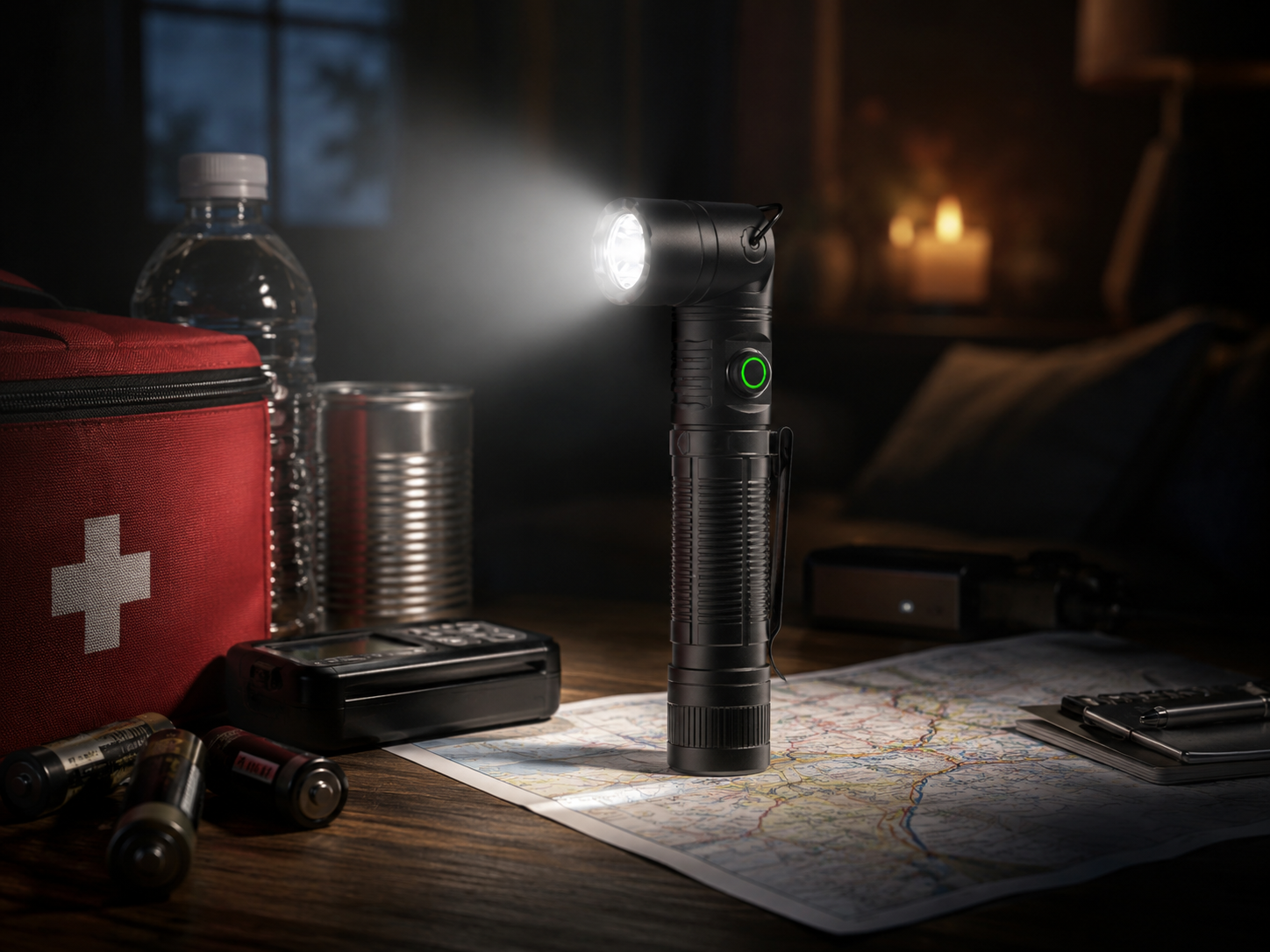
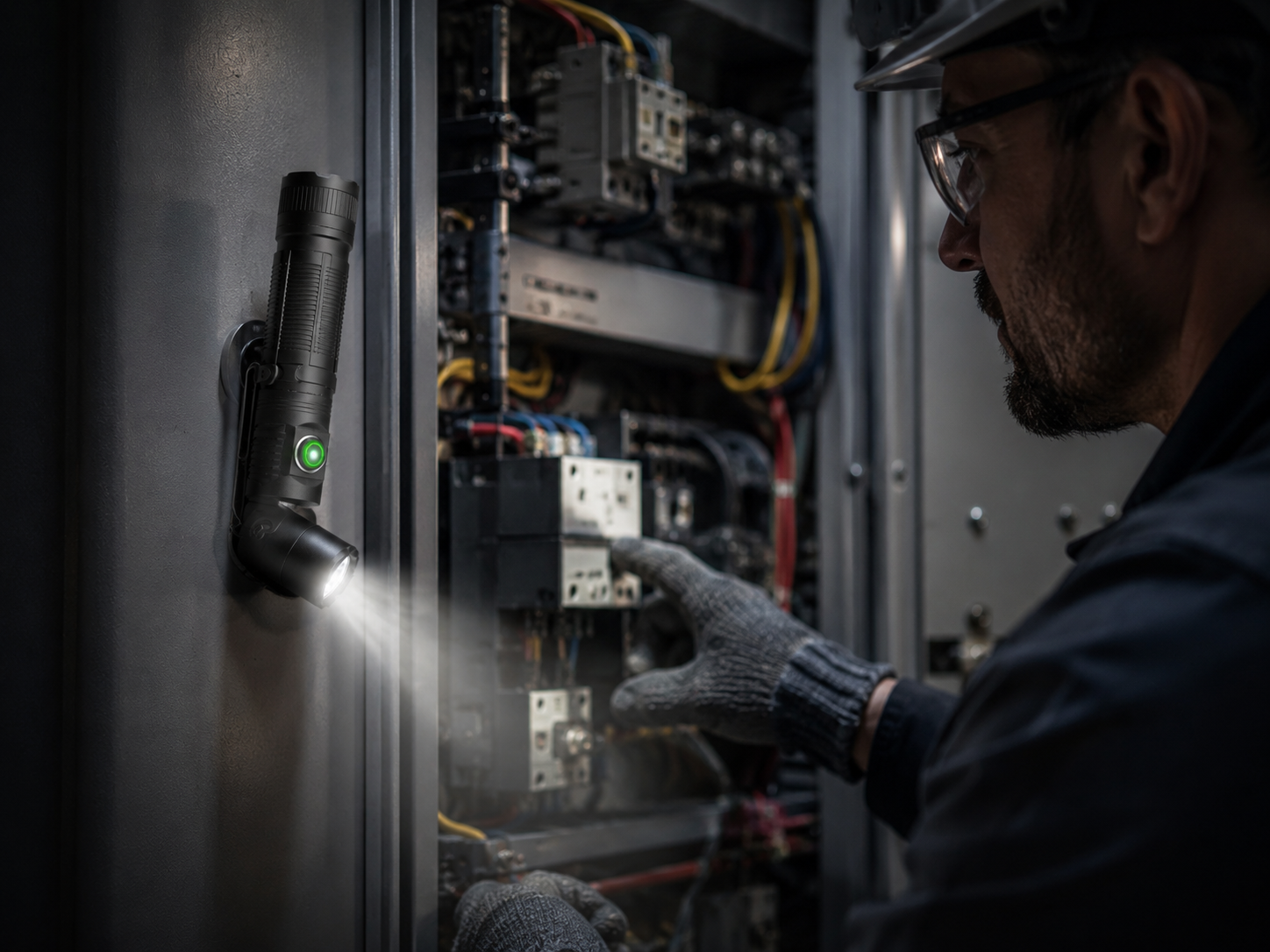
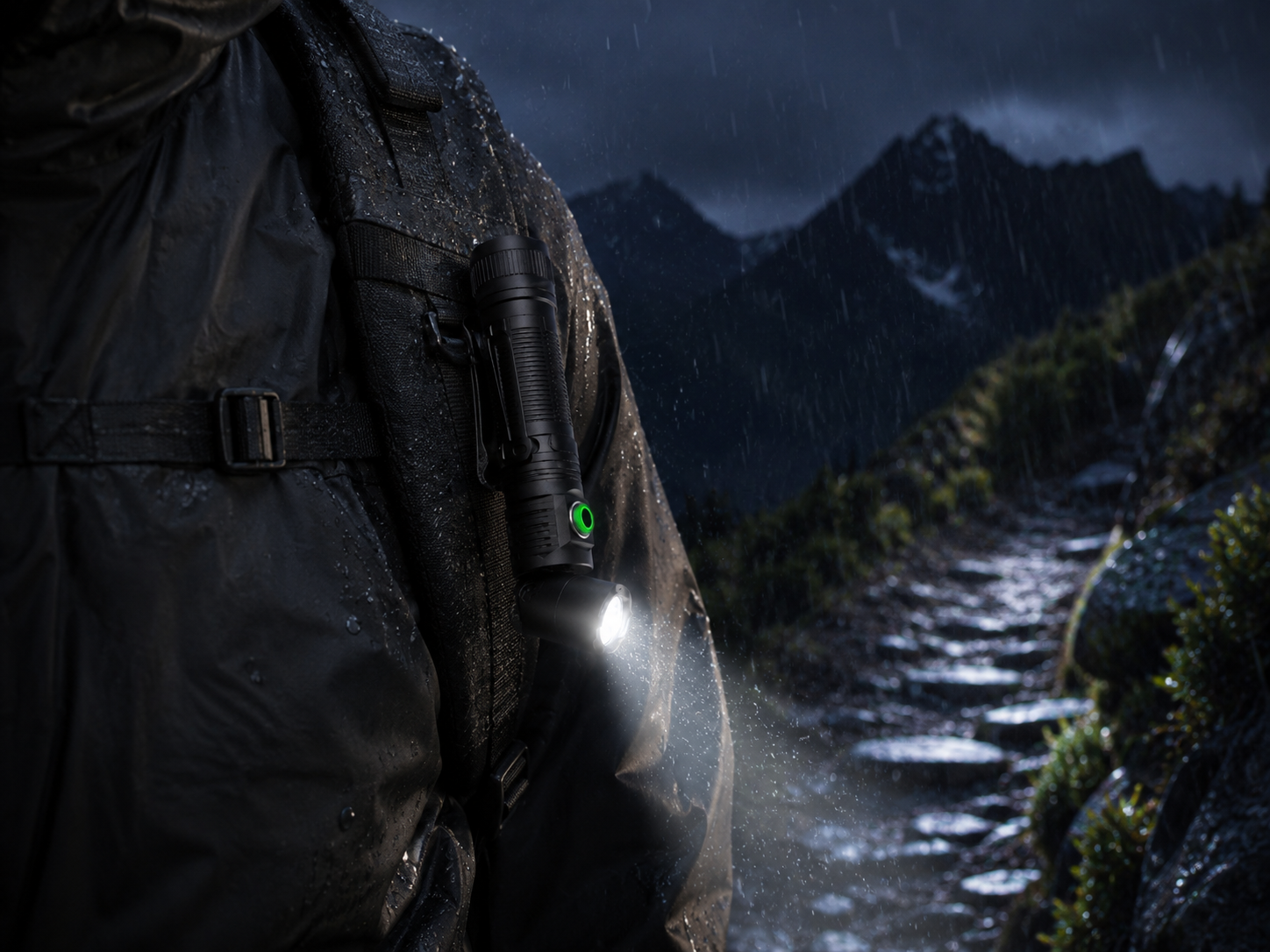
Buyers usually want more than a light that turns on. They want a dependable product that can support trail work, emergency kits, jobsite carry, or retail outdoor lines. The sample in this category suggests a compact handheld light with a clip, a ribbed body for grip, and a slim profile meant for attachment rather than loose pocket carry. That is the kind of design many sourcing teams look for when they need a practical light that stays on gear. The real question is whether the manufacturer can build it consistently and explain the choices behind it.
That means the decision is not only about brightness. It is also about whether the body feels solid, whether the clip holds, and whether charging is designed in a way that supports long-term use. A reliable supplier should be able to discuss those tradeoffs clearly and match the product to the intended channel.
Why this category is harder than it looks
Flashlights seem simple until buyers compare samples. Two products can look close on a spec sheet and still behave very differently in the field. One may feel sturdy but run hot. Another may advertise strong output and still produce an uneven beam. A third may survive rain but fail once the clip loosens after repeated mounting. The gap between appearance and performance is where many sourcing problems begin.
A strong manufacturer has to balance optical output, mechanical durability, and assembly consistency. The lamp body must protect the electronics, but it also has to be practical to produce at scale. If the product is intended for outdoor use, a waterproof rechargeable flashlight needs more than a rubber flap and hopeful wording. Seals, switch design, charging access, and material choice all work together, so they should be judged together too.
Construction details that reveal supplier quality
Small design choices often tell you more about a supplier than a polished product photo. Look closely at the housing, the clip, and the switch. A matte, non-reflective finish can be more credible for field use than a glossy body, especially when the light may be handled with wet hands or gloves. Grip texture matters because portability only helps if the product is easy to hold and easy to keep on gear.
Use this compact checklist during review:
| Area | What to review | Why it matters |
|---|---|---|
| Housing | Finish, texture, and body protection | Affects handling and durability |
| Clip | Attachment strength and mounting method | Impacts carry stability |
| Switch and indicators | Ease of use and accidental activation risk | Shapes everyday usability |
The clip is not an accessory. If the light is meant to attach to a backpack strap or belt edge, the clip must hold under movement. A loose clip becomes a complaint even when the light itself works well. The best suppliers understand that small hardware decisions can change the whole user experience.
Rechargeable design and charging architecture
“Rechargeable” can describe several different build paths. Some lights use a sealed internal battery with direct charging. Others allow battery replacement. Some designs favor compact size, while others prioritize serviceability. Before approving a sample, ask which path the product uses and how that choice affects end users. A compact design may be attractive, but if charging is awkward or the port is poorly protected, the convenience can disappear quickly.
Also ask how the charging interface handles dust and moisture, whether the port adds strain to the housing, and what happens as the battery ages. These are not minor details. They affect field use, support questions, and repeat orders. A manufacturer that understands rechargeable lighting should be able to explain the tradeoffs without vague language.
What waterproof really means for field use
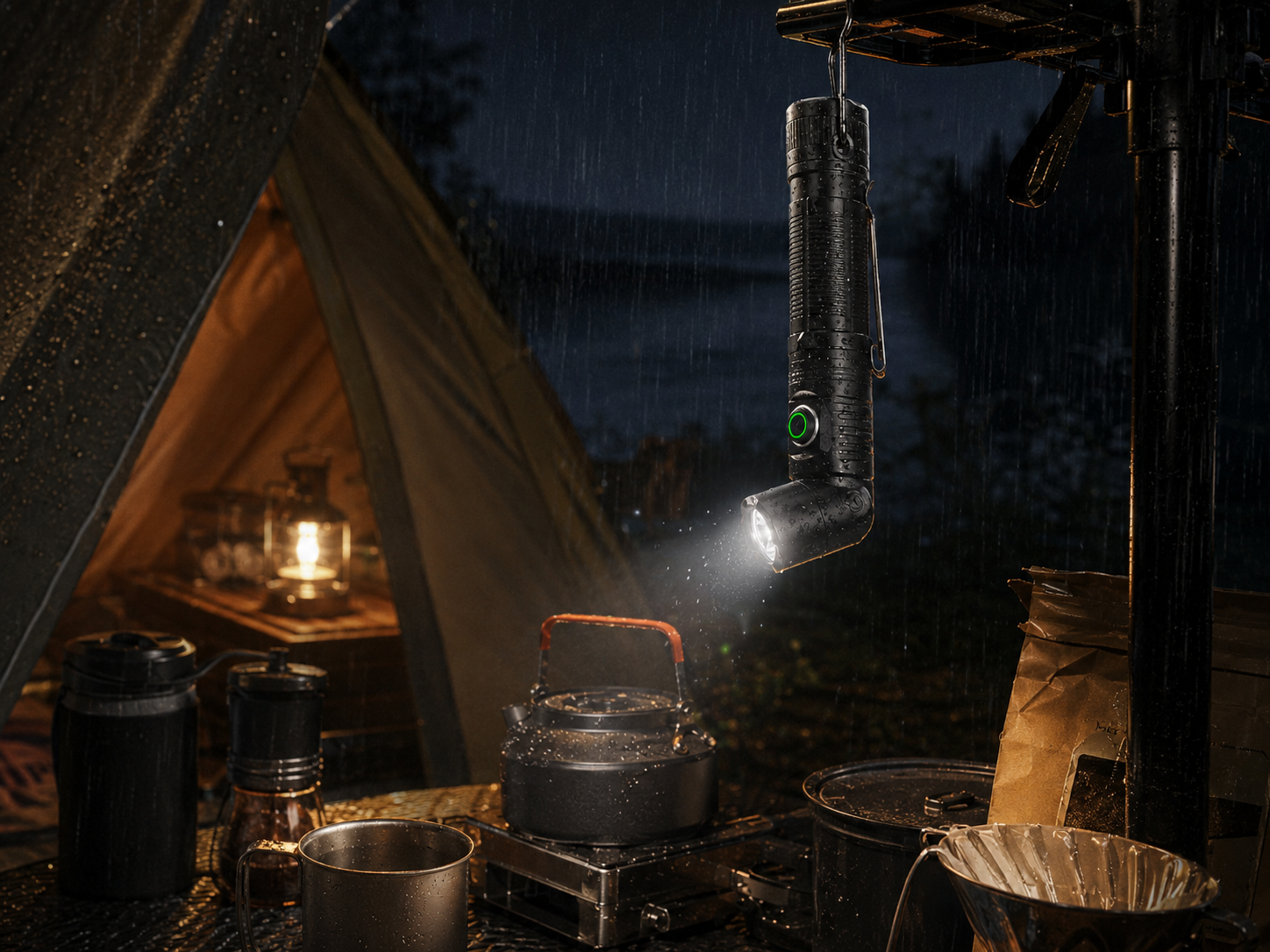
Many buyers search for a waterproof rechargeable flashlight because outdoor use is the default expectation. That is reasonable, but the wording can be slippery. A product shown in rain is not automatically waterproof. Wet-condition imagery can suggest outdoor readiness, but it does not replace clear documentation about what the product is actually meant to handle.
Rain resistance, splash resistance, and submersion performance are not the same thing. A field light clipped to a hiking pack needs a different protection level than a rescue tool or diving lamp. The safer approach is to ask the manufacturer what kind of exposure the product is intended for and what evidence supports that claim. Honest boundaries are more useful than broad marketing language.
How to judge samples before a purchase order
Sampling should look like real use, not a desk check. Clip the light to a strap. Move it around. Put it in light rain if that is part of the promise. Try the switch with gloves if the product is meant for outdoor carry. These basic checks reveal more than polished photos ever will. A sample that looks fine on arrival may still show weaknesses once it is handled the way a customer will handle it.
It also helps to think about channel fit. A compact light with a clip and outdoor styling may suit camping retail, emergency-preparedness assortments, or safety kits. A different presentation may suit another market. The same base product can work in more than one channel, but only if the sample supports the story that the supplier is trying to tell.
Questions to ask before you commit
Before moving forward, ask what parts are made in-house and what parts are outsourced. Ask how the LED module is assembled and how fit is checked in the housing. Ask whether the clip is tested for repeated attachment. Ask what use case the supplier had in mind when the product was designed. A real manufacturer should be able to answer those points clearly.
It is also useful to ask how the product is positioned: compact trail light, general emergency flashlight, or more tactical rechargeable model. That answer helps you understand the design priorities behind the sample. If you want to narrow the field, review the lineup on the products page, then send an inquiry or use the contact-us page to start a technical discussion.
FAQ
Is a brighter flashlight always better?
No. Brightness matters, but it is only one part of the buying decision. Beam quality, heat behavior, switch logic, and how the light performs after repeated charging often matter more in daily use. A strong supplier should help you balance output with practical field performance.
Can a clip-mounted light replace a larger handheld torch?
Sometimes, yes, if the use case is walking, navigation, or hands-free task lighting. For longer-range searching or broader area lighting, a larger handheld torch may still be the better fit. The right choice depends on how the customer will actually carry and use the product.
What should I verify first in a waterproof design?
Start with the sealing concept, the charging access, and the supplier’s documentation for water exposure. Do not rely on appearance alone. Rain-ready styling is useful, but it does not confirm performance. Ask what the product is meant to handle and what evidence supports that claim.
What is the best way to move from sample to purchase order?
Test the sample the way your customer will use it. Clip it to gear, check the switch with gloves, and see whether the body stays secure under movement. If the light meets the use case, ask the manufacturer clear questions about assembly, charging, and protection before placing the order.