

Rechargeable Flashlight Manufacturer Guide for Industrial Buyers
Choosing a rechargeable flashlight manufacturer is not just a product search. For industrial buyers, it is a workflow decision. The right light helps technicians inspect cabinets, service equipment, read labels, and work in tight spaces without relying on disposable batteries or fixed power. The wrong light becomes another tool that stays in a drawer. This guide explains how to evaluate rechargeable flashlights for real maintenance use, using practical criteria such as grip, beam behavior, charging method, mounting convenience, and supplier communication.
What Industrial Buyers Really Need from a Rechargeable Flashlight
Industrial buyers are usually not looking for a decorative consumer torch. They need reliable light for cabinets, service bays, machine enclosures, trucks, workshops, and maintenance areas. In these settings, a flashlight must support the work rather than interrupt it. Brightness matters, but it is only one part of the purchase decision.
A practical rechargeable flashlight should be easy to hold, quick to position, simple to recharge, and suitable for repeated handling. Technicians may clip it, move it, wipe it down, drop it into a tool bag, or place it near metal cabinet doors. A capable supplier should understand that the product is part tool, part consumable, and part daily workflow aid.
Product Style and Working Environment
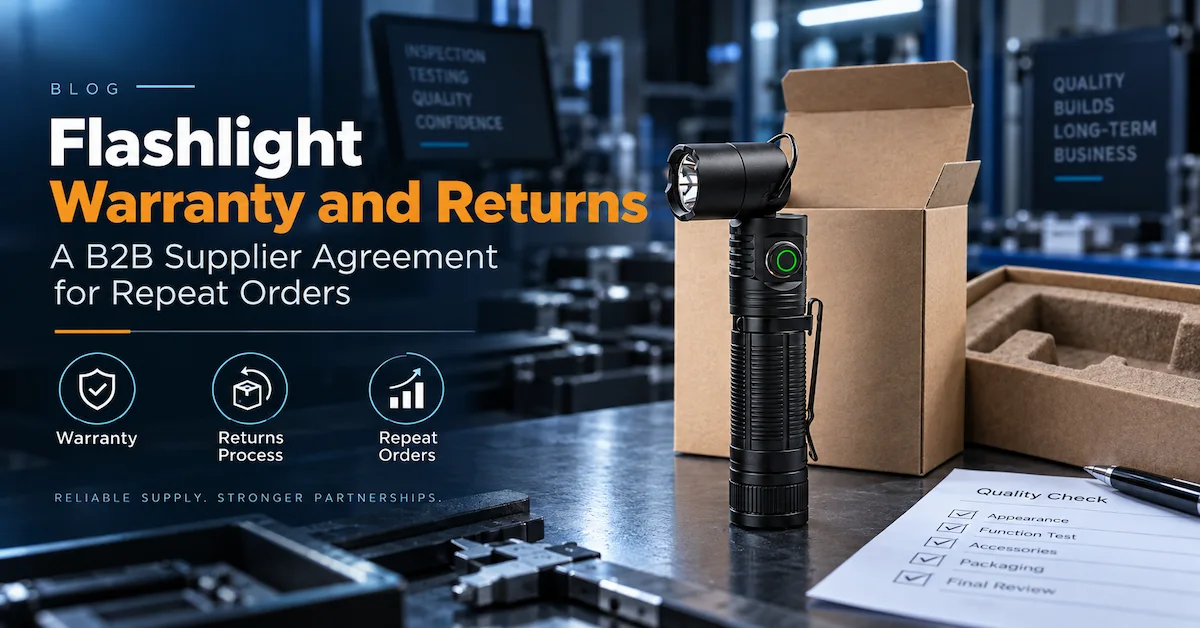
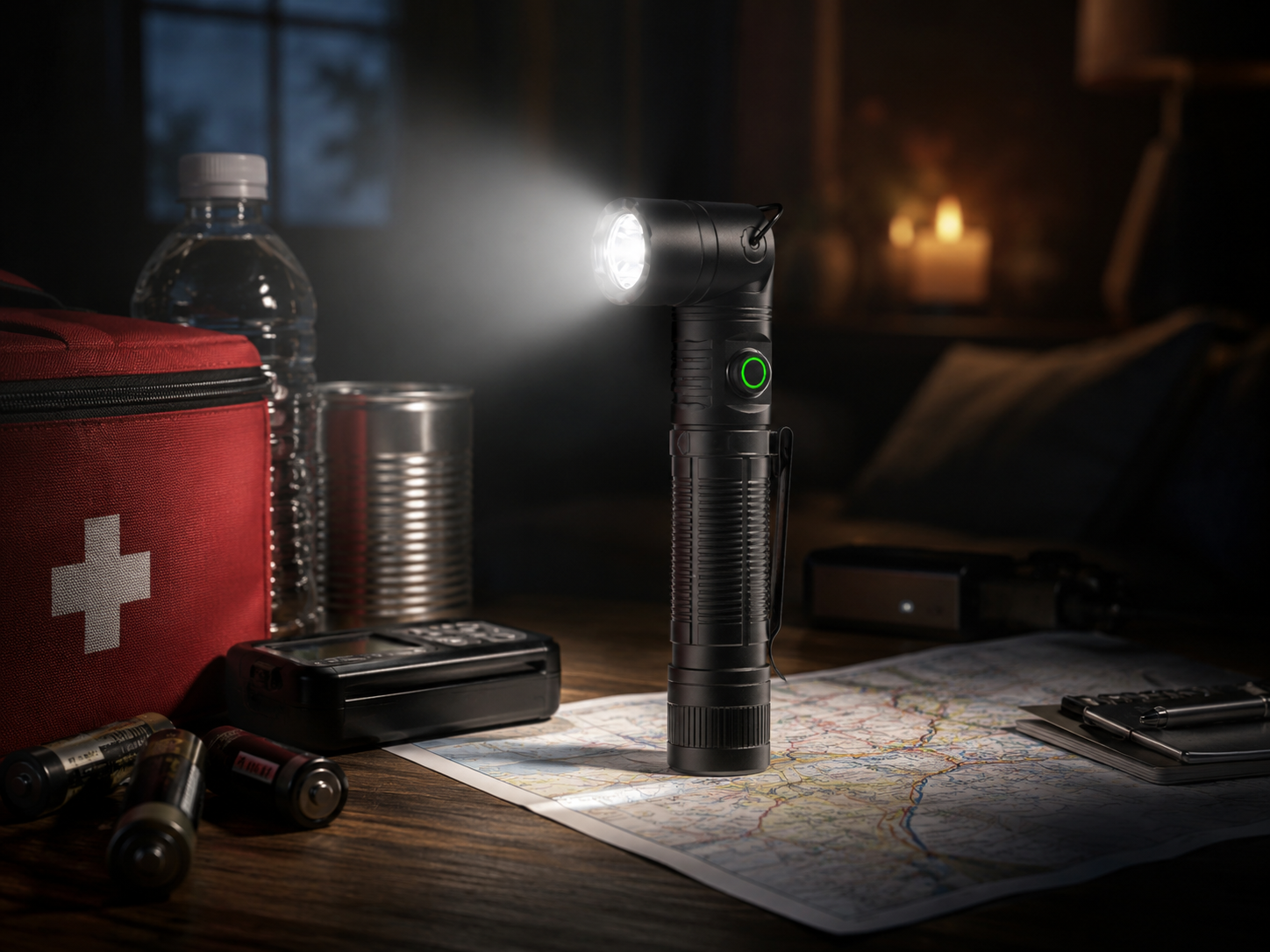
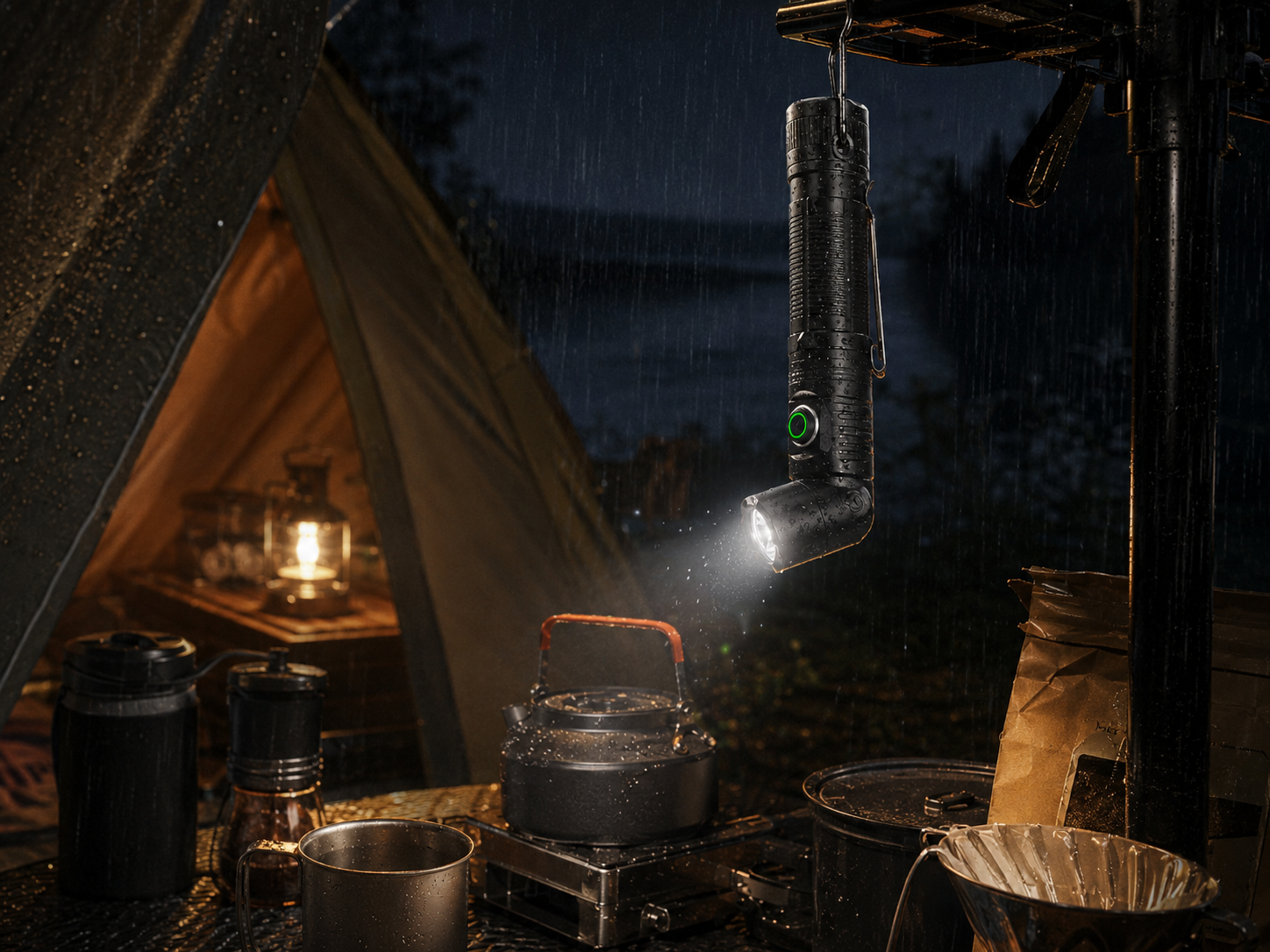
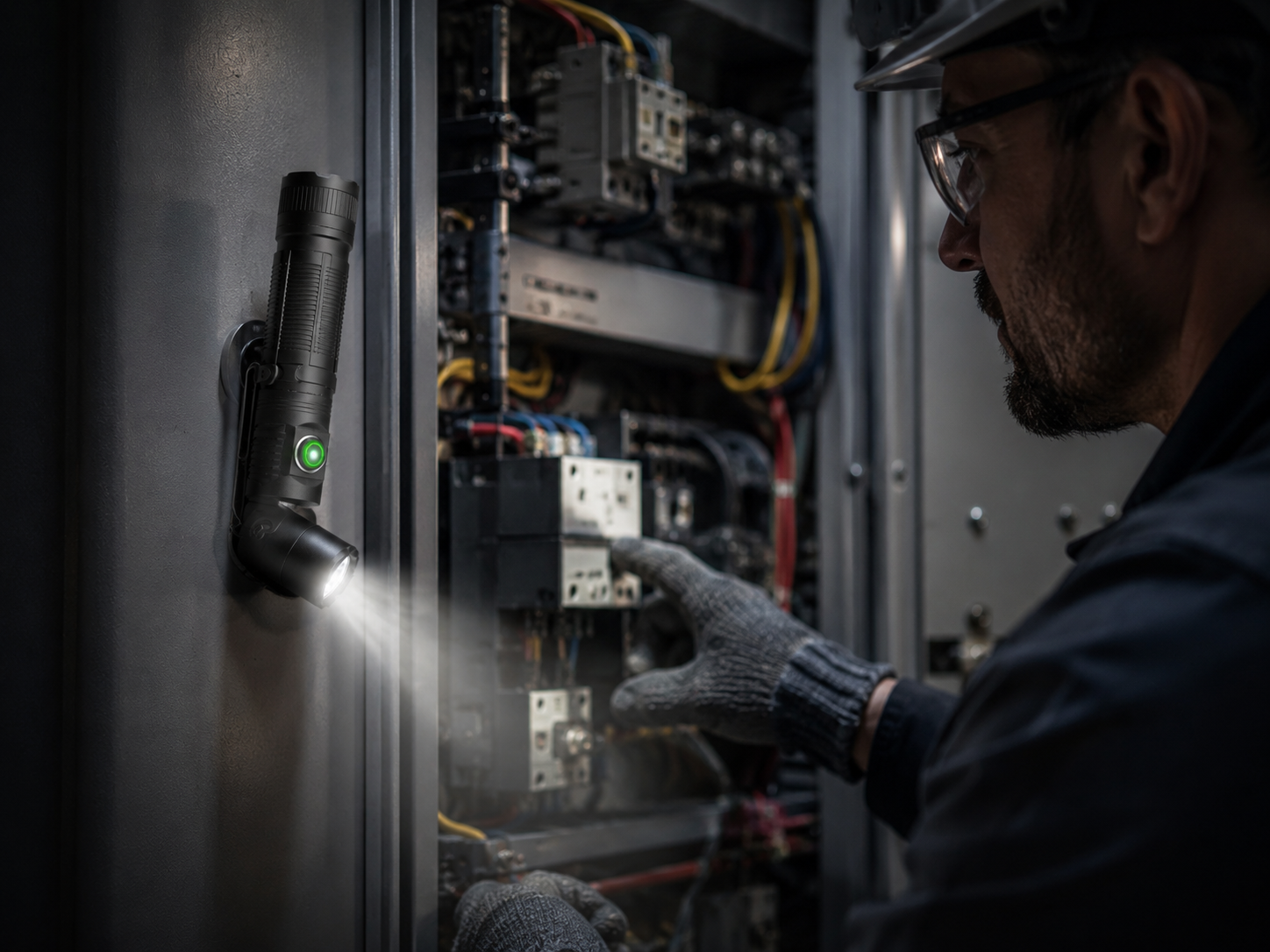
The supplied product information points to a compact LED flashlight for industrial maintenance use. It appears to have a black cylindrical body, a textured grip area, a focused white beam, and a circular illuminated button or status ring. The shown mounting position suggests use near the inside edge of an electrical or control cabinet door while the cabinet is open.
That working context is important. A cabinet inspection light is different from a camping torch or a household emergency light. It needs directional illumination, practical positioning, and enough durability for repeated use around metal doors, tools, cables, and dusty work areas. Buyers can review related industrial lighting options on the Brightenlux products page.
Why Rechargeable Design Changes the Buying Decision
Disposable batteries may still work for low-use situations, but rechargeable lighting often makes more sense for regular inspection and maintenance. Once a flashlight is used daily or weekly, battery replacement becomes a source of friction. Someone must stock cells, track failures, and deal with downtime when a light is not ready.
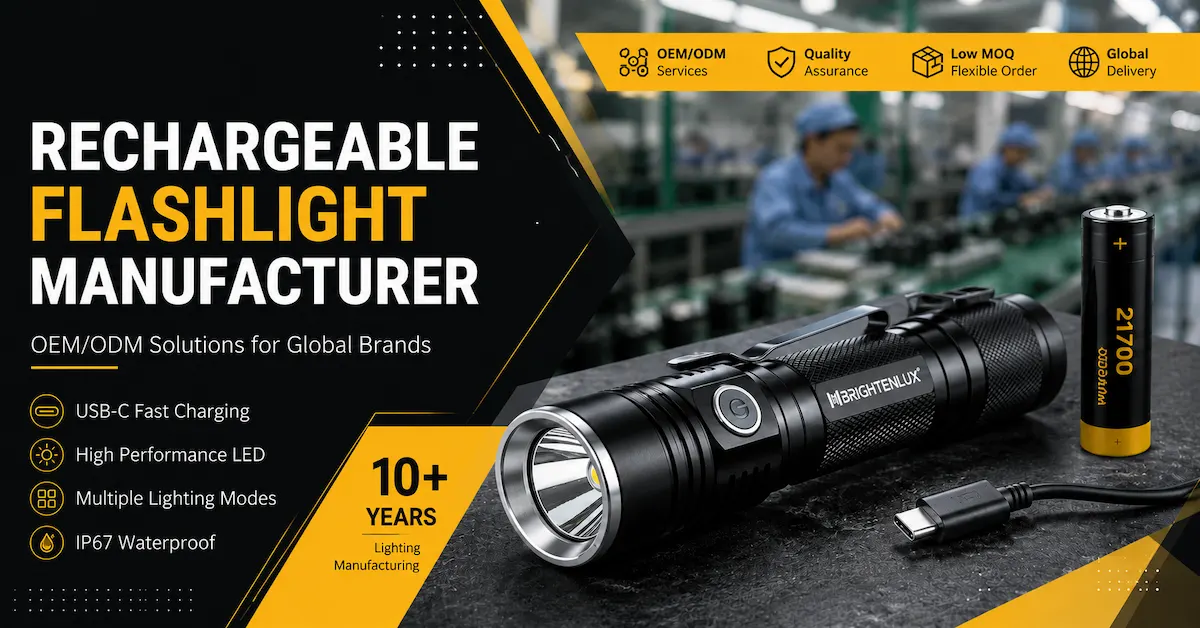
Rechargeable products can also support a more disciplined tool routine. A service light can be topped up during shift changes, tool returns, or workshop resets. Many sourcing teams therefore ask about a USB rechargeable flashlight, because USB charging is familiar and easy to explain across teams. However, buyers should not assume that rechargeable automatically means better. Battery quality, charge behavior, and protection details still need to be confirmed by the manufacturer.
Housing, Grip, Beam, and Mounting: Core Evaluation Points
A good rechargeable flashlight manufacturer should discuss the product as a working tool, not only as a shell with an LED inside. The supplied product appears to use a compact black body with ribbing or texture for grip. That detail matters when technicians wear gloves or work near residue, oil, dust, or tight cabinet edges.
Beam style is equally important. For cabinet inspection, a focused beam can help illuminate terminals, labels, connectors, and small fasteners without excessive glare. Mounting or positioning is another key point. If the light must be held in one hand, it may not solve the technician’s problem. Buyers should ask whether the unit uses a clip, magnet, bracket, or another stable method for hands-free cabinet-door use.
How to Compare Suppliers Without Getting Lost in Specifications
Specification sheets are useful, but they can mislead buyers when they focus only on headline claims. Two flashlights may look similar on paper and behave very differently once placed inside a cabinet or used with gloves. Industrial buyers should compare suppliers by use case first, then confirm details in writing.
| Buying Factor | Why It Matters |
|---|---|
| Grip and body shape | Affects handling, removal, and positioning during service work. |
| Beam control | Helps technicians read labels and inspect small parts. |
| Charging method | Influences tool routines and readiness across shifts. |
| Mounting style | Determines whether the light is truly hands-free. |
| Status indication | Reduces guesswork in low-light shared-tool environments. |
If your team needs product clarification or sample discussion, use the Brightenlux contact page to reach the supplier directly.
Common Sourcing Mistakes to Avoid
One common mistake is treating all industrial flashlights as interchangeable. A handheld light for general maintenance is not automatically suitable for control cabinets, where space is restricted and beam direction matters. Another mistake is overlooking charging behavior. A rechargeable light only works well if users can recharge it consistently and conveniently.
Buyers should also avoid making assumptions when product data is incomplete. If battery type, runtime, IP rating, charge method, or operating details are not confirmed, do not fill in the blanks. Ask for written information before comparing the product with alternatives. The compact cylindrical form shown in the supplied material suggests easy handling, but buyers should still check whether the switch remains accessible once the light is mounted.
Questions to Ask Before Ordering Samples or Production
Before placing a sample request or production order, ask practical questions that connect directly to the intended work. Is the flashlight rechargeable, and what charging method is used? What is the housing material? Is it metal, engineered plastic, or another construction? How is the unit mounted or stabilized for cabinet-door lighting?
Buyers should also ask whether the beam is intended for inspection, general service work, or both. If the product includes an illuminated switch or status ring, clarify what it indicates. Ask how the flashlight behaves as battery charge declines. These are not complicated questions, but they reveal whether the supplier understands industrial users. To start a structured request, buyers can send details through the Brightenlux inquiry page.
Best-Fit Applications and Next Procurement Steps
Based on the supplied description, this flashlight style is well suited to cabinet inspection, wiring checks, label reading, localized maintenance lighting, workshops, equipment rooms, and service vehicles. The cabinet-door use case is especially relevant because technicians often need both hands free while working in low light.
The best procurement process starts with the worksite, not the catalog page. Define where the flashlight will be used, how it will be positioned, who will charge it, and what task it must support. Then compare suppliers against those needs. A reliable rechargeable flashlight manufacturer should be able to discuss grip, beam control, switch visibility, charging, and daily handling in clear practical terms. Sample testing in a real cabinet or workshop is often the fastest way to judge whether the design fits the routine.
FAQ for Industrial Sourcing Teams
Is a rechargeable flashlight always the right choice for industrial use?
Not always. If a light is used rarely, disposable batteries may still be acceptable. For regular maintenance, inspection, and service routines, rechargeable designs often reduce battery replacement friction and make tool readiness easier to manage, provided the charging method is practical for the team.
Should buyers insist on an aluminum rechargeable flashlight?
Not automatically. Aluminum rechargeable flashlight designs are common because metal housings can offer a useful balance of strength and heat management. However, material choice should follow the use case. Some engineered plastics may also be suitable when weight, handling, or application conditions make them appropriate.
Is USB charging necessary for a maintenance flashlight?
USB charging is not mandatory, but it can be convenient. A USB rechargeable flashlight may fit easily into existing workplace charging habits, especially when tools are shared across shifts. Buyers should still confirm the exact charging method and avoid assuming compatibility without written product details.
What should buyers do if a supplier will not share technical data?
Treat missing data as a risk signal. Industrial buyers should request written information before moving forward, especially for battery details, charge method, runtime, protection, and mounting behavior. If information remains vague, sample testing and clearer supplier communication are essential before any larger purchasing decision.