

Rechargeable Flashlight Manufacturer Guide for Work Lights
Choosing a rechargeable flashlight manufacturer for work lights is not the same as buying a simple promotional torch. B2B buyers need tools that support inspection, repair, and maintenance in difficult environments. The right product must be easy to hold, simple to aim, stable during charging, and durable enough for regular use in service bays, vehicles, workshops, and outdoor job sites. This guide explains how sourcing teams can evaluate design, manufacturing capability, and supplier fit without relying on vague catalog claims.
Understand the Real Use Case
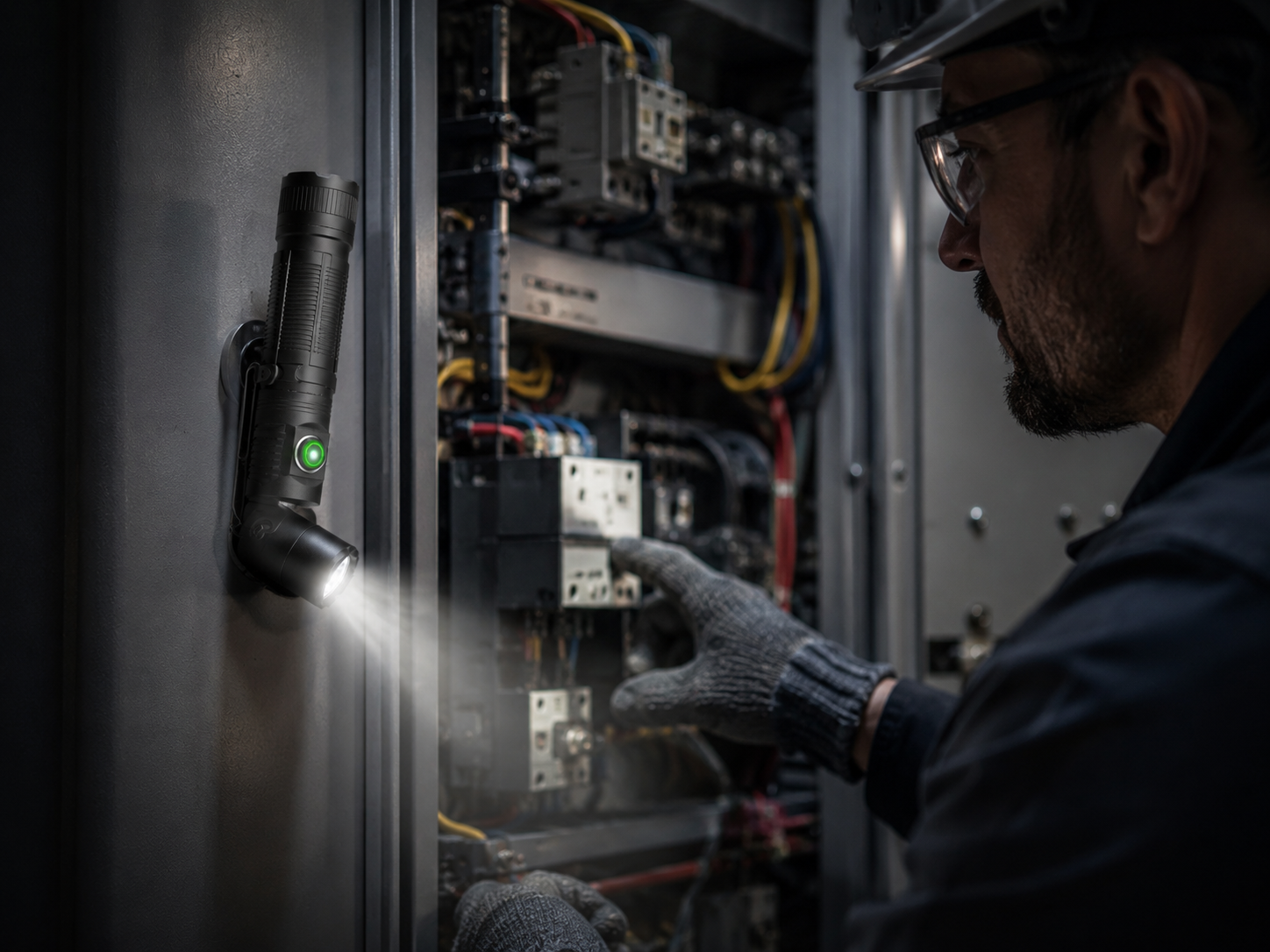
A work-light flashlight is usually used for close-range tasks, not long-distance search. In automotive service, roadside repair, warehouse inspection, or field maintenance, the user often needs to direct light into a tight area while one hand is already occupied. That changes the buying criteria. Beam control, head angle, grip security, switch access, and placement options can be more important than a large brightness number.
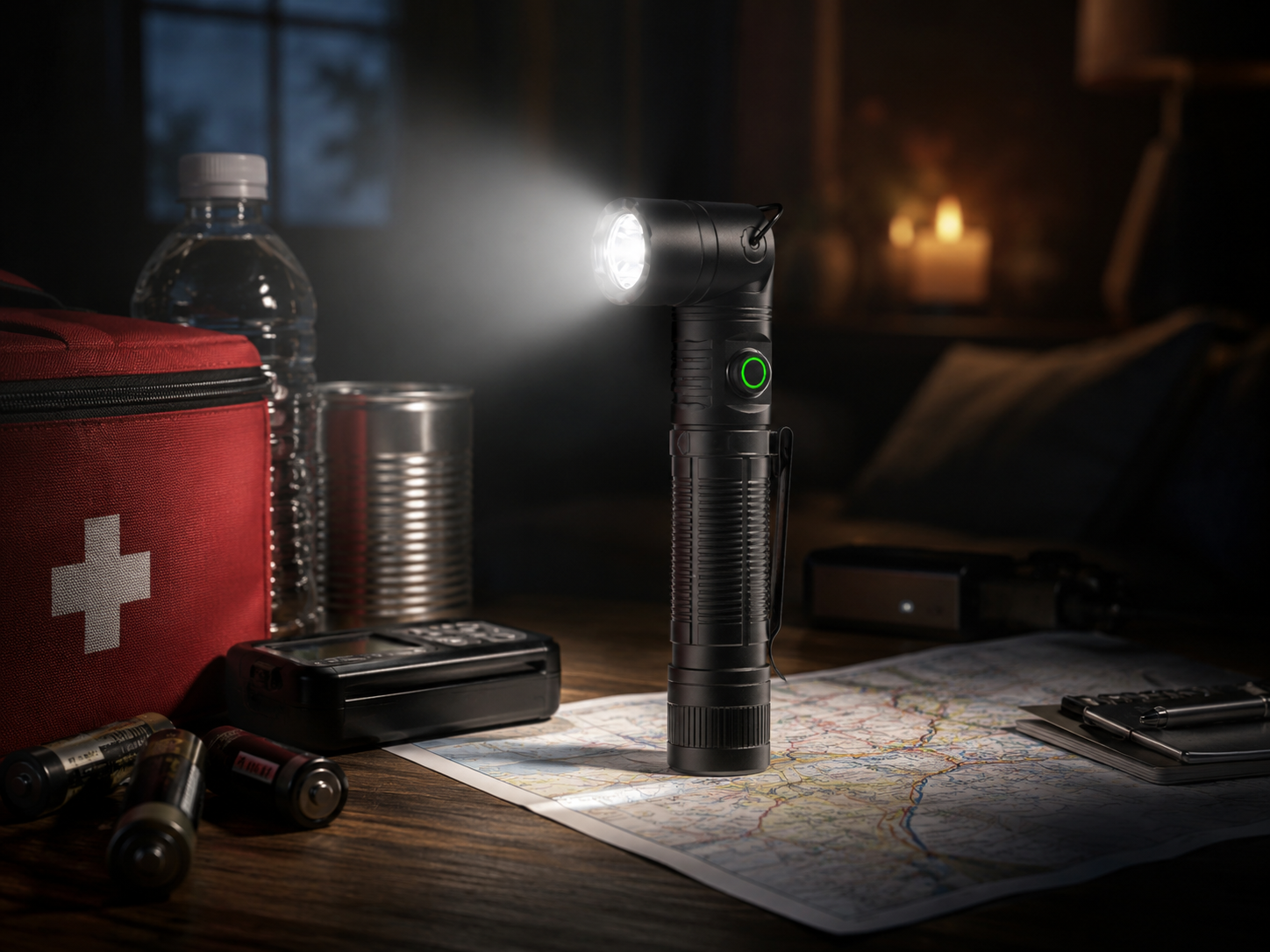
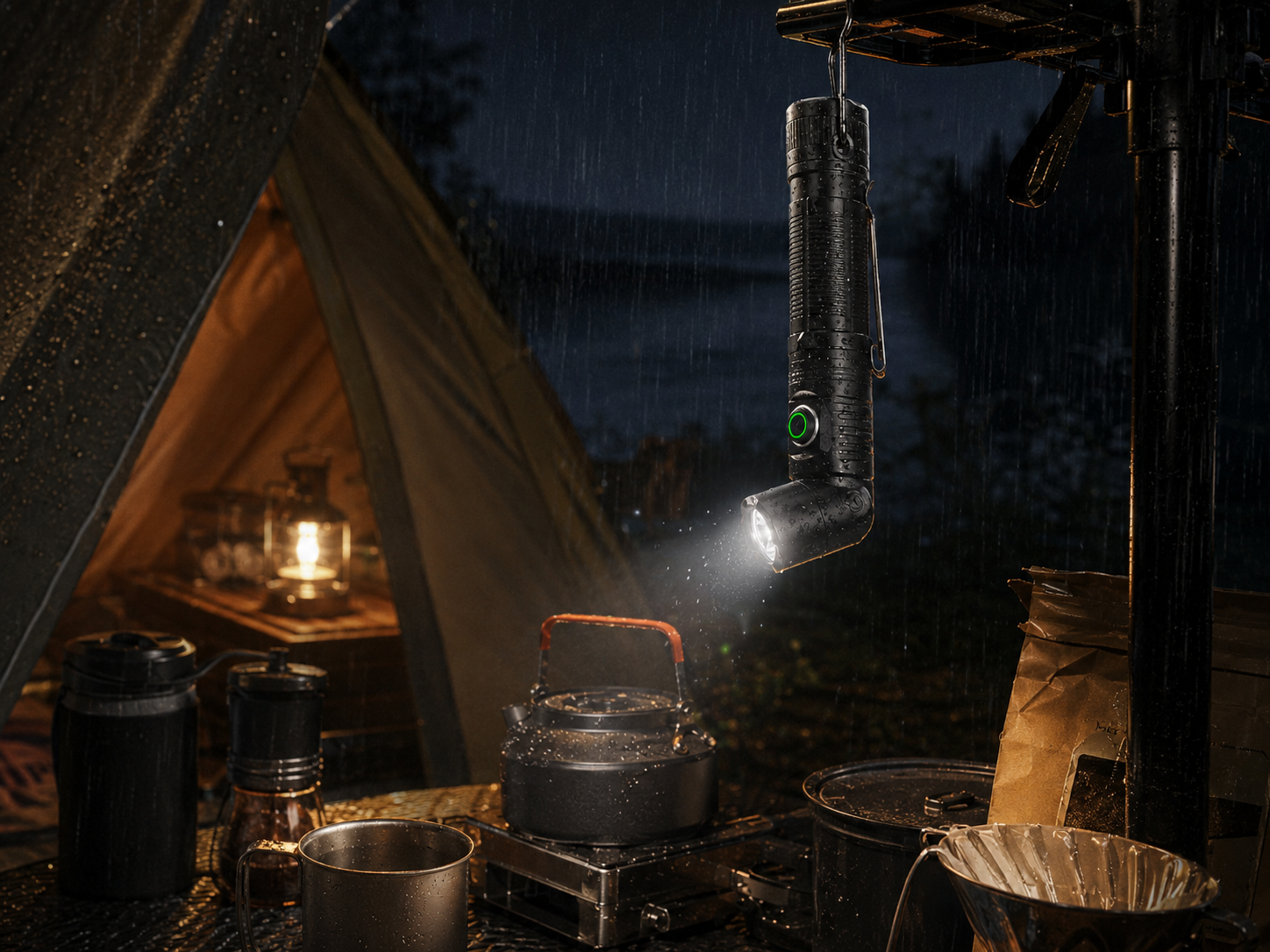
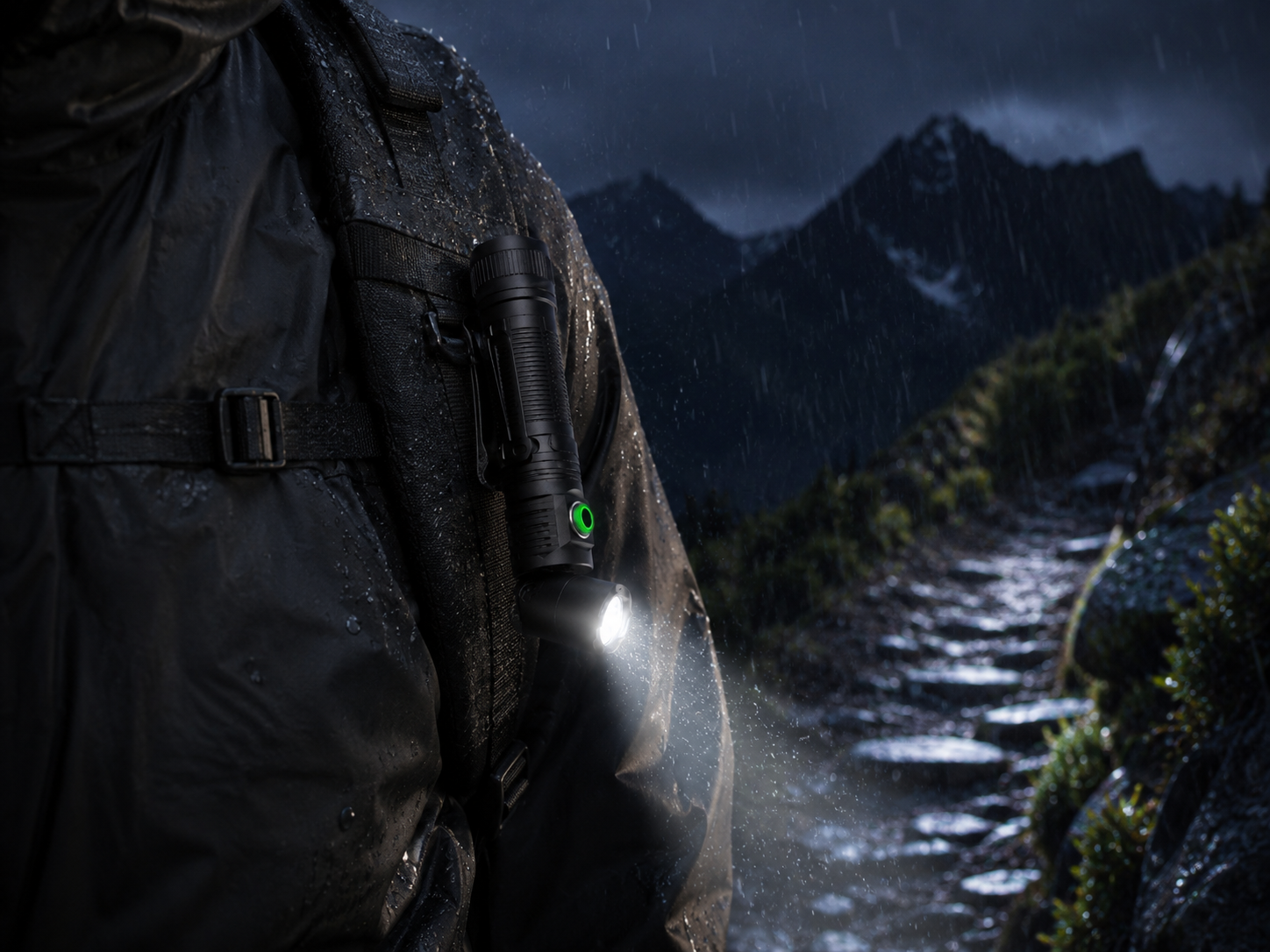
The product style shown in this category suggests a compact inspection tool with a dark cylindrical body and ribbed grip sections. Those visible features are relevant because oily hands, damp surfaces, and awkward working positions are common in the intended environment. Buyers should define where and how the light will be used before reviewing samples or requesting modifications.
Work-Light Sourcing Checklist
A practical sourcing checklist keeps the discussion focused on function instead of appearance alone. Before comparing quotations, decide which features are essential for the target market and which can remain optional. The table below summarizes key points to confirm with a potential supplier.
| Area | What to Confirm |
|---|---|
| Application | Automotive repair, roadside use, inspection, warehouse, or general maintenance. |
| Beam | Close-range spread, direction control, glare reduction, and usable working angle. |
| Body | Grip texture, housing material, lens structure, and resistance to daily handling. |
| Power | Rechargeable system or replaceable batteries, charging method, and protection design. |
| Customization | Branding, packaging, grip pattern, clip, head layout, or control position. |
For reference models and product categories, buyers can review Brightenlux products before preparing a technical inquiry.
Housing, Grip, and Aiming
The housing is not just a shell. It affects comfort, durability, sealing, and how confidently the user handles the light. A ribbed or textured grip can help in greasy, dusty, or damp conditions, while a smooth body may be easier to clean but less secure in real service work. For inspection lamps, the body should feel stable when held with gloves and compact enough to fit near the work area.
A right-angle or pivoting head can be especially useful for mechanics and maintenance staff. It lets the user aim the beam into an engine bay, under a chassis, or inside a panel without forcing the wrist into an uncomfortable position. Buyers should test whether the head angle feels natural and whether any joint remains dependable after repeated adjustment.
Power and Charging Questions
If a product is marketed as rechargeable, the power architecture becomes a major sourcing topic. Do not assume battery type, charging interface, or protection design from photos alone. Confirm whether the light is truly rechargeable, how it is charged, where the charging port is located, and how the interface is protected from dirt and moisture. If it uses replaceable batteries instead, the service model and customer expectations change.
Runtime should be discussed in relation to actual working patterns rather than as an isolated specification. Some users need short bursts during inspections, while others need longer use during breakdown response or night maintenance. Sourcing teams should ask how the product behaves over repeated charging cycles, how the switch and charging area are assembled, and whether the supplier can explain these details clearly.
Manufacturing Method and ODM Fit
Most industrial portable lights combine an injection-molded housing, LED module, lens, switch, power system, and sealed joints. The structure may sound simple, but small manufacturing choices strongly affect field performance. Lens alignment, switch feel, joint tolerance, reflector design, battery protection, and the thermal path inside the housing can separate a dependable work light from one that creates warranty complaints.
An ODM flashlight factory can be useful when buyers want an existing platform adapted for their market. This may include branding, packaging, grip texture, charging layout, clip design, or control placement. The advantage is lower development risk than starting from a blank design. The limitation is that an existing platform may include geometry or components that are not ideal for every application. Buyers should ask how far customization can go before tooling or structural redesign becomes necessary.
Compare Suppliers Beyond Catalog Claims
When evaluating a rechargeable flashlight manufacturer, compare suppliers by application fit rather than catalog language. Phrases such as rugged, waterproof, or professional should be supported by clear construction details or verified claims. If no rating or test method is provided, avoid building your purchase specification around that statement. A responsible supplier should be able to explain how sealing is handled at the lens, switch, body joints, and charging area.
Also look for signs that the supplier understands field-service use. Can they discuss beam shape for close-range work? Can they explain why a head angle, grip pattern, or switch position was chosen? Can they support cosmetic customization and functional tuning? If your team is ready to share requirements, send a structured request through the Brightenlux inquiry page so the discussion starts with the real application.
Sample Testing Before RFQ Approval
Sample evaluation should be close to the customer’s actual environment. Put the light in an engine bay, hold it with gloves, operate the switch repeatedly, and check whether the beam helps or creates glare. Use it around dust, damp surfaces, and confined spaces. A sample that looks good on a desk may feel less practical during real repair or inspection work.
Buyers should also inspect details that are easy to overlook: lens fit, switch consistency, grip comfort, charging-port access, head stability, and how the body feels after repeated handling. If branding, packaging, clips, magnets, or indicators are important, confirm them instead of inferring from a photo. For project support or supplier discussion, contact the Brightenlux team through contact us with your intended use case and customization needs.
FAQ
Is a rechargeable flashlight always better than a corded work light?
Not always. Rechargeable work lights are useful for mobility, roadside repair, and quick inspection tasks where a power outlet is not convenient. Corded lights can still suit fixed workstations or long-duration bench work. The best choice depends on how often users move and where the light will operate.
Should buyers prioritize lumens or beam control?
For inspection lamps and automotive work lights, beam control is often more important than maximum brightness. A wide, controlled beam can make close-range tasks easier, while an overly harsh hotspot may create glare or deep shadows. Buyers should evaluate the beam in the actual working distance.
Why work with an ODM flashlight factory?
An ODM factory can help buyers adapt an existing work-light platform with branding, packaging, grip changes, or other practical adjustments. This can reduce development complexity compared with a fully new design. However, buyers should confirm whether functional changes are possible or limited by the current structure.
What should be confirmed before placing an order?
Confirm the power system, charging method, housing and lens materials, switch design, sealing approach, and available customization options. If environmental resistance or durability claims matter to your market, ask how they are verified. Clear confirmation before ordering helps avoid mismatched expectations after production.