

Magnetic LED Flashlight Supplier Guide for Warehouse Buyers
A magnetic LED flashlight supplier may not be the first vendor a warehouse manager considers, but this product category often becomes important during real operations. Staff need portable lighting for inspections, stock counts, maintenance checks, security rounds, and work in dim storage areas. When a light can stay in place on a compatible metal surface, it can free both hands and reduce small delays. For B2B buyers, the goal is not to find the most dramatic flashlight image. It is to source a practical tool that fits daily warehouse workflows and can be verified before ordering.
Why Warehouse Buyers Search for Magnetic LED Flashlights
Warehouse lighting problems are usually routine rather than dramatic. A label sits in shadow, a pallet position needs confirmation, or a maintenance worker needs to see inside a cabinet. In these moments, a compact work light can save time if it is easy to carry and simple to position. The magnetic concept matters because hands-free use can support inspection, picking verification, and equipment checks. Buyers searching for this product are often comparing more than flashlights. They are deciding whether a direct source, such as an LED flashlight manufacturer or specialized supplier, can provide consistent products for repeated use across shifts and departments.
Where This Flashlight Fits in Daily Operations
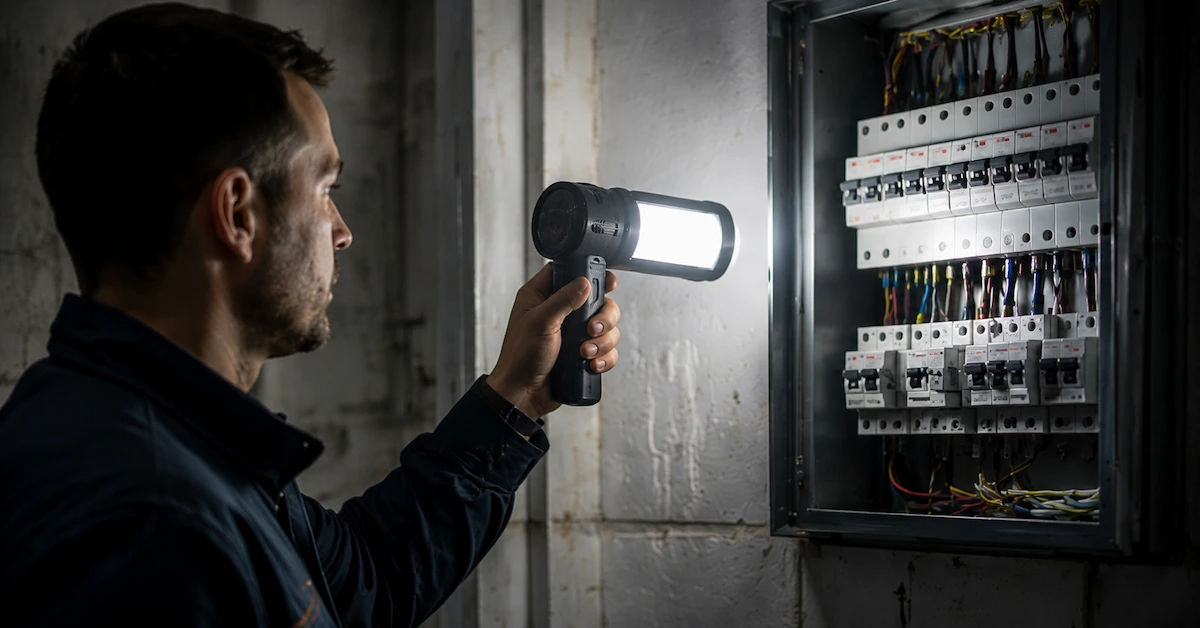
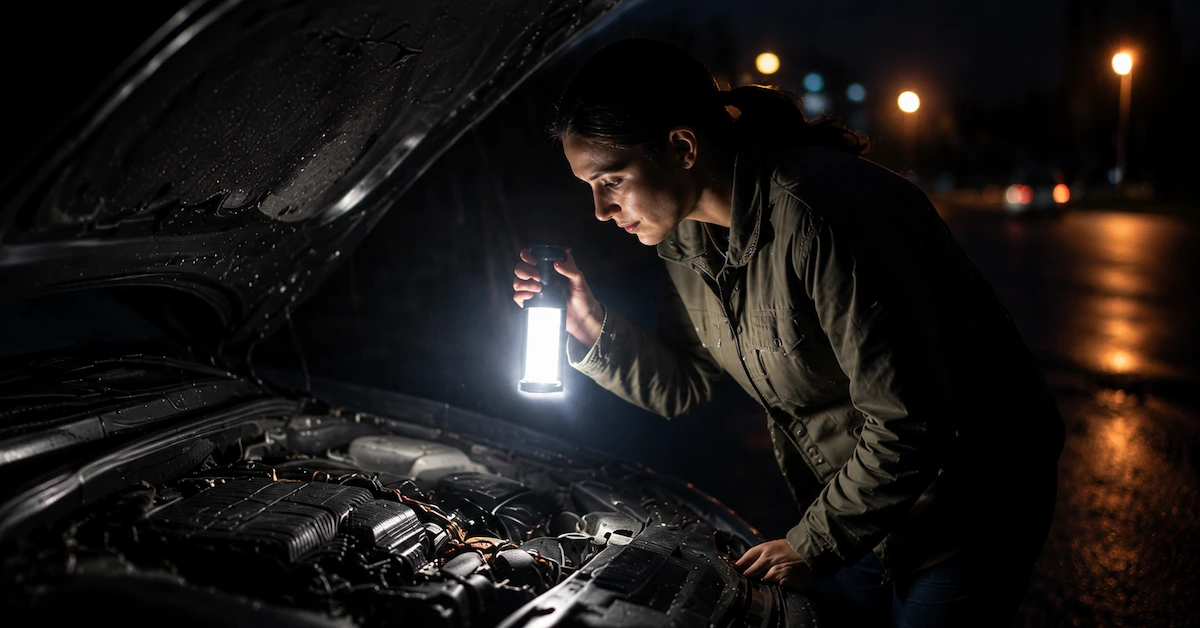
The product described in the source appears to be a compact handheld torch with a narrow cylindrical body and a slightly larger head for a focused beam. The visible black finish and simple one-hand shape suggest a practical work light rather than a decorative consumer item. In a warehouse, that type of design usually fits inspection kits, maintenance bags, stockroom use, and shift handover tools. If a magnetic base or clip is included, it may support hands-free placement during specific tasks. However, buyers should not assume the attachment method, power source, or internal construction from appearance alone. Those details need direct confirmation before purchase.
Practical Benefits of Hands-Free Work Lighting
A magnetic flashlight can be useful when workers need to keep both hands available. During order checks, equipment inspections, and security rounds, holding a light in one hand may slow the task or force awkward positioning. If the light can attach securely to a suitable metal frame or surface, staff can read labels, check part numbers, or examine a machine area more comfortably. The benefit is not only convenience; it can also reduce avoidable reading errors in dim locations. Still, magnetic performance varies. A buyer should ask where the magnet is located, how it is integrated, and whether the light remains stable on vertical or uneven metal surfaces.
Key Buying Criteria for Industrial Sourcing
For professional use, a flashlight should be evaluated as a work tool, not just as a lighting accessory. Beam pattern, power system, body material, grip, and attachment design all affect daily usefulness. The available information does not confirm brightness, runtime, battery type, charging method, material, IP rating, or test results, so those points should be verified with the supplier. A sample is especially helpful because warehouse staff often use lights with gloves, in a hurry, or from awkward angles. Buyers can start with a simple comparison table before requesting technical details through Brightenlux inquiry.
| Criteria | What to Verify |
|---|---|
| Beam | Focused or broad enough for the task |
| Power | Battery type, charging method, and runtime data |
| Body | Material, finish, grip, and everyday durability |
| Magnet | Placement, stability, and intended use surfaces |
Questions to Ask a Magnetic Flashlight Supplier
Before ordering, sourcing teams should ask direct, practical questions. Confirm whether the light is LED and whether the LED module is integrated or replaceable. Ask how the product is powered, whether it is rechargeable or uses replaceable cells, and what documentation supports any runtime claim. Request details about the beam pattern rather than relying only on brightness language. If the product is sold as magnetic, ask whether the magnet is built into the base or added as another feature. Also confirm whether the body is metal, polymer, or a combination. Clear answers help separate a useful warehouse tool from a catalog-only option.
Common Purchasing Mistakes to Avoid
One common mistake is buying by appearance. A slim black flashlight can look professional without meeting the needs of staff who use it every day. Another mistake is focusing only on brightness while ignoring beam control. Too much spill can make label reading harder, while too narrow a beam may not suit broader inspection areas. Buyers also sometimes assume the word industrial means the product is rugged, sealed, or tested. Unless the supplier provides exact specifications or test information, those claims should not be assumed. Finally, remember repeat purchasing. If the flashlight will be issued across shifts, consistency and replacement availability matter.
How to Sample and Compare Before Ordering
The best evaluation happens in the actual work environment. Test the flashlight in a dim aisle, near upper racks, beside storage cabinets, and around the equipment your team checks most often. If a magnetic feature is part of the product, test it on the same metal surfaces used in your facility, not just on a desk or display stand. Ask workers whether the body is comfortable to grip, whether the switch is simple, and whether the light is easy to carry during a normal shift. Buyers can review related lighting options at Brightenlux products before narrowing the sample list.
Next Steps for Warehouse Procurement Teams
Start with the task, not the product photo. Decide whether the light will be used for stock counts, order picking checks, maintenance rounds, security patrols, or general emergency support. Then match the form factor and beam style to that task. Ask the supplier for confirmed technical details and avoid filling in missing information with assumptions. For B2B purchasing, packaging, product identification, repeatability between batches, and support for reorder planning are also important. If your team needs guidance or wants to confirm available models, contact Brightenlux with your application details and sourcing questions.
FAQ
Is a magnetic LED flashlight suitable for warehouse work?
It can be suitable for common warehouse tasks such as inspection, stock counts, picking checks, and dark shelf areas. Final suitability depends on confirmed specifications, including beam pattern, power system, runtime, body construction, and the actual performance of any magnetic attachment in your specific environment.
Can buyers assume the flashlight is rechargeable?
No. The source information does not confirm the battery type or charging method. Buyers should ask the supplier whether the flashlight is rechargeable, uses replaceable cells, or has another power arrangement, and should request clear runtime information before making a purchasing decision.
Is the magnetic feature fully confirmed from the product image?
No. The sourcing topic refers to a magnetic LED flashlight supplier, but the visible product details do not fully confirm how the attachment works. Buyers should ask whether the magnet is integrated, where it is located, and whether it is stable on the surfaces used in their facility.
What should be compared between flashlight suppliers?
Compare beam quality, power system, body material, grip, switch design, magnetic placement, and supplier clarity. For warehouse procurement, sample testing in real aisles, cabinets, and maintenance areas is more reliable than relying only on catalog wording or product images.