

LED Flashlight Supplier Guide for Workshop and Automotive Use
When buyers look for an LED flashlight supplier, they are usually solving a work problem, not shopping for a novelty item. In workshop and automotive settings, the right light has to fit tight spaces, stay put, and support hands-on tasks without adding clutter or frustration. If you are comparing options, start with real use conditions and browse the products that fit those environments.
The supplier matters as much as the light itself. A promising sample is not enough if the broader product line cannot support steady sourcing, practical design, and repeatable quality. For repair bays, tool carts, and maintenance crews, the best choice is the model that works naturally in the job, not the one that only looks good on paper.
Why buyers look for an LED flashlight supplier in the first place
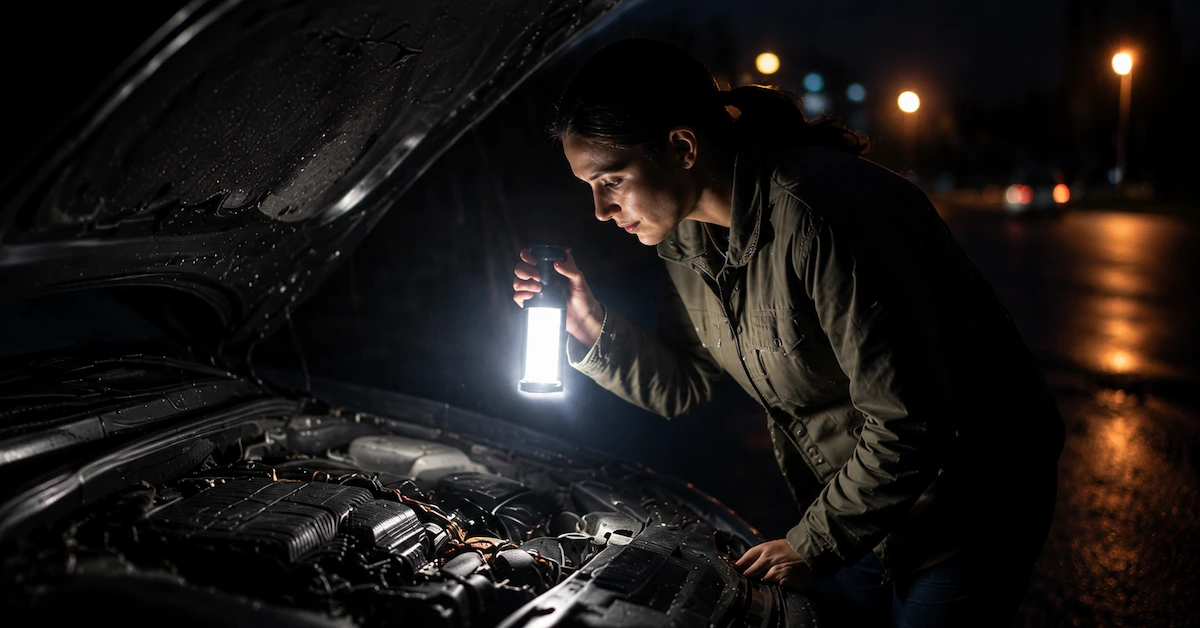
Most buyers are not seeking the "brightest" model possible. They are trying to give technicians reliable light where overhead fixtures do not reach. In an automotive bay, for example, a clipped-under-hood light can turn a slow inspection into a smoother repair because the beam reaches the working area without blocking access. That is why sourcing teams often evaluate fit before anything else.
The key questions are practical: does the light behave well in a cramped engine bay, can it be aimed without slipping, and is it compact enough for toolboxes and service carts? Just as important, can the supplier provide a consistent product line rather than a one-off sample? In B2B buying, repeatability usually matters more than a single impressive demo.
What a good workshop flashlight has to do
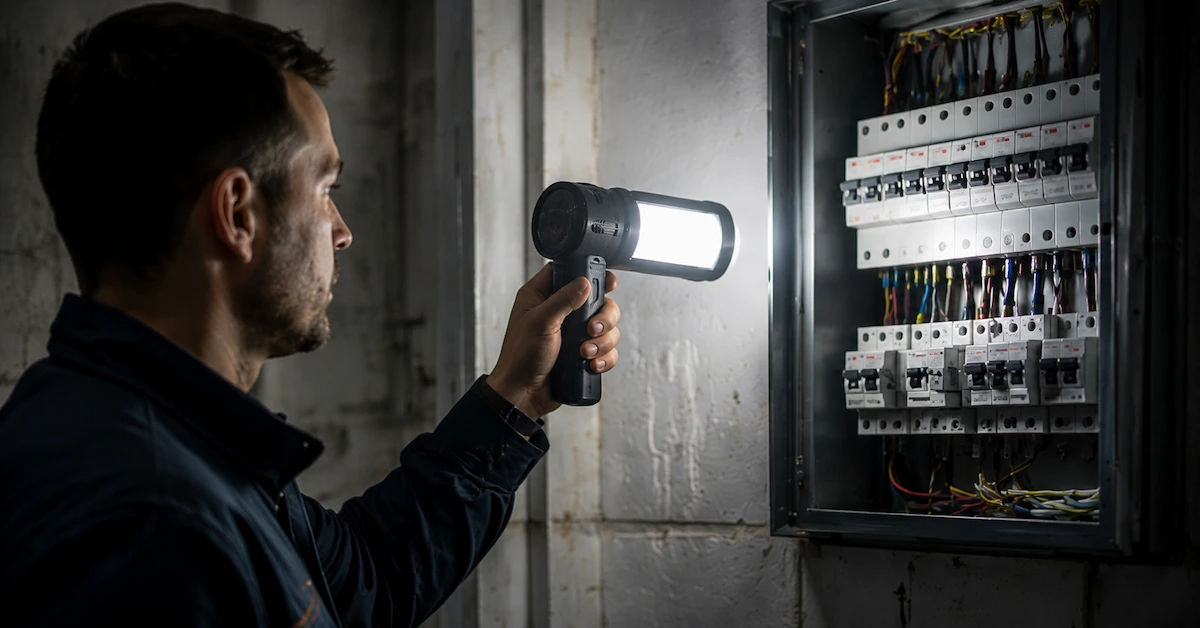
A workshop flashlight does more than switch on. It needs to throw a focused beam into a dark cavity, leave both hands free for tools, and hang or stand in a position that does not block the repair. That combination is what makes a light useful in service work instead of merely portable.
For automotive and maintenance buyers, the enclosure, mount, beam control, and power system deserve close attention. A battery powered flashlight may be fine for general carry, but under-hood work often benefits from a shape that can clip, hook, or stand in place. The goal is simple: the light should support the task without demanding constant adjustment.
Quick comparison: shop use versus general carry
It helps to separate flashlight types before comparing suppliers. The right model depends on whether the user is repairing equipment, checking inventory, or carrying a backup light in a pocket. The table below keeps the distinction simple.
| Type | Best use | Main tradeoff |
|---|---|---|
| Under-hood work light | Engine bays, inspection, maintenance | Built for positioning rather than pocket carry |
| Handheld general-purpose light | Quick checks and walkaround tasks | Less useful when both hands are busy |
| Compact pocket light | Backup or personal carry | Smaller size often means fewer mounting options |
This comparison is useful because it keeps sourcing grounded in the job. A mini LED flashlight may be easy to stock, but if it cannot illuminate the repair zone or stay in place, it becomes a convenience item rather than a workshop tool. For shop use, function should lead form.
What to look for in a supplier, not just the product
A strong LED flashlight supplier should be able to explain design details that matter in use, not just headline features. Ask about housing material, switch feel, beam pattern, attachment method, and battery configuration. Also clarify whether the product is intended for consumer carry, workshop service, or broader maintenance use. Those distinctions help prevent mismatch later.
It is worth asking practical questions early: can the body handle repeated handling, grease, and glove contact; does the clip or hook hold securely; and does the head stay aimed once positioned? If you want to discuss a specific use case, you can contact us with the working environment and expected workflow. The clearer the use case, the easier it is to judge whether the supplier is offering a real shop solution.
Common construction details that matter in service environments
From the visible work-light example in the source, the housing appears matte or semi-matte black with a ribbed grip and a pivoting head. That combination is familiar in shop tools because it balances control and durability. A textured surface helps when hands are oily or gloved, while a cylindrical or slightly elongated body is easier to carry and store.
In manufacturing terms, these lights are often associated with injection-molded housings and LED illumination assemblies, though the exact processes and material grades vary by supplier. Buyers should not assume those details without documentation. If the light will be used in a shop, ask for the actual build information, especially where solvents, vibration, and repeated handling are part of daily work.
How to judge beam quality without overcomplicating it
Beam quality is often misunderstood because buyers focus on output numbers first. The better question is what the beam does in the space where the tool is used. A bright spot with poor distribution can create glare on shiny engine parts and leave the working edges in shadow. That may be fine outdoors, but it is less helpful in a crowded bay.
For engine bay work, a controlled beam with enough spill to light the surrounding area is often more practical than an aggressively narrow spotlight. The light should help the mechanic read fasteners, connectors, and hoses without constant repositioning. If samples are available, test them in a mock repair setup rather than on a desk. The difference usually appears quickly.
Battery system choices and why they affect total cost
Buyers often begin with runtime and ignore logistics. That is a mistake. A battery powered flashlight may be convenient, but the real cost includes charging, rotation, storage, and replacement over time. If technicians use the light every day, power management matters as much as brightness.
It helps to clarify whether the product uses disposable batteries, rechargeable packs, or a fixed internal battery. Disposable cells are simple to issue but create ongoing replacement needs. Rechargeable units can be efficient in a fleet if charging is realistic. Internal batteries keep the form factor compact, though long-term serviceability may be limited. If your team is still defining the right approach, send the use case through an inquiry so the supplier conversation starts with the actual operating model.
Selection checklist for sourcing teams
If you are comparing suppliers for workshop or automotive use, focus on what affects daily work and repeat ordering. A useful light should be consistent from unit to unit, comfortable with gloves, secure when mounted, and durable enough for routine shop handling. Product documentation and replenishment support also matter because the flashlight program is only useful if it can be maintained.
Use this short checklist to narrow the field: product consistency, usability with gloves, mounting and aiming stability, physical durability, and supply support. It also helps to think from the user’s point of view. Technicians want a light that behaves predictably, while sourcing teams want stable supply and manageable complaints. If those needs line up, the supplier is worth a closer look.
FAQ
Is a workshop light the same as a general flashlight?
Not really. A workshop light is usually designed to free the hands, aim the beam into confined spaces, and stay in place while work continues. General flashlights are more portable, but portability is not always the same thing as usefulness in repair work.
Should I choose a compact or full-size model?
Choose based on the job. A compact light is easier to issue and carry, while a larger or more specialized work light may be better under a hood or inside equipment where positioning matters more than pocket size. The environment should decide the format.
What matters more: brightness or mounting?
For most service applications, mounting and beam control come first. Brightness helps, but only if the light can be placed where the mechanic needs it. If the beam cannot stay in position or lands in the wrong place, higher output will not solve the problem.
What should a buyer test before a repeat order?
Test the light in the actual work area, not just on a bench. Check whether it stays aimed, how it feels with gloves, and whether the housing and attachment method suit the task. That simple review often reveals more than a spec sheet comparison.