

LED Flashlight Supplier Guide for Outdoor and Emergency Lights
Choosing an LED flashlight supplier is not only about buying a compact light. For camping gear brands, emergency kit assemblers, industrial distributors, and private-label buyers, the decision affects product consistency, carry comfort, packaging, and customer confidence. A flashlight may look simple, but it combines housing design, optics, electronics, surface finishing, clips, switches, and assembly control. When the end user is outdoors, working in low light, or relying on a stored emergency item, small weaknesses become visible quickly. This guide explains how B2B buyers can evaluate suppliers more clearly before placing orders.
Start With the Use Case Before Comparing Suppliers
Before reviewing catalogs or samples, define what the flashlight must do for your market. A compact clip-on light for backpacking needs to be easy to carry and sturdy enough for repeated attachment to straps, belts, or packs. An emergency light should be intuitive and ready when stored for long periods. A work light for hands-free tasks needs stable mounting, practical beam direction, and controls that are easy to find in low light.
This brief should come before supplier selection. Instead of asking for a general “good flashlight,” identify whether you need a handheld or right-angle style, clip-on or standalone format, focused or wider beam behavior, outdoor carry or shop use, and budget or premium positioning. A supplier can only respond well when the product profile is clear.
Read Product Details as Manufacturing Clues
The source product description points to a compact handheld or right-angle camping work light with a cylindrical black body, side-mounted round LED head, front lens, textured grip sections, and metal pocket clip. It is shown attached vertically to a webbing strap, which suggests a design intended for carry, not only bench use.
Those visible details reveal practical manufacturing priorities. The body must protect the electronics while remaining compact. The pocket clip should retain grip through repeated use. The matte black finish may hide wear better than a glossy surface, but it still needs abrasion resistance. Water droplets on the surface suggest splash exposure may be relevant, although no formal IP rating should be assumed. The side control area also needs to be easy to locate by touch, especially in low-light use.
Evaluate Construction, Beam Behavior, and Carry Design
When comparing an LED torch supplier, focus on the details that affect real use. Ask how the housing is made and assembled. The exact process may be machined, molded, or mixed, depending on the design, but repeatability matters most. Check whether the body aligns cleanly, the lens seats properly, the switch action feels consistent, and the clip remains secure.
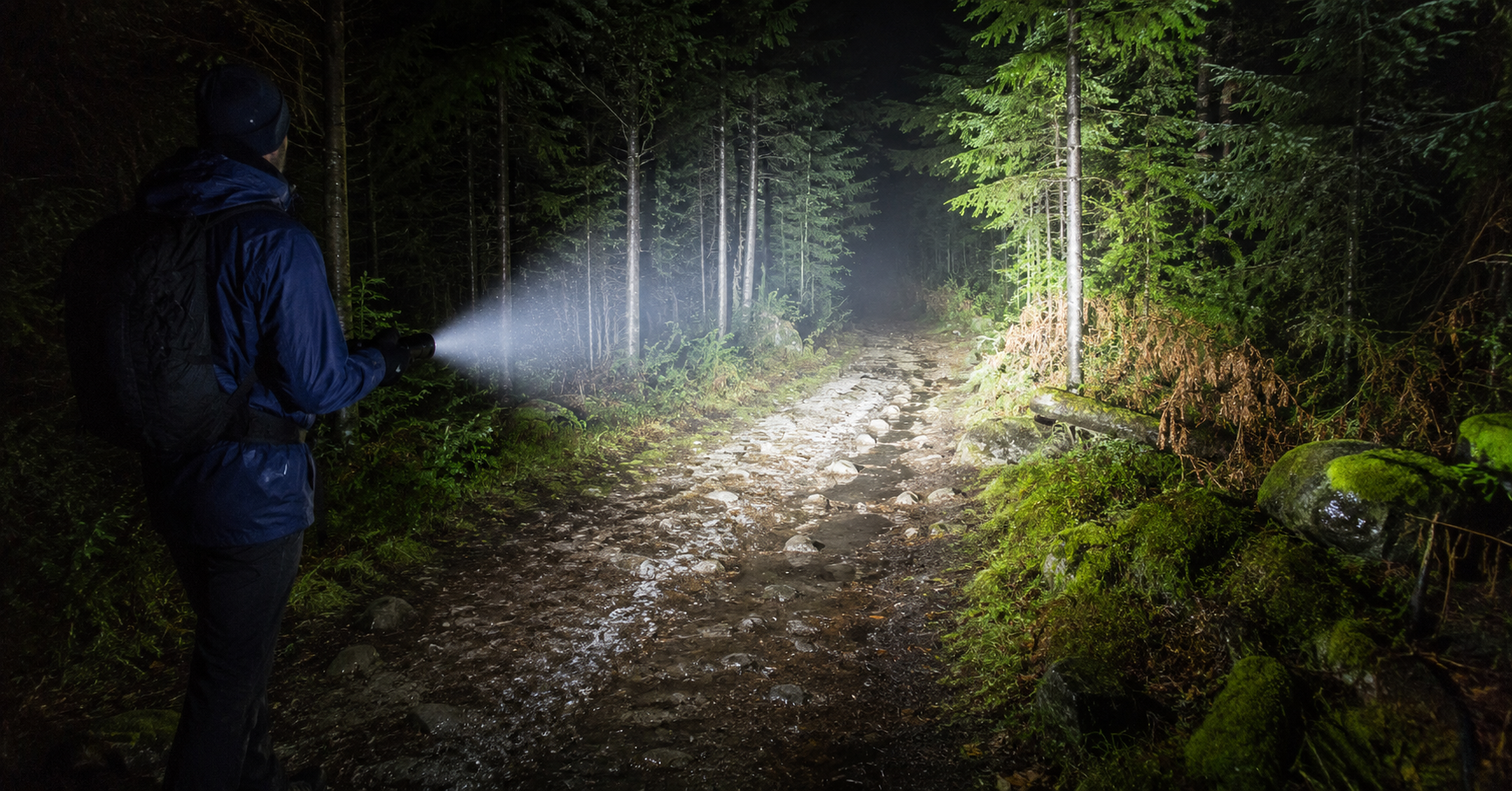
Optical behavior should also match the market. A focused beam can support navigation or distance spotting, while broader spill may help with campsite setup or close work. Carry design is equally important. A clip should hold without making the product awkward to use, and textured grip sections should support handling with wet fingers or gloves. For related product options, buyers can review Brightenlux products.
Check Weather Exposure Claims Carefully
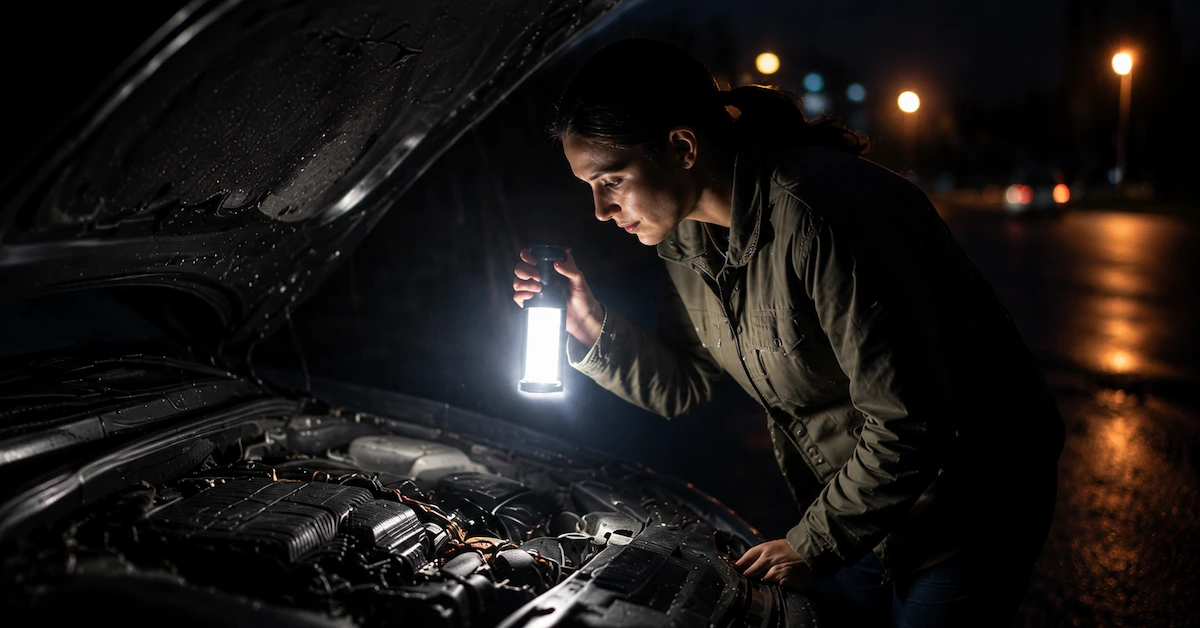
Outdoor and emergency flashlight sourcing often involves damp handling, rain, wet packs, or changing storage conditions. The product image includes water droplets, but buyers should not assume any exact protection level unless the supplier provides it. A light may appear well sealed while still depending heavily on assembly quality around the lens, switch, any charging area if present, and clip attachment points.
For B2B buyers, the practical question is not whether a catalog says “weather resistant,” but what that means for the intended channel. A flashlight used in camping kits may face different conditions from one stored in an emergency pack or used for late-night repairs. Ask the supplier to clarify limitations around water exposure and repeated wet/dry cycles. Clear answers reduce the risk of returns and customer disappointment.
Avoid Common Sourcing Mistakes
Flashlights can look straightforward, which is why sourcing teams sometimes over-focus on a single headline feature. Maximum brightness claims do not explain how a product behaves in a pocket, on a strap, in damp conditions, or after frequent handling. A strong first sample can also hide weak batch control, especially if later production introduces loose clips, uneven finish, inconsistent switch feel, or poor assembly alignment.
Use a compact checklist during early supplier review:
| Checkpoint | Why it matters |
|---|---|
| Clip retention | A weak clip makes carry unreliable. |
| Switch access | Users need fast operation in low light. |
| Finish quality | Visible wear affects retail perception. |
| Beam behavior | Output must suit the actual task. |
| Assembly consistency | Batch variation can increase complaints. |
These checks help separate practical products from attractive samples that may not perform consistently in the field.
Ask Practical RFQ Questions Before Ordering
A useful RFQ should cover both product performance and production discipline. Ask what body and clip materials are used, how the matte finish is applied or achieved, and what checks are performed for switch function and assembly consistency. If the light will be sold under your brand, ask whether the supplier can support your branding and packaging requirements without turning every adjustment into a special project.
Also ask which use case the product best fits: outdoor carry, work lighting, emergency kits, or another channel. Request clarification on known limitations around water exposure, impact, or clip wear. Strong suppliers answer plainly and specifically. Weak suppliers often rely on vague confidence and broad adjectives. If your team is ready to discuss requirements, you can contact Brightenlux through the contact page or send details via the inquiry form.
Match the Flashlight to Your Sales Channel
Different channels value different details. Camping and hiking buyers often care about compact size, carry convenience, grip, and beam usefulness. Emergency preparedness programs may prioritize reliability, simple operation, and shelf-ready presentation. Hardware distributors and industrial buyers often focus on durability, repeat ordering, and whether the product performs consistently across batches. Private-label brands also need the visual identity to fit their range, including finish, clip style, product photography, and packaging format.
The described black, clip-on, right-angle style light can fit several markets, but not in the same way. That distinction matters. A versatile flashlight is not necessarily a generic one. Good sourcing starts by deciding how the product will be used, displayed, and judged by the end customer, then selecting a supplier that can support that positioning consistently.
Sample Early and Test the Details
Serious buyers should request samples early and test them in conditions close to customer use. Clip the light to straps, carry it in a bag, handle it with damp hands, and check how the beam behaves in a tent, stairwell, dark room, or repair scenario. This kind of review often reveals more than a polished product page.
Pay attention to the details customers notice first: clip security, scratch visibility, balance in hand, switch feel, and whether the light is convenient to use without thinking. A capable LED flashlight manufacturer should be able to discuss construction, carry design, packaging, and production consistency clearly. To compare sourcing possibilities, start with the product range and prepare a brief around your real market needs.
FAQ
What should I ask an LED flashlight supplier first?
Start by explaining the intended use case, such as outdoor carry, emergency kits, or utility work. Then ask about housing construction, clip design, switch function, weather exposure expectations, and branding or packaging support. These questions help the supplier recommend a product that fits your channel instead of offering only a general flashlight.
Is a right-angle flashlight better than a straight handheld flashlight?
Neither format is always better. A right-angle light can be convenient when clipped to a strap, belt, or pack for hands-free use. A straight handheld flashlight may feel more natural for general carry. The better choice depends on how your end customers will hold, mount, store, and operate the light.
Can I assume a water-resistant flashlight is suitable for outdoor use?
No. Water-resistant descriptions can mean different things, and no exact protection level should be assumed unless the supplier provides it. Ask how the lens, switch, body, and other possible openings are protected. Also clarify any known limits around rain, spray, wet handling, or repeated wet/dry exposure.
Why is one strong sample not enough for B2B flashlight sourcing?
A single sample may look excellent while later production varies in switch feel, clip strength, finish quality, or assembly alignment. For branded kits, retail programs, and distributor orders, consistency across batches matters more than one impressive unit. Ask about production samples, documentation, and quality checks before confirming larger orders.