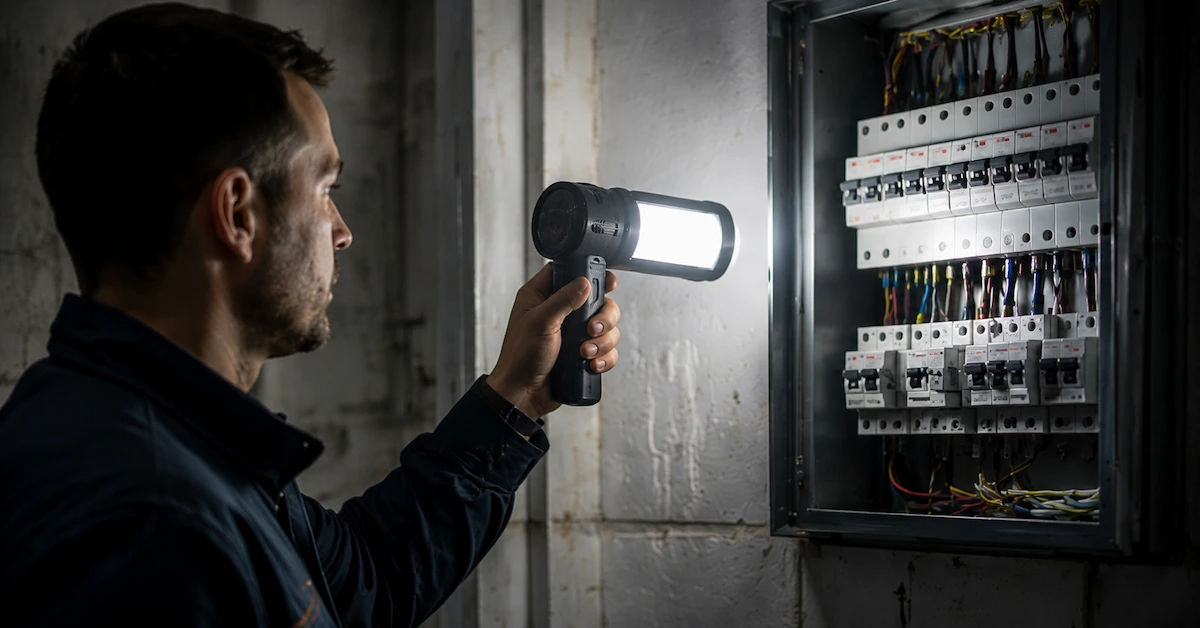


LED Flashlight Supplier Guide for Industrial Maintenance Buyers
Choosing an LED flashlight supplier for industrial maintenance is not just about finding a light that turns on. Buyers need tools that support real work around machinery, service bays, low-light repair areas, and field environments. The right flashlight, headlamp, or inspection light helps technicians see details, keep both hands free, and avoid delays caused by weak beams or poor battery planning. This guide explains what sourcing teams should compare before placing an order and how to build a shortlist around actual maintenance tasks.
Start With the Maintenance Problem, Not the Catalog
In industrial maintenance, lighting is part of the workflow. A technician may need to inspect wiring, confirm hose connections, locate a fastener, or examine metal housings inside a cramped compartment. In those situations, a general warehouse torch may not be the best tool. The light must fit the space, the worker’s posture, and the need for accurate visibility.
Buyers should begin by asking where the lights will be used most often. Tight access around machinery, oily hands, glove use, intermittent power, and low-clearance service areas all affect the decision. A light that looks strong on a product page may still be ignored if it is too bulky, awkward to switch on, or unable to stay aimed at the work area.
Quick Comparison Checklist Before Purchase
A sourcing review should look beyond the headline brightness number. Lumen output matters, but it is only one part of a practical industrial lighting decision. Beam shape, charging routine, durability, and hands-free use often decide whether workers trust the tool during daily maintenance.
| Factor | What Buyers Should Check |
|---|---|
| Beam pattern | Spot beams suit narrow inspection paths; flood beams help with surrounding components. |
| Runtime | Compare performance across usable modes, not only catalog conditions. |
| Charging | Confirm whether USB charging, docks, vehicles, or replaceable batteries fit the workflow. |
| Durability | Review housing, switch design, lens protection, and tolerance for daily handling. |
| Hands-free use | Consider headlamps, angled lights, clips, or magnetic designs where tools require both hands. |
For current options, buyers can review the Brightenlux product range at Brightenlux products and compare form factors against site requirements.
Why High Lumens Alone Can Mislead
Many procurement discussions start with lumens because the number is easy to compare. However, higher output does not automatically mean better maintenance performance. In confined spaces, an oversized beam can reflect off metal, wash out detail, or create glare that slows inspection. A controlled beam with suitable brightness may be more useful than a much brighter light that drains quickly or throws light everywhere.
When evaluating a high lumen flashlight supplier, buyers should connect brightness to the task. Long, narrow inspection paths may need a focused beam, while service around connectors, housings, and crowded components may benefit from a broader flood. Runtime also matters under working conditions. A rechargeable LED flashlight should support realistic shift patterns instead of only looking good during a short bench test.
Match the Light Type to the Maintenance Task
Different LED lights solve different industrial problems. Headlamps are often practical for inspections inside machinery, around engines, or in low-clearance areas because they follow the technician’s line of sight and leave both hands available. Comfort, strap balance, and switch placement are important because workers will avoid a headlamp that feels awkward during repeated use.
Handheld flashlights remain useful for walkarounds, quick checks, and general plant use. They are familiar and easy to issue, but less ideal when the worker needs to hold tools at the same time. Slim inspection lights and work lights can be especially useful near hoses, wiring, and curved housings. Pivoting heads, compact bodies, or magnetic placement can make them better suited to tight access points than a traditional torch.
Evaluate the Supplier as Well as the Product
A strong LED flashlight supplier should help buyers connect products to use cases, not simply promote the brightest model. Ask whether the same controls, battery format, and accessories can remain consistent across replenishment orders. If multiple crews or sites receive different versions without warning, workers may need to relearn basic operation, and procurement teams may face compatibility issues.
Support is also part of the decision. Industrial buyers should ask about replacement batteries, charging accessories, product instructions, battery information, and safety notes when relevant to their internal controls. Documentation needs can vary by market and application, so it is better to confirm available paperwork before ordering. If you need product guidance for a specific application, you can submit details through the Brightenlux inquiry page.
Avoid Common Sourcing Mistakes
One frequent mistake is buying for the spec sheet instead of the work scene. A very bright light that is too large for inside-machine inspection will not be used often, even if it appears attractive in a catalog. Another mistake is ignoring charging behavior. If teams work across shifts, the charging routine must match the schedule, or the light may be nearly empty when it is needed most.
Grip and switch design also deserve attention. Industrial gloves can make small buttons frustrating, and oily hands can expose weaknesses in shape or control placement. Buyers should also avoid overbuying brightness for its own sake. The more useful question is whether the light improves visibility, lasts through the expected work period, and remains simple enough for technicians to use without interrupting the job.
Build a Practical Shortlist for Industrial Use
Start the shortlist with end-user feedback. Ask maintenance teams what lighting problems slow them down today: poor visibility in narrow spaces, battery anxiety, uncomfortable headlamps, or lights that are difficult to operate with gloves. Those answers create better criteria than a brochure alone.
Next, compare supplier offerings against real use cases such as factory maintenance, equipment uptime support, field service, engine diagnostics, and repair in low-light areas. If possible, sample products where they will be used: near hoses, wiring, coated metal, and crowded service points. Weaknesses usually appear in the actual work area, not on a desk. For help discussing application needs, buyers can contact Brightenlux through contact us.
FAQ
Is a brighter flashlight always better for maintenance work?
No. Brightness is useful, but it must be balanced with beam control, runtime, and comfort. In close industrial spaces, too much light can create glare or reflections on metal surfaces. A controlled beam that shows detail clearly may support maintenance work better than maximum output alone.
Why are rechargeable LED flashlights popular in industrial settings?
Rechargeable LED flashlights can reduce disposable battery handling and support regular daily use when the charging process fits the workflow. Buyers still need to check runtime across practical modes, charging access, and battery logistics, especially for field service teams, service vans, or operations working across shifts.
Should every worker receive the same type of light?
Usually not. A headlamp may be best for hands-free inspection inside machinery, while a handheld flashlight can suit walkarounds and quick checks. Slim inspection lights or magnetic work lights may be better around wiring, hoses, and tight service points. The right mix depends on the job.
What should buyers ask an LED flashlight supplier first?
Begin with use case fit. Ask how each light supports the actual maintenance environment, including beam pattern, runtime in real modes, charging method, grip, switch design, and support for accessories or replacement parts. A useful supplier should help match the tool to the task, not only repeat specifications.