

Emergency Flashlight Supplier Guide: What Buyers Should Compare
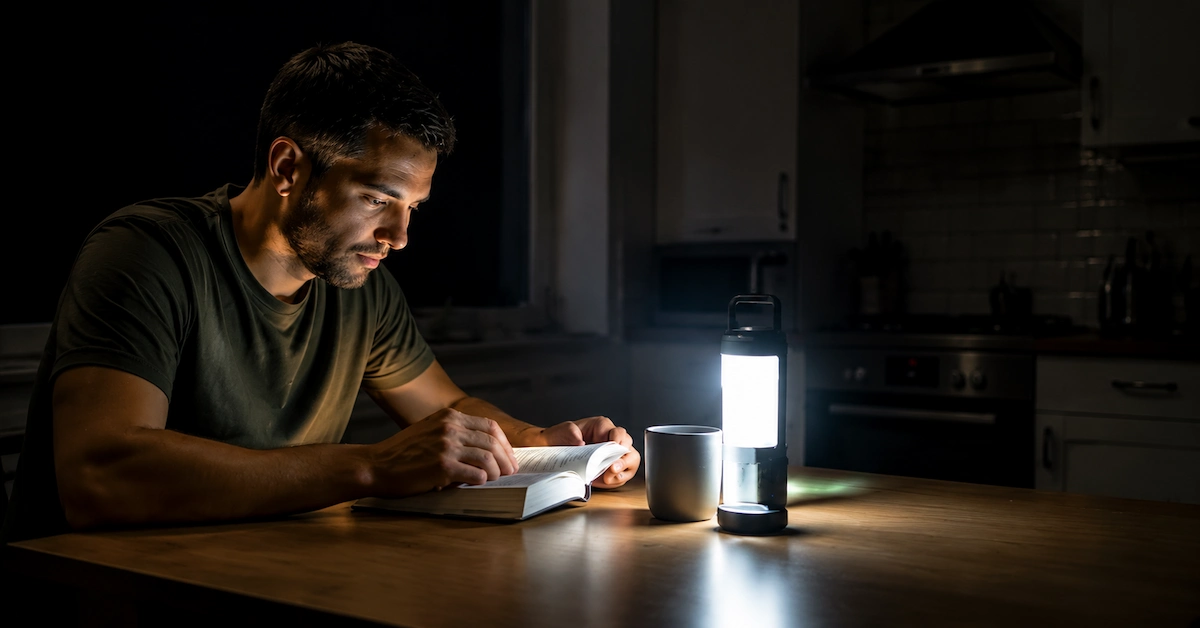
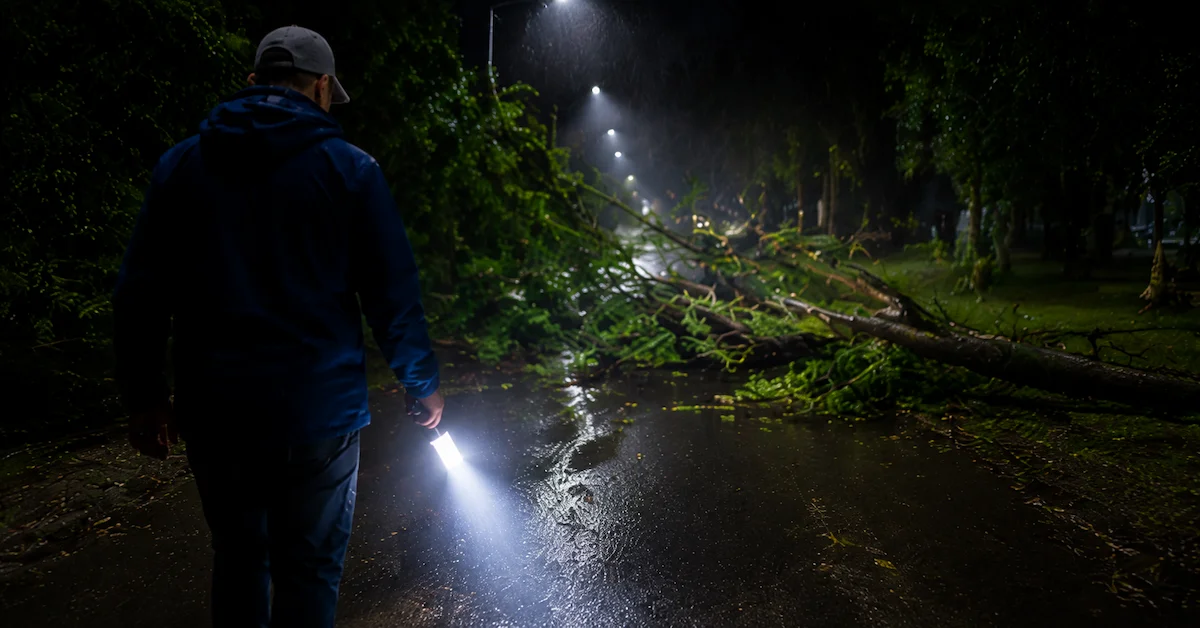
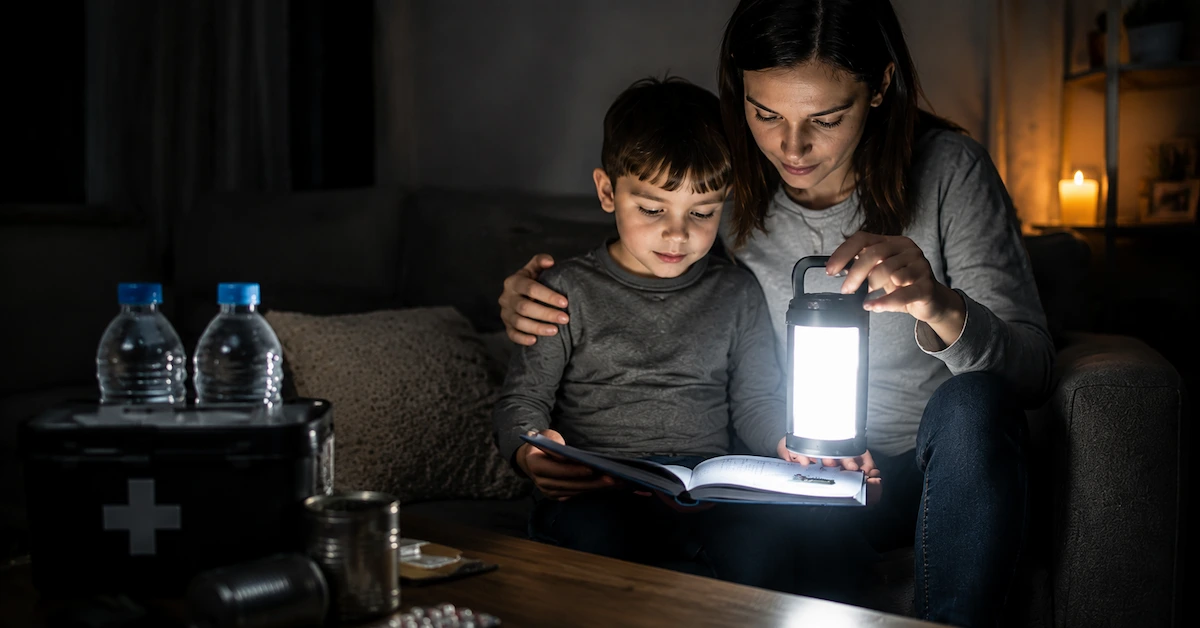
Choosing an emergency flashlight supplier is not only about finding a product that looks good in a catalog. For B2B buyers, the real test comes when the light is needed during a blackout, roadside repair, warehouse task, or maintenance inspection. A power outage flashlight often sits between safety equipment, portable work tool, and everyday backup item. That is why supplier selection should focus on practical use, repeatable quality, and clear communication rather than appearance alone.
Why Emergency Flashlight Sourcing Needs a Practical Standard
Emergency flashlights can look simple, which makes them easy to underestimate. A compact handheld light may appear similar from one supplier to another, yet small differences in shape, grip, switch access, beam direction, and housing quality can affect user confidence. When the power is out or a technician is working in a cramped area, a dim, awkward, or uncomfortable light becomes a real problem.
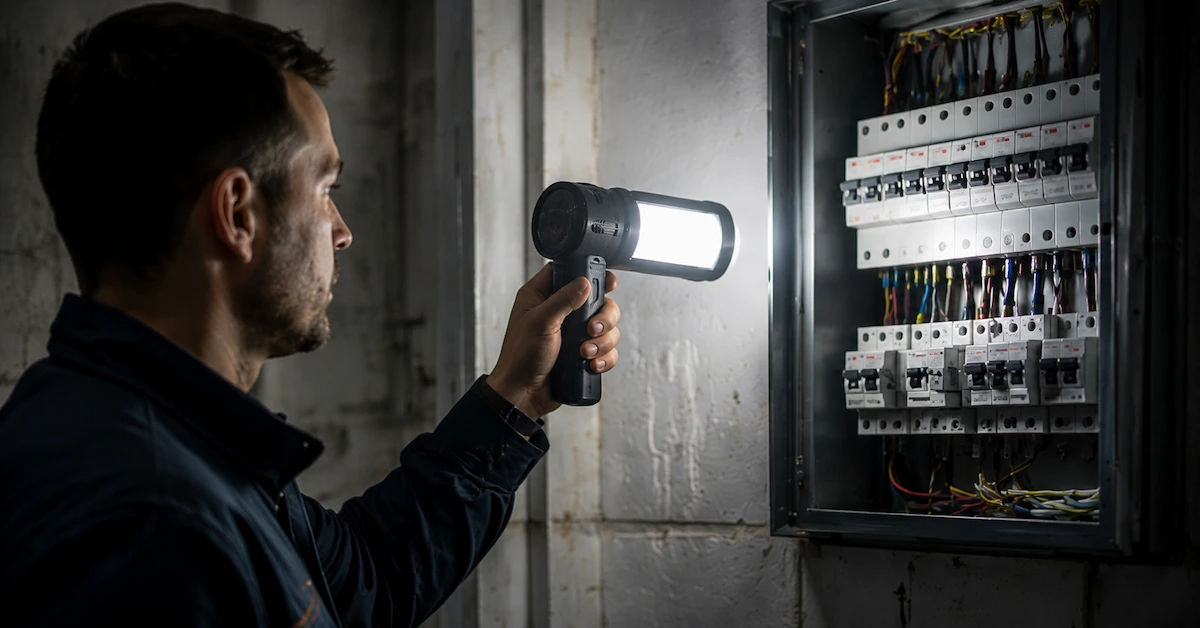
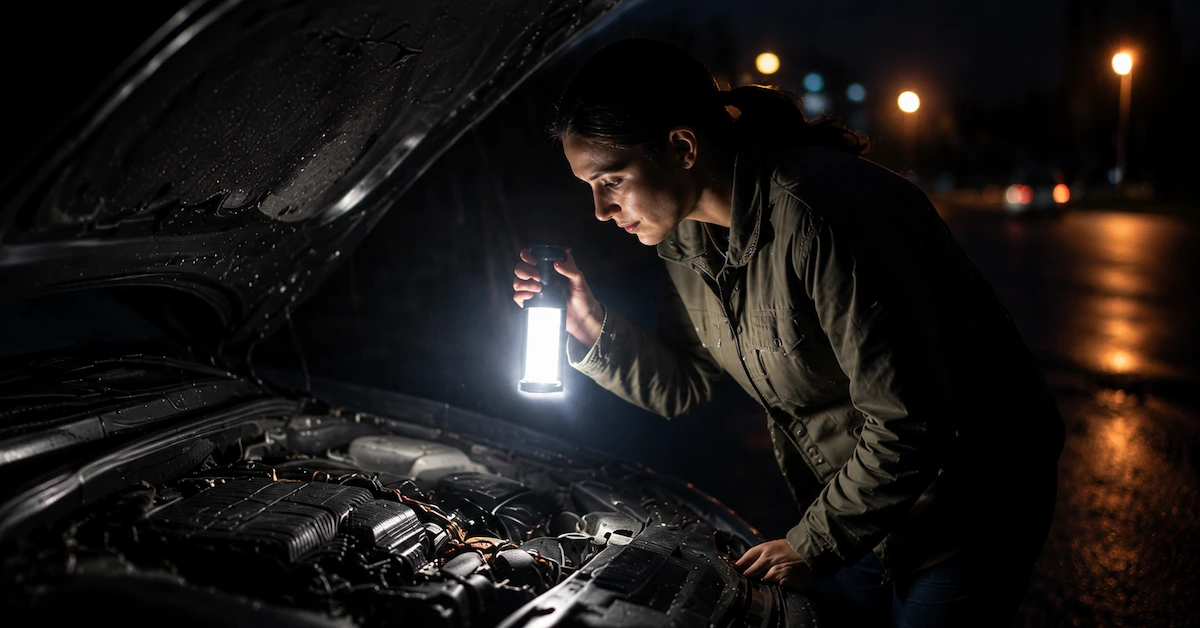
The product category described here is a compact handheld portable work light or inspection lantern, with a slim illuminated section and a dark cylindrical body. This form factor supports one-handed operation and close-up illumination, making it relevant for emergencies, automotive work, maintenance tasks, and other low-light applications. Buyers comparing LED lighting products should judge each option by how it will be carried, stored, handled, and used in the field.
Product Fit: Match the Flashlight to the Real Use Case
The strongest sourcing decisions begin with the application. A flashlight intended for a home emergency kit may not need the same handling features as one used by maintenance teams, roadside assistance workers, or warehouse staff. Before comparing suppliers, buyers should define whether the main purpose is power outage backup, close-range inspection, vehicle repair, general task lighting, or retail distribution.
A compact body can be useful when the user needs one-handed control. A visible illuminated section can help direct white light toward the work area. A grip or cap area may also support carrying or hanging, depending on the final product design. These details matter because emergency products are often used quickly, in low light, and under pressure. The right model should feel natural to pick up and use, not require explanation when time is limited.
Key Comparison Points Before Placing a Bulk Order
When buyers source bulk emergency flashlights, a compact comparison framework helps prevent overemphasis on appearance or promotional wording. The table below summarizes the main points to review before sample approval or supplier shortlisting.
| Comparison Area | What Buyers Should Check |
|---|---|
| Design fit | Shape, grip, one-handed handling, and suitability for emergency or inspection use. |
| Light quality | Useful bright white illumination and whether the beam supports close-range tasks. |
| Construction | Material specifications, assembly details, diffuser fit, seams, and sample verification. |
| Supply consistency | Repeatable appearance and quality across bulk orders and future replenishment. |
| Packaging | Protection during storage and clear communication for retail, fleet, or workplace users. |
The body appears to be dark plastic or coated metal, with a translucent diffuser section, but buyers should not assume material or durability without confirmation. Ask for material details, assembly information, and samples. A supplier that gives clear, careful answers is usually easier to evaluate than one that relies only on broad claims.
Light Quality and Handling Matter More Than Extra Features
Emergency lighting purchases often fail when buyers focus on long feature lists instead of field usefulness. The question is not only whether the flashlight is bright. It is whether the light helps the user see the right area clearly, comfortably, and quickly. For inspection and repair work, useful focused illumination is often more valuable than a broad beam that creates glare or washes out details.
Handling is equally important. A bright light that is awkward to hold, difficult to switch on, or tiring to use will disappoint users. For this product type, one-handed operation, balance, grip comfort, and switch placement should be reviewed during sample evaluation. Buyers should also test the light in near-dark conditions, not only in a well-lit office. A power outage flashlight should be judged in the setting where it will actually be needed.
Supplier Capability: Consistency, Packaging, and Communication
A good emergency flashlight supplier does more than ship boxes. The supplier should understand how the product will be sold, stored, handled, and reordered. For retailers, industrial channels, fleets, and safety teams, small variations from one batch to another can create complaints. Repeatability often matters more than a slightly lower unit price because the product may be purchased in quantity and used across different teams or locations.
Packaging also deserves attention. Emergency flashlights may sit in a drawer, vehicle, stockroom, or retail package for an extended period before use. Packaging should protect the unit and communicate its function clearly. During supplier discussions, ask how the lighting module and diffuser are assembled, whether the product is intended only for handheld use or also for placement or hanging, and how the supplier controls product variation. If you need a specific sourcing discussion, contact Brightenlux through the contact page.
Sample Evaluation: Keep the Test Simple but Realistic
First-pass sample review does not need to be complicated, though formal testing may still be appropriate later. Start with the hand feel. Does the body feel balanced? Can the light be held comfortably for several minutes? Is the switch easy to find and operate? Does the illuminated section appear properly aligned and securely fitted? These observations help buyers identify usability problems before a larger order is considered.
Next, test beam usefulness at close range. Use the light in a dim space, near a vehicle, under a workbench, or in another realistic low-light environment. Look for whether the white light makes details easier to inspect without unnecessary glare. Also consider storage and handling conditions. A flashlight kept in a vehicle, service kit, or warehouse area may face vibration, dust, repeated handling, and rushed use. If the sample feels weak during basic handling, bulk deployment may expose the issue faster.
Buyer Questions That Reveal the Right Supplier
Supplier conversations should stay practical. Instead of asking only for general promises, buyers should ask questions that connect directly to use, consistency, and channel requirements. Useful questions include: What is the intended user scenario for this model? How is the light module assembled into the housing? What packaging options are available for retail or fleet distribution? Can repeat orders maintain consistent appearance? What product documentation is available for distributors and end users?
These questions help separate a prepared supplier from a seller treating the product as a generic lighting item. They also help buyers avoid over-specifying features that end users may never need. If the product is intended for maintenance, fleet, safety, hardware, automotive, or emergency preparedness channels, the priority should be reliable handling and practical lighting. To start a sourcing request, buyers can use the Brightenlux inquiry page or review available categories at Brightenlux products.
FAQ
Is an emergency flashlight the same as a work light?
Not always. Some models sit between the two categories. The product type discussed here resembles a portable inspection lantern or handheld work light that can also support emergency lighting. Buyers should confirm the intended use case before positioning it for household, workshop, fleet, or maintenance channels.
What should B2B buyers compare first when sourcing bulk emergency flashlights?
Start with product fit, handling, light usefulness, construction details, and supplier consistency. A low price or attractive appearance is not enough if the flashlight is uncomfortable, poorly suited to the task, or inconsistent across repeat orders. Sample review should reflect the actual environment where the light will be used.
Why work with an emergency flashlight supplier instead of a general seller?
A focused supplier is more likely to discuss repeat orders, packaging, product documentation, and batch consistency in a way that supports commercial buying. This becomes important when the flashlight is sold through retail, used by teams, or distributed for workplace, automotive, or emergency preparedness applications.
Can one flashlight model serve both outage and maintenance use?
Yes, if the beam, grip, body shape, and handling support both scenarios. A compact handheld light with useful white illumination can work for emergency backup and close-range inspection tasks. Buyers should still define the primary use early so the supplier can recommend the most suitable option.