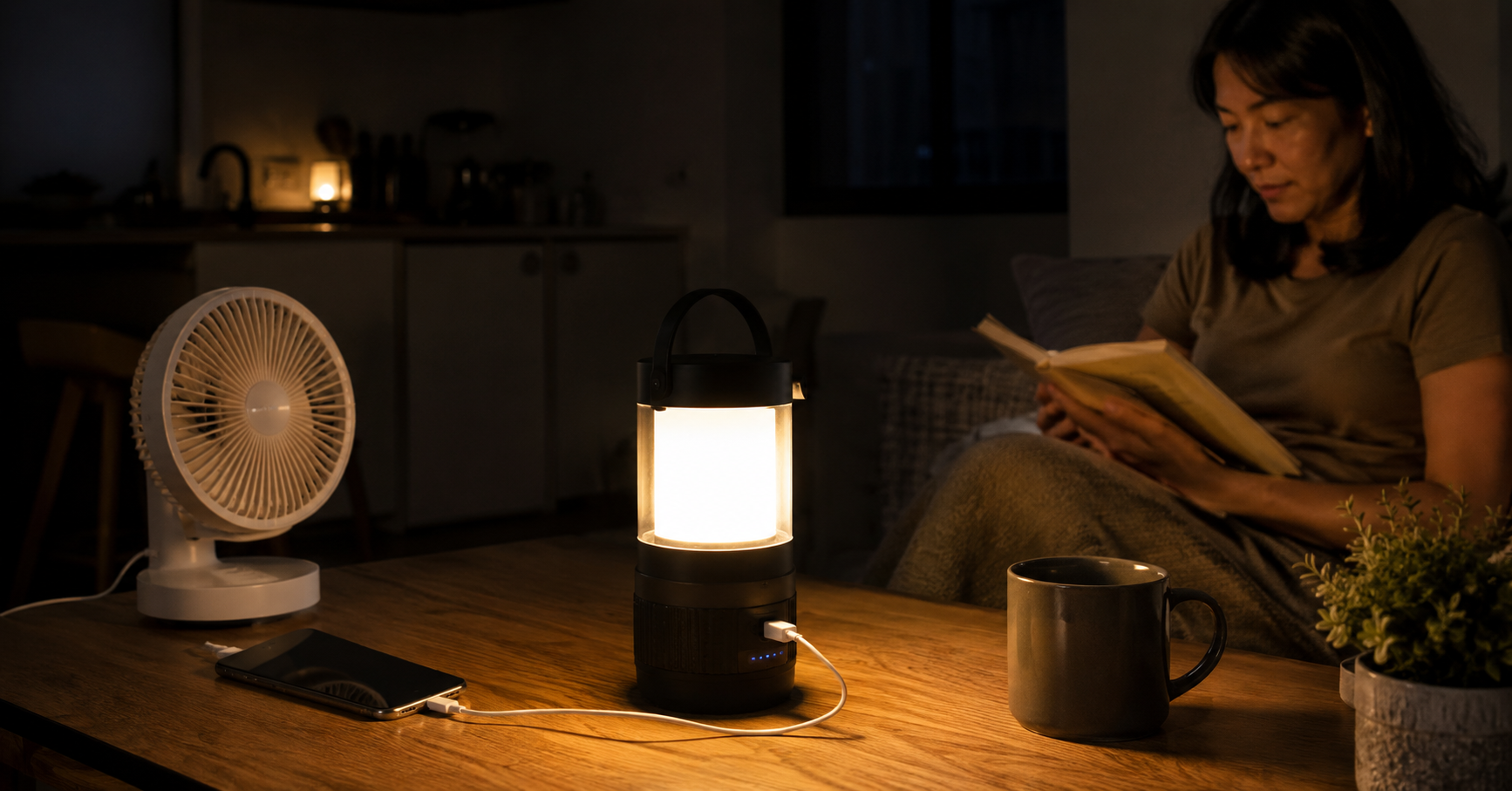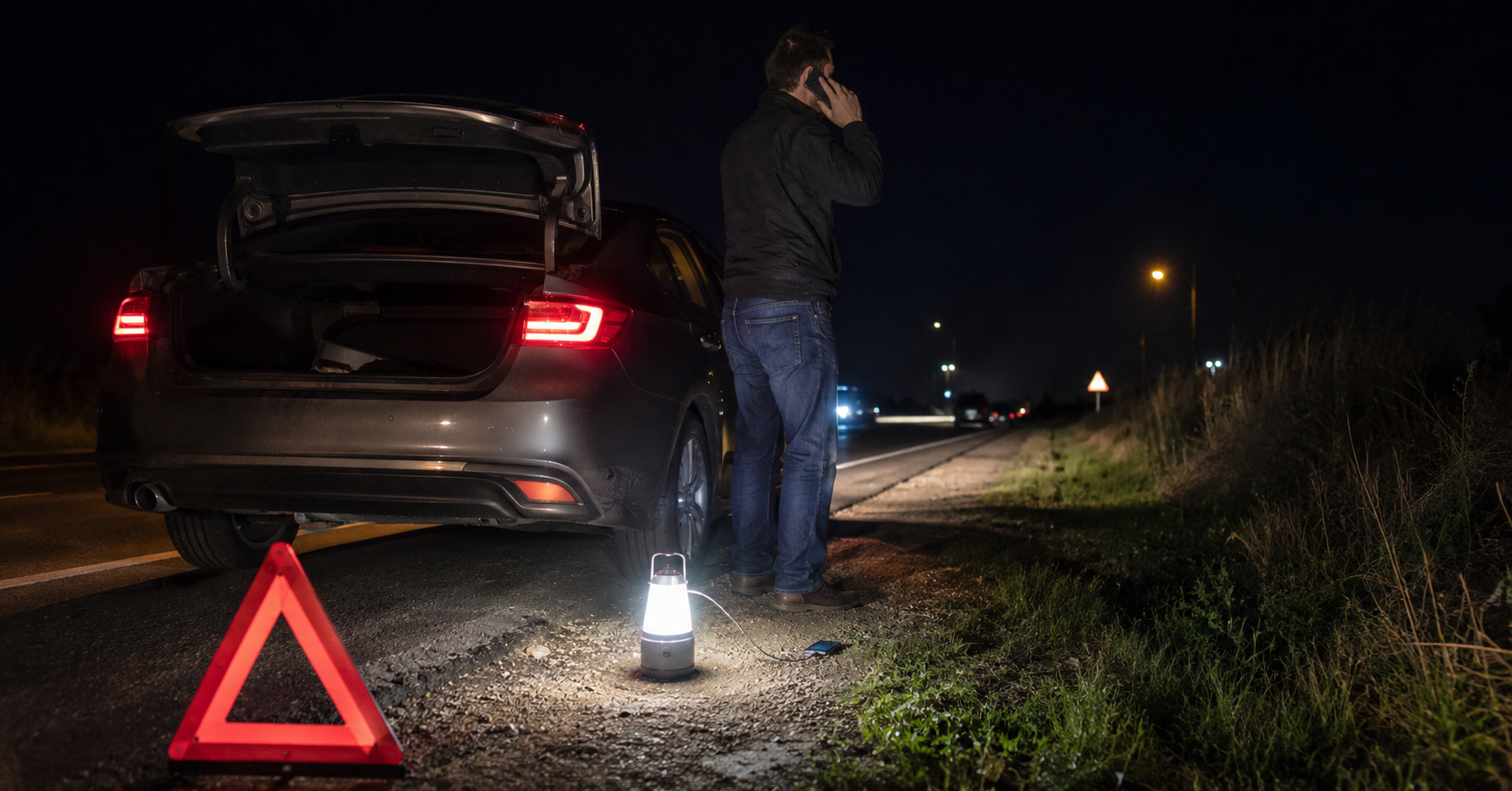


Camping Light Supplier Guide: How to Choose the Right Outdoor Lamp
Choosing a camping light supplier is not only about finding a factory that can ship lamps. B2B buyers need products that feel useful outdoors, look attractive in retail channels, and support repeat orders without creating avoidable after-sales problems. A good outdoor lamp should help people cook, read, move around a tent, or relax after dark, while also fitting the mood of the campsite. This guide explains how sourcing teams, distributors, and private-label brands can evaluate portable camping lamps with a practical, market-focused approach.
What Buyers Really Need From a Camping Light Supplier
When buyers search for a camping light supplier, they are usually trying to solve several sourcing problems at once. They need consistent product quality, clear product documentation, stable communication, and a lamp that fits the sales channel. For sourcing managers, reliability matters because outdoor products often face careful inspection from retailers and end users. For product teams, the lamp must feel purposeful rather than like another generic carry item.
Distributors and private-label brands also need design distinction. A product may be functional, but if it looks too similar to every other outdoor lamp, it can be hard to build repeat demand. That is why many buyers now look for a camping lights supplier that understands both function and presentation. A portable lamp with warm light, a recognizable outdoor shape, and sensible construction can support practical use while creating a stronger shelf impression.
Why Product Style Matters in Outdoor Lighting
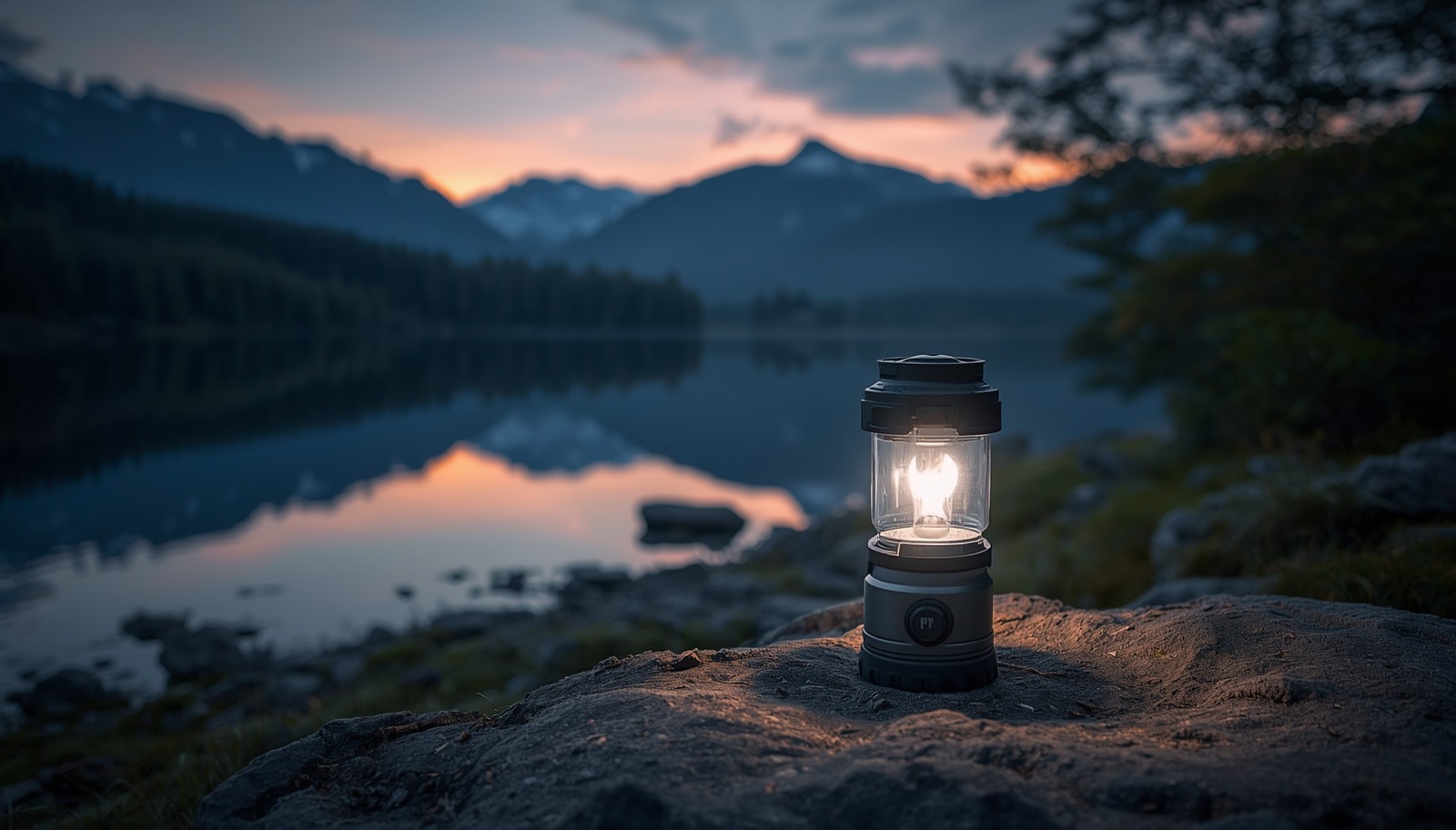
Outdoor lighting is often compared by technical specifications, but appearance strongly affects customer choice. The product style described in the source follows a portable retro kerosene-lamp look, with a metal body, transparent glass shade, top handle or hanging structure, and a wider base for table placement. This familiar silhouette works well around campsite dining areas, tent entrances, and outdoor relaxation spaces.
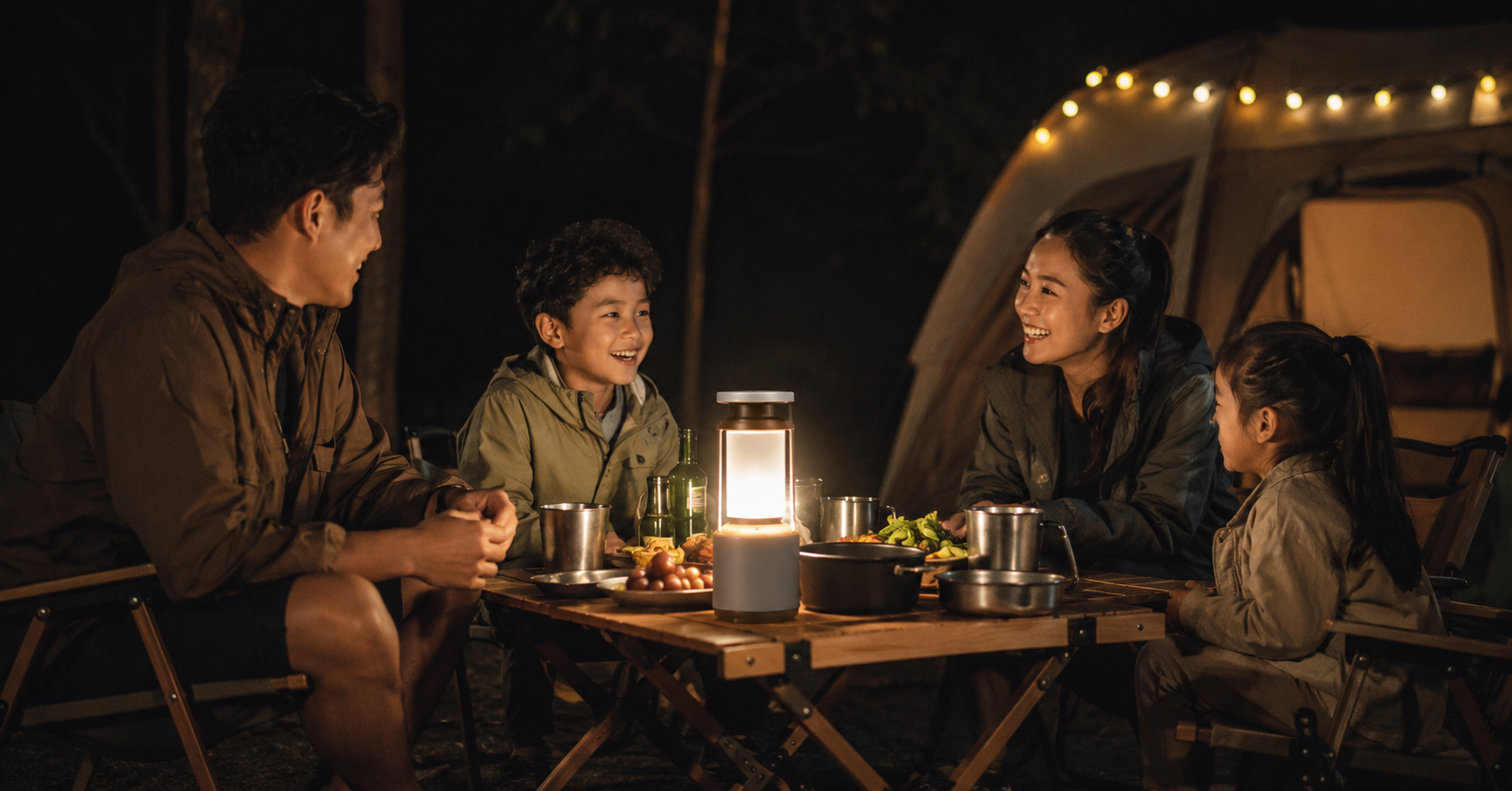
Warm yellow light is also important for this type of lamp. While bright white light has suitable uses, it can feel harsh near food, drinks, and relaxed seating. Warm near-field lighting creates a softer atmosphere and is easier to position as a lifestyle camping item. Buyers should still check whether the decorative look is supported by practical construction. Glass shade quality, handle geometry, base stability, and metal finish all affect how the lamp feels in real use.
Key Product Checks Before You Shortlist Suppliers
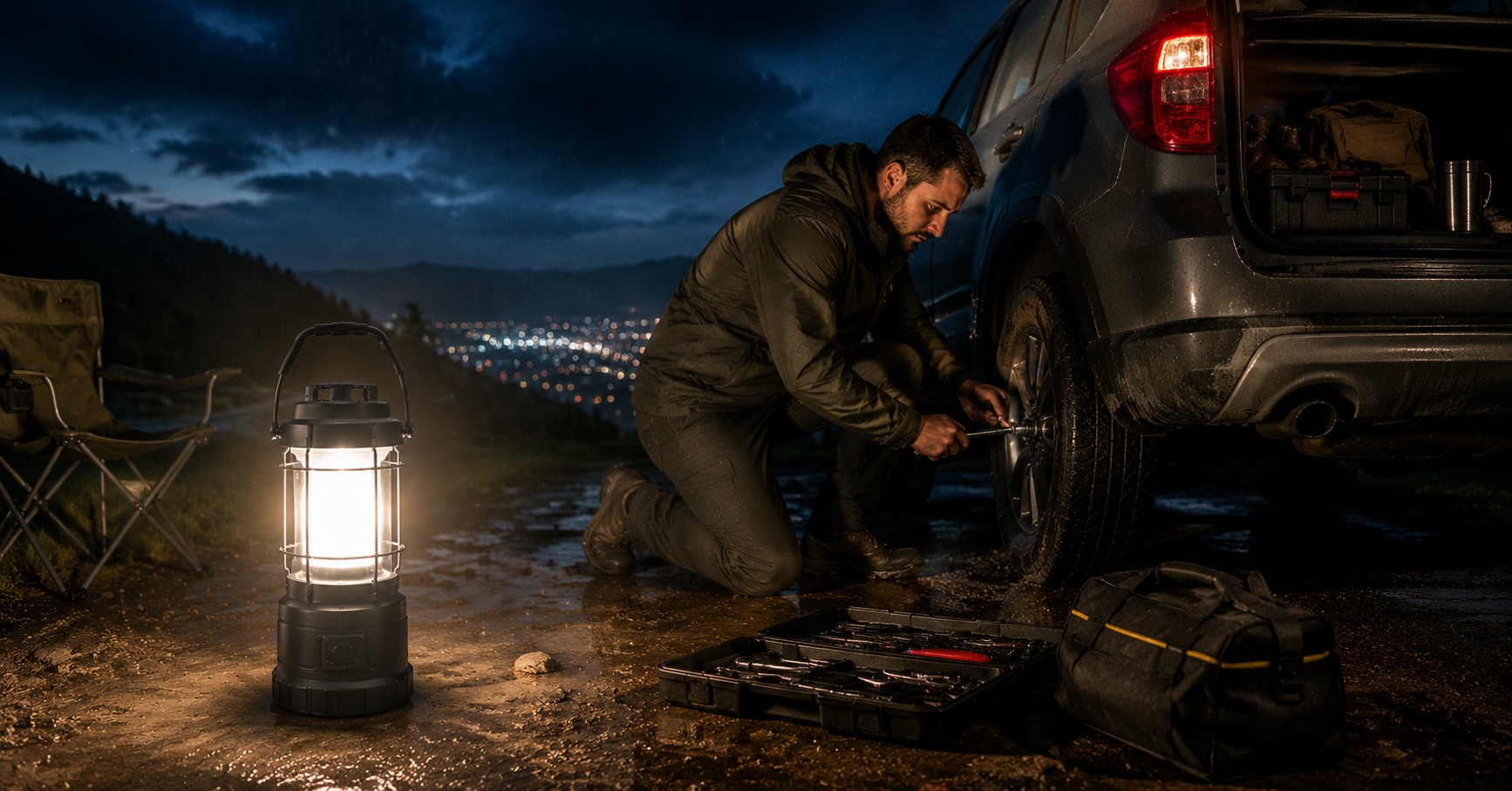
Before comparing quotations, buyers should first confirm whether the lamp fits the intended customer and channel. A camping table lamp, a work light, and a headlamp solve different problems. If the target use is tent-side convenience or outdoor ambience, a harsh utility light may not be the right choice, even if it appears attractive on price.
The supplier should be able to explain the light source, power method, visible materials, and intended use clearly. If those details are vague, buyers should treat it as a warning sign. The image and product description may show a metal body, clear glass shade, handle, and broad base, but they do not confirm every functional detail. Responsible sourcing means asking early and avoiding unsupported assumptions.
| Buyer Check | Why It Matters |
|---|---|
| Carry and hanging design | Supports flexible campsite placement. |
| Base stability | Helps with tabletop use around food and gear. |
| Warm near-field light | Improves comfort and atmosphere. |
| Material clarity | Reduces confusion during sampling and sales. |
| Packaging suitability | Supports retail and e-commerce presentation. |
How to Evaluate Construction, Use Case, and Documentation
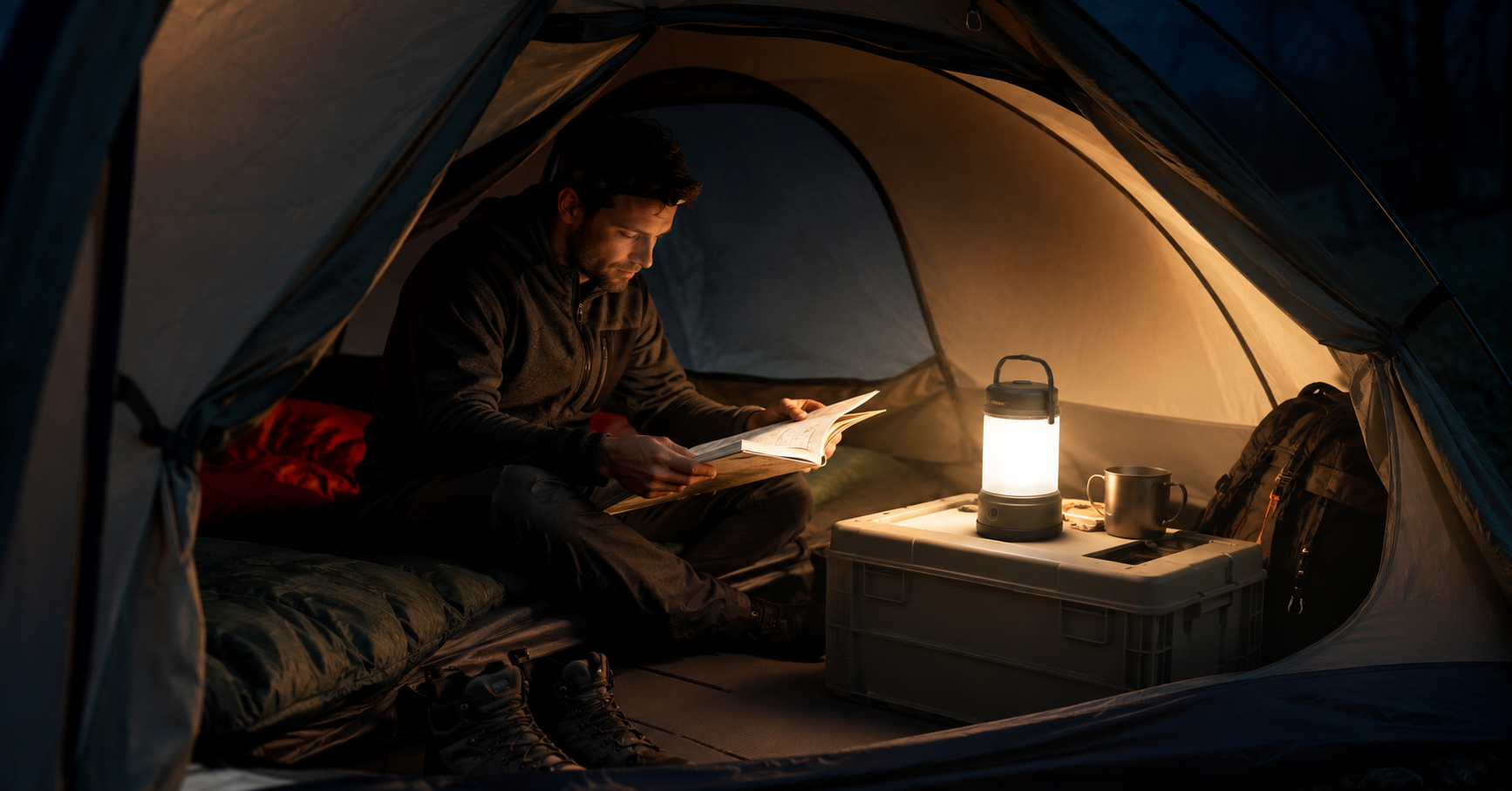
A strong sourcing process starts with a clear definition of use. The lamp described is suitable for camping tables, tent openings, outdoor rest areas, and atmosphere lighting. That means buyers should not evaluate it as a long-range floodlight. It is a near-field portable lamp, so comfort, placement, and usability are more relevant than maximum beam distance.
Visible construction cues help guide evaluation. A metal body suggests a more substantial exterior than a purely lightweight decorative shell. A transparent glass shade contributes to the retro lantern appearance. A top handle or hanging structure supports movement and placement, while a wider base suggests tabletop intention. However, appearance alone is not enough. Buyers should ask whether the supplier can provide a clear specification sheet before sampling.
If you are building a product comparison list, review current outdoor lighting options through Brightenlux products and use them as a reference point for category fit, style direction, and buyer questions.
Private Label, Retail, and Channel Fit
For private-label buyers, the right camping light supplier should support controlled differentiation without turning the product into an overcomplicated project. In a retro lantern format, the silhouette is already familiar, which helps customers understand the product quickly. Differentiation may come through color direction, finish, labeling, packaging, or other branding elements, as long as those choices do not weaken stability or safety.
Retailers usually prefer products that can be explained simply. A phrase such as “portable warm-light camping lamp for tables and tents” communicates the use case clearly. If the sales story becomes too technical, buyers may lose the lifestyle appeal that makes this product type attractive. A vintage-look lamp can also sit naturally beside outdoor dinnerware, chairs, firepit accessories, and soft goods, supporting cross-sell displays in camping and leisure channels.
For teams planning a private-label range, it is useful to discuss customization limits early through the Brightenlux contact page before confirming artwork, packaging direction, or sampling priorities.
Common Sourcing Mistakes to Avoid
One frequent mistake is treating all outdoor lamps as interchangeable. A rugged work light may deliver strong utility, but it may not create the relaxed atmosphere customers want at a campsite table. Likewise, a purely decorative item may look appealing online but disappoint if it feels unstable or poorly finished in hand. The target use should guide the product selection.
Another mistake is ignoring balance and placement. The source product appears to include a wider base, which is a positive cue for tabletop use, but buyers should still ask about stability, center of gravity, and how the handle affects carrying or hanging. These details matter because campsite surfaces are often uneven and lamps are frequently moved around.
Buyers should also avoid overpromising durability when evidence is not provided. If a supplier cannot clearly explain materials, protection level, or power method, keep claims conservative. In outdoor categories, unsupported claims can lead to disappointed customers and unnecessary return pressure.
Questions to Ask Before Sampling or Ordering
The first supplier conversation should be practical, not overly broad. Ask what the illumination type is, how the lamp is powered, what materials are used for the body, shade, and handle, and whether the lamp is intended for tabletop use, hanging use, or both. These basic questions quickly reveal how well the supplier understands the product.
Buyers should also ask whether the packaging can suit retail or e-commerce requirements, whether finish or color options are available, and what can be customized for branding without affecting stability or safe use. If answers are unclear, it may indicate that the product is not fully documented or not ready for export-level business.
When you are ready to compare samples, send your project details through the Brightenlux inquiry page. Include your target channel, expected use case, packaging needs, and any private-label requirements so the supplier can respond with relevant information.
FAQ
What should I look for first in a camping light supplier?
Start with clarity. A good supplier should explain the lamp’s intended use, light source, power method, visible materials, and suitable placement. If the supplier cannot answer those basics, it becomes difficult to evaluate samples, prepare retail content, or manage after-sales expectations responsibly.
Is a retro camping lamp suitable for private-label outdoor collections?
Yes, a retro-style camping lamp can work well for private-label collections because the shape is familiar and easy to understand. Buyers can often build a stronger retail story around warm ambience, portability, and campsite use, provided the construction and documentation support the design.
Why is warm light popular for camping lamps?
Warm light fits relaxed outdoor use. Around a tent, picnic table, or seating area, it feels softer than harsh white light and helps create atmosphere. For lifestyle camping products, that mood can be as important as basic illumination, especially in retail and leisure channels.
Should I confirm technical details before ordering samples?
Yes. Before sampling, confirm the power method, illumination type, materials, intended use, and packaging expectations. The source image and description show visible design cues, but they do not confirm every functional detail. Clear answers help buyers compare options fairly and avoid unsupported product claims.