

Camping Light Supplier Guide for Better Outdoor Sourcing
Camping light sourcing looks simple until the product has to work inside a small tent, on a damp campsite, or in a retail channel where customers expect intuitive controls and dependable light. A good supplier is not just a source of units. It is a partner that understands portable outdoor lighting, the limits of real night use, and the product details buyers should confirm before they commit.
Why buyers care about a camping light supplier
Choosing a camping light supplier is rarely just a price decision. A light that looks fine in a showroom can feel awkward when it is hung in a cramped shelter, used after dark, or handed to a retail customer who wants simple operation. Buyers need products that feel practical in the field, because that is where returns, complaints, and repeat orders are decided.
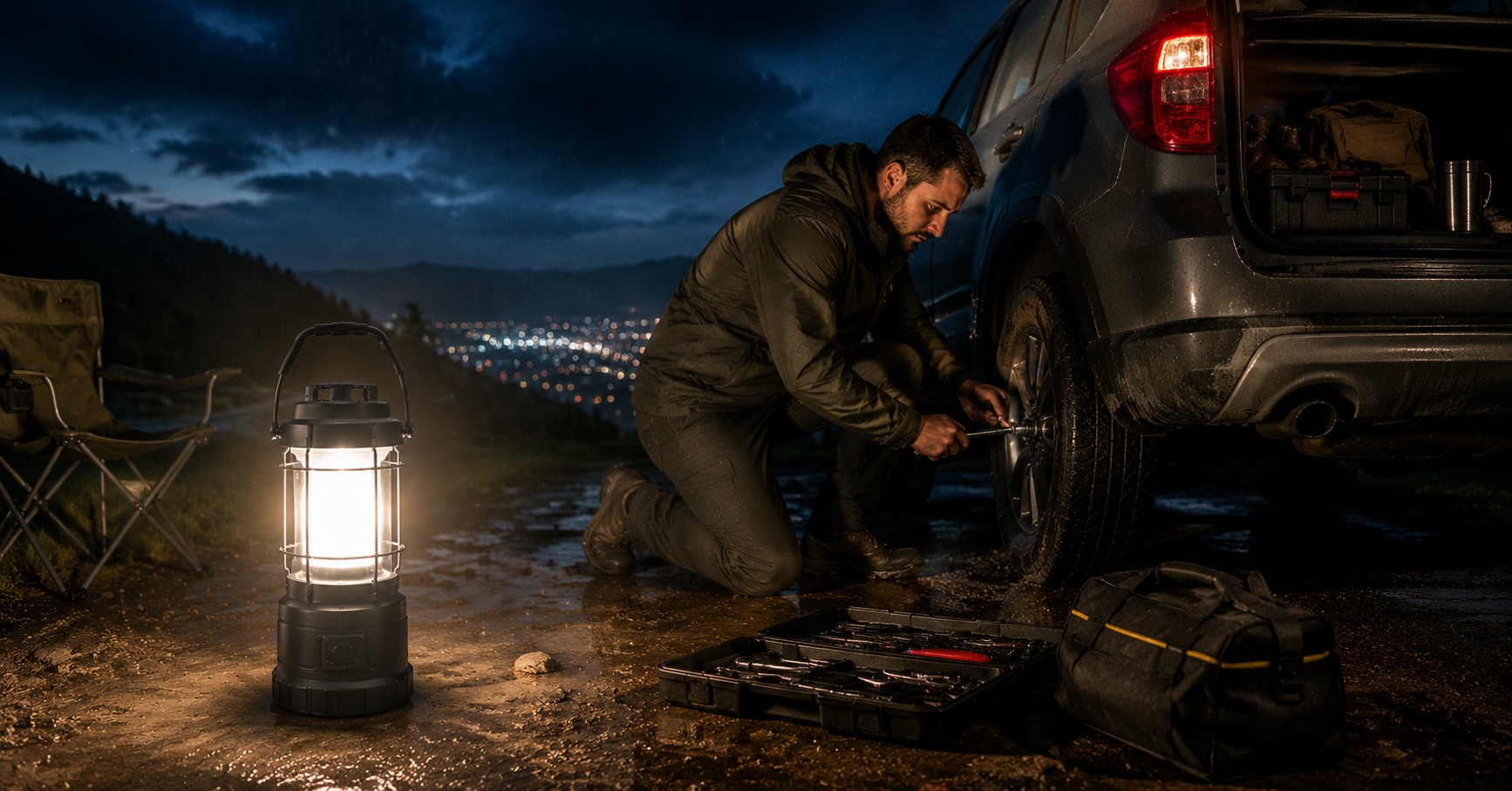
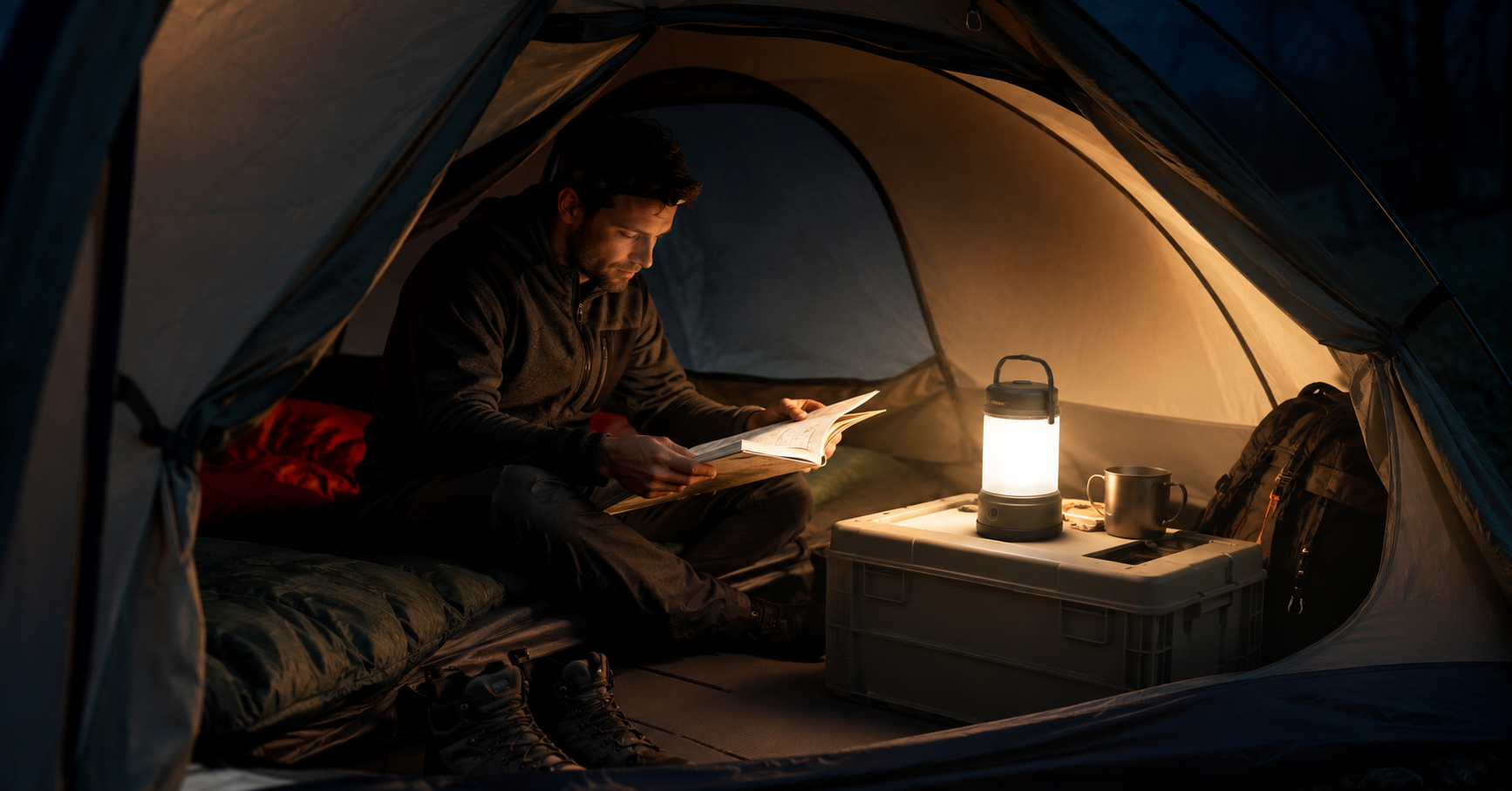
The search itself shows what buyers want. They are not looking for decorative lighting. They want a supplier that can provide tent light products or campsite lights that are easy to sell, easy to use, and reliable in low-light conditions. In the middle of that decision sits a familiar scene: a warm glow inside a tent wall, enough to make gear visible and movement safer without turning the campsite into a floodlit parking lot. When a product fits that setting, it is easier to position in a catalog and easier to keep in a product line.
What the right product has to do at night
Camping lighting serves a different job from household lamps or work lights. It has to be portable, gentle on the eyes, and useful in the small hours when people are reaching for shoes, checking a map, or finding a zipper without waking the rest of the tent. That combination of comfort and visibility is what makes the category distinct.
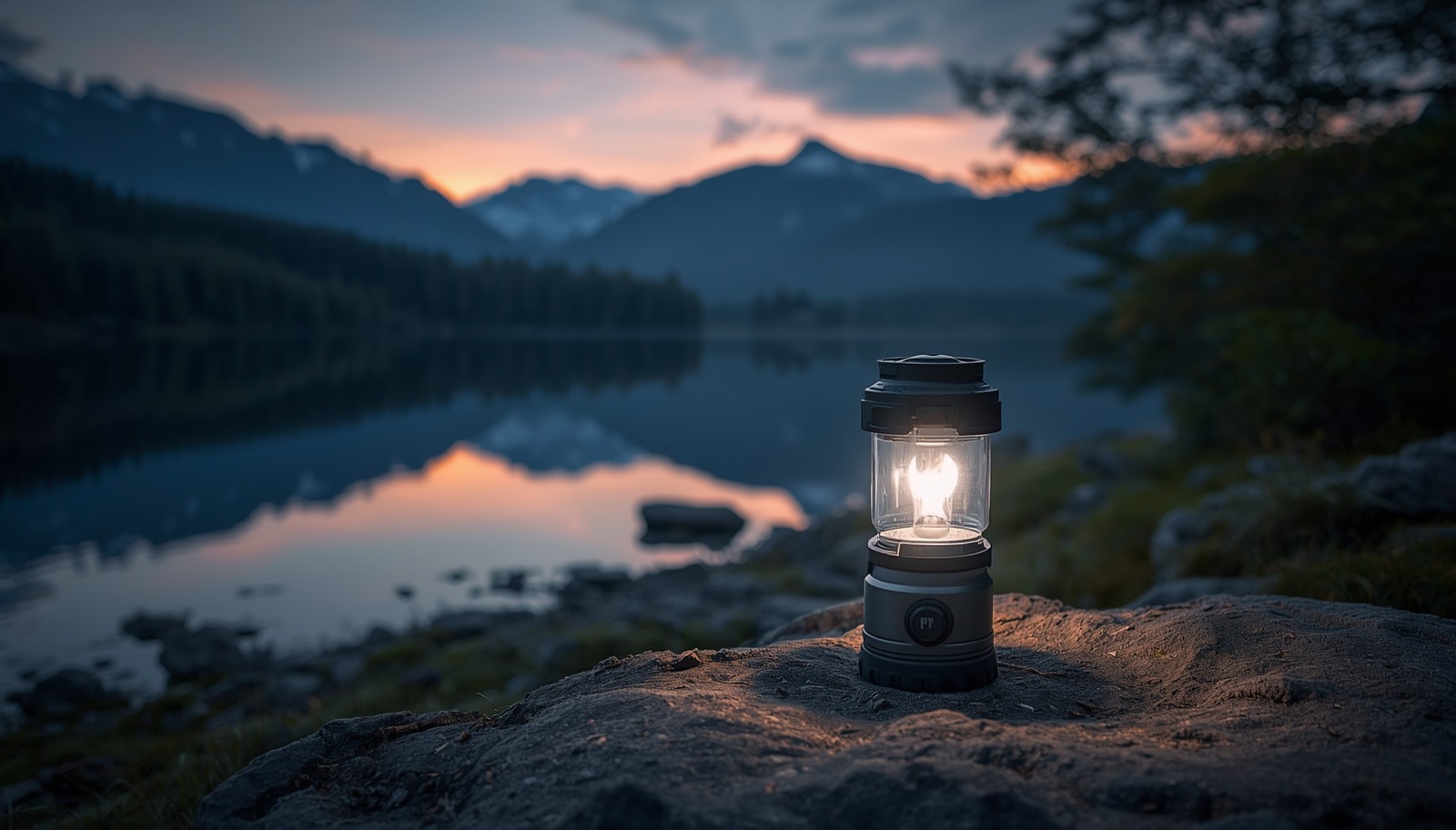
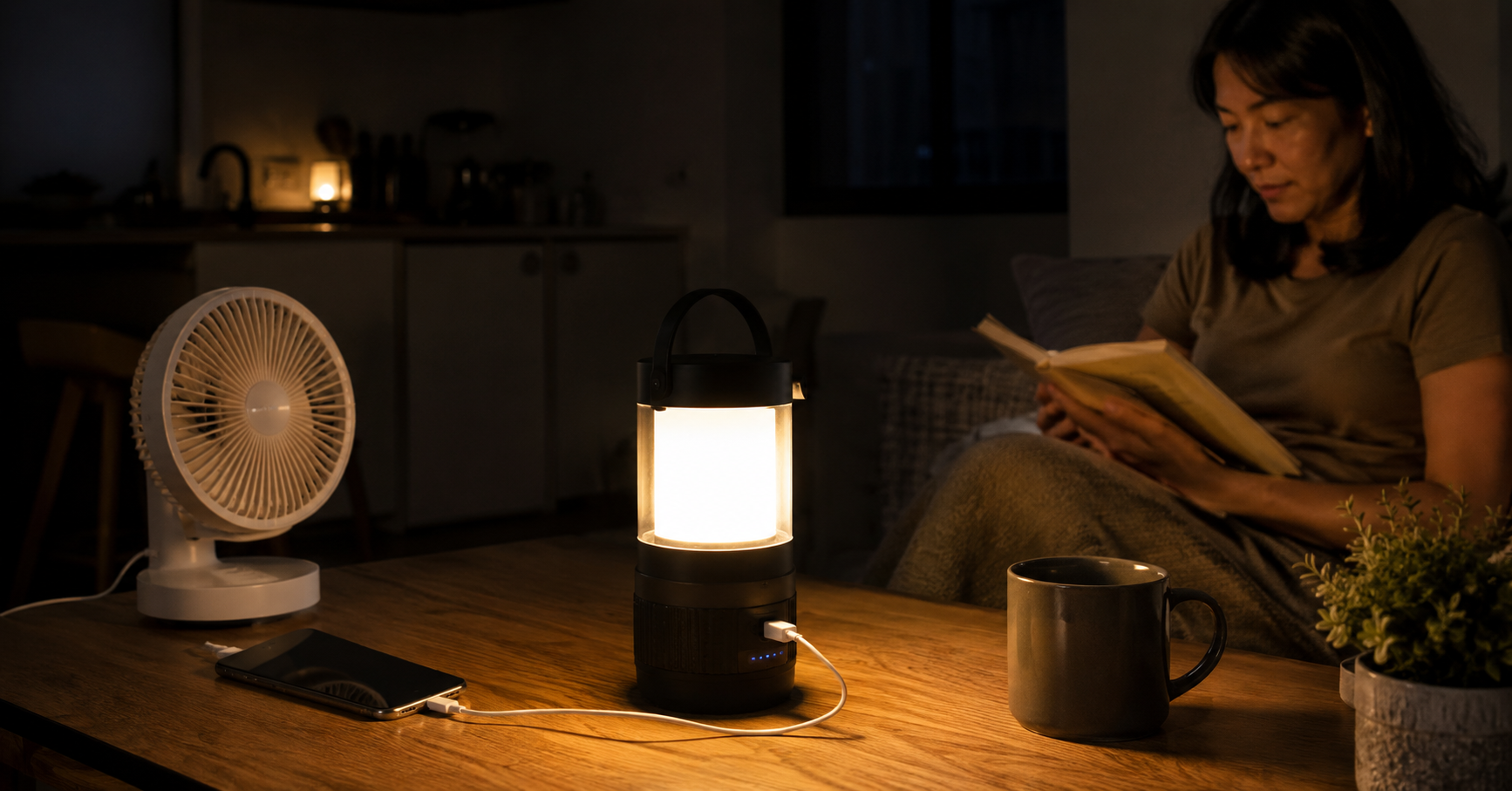
Warm yellow light is often preferred inside tents because it feels less harsh in close quarters and supports a relaxed atmosphere. Bright white light still has a place in shared spaces or task-focused use, but buyers usually judge tent lighting on comfort first and intensity second. The source image reflects that use case: a soft glow that confirms the light works in a real outdoor setting without overwhelming the space around it.
Common camping light types buyers compare
Buyers usually compare a few familiar styles before they shortlist a supplier. The category is broader than one product shape, and each style supports a different outdoor use.
| Type | Sourcing focus |
|---|---|
| Tent lights | Soft, compact light for enclosed shelters. |
| Lantern-style lights | Shared area lighting with wider coverage. |
| Clip-on or hanging lights | Flexible mounting for limited space. |
| Battery-powered LED lights | Portable use with practical energy efficiency. |
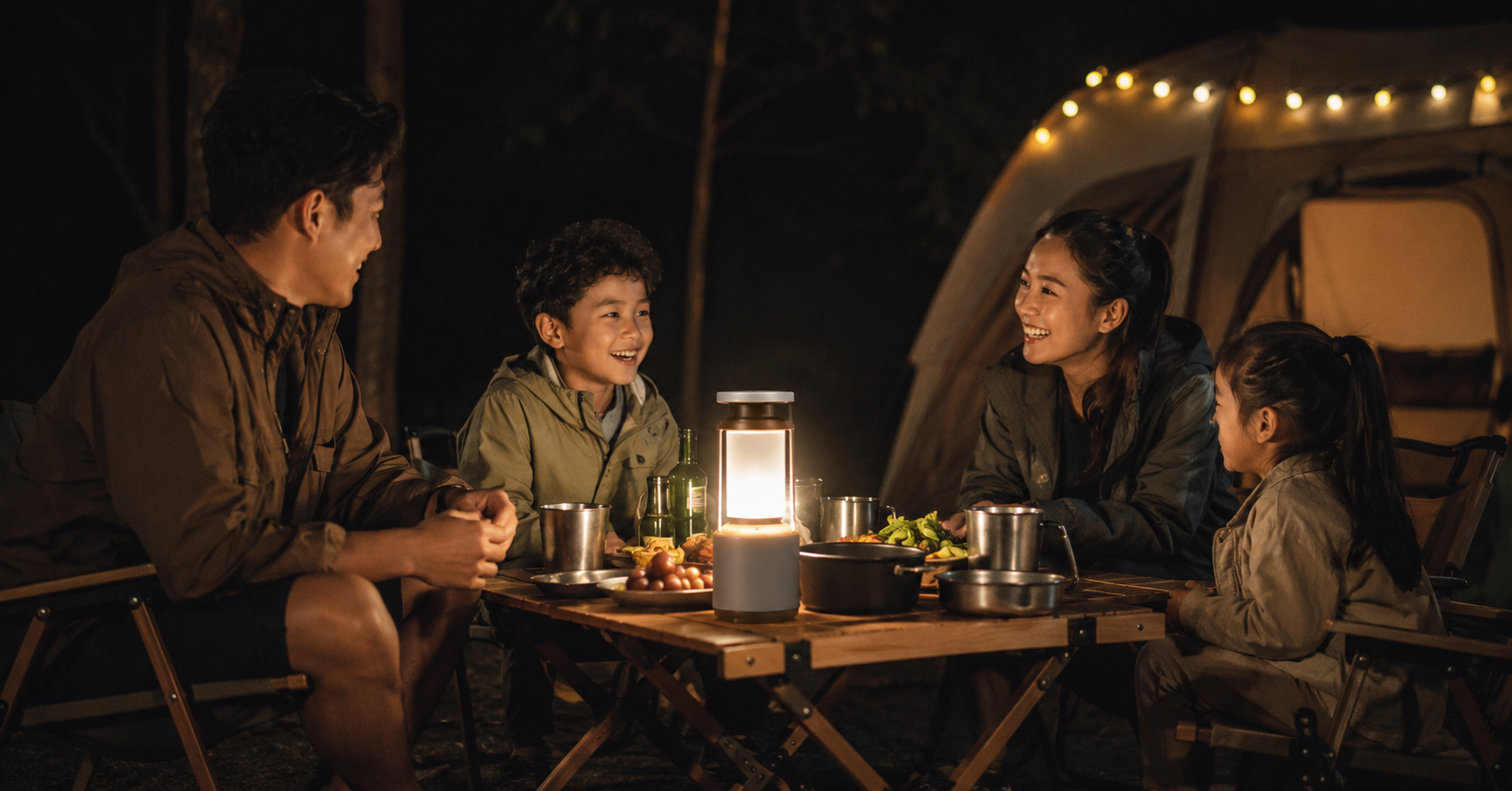
For retail programs, the important point is not the label on the box but the use case behind it. A tent light can solve an enclosure problem, while a lantern can support a wider shared area. Clip-on or hanging options help when space is limited, and LED-based products are widely expected because they suit portable outdoor use. The supplier should be able to explain which format fits which setting instead of treating every camping light as the same SKU.
Selection criteria that matter in sourcing
Before you compare samples, decide which details actually affect use at night. A practical checklist keeps the conversation grounded in real camping conditions instead of brochure language.
| Check | Why it matters |
|---|---|
| Light quality | Warm output may suit tents; brighter task light may suit shared areas. |
| Portability | The light should be easy to carry, store, and set up quickly. |
| Power system | Battery or rechargeable choices affect ownership and support. |
| Usability | Simple switches and hanging methods reduce complaints. |
Do not assume material, mounting style, power source, or environmental protection unless the supplier documents them. Those are not small details. They shape whether the light is easy to carry, easy to hang, and easy to operate with cold hands in the dark. Brightness and runtime matter too, but they should be treated as verified data, not guesses. A strong sourcing decision starts with facts the supplier can confirm and ends with a product that fits the channel you serve.
What good suppliers provide beyond the lamp itself
A serious camping light supplier should be able to support more than a sample. Buyers usually need clear specifications, product images, retail-ready packaging guidance, labeling support, and enough consistency to keep a line stable. If you are building a private label or OEM program, that consistency matters as much as the lamp itself.
Small changes in light color, switch feel, or accessory fit can create returns later. It also helps when the supplier understands how the product will be sold, because distributors and retailers need wording that answers common customer questions without guesswork. If you want to review current product options before requesting more information, see the products page. A supplier that can explain the product clearly often saves time for sourcing, packaging, and sales teams later.
How to compare suppliers without getting lost in marketing claims
The most common sourcing mistake is over-focusing on brightness. Brighter is not always better, especially inside a tent where glare can be more annoying than useful. Another mistake is ignoring the actual setting. A light that works well in open air may be too bulky or too intense indoors. Buyers also sometimes trust the visual mood of a product photo more than the functional proof behind it.
The lamp body, controls, and power details are what determine day-to-day satisfaction. If a supplier is vague about information that is not visible in the image, treat that as a signal to ask more questions. You can send an inquiry or use the contact page before moving the shortlist forward. That simple step helps teams separate polished marketing from the facts needed for a dependable outdoor product.
FAQ
What is the main job of a camping light?
A camping light provides ambient illumination for tents, campsites, and other low-light outdoor situations. The goal is simple visibility after dark so people can move safely, find gear, and use the space without turning it into harsh floodlighting. It should feel practical, not decorative.
Why do many buyers prefer warm light for tents?
Warm light is often preferred in tents because it feels less harsh in close quarters and supports a calmer atmosphere. It helps users see what they need without making the inside of the shelter feel overly bright. That makes it easier to relax at night.
What should I confirm before choosing a supplier?
Confirm the product type, power source, brightness, mounting method, and any verified performance details the supplier can document. If something is not shown or specified, do not assume it. A clear supplier saves time later because sourcing, packaging, and customer support all depend on accurate information.
Is an LED option always the best choice?
Not automatically, but LED camping lights are widely used because they are practical for portable outdoor lighting. The real question is whether the product fits the use case, whether that is tent interior use, campsite area lighting, or a mixed outdoor channel. Fit matters more than the label.