

Camping Lantern Manufacturer Guide: How to Choose the Right Supplier
Choosing a camping lantern manufacturer is not just a catalog comparison. For retailers, private-label buyers, and outdoor gear distributors, the real task is matching a portable light to a specific use case, sales channel, and return-risk profile. A campsite lantern, emergency light, and work-light style unit may look similar, yet they can perform very differently in handling, light spread, storage, and daily use. This guide explains how to evaluate suppliers without relying on brochure language or unconfirmed claims.
Why Camping Lantern Manufacturers Are Not Selling the Same Product
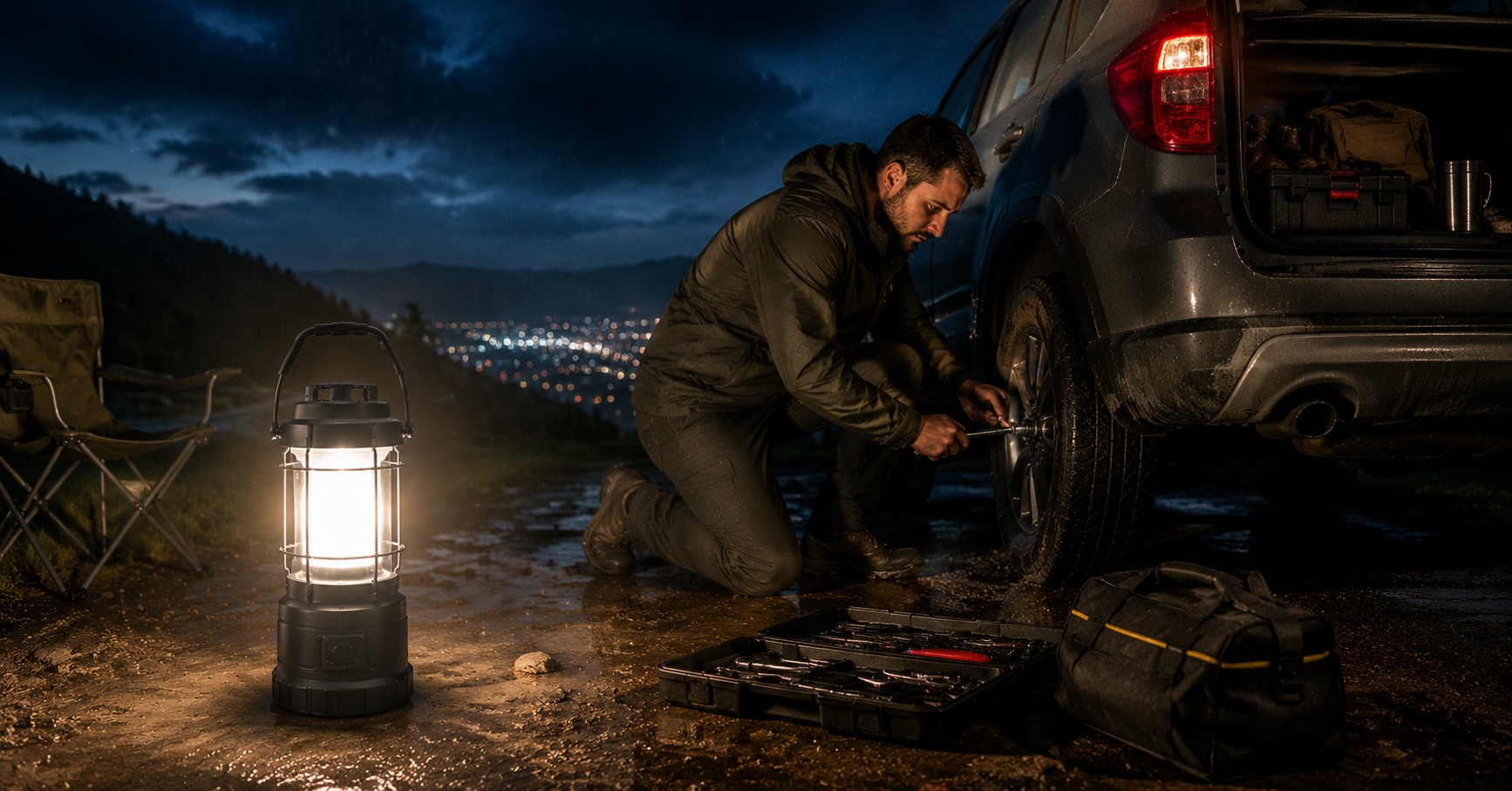
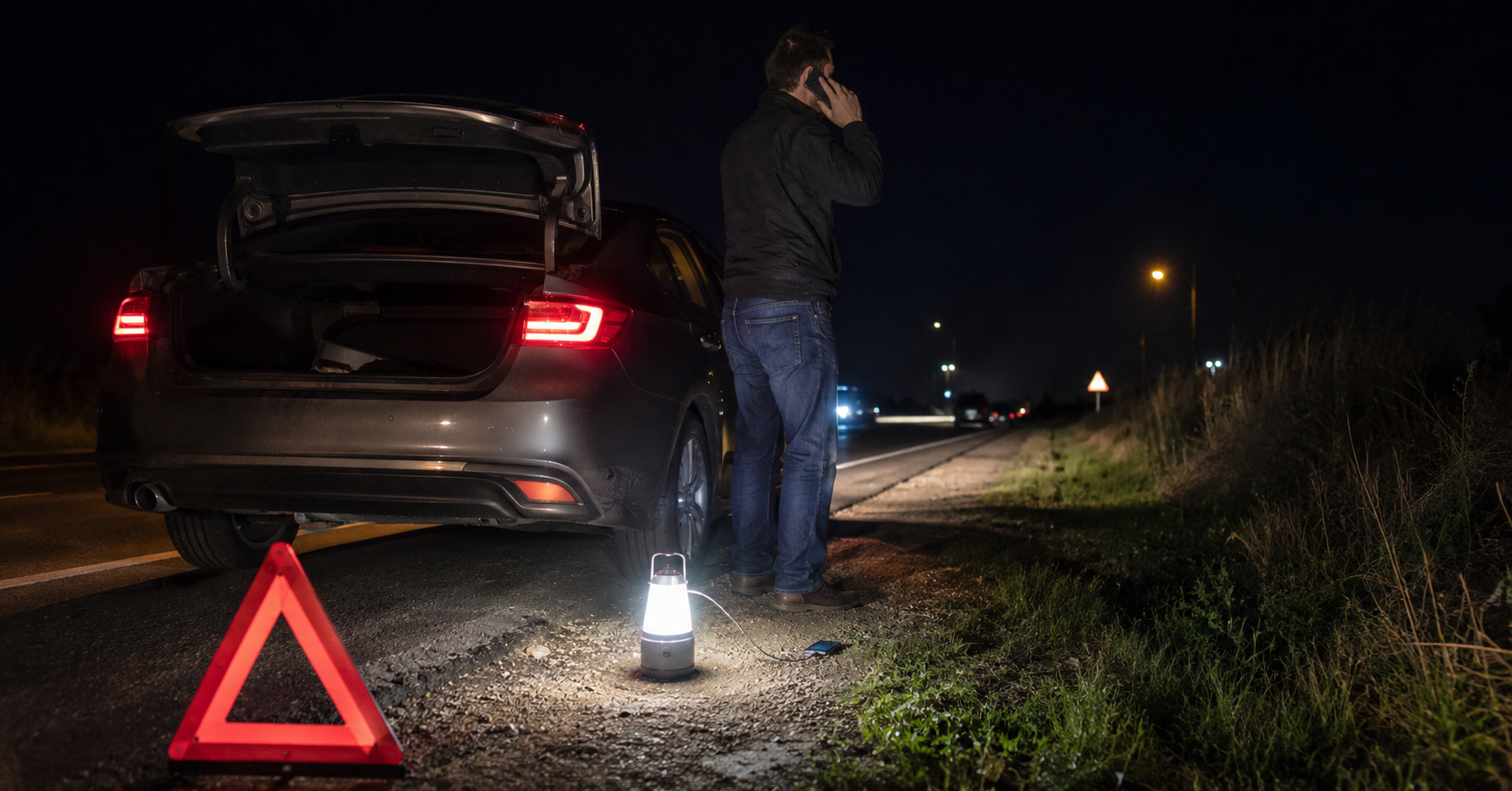
The first sourcing mistake is assuming every camping lantern is designed for the same job. Some models are intended for tent interiors and campsite tables. Others are closer to utility lights for roadside repair, household emergency drawers, or temporary work areas. The buyer is not only purchasing a lamp shape; the buyer is purchasing reliability, portability, light behavior, and user confidence after dark.
Visible structure often reveals design priorities. A cylindrical body, central diffuser, protective cage, and carry handle suggest a product intended to move between tent, tailgate, vehicle trunk, and storage shelf. For B2B teams, the key question is not simply who can manufacture the item. It is which camping lantern factory can supply the right version for your market, packaging plan, and margin structure.
Define What Your Market Means by a Camping Lantern
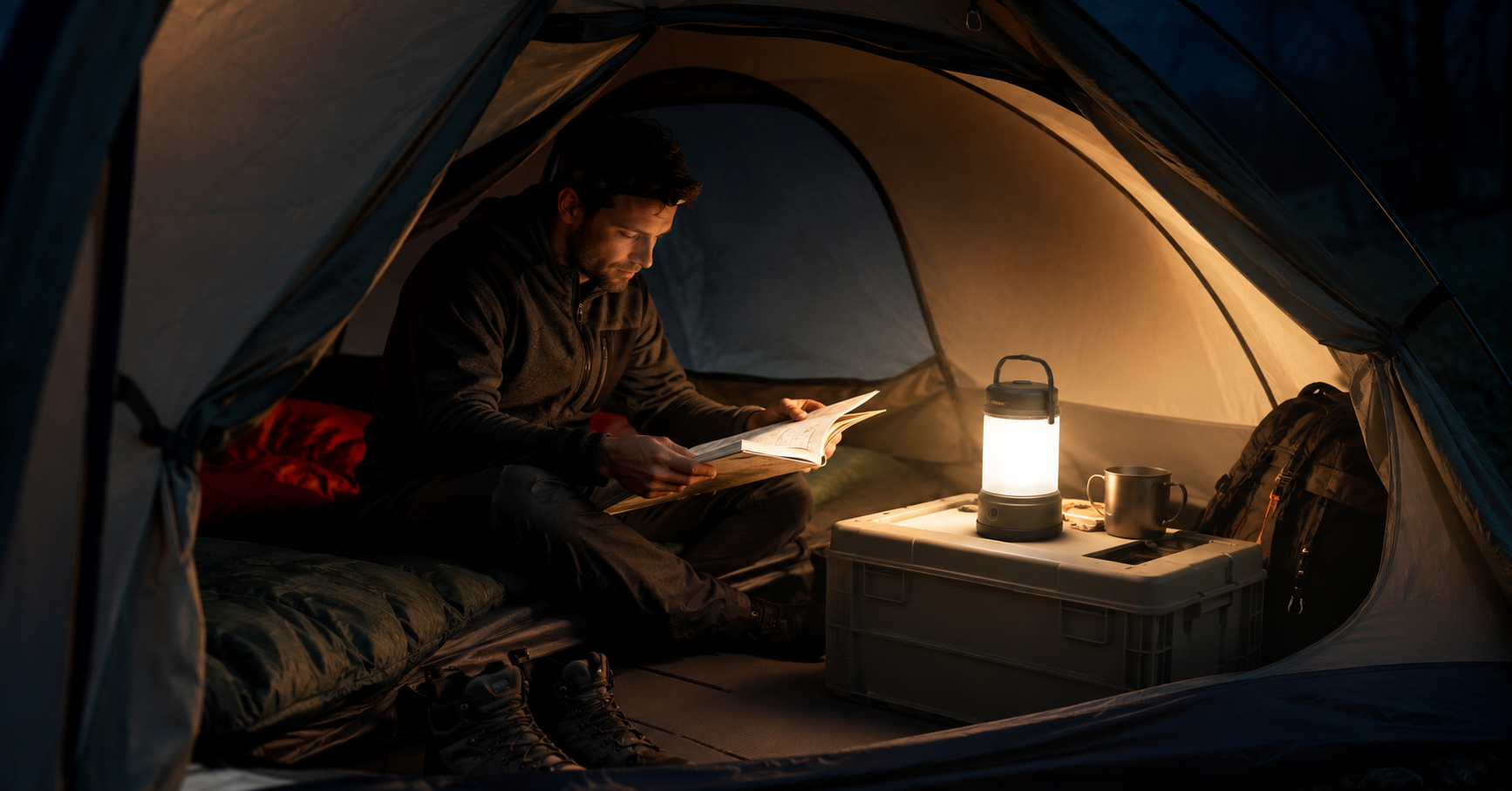
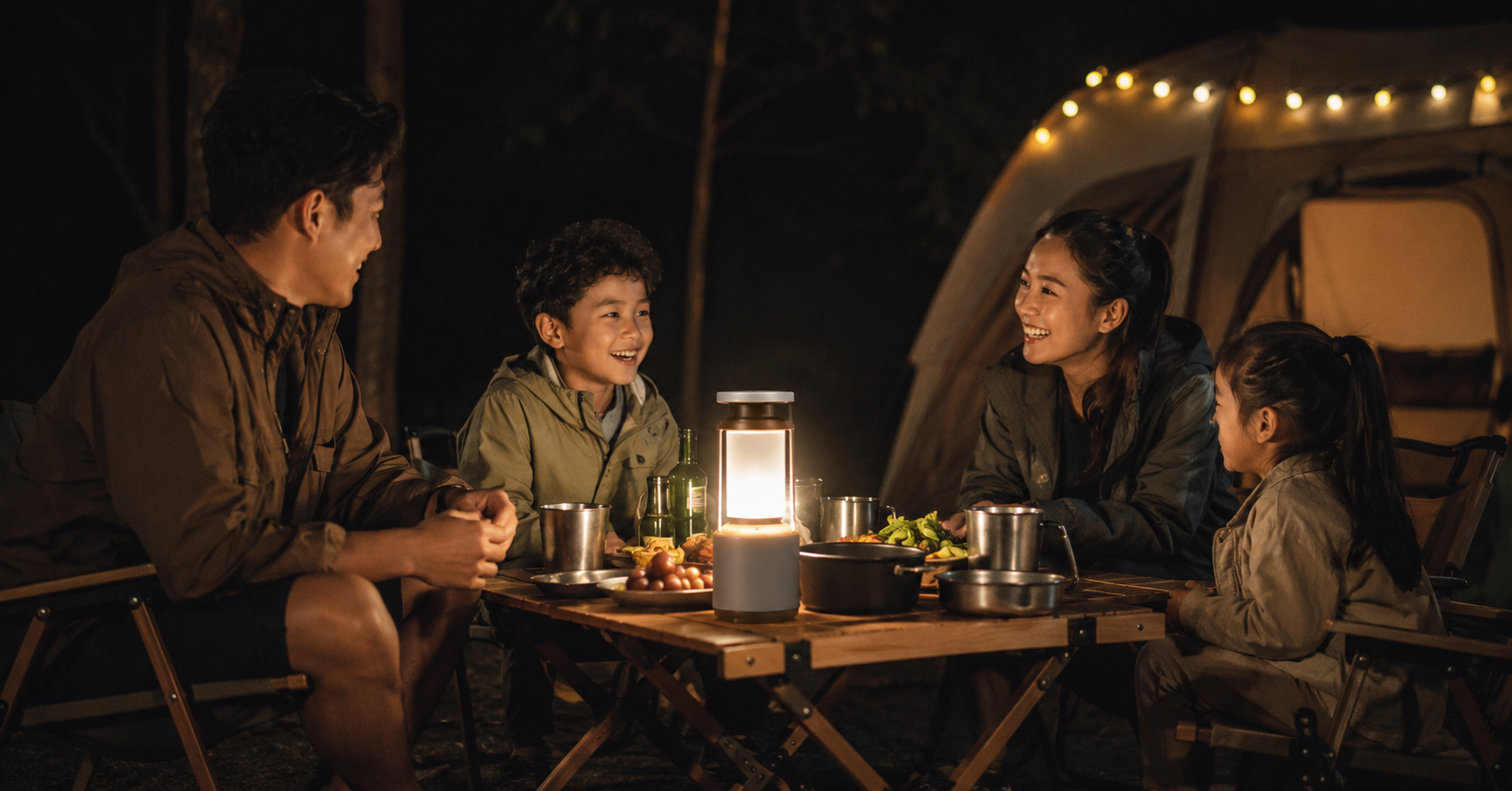
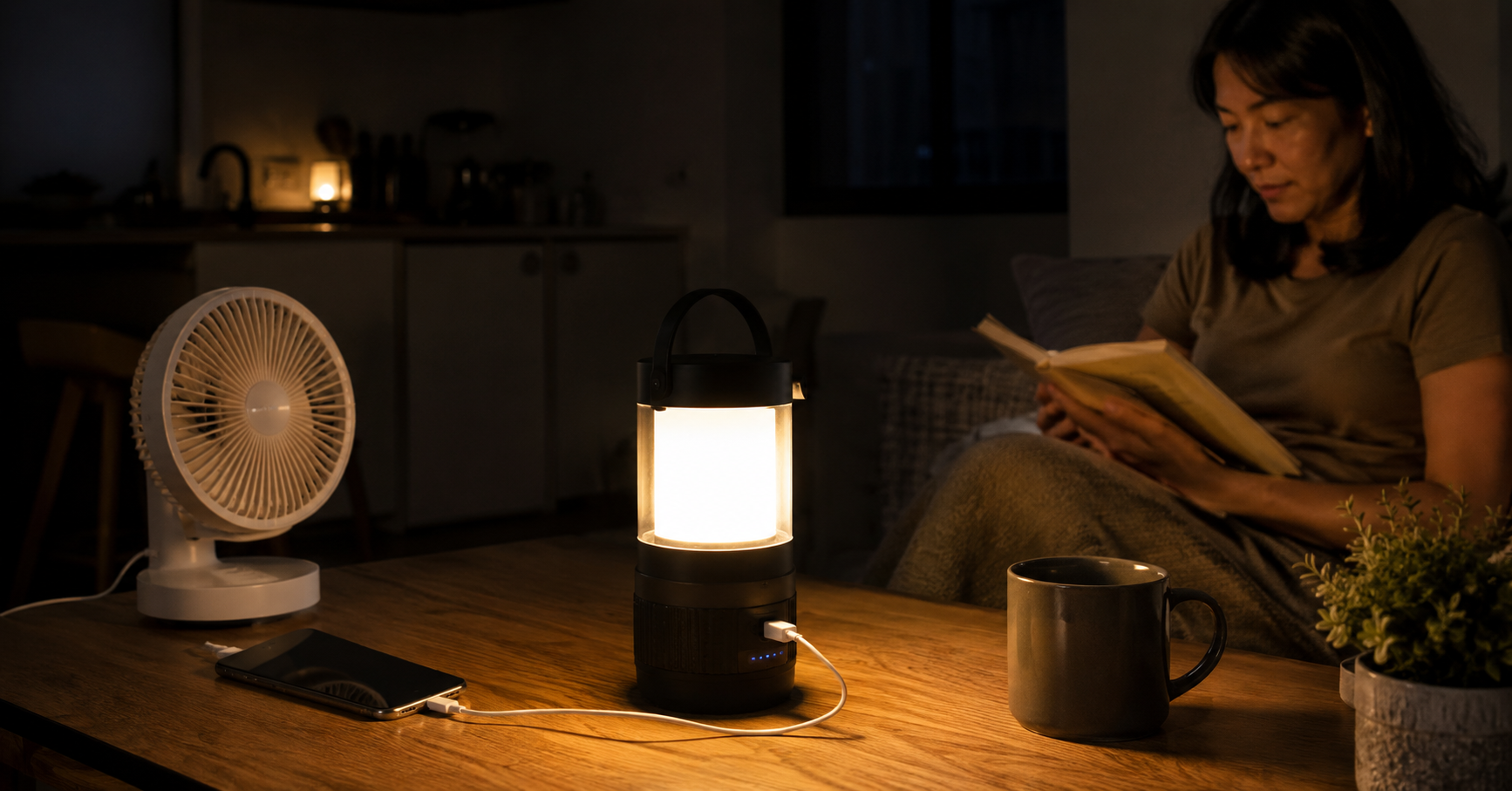
“Camping lantern” is a broad phrase in outdoor sourcing. In one channel, it may mean a compact light that hangs inside a tent. In another, it may mean a freestanding unit for cooking areas, campsite tables, or group lighting. In emergency-preparedness categories, the same basic format may be sold for power cuts, roadside breakdowns, and general backup lighting.
Because these use cases overlap, a camping light manufacturer may group many variants under one product family. The outer housing can appear similar while the internal electronics, switch behavior, power source, and beam distribution differ. Buyers should not assume LED type, rechargeable operation, runtime, brightness, waterproofing, or battery capacity unless the supplier documents those details. Clear definitions at the start help prevent a visually acceptable sample from becoming a poor-fit SKU in the field.
Compare the Main Lantern Types Before Shortlisting Suppliers
Classic lantern-style units are usually freestanding, handled products with an enclosed lighting area and broad illumination. Their central diffuser is useful when customers want area lighting rather than a focused beam. They suit campsite tables, tent interiors, and temporary ambient lighting, but they are not always ideal for precise task work.
Lantern and work-light hybrids occupy a different position. They may still provide broad light, but the body, cage, and base are often designed with more handling and utility use in mind. These models are common in roadside kits or low-light repair situations. Compact emergency lights prioritize storage and grab-and-go convenience. They may fit gloveboxes, drawers, and travel kits, but their smaller format can mean less area coverage than larger lantern-style units.
| Type | Typical Use | Buyer Focus |
|---|---|---|
| Classic lantern | Camping tables, tents | Light spread, stability |
| Work-light hybrid | Roadside or utility tasks | Handling, base, protection |
| Compact emergency light | Storage and backup | Size, activation, convenience |
Read the Product Structure Like a Sourcing Professional
A lantern’s visible structure can tell you a lot before formal testing begins. A protective cage is not only a styling feature; it helps shield the diffuser from direct knocks and gives the product a practical outdoor character. A top handle supports carrying and may also allow hanging from a hook, branch, or tent loop. A dark matte housing is often associated with products expected to handle dirt, scuffs, and repeated transport.
However, visual toughness is not the same as verified durability. A cage can be decorative, a handle can flex, and a base can look stable while tipping on uneven ground. Sourcing managers should treat structure as an early clue, not final proof. Request samples, packaging information, and product documentation before approving sales claims or placing larger orders.
Ask Supplier Questions That Go Beyond Brochure Claims
A strong supplier should explain the lantern in operational terms. Ask whether the intended primary use is campsite lighting, emergency backup, roadside visibility, or outdoor task lighting. If the answer is vague, the product development process may also be vague. A capable camping lantern manufacturer should be able to describe how the shape, diffuser, handle, base, and protective elements support real use.
Important questions include how the lantern stands on uneven ground, whether the diffuser is designed for general area illumination, how the housing handles repeated transport, and what packaging protects during shipping. Also confirm power format, charging method, brightness, water resistance, and runtime only through supplier documentation. If you are reviewing multiple models, start with a structured product comparison through the Brightenlux products page, then request details for the specific lantern format that matches your channel.
Evaluate Samples for Handling, Stability, and Packaging Risk
Sample testing should imitate actual customer behavior. Place the lantern on a campsite-style table, vehicle floor, soil, or gravel surface. Carry it with gloves. Hang it from a practical point. Use it in a dim corner instead of judging it only in a bright office. These simple checks reveal whether the product is comfortable, stable, and intuitive in the environments where buyers expect it to work.
Light distribution deserves special attention. An enclosed diffuser is useful for general area lighting, but uneven output can make a product feel less useful even if it appears attractive in photos. Also inspect the protection around the light source and the ease of cleaning. Outdoor products pick up dust, soot, moisture, and scratches. Packaging should be reviewed early because a rugged-looking lantern can still arrive with a damaged cage or cracked diffuser if the packing is weak.
Build a Supplier Partnership for Private Label and Distribution
For private-label programs, decide whether you need one basic lantern or a related family of products. A freestanding lantern may serve one camping retail channel, while a broader range could support emergency preparedness, vehicle kits, and outdoor work lighting. The supplier should clarify which elements are fixed and which may be adapted for branding, packaging, or channel positioning.
The strongest supplier conversations are practical. They focus on where the light sits, how it is carried, what the enclosure protects, and how end users handle it after dark. Avoid rushing unconfirmed performance language into your first-order sales materials. If brightness, waterproofing, battery capacity, certifications, or runtime are not confirmed, leave them out until verified. To discuss sourcing needs directly, contact Brightenlux through Contact Us or send project details via the inquiry form.
FAQ: Choosing a Camping Lantern Manufacturer
What should I check first when comparing camping lantern manufacturers?
Start with the intended use case. Confirm whether the product is meant for campsite tables, tent interiors, emergency storage, roadside situations, or utility work. Once the use case is clear, compare structure, light spread, stability, handling, packaging, and documented specifications rather than relying only on catalog photos.
Can one lantern model serve camping, emergency, and work-light markets?
One model may overlap several markets, but it should be evaluated carefully. A broad-use lantern needs practical handling, stable placement, suitable light distribution, and packaging that protects it during shipping. Do not position a product for multiple uses unless its structure and supplier documentation support those environments.
What supplier claims should buyers verify before ordering?
Verify any claim related to brightness, runtime, power source, charging method, waterproofing, battery capacity, materials, certifications, and durability. If these details are not documented by the supplier, avoid using them in retail listings or distributor materials. Unconfirmed outdoor lighting claims can quickly lead to returns and customer complaints.
How should sourcing teams test camping lantern samples?
Test samples in realistic conditions. Set the lantern on uneven ground, carry it with gloves, hang it from a practical point, and use it in a dark space. Check whether the diffuser gives usable area light, whether the base feels stable, and whether the packaging protects the product during transport.