

Camping Light Supplier Guide for Practical Outdoor Lighting
Choosing a camping light supplier is not only about finding a lantern that looks good in a catalog. For B2B buyers, the better question is how the light will behave outdoors, beside a tent, around cooking gear, or in a temporary rest area after dark. A useful camping lamp should support real campsite routines: carrying, placing, packing, and using light comfortably. This guide explains how sourcing teams can evaluate practical outdoor lighting without relying on appearance alone.
What a Camping Light Supplier Should Help You Solve
A camping light supplier should help buyers think beyond a basic on-off product. Outdoor lighting is used in imperfect conditions, where the ground may be uneven, users may be tired, and equipment is often moved in low visibility. The lamp has to create usable illumination while fitting into the way customers actually camp, cook, unpack, and rest.
This is why spec sheets alone can be misleading. A product image may show an attractive lamp, yet the same item can feel awkward if it is difficult to grip, too harsh at close range, or unstable near a tent. A stronger supplier understands that buyers need more than a lantern; they need a product that makes sense in real outdoor behavior.
Start With the Actual Campsite Use Case
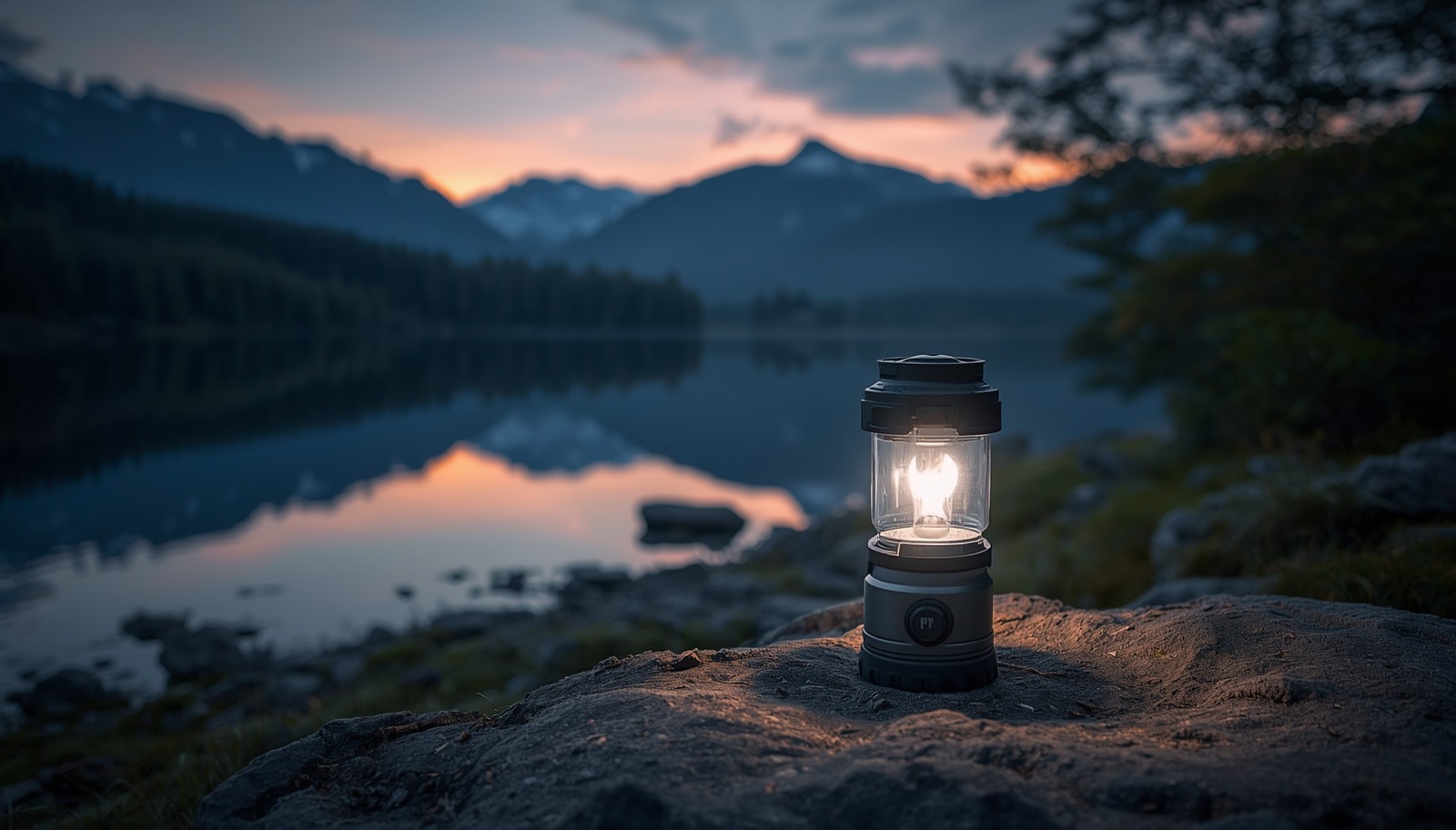
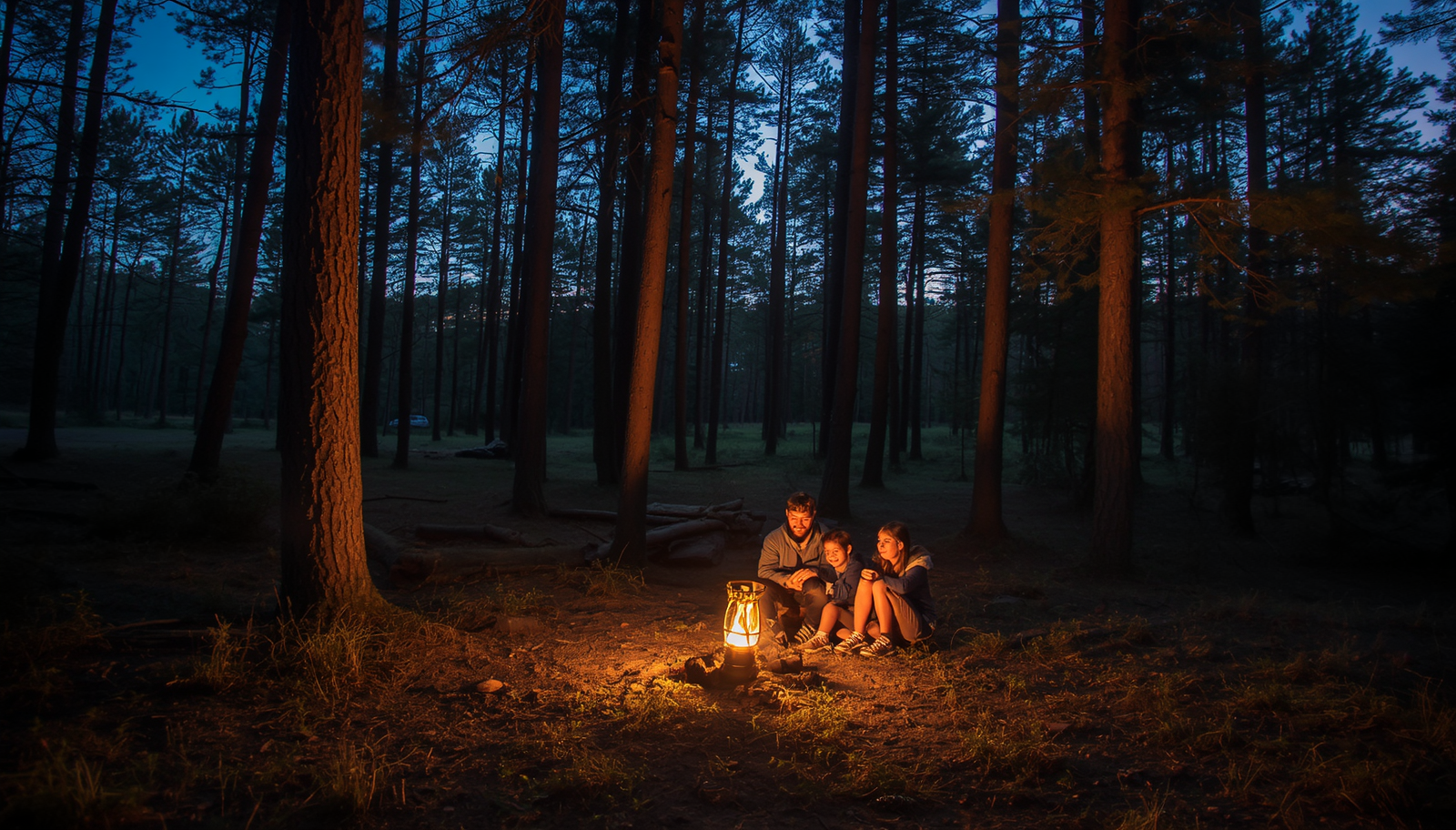
The source image shows a portable camping light placed low in a forest setting, producing warm nearby illumination. That scenario is commercially important because many consumers want light for small-group activity, gear sorting, casual conversation, and comfortable evening use. In this context, the purchase decision is not only about brightness. It is also about atmosphere, portability, and whether the lamp feels convenient when used outdoors.
For a B2B buyer, this use case should shape the early sourcing conversation. A lamp designed for close-range campsite lighting does not need to behave like a wide-area work light. It should support visibility without making the campsite uncomfortable. When the desired function is clear, it becomes easier to compare supplier recommendations and sample products.
Match Lighting Function to Customer Expectations
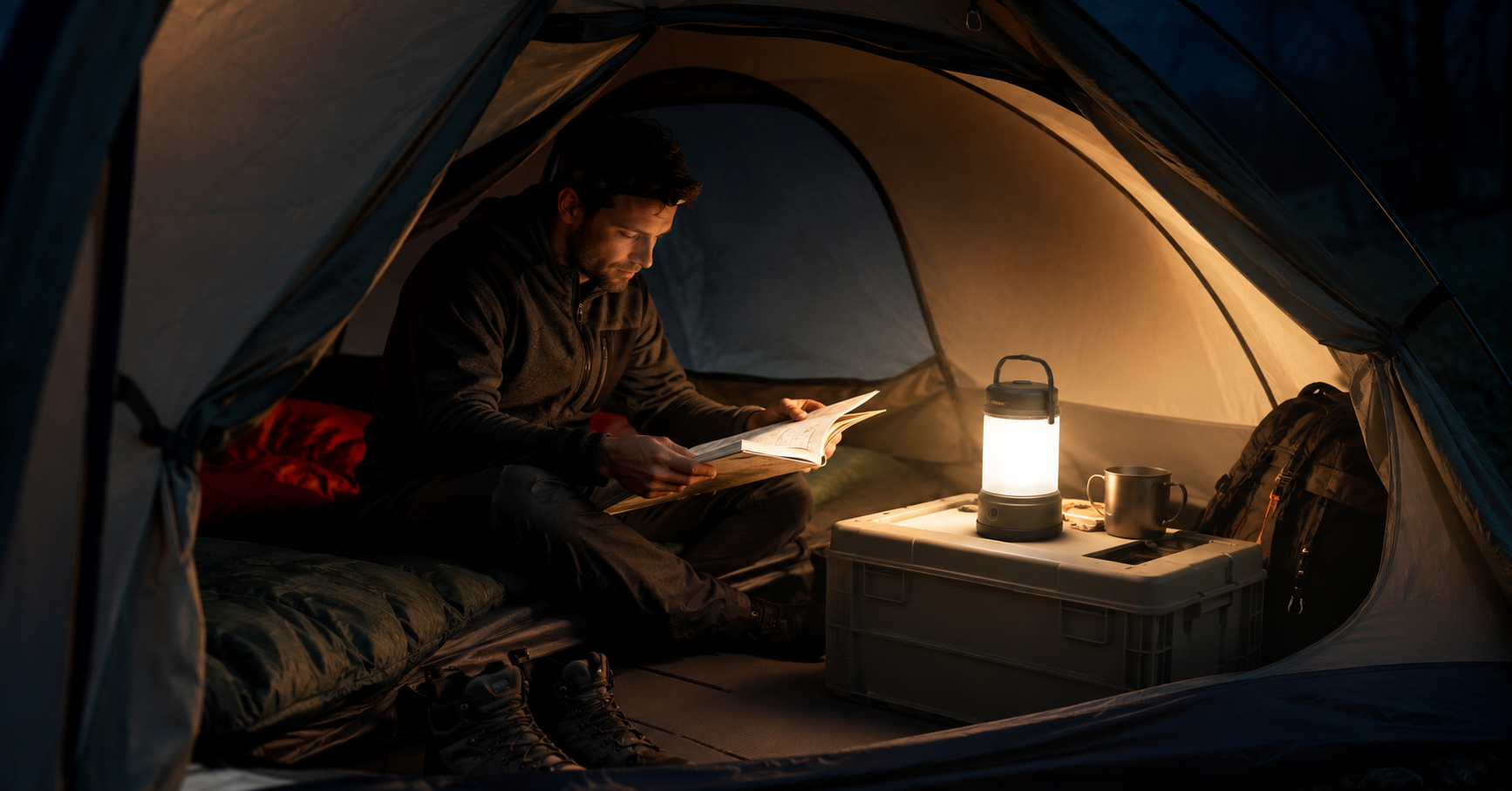
Outdoor lighting can serve several roles, and a capable camping lights supplier should understand the difference. Some lamps are intended for close-range campsite illumination, where the light sits on the ground, a table, or a flat surface and supports nearby activity. Others are expected to create comfort, with a softer visual effect that suits family camping, glamping, or picnic-oriented product lines.
Portable utility is another common expectation. A good camping lamp should be easy to move, store, and place where needed. If it feels bulky, top-heavy, or inconvenient on uneven ground, customers may quickly lose confidence in it. Sourcing teams should decide whether the product is primarily for ambient light, simple task support, or both before discussing samples.
Compare Suppliers by Practical Design Criteria
When comparing suppliers, buyers should ask direct questions about power method, light character, physical form, and outdoor practicality. The image alone does not confirm whether the lamp is battery-powered, rechargeable, or powered another way. That uncertainty is a reminder to confirm the power solution early, because it can affect packaging, transport planning, replacement expectations, and end-user convenience.
The visible warm light in the scene is also meaningful. Warm illumination is often suitable for social camping spaces because it feels softer than clinical task lighting. Physical form matters as well. A low, stable shape with some protection around the light source can make sense when gear is placed on the ground or handled in dim conditions.
Build a Clear Sourcing Brief Before Sampling
Many sourcing problems begin with a vague request for a “camping light.” That phrase can describe products for tent interiors, car camping, trail stops, backyard use, emergency backup, or decorative outdoor retail. If the supplier has to guess the application, the samples may not match the channel or customer profile.
A better brief describes the setting, user behavior, and desired visual style. For example, a forest campsite scenario suggests near-field illumination and social outdoor use rather than long-distance area lighting. Buyers can also review suitable product categories through the Brightenlux products page when defining the type of portable outdoor lamp they want to discuss. A supplier that asks sensible follow-up questions is often helping reduce future mismatches.
Avoid Common Camping Lantern Buying Mistakes
One common mistake is assuming that a visually attractive lamp will perform well outdoors. Outdoor products face dirt, moisture, repeated packing, accidental knocks, and uneven placement. A second mistake is chasing an impressive feature that does not support the real customer routine. Extreme brightness, for example, may not be the best priority for a small campsite where controlled, warm light is more comfortable.
Placement is another frequent blind spot. The source scene shows ground-level use, which makes stability important. A lamp that tips easily can frustrate users near food, fabric, or gear. Buyers should also consider presentation. Retail, e-commerce, and promotional channels need clear imagery and practical use descriptions, not generic indoor-style marketing that misses the outdoor context.
Use a Simple Evaluation Checklist
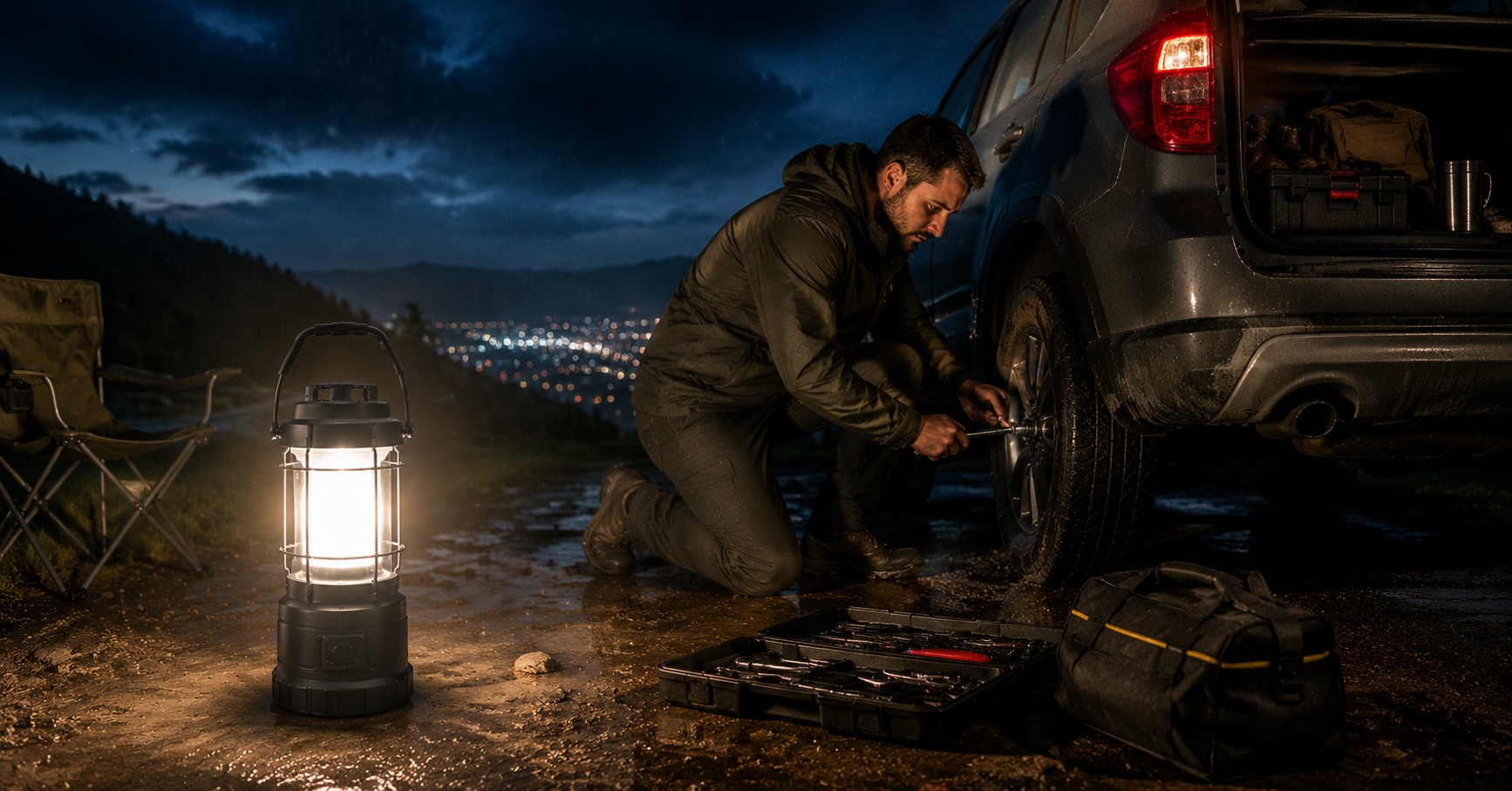
Samples should be treated as field tools, not showroom objects. Place them on uneven ground, move them in low light, and consider whether the form still feels logical when someone is tired or searching for equipment after dark. This practical testing mindset helps buyers see whether a lamp fits the campsite routine described in the brief.
| Evaluation Point | Why It Matters |
|---|---|
| Use scenario | Confirms whether the lamp is for ambient lighting, task support, or both. |
| Power method | Affects field operation, packaging, transport planning, and user convenience. |
| Light character | Helps balance visibility with comfort in close-range outdoor spaces. |
| Physical stability | Supports safer ground or table placement in normal campsite conditions. |
| Supplier communication | Shows whether the supplier understands real outdoor behavior. |
If your team is ready to clarify a specification or discuss a use case, you can contact Brightenlux before moving into sample comparison.
Choose a Supplier That Supports the Whole Product Story
Camping lighting is often sold as part of a broader outdoor gear story, alongside cookware, shelters, storage bags, or power accessories. The supplier is therefore helping shape how the product fits the customer journey, not simply delivering hardware. A lamp that looks natural in photos, listings, and campsite use is usually easier for a brand or retailer to position.
For products similar to the pictured lamp, the key idea is portable, warm, close-range campsite lighting. The format may be familiar, but sourcing still requires care because small design choices influence whether a product feels dependable or disposable. If you are shortlisting an LED camping light supplier, build the brief around real use in the dark, on the ground, and in a campsite setting. To start a sourcing conversation, send details through the Brightenlux inquiry page.
FAQ
What should B2B buyers ask a camping light supplier first?
Start by asking how the lamp is intended to be used outdoors. Clarify whether it is mainly for ambient campsite lighting, close-range task support, or both. This helps prevent mismatched samples and makes later discussions about power method, shape, light character, and product presentation more focused.
Why is warm light important for camping products?
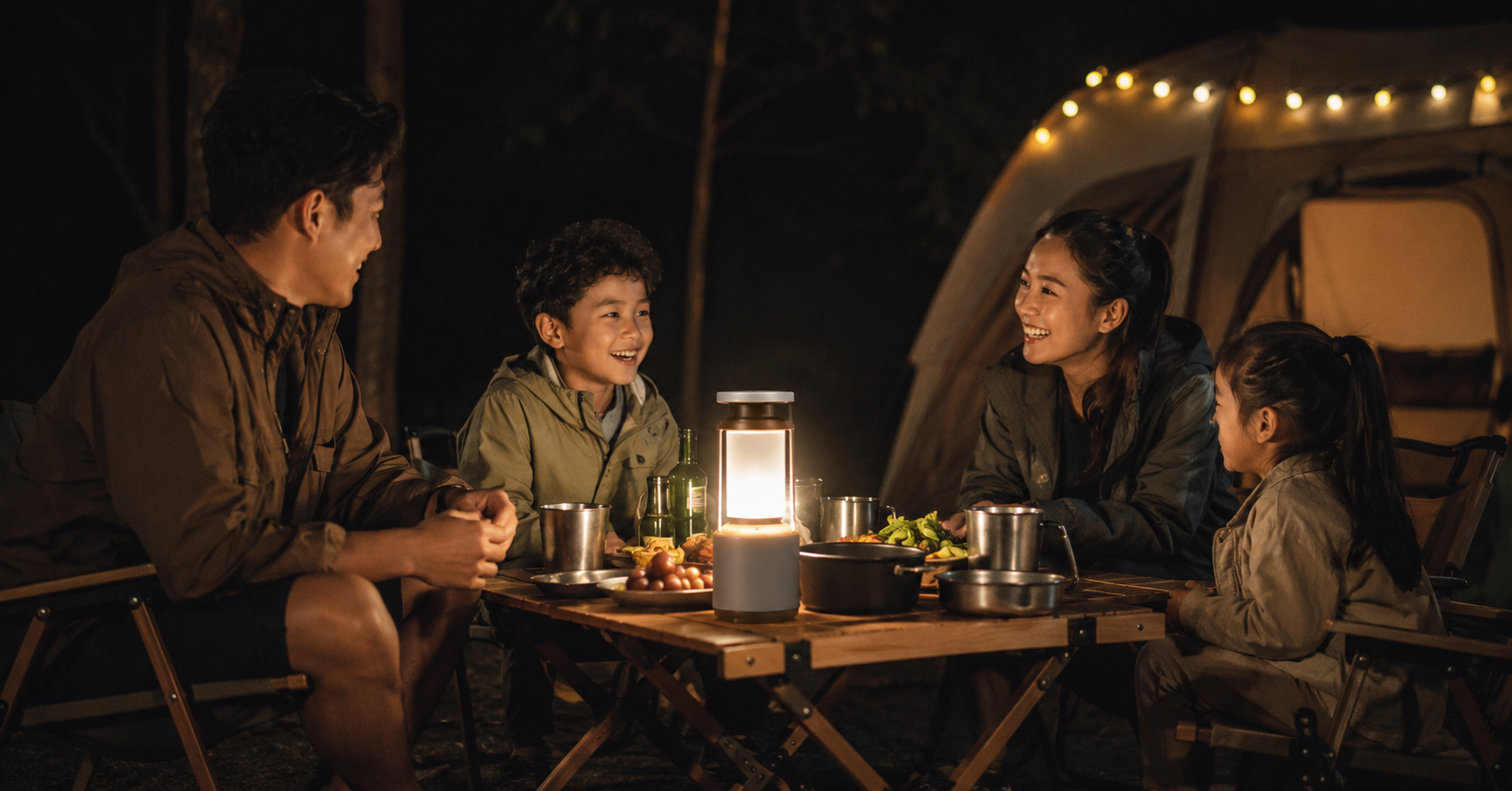
Warm light can be useful in social camping spaces because it feels softer and more comfortable for people sitting near a tent, cooking area, or rest zone. It may not suit every application, but for close-range campsite use it can support atmosphere as well as visibility.
How should buyers evaluate camping light samples?
Evaluate samples in practical conditions rather than only on a desk. Place the lamp on uneven ground, move it in dim light, and check whether the form feels stable and easy to handle. This reveals whether the design supports real campsite behavior, not just catalog appearance.
What makes a supplier easier to work with during sourcing?
A useful supplier asks clear questions about the target user, setting, channel, and intended lighting effect. They should be able to explain how a product supports outdoor use instead of relying only on general claims. Good communication often reduces sample confusion and improves product fit.