

Camping Lantern Manufacturer: How to Evaluate the Right Supplier
Comparing a camping lantern manufacturer is not just about who can assemble a light. For retail, private label, or emergency-preparedness programs, the way the lantern is built affects handling, packaging, perceived quality, and returns. A compact lantern with a carry handle and frosted diffuser should feel stable, comfortable, and practical for table use or backup lighting. If you are reviewing options, start by looking at structure, fit, and consistency, and review product examples before you request samples.
What this lantern is designed to do
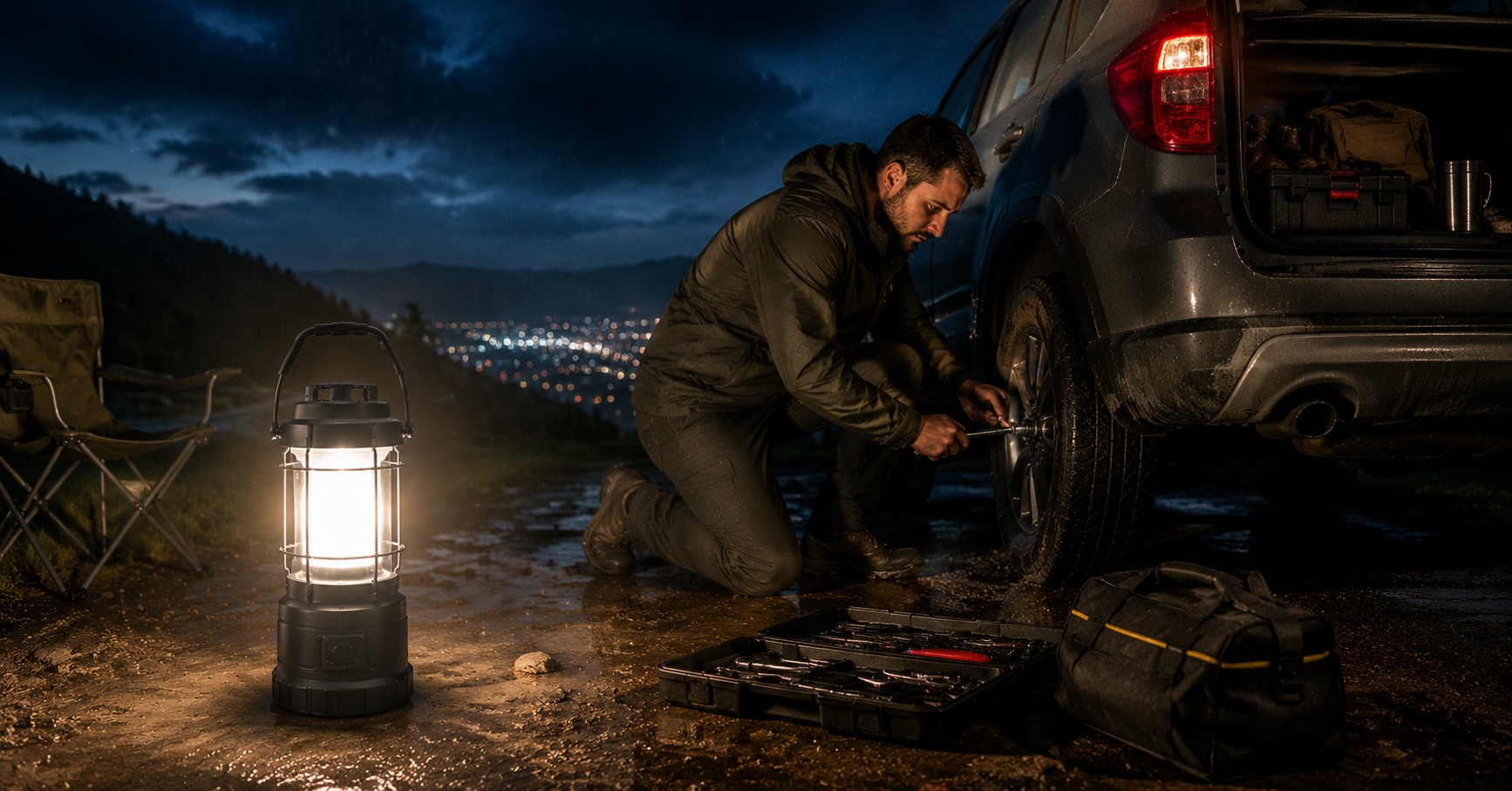
The lantern in question is a compact portable light source with a cylindrical body, a wide base, a top carry handle, and a protective wire cage around the lamp chamber. Its frosted or opaque diffuser points to broad, softened light rather than a narrow beam. That makes the format more suitable for family seating areas, tent interiors, caravan tables, or indoor backup lighting than for trail use. Buyers should judge the design on how it spreads light, how securely it sits, and whether it feels easy to carry from room to campsite. A lantern is not just another portable light. It solves a different problem, so the supplier should understand table lighting, safe handling, stable placement, and usable area light, not only general outdoor use or spec-sheet language.
Camping lantern factory vs. camping light manufacturer
The two labels often overlap, but they can hint at different strengths. A camping lantern factory may focus on enclosed lights, family-camping formats, hanging units, and emergency-style products. In that case, the supplier may think more carefully about diffuser texture, guard forming, housing tooling, and assembly flow. A camping light manufacturer may cover a broader range, including lanterns, task lights, and more directional products. That wider scope can help if you want several SKUs that share switches, battery concepts, or packaging logic. The key question is simple: what does the supplier build most often? A team that regularly produces enclosed lanterns is more likely to understand loose handles, poor diffuser fit, unstable bases, or switch panels that feel weak after only a few cycles. Many suppliers can do both, but experience with this exact format still matters.
Construction details that matter most
Buyers often start with appearance, but the small physical choices carry the most weight. The body appears to use matte or semi-matte black plastic or coated metal. Plastic can reduce weight and simplify molding, while coated metal can create a more rugged look if the finish is handled well. The diffuser is equally important because it controls comfort and visibility. A frosted piece that fits cleanly is better than one that sits loose, yellows unevenly, or hides the light poorly. The wire cage and handle also deserve attention, because they affect protection, carry comfort, and user confidence. Ask the supplier to explain these parts clearly, not only the lantern as a finished image. Fingerprints, scuffing, and visible molding lines also affect perceived value after shipping and shelf handling.
| Part | What to check |
|---|---|
| Body | Finish, seam alignment, and how it looks after handling |
| Diffuser | Fit, thickness, and how evenly it spreads light |
| Guard and handle | Security, comfort, and whether the lantern feels balanced |
What good manufacturing usually looks like
For this assembled portable lighting product, the process may involve plastic injection molding for the housing and diffuser, plus metal forming for the guard and handle. That is a reasonable inference from the visible structure, though the exact method depends on the supplier. What matters to buyers is whether the final unit fits together cleanly. A capable line should manage the body, diffuser, guard, and base without obvious gaps or wobble. Repeatability matters more than decorative flourishes, especially for seasonal retail or emergency kits. Final inspection also matters. Even a simple lantern benefits from checks for switch function, cosmetic defects, light consistency, and packaging protection. Seasonal buyers know the pain of containers that looked fine in photos but arrived with rattling parts and cracked housings. If you want to discuss product structure with a supplier, use this inquiry page to start the conversation.
How to compare suppliers without overcomplicating it
Start with the end use. Camping and caravan use call for portability, a comfortable handle, and stable tabletop placement. Emergency-preparedness buyers often care more about simple operation, broad distribution, and a form factor that stores easily with household supplies. Retail and private label programs may weigh appearance and packaging more heavily. Then compare each supplier on consistency, assembly robustness, design flexibility, and communication. If the supplier can answer plain questions about structure, materials, and production flow without hiding behind vague language, that is a good sign. You can also ask whether they can support color changes, logo placement, or packaging adjustments without turning the program into a full redesign. A strong supplier should explain how the lantern is built and what can be adjusted without making the product fragile or fussy. For a direct conversation, see contact us.
Common mistakes buyers make with lantern sourcing
One common mistake is treating all portable lights as interchangeable. A lantern and a flashlight may both be sold as camping lights, but they solve different problems. If the user wants table lighting, a directed beam is the wrong format. Another mistake is focusing too heavily on one feature, usually brightness. Output matters, but not if the lantern is awkward to carry, unstable on a table, or too harsh indoors. Buyers also overlook the enclosure. The diffuser, guard, and base shape the experience as much as the visible front. Finally, packaging is easy to underestimate. Lanterns can be awkward to carton because of handles and height, so poor protection can leave the product looking tired before it reaches a shelf or storage box. A supplier that only talks about the front view is probably not thinking through the whole device.
FAQ for sourcing teams
Is this lantern style only for camping?
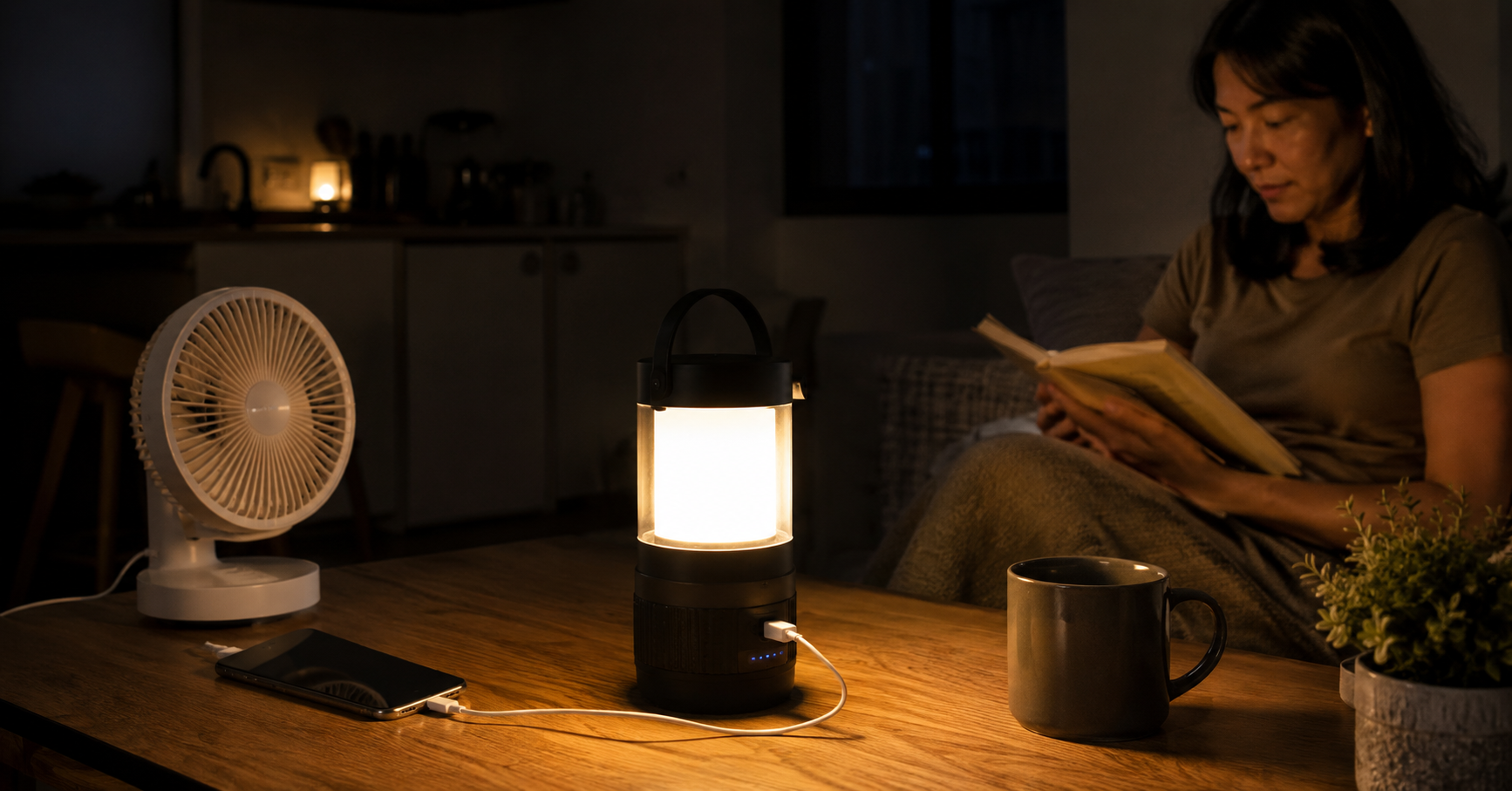
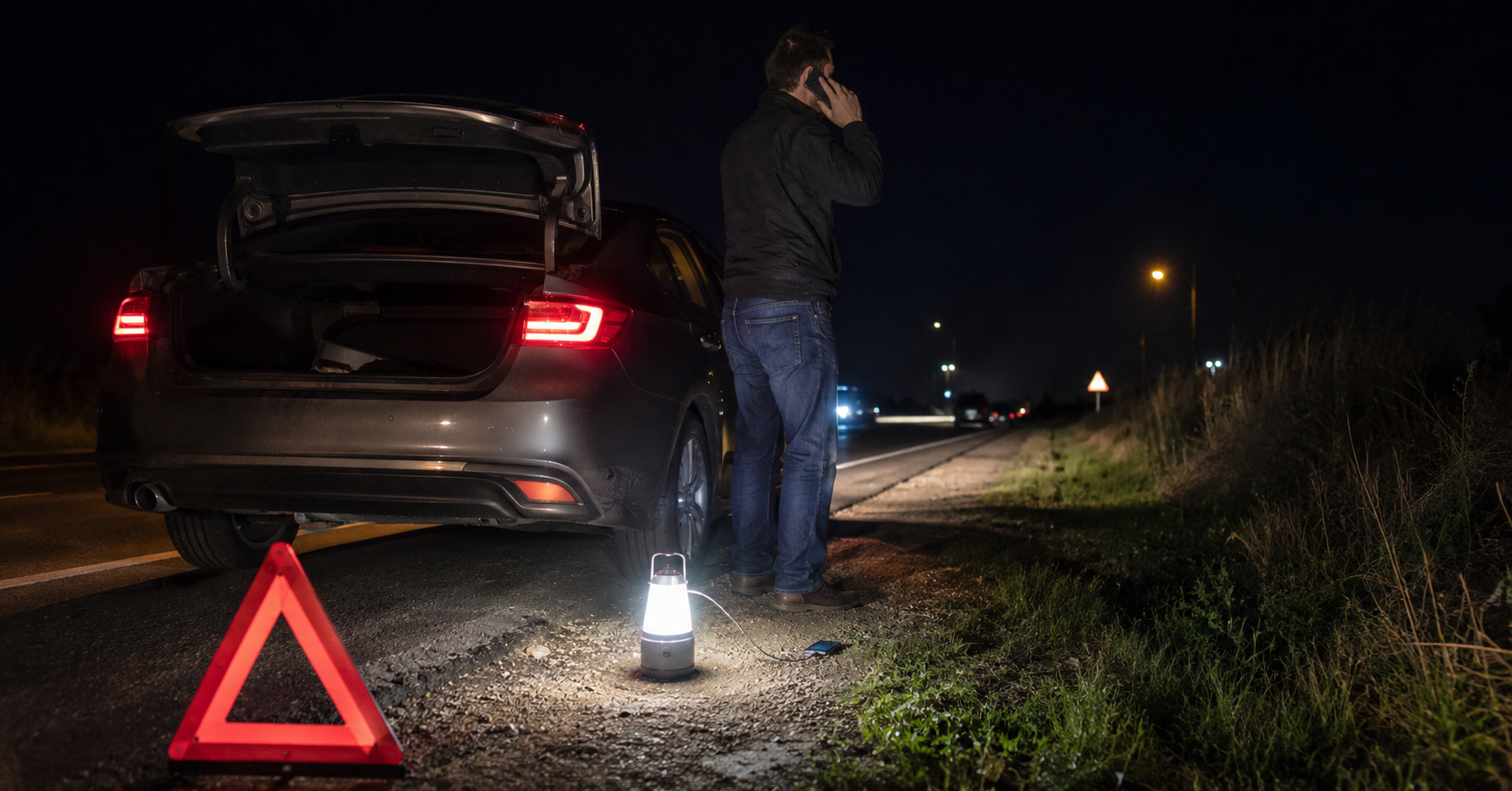
No. The broad, diffused light and carry handle make it suitable for camping, household outages, emergency kits, and temporary indoor task lighting. Its shape and light distribution point to general area use rather than trail lighting, which is why buyers often treat it as a multipurpose format.
Should I choose a specialized lantern supplier or a broader light supplier?
If lanterns are your core product, a specialized supplier often brings better familiarity with enclosed housings, diffusers, and carry handles. If you need several portable light formats in one program, a broader supplier may be more efficient. The better choice depends on whether consistency or range matters more.
What should I verify first when I review samples?
Start with construction quality, stability, diffuser fit, and overall handling. Those details tend to influence customer satisfaction more than many buyers expect. Also check whether the lantern feels balanced, whether the guard and handle stay secure, and whether the assembly looks clean from several angles.
What makes a supplier easier to work with?
Clear communication helps most. A good supplier should answer direct questions about materials, structure, and production flow without vague language. It also helps if they can discuss logo placement, color changes, and packaging updates without turning the project into a complete redesign or making the lantern feel overcomplicated.