

Camping Lantern Manufacturer Guide for Buyers and Sourcing Teams
When buyers search for a camping lantern manufacturer, they usually want more than a supplier that can assemble a light. They want a partner that understands outdoor use: uneven ground, wet hands, dropped gear, and the need for a lantern that is easy to carry, easy to place, and hard to knock over. If you are reviewing options, you can also browse products to compare product directions.
For sourcing teams, the real question is whether the factory can build a stable, portable lantern that performs well in the field and stays consistent from batch to batch. Details such as the housing, diffuser, guard, and base matter more than a polished sample photo. In this category, practical design usually wins over decorative appeal.
What buyers really mean when they search for a camping lantern manufacturer
Most buyers are not searching for a generic light supplier. They are looking for a manufacturer that understands outdoor conditions and the behavior of campers, hikers, anglers, and emergency users. A lantern for this market needs to be comfortable to carry, simple to place on a table, and reliable when the environment is not controlled. That is very different from indoor decorative lighting or a basic flashlight program.
When sourcing teams evaluate a factory, they usually focus on three things. First, can the supplier build a lantern that feels stable and practical in use? Second, can the design stay consistent across repeated orders? Third, can the factory handle the details that make a lantern useful outdoors, such as protective housing and soft, diffused light? Those questions are the start of a serious buying process.
What a camping lantern must do in real use
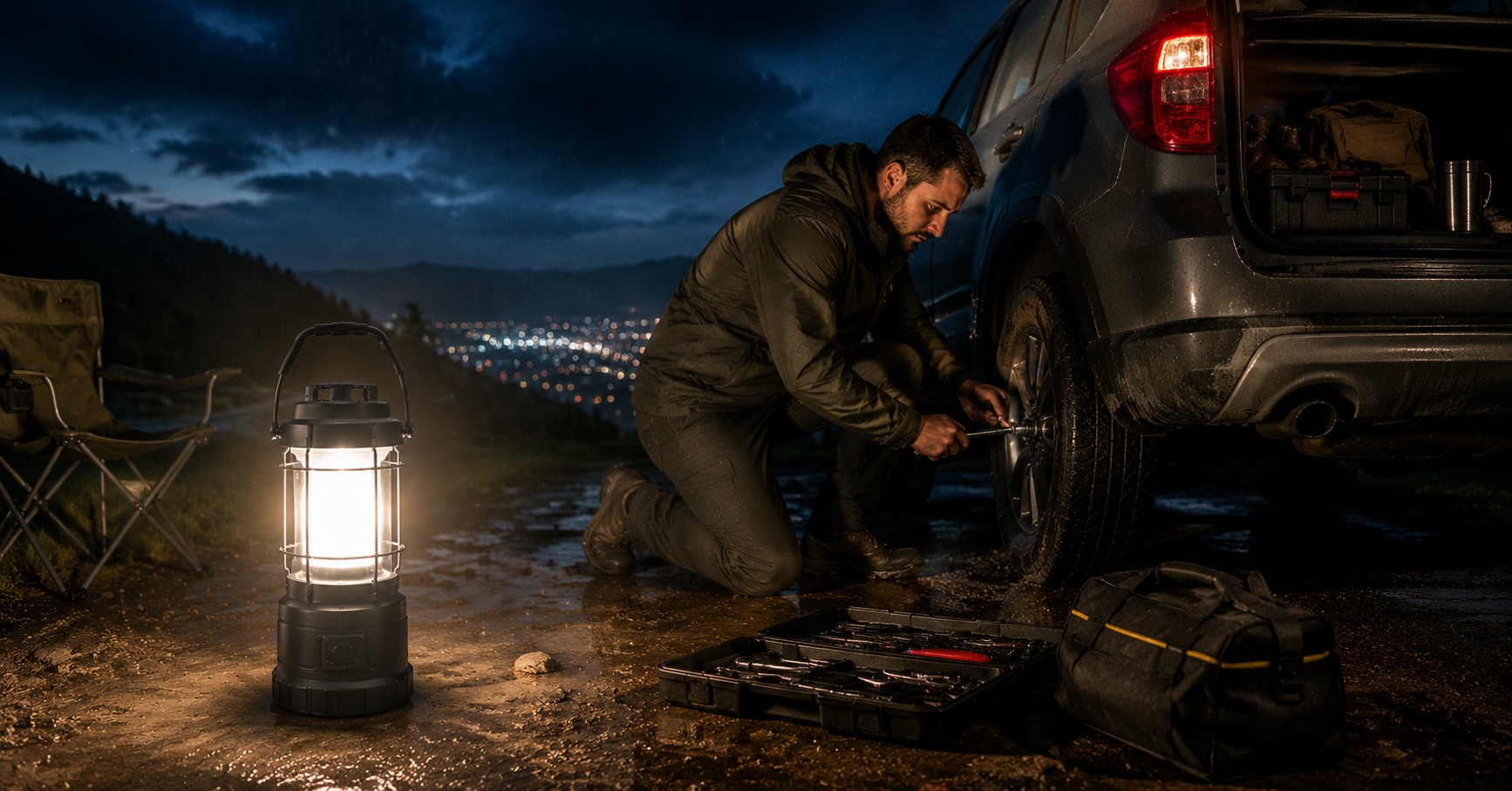
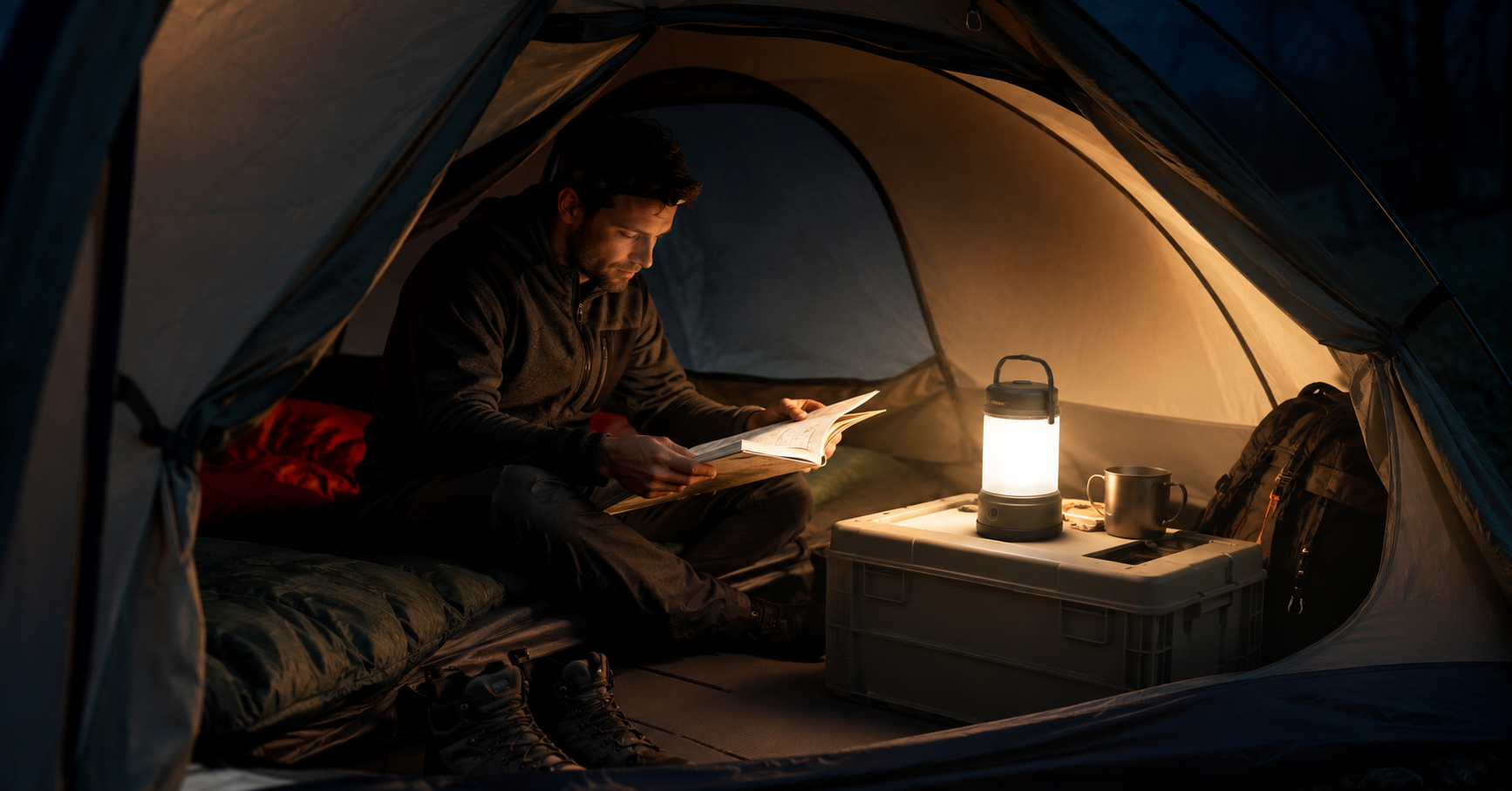
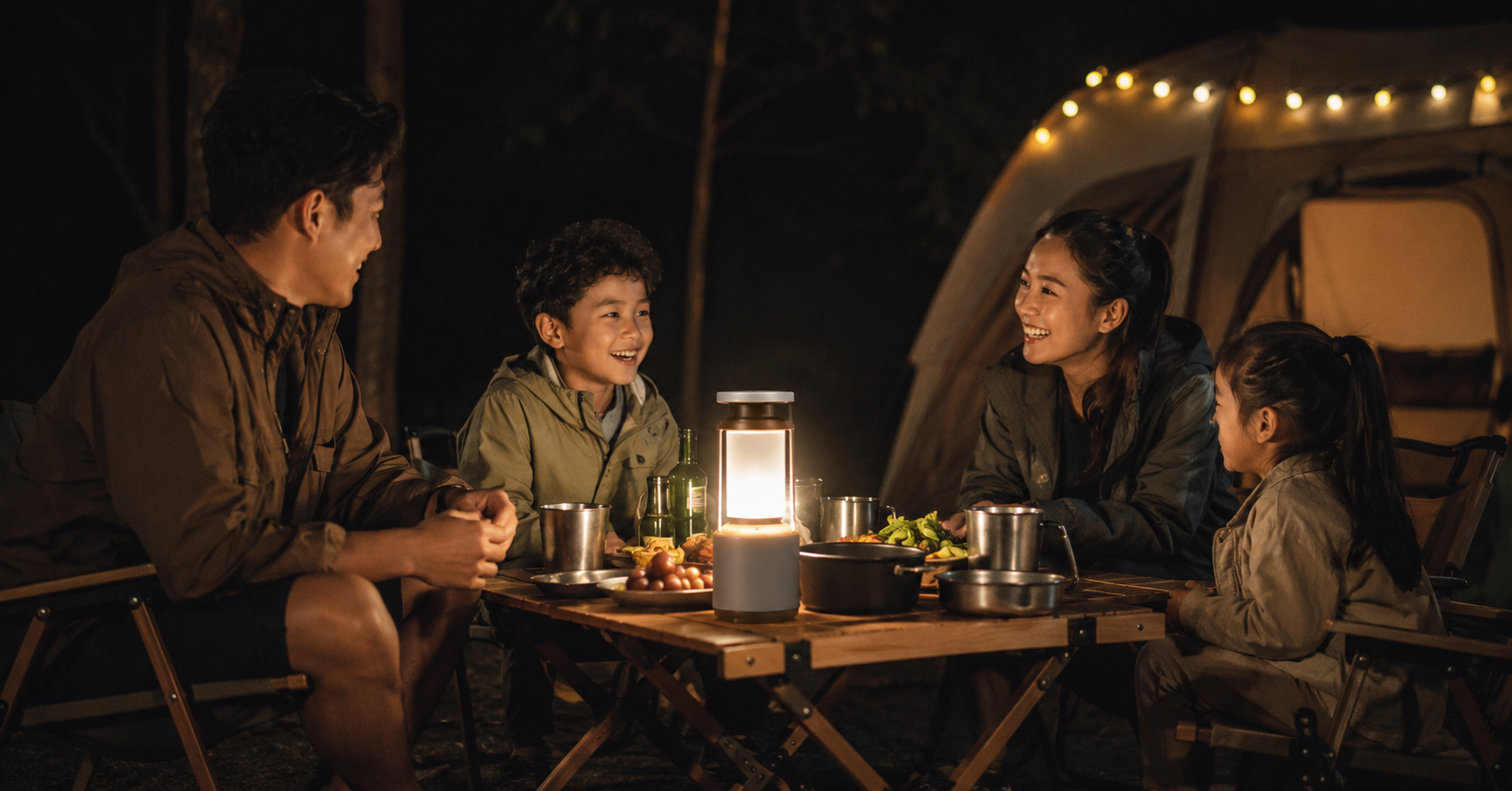
A campsite lantern is a utility product first. It needs to light a small area without forcing people to squint, and it needs to work when conditions are awkward. The source product description points to a portable camping lantern with a top carry handle, a stable base, and a cylindrical diffuser protected by an outer wire cage. That combination fits tent lighting, table use, and general outdoor evening illumination.
The guard is not just a visual detail. It helps protect the lamp chamber from bumps during transport and from accidental contact with cookware, chairs, or boots. The diffuser matters too, because outdoor users usually want broad, softer light rather than a narrow beam. A lantern that spreads light in multiple directions is often more useful at camp than a concentrated spotlight.
Typical product structure in this category
Portable camping lanterns are usually built from molded plastic parts, metal wire components, and internal LED lighting. The build is straightforward, but the differences between factories appear in fit, switch feel, cage alignment, diffuser clarity, and the way the unit holds up after repeated handling. A camping lantern factory should understand that small flaws can change how the product feels in the hand.
The housing and base usually define the first impression. A wide base helps the lantern sit securely, while clean molding and tight part fit keep the product from looking loose or unfinished. The central light chamber is where the diffuser controls how the light appears to the user. The outer guard and top handle affect portability and perceived ruggedness. If those parts feel flimsy, buyers notice immediately.
How to judge a supplier beyond the sample
A good sample does not prove that a supplier can deliver a consistent order. Buyers should judge repeatability, not only appearance under office lighting. Start by checking whether the cage sits true around the chamber, the base sits flat, and the switch area feels secure. Those small details often show how well the factory controls assembly, alignment, and part fit.
It also helps to look at the supplier’s approach to outdoor expectations. Clear design information is more useful than exaggerated claims. If a vendor promises performance without supporting detail, that is a warning sign. A reliable manufacturer should explain how the parts are joined, how the electrical components are protected, and how production defects are handled. If needed, you can contact us to discuss requirements directly.
Questions sourcing teams should ask before ordering
Before placing an order, buyers should ask direct questions about use case, materials, assembly, and packaging. The answers show whether the supplier understands camping products or only sells generic lighting. A disciplined review helps prevent surprises after the first shipment.
| Buyer question | Why it matters |
|---|---|
| What is the intended use case? | It changes priorities for tent use, table use, backup lighting, or mixed use. |
| What materials are used? | Housing, diffuser, and guard materials affect consistency and product feel. |
| How is the lantern assembled? | Part count and fastening method affect reliability and repeatability. |
| How is it packed? | Packaging should protect the handle, cage, and diffuser during transport. |
These questions may seem basic, but they separate serious OEM or ODM partners from vendors who simply offer whatever is convenient at the time.
Common mistakes buyers make
The most common mistake is choosing a lantern by appearance alone. A dark housing, wire cage, and carry handle can make almost any unit look outdoor-ready, but that does not mean it will hold up in camping conditions. Buyers should check how the product sits, how the switch behaves, and how the light spreads in a real tent or on a table.
Another mistake is focusing too much on styling and not enough on basics such as a stable base or an easy-grip handle. A third issue is assuming every lighting factory is equally suited to camping gear. A general light manufacturer may understand LEDs well, but still miss the handling needs of portable outdoor products. Those gaps appear in the details.
How to match the lantern to the use case
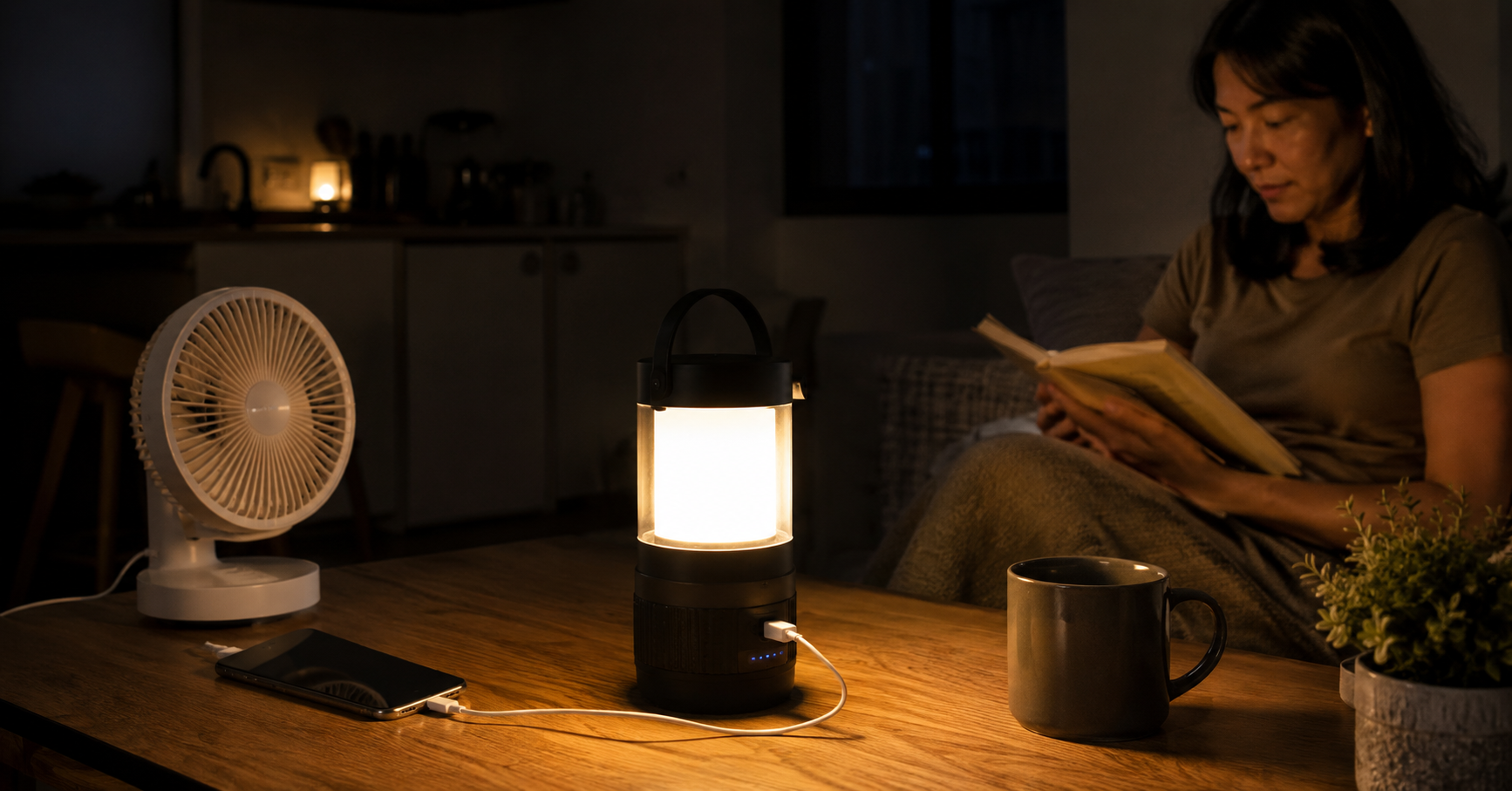
This lantern type is usually a good fit for tent lighting, campsite table use, emergency backup lighting, fishing and boating trips, and general outdoor evening use when power is unavailable. In those situations, the value comes from a soft, broad glow and a form that stays practical after repeated handling. If your project needs a stable table light, this structure makes sense.
It is less suitable for projects that require a highly sealed unit, advanced smart controls, or a very high-output search light. Those are different product families. For sourcing teams, the safest path is to match the product to the real environment first, then refine details such as shape, packaging, and handling. If you are comparing builds, a brief inquiry is the fastest way to start a focused discussion.
FAQ
What should a buyer check first in a camping lantern sample?
Start with the basics: whether the lantern sits securely, whether the handle feels practical, and whether the light spreads evenly. These points reveal much more about real use than a polished look alone. They also help you judge whether the sample reflects consistent production thinking.
Why does the outer cage matter so much?
The cage helps protect the lamp chamber from bumps during transport and from accidental contact at camp. It is also part of the product’s rugged feel. In this category, protection and perceived durability are both important because users handle the lantern in rougher conditions than indoor lights.
What makes a camping lantern factory different from a general light factory?
A camping lantern factory should understand portability, stability, diffused area lighting, and practical handling. A general lighting supplier may know LEDs well, but still overlook the needs of outdoor use, such as a secure base, a reliable handle, and a form that works away from mains power.
When is this lantern type the wrong choice?
It is not the right fit if your project needs a highly sealed unit, advanced smart functions, or a very intense directional beam. Those requirements belong to different product families. Choosing the wrong structure usually creates compromise in both user experience and sourcing results.