

OEM Flashlight Manufacturer Guide for Patrol and Inspection Lights
When buyers look for an OEM flashlight manufacturer, they are usually solving a practical problem, not shopping for a generic torch. The goal is a dependable handheld light that fits the user’s hand, supports one-handed use, and can be built for a specific channel, brand, or duty brief. For patrol and inspection work, the right product has to feel useful in real conditions. If you want to review product options first, start with current lighting products and then shape the brief around the actual use case.
A flashlight may look simple, but the buying decision rarely is. Body material, switch feel, beam pattern, lens design, battery architecture, and assembly quality all affect whether the light earns repeat orders or returns. A strong OEM partner helps turn a concept into a sellable product, but only if the buyer knows what to define early and what to inspect carefully.
Why patrol and inspection lights need a different buying brief
Patrol and inspection lights are not bought for appearance alone. They are carried daily, used in low-light spaces, and often operated with one hand while the user manages a door, radio, clipboard, or other task. That means compact size, predictable output, and easy handling matter more than marketing language. A security team wants a tool that can be reached quickly. A maintenance crew wants a light that helps them check a narrow area without getting in the way.
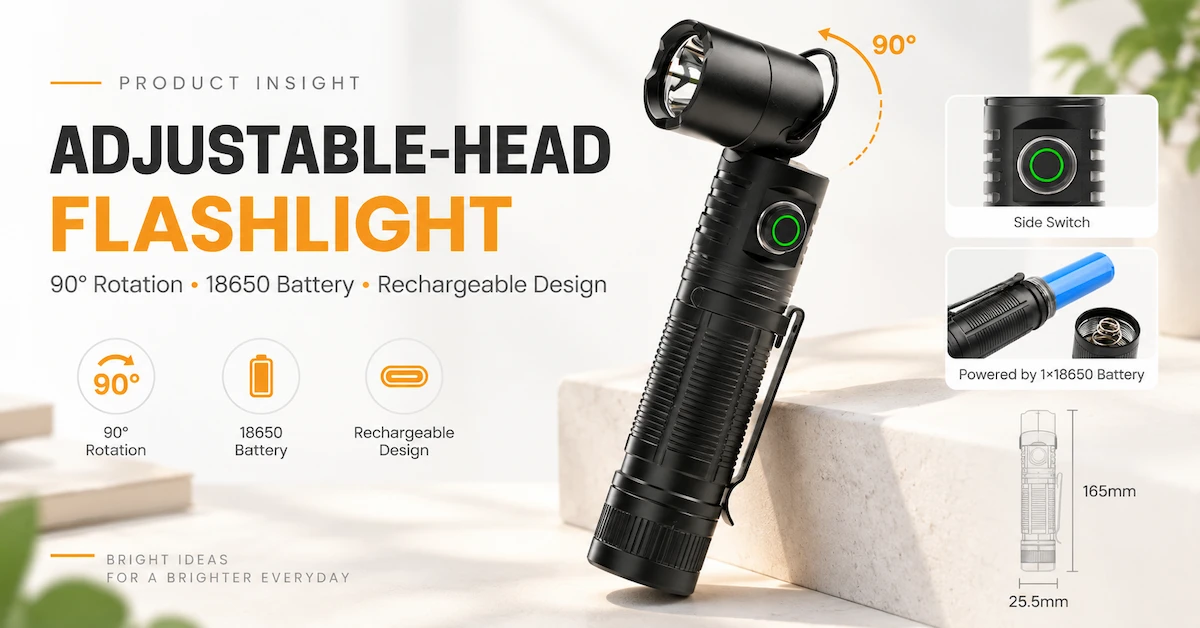
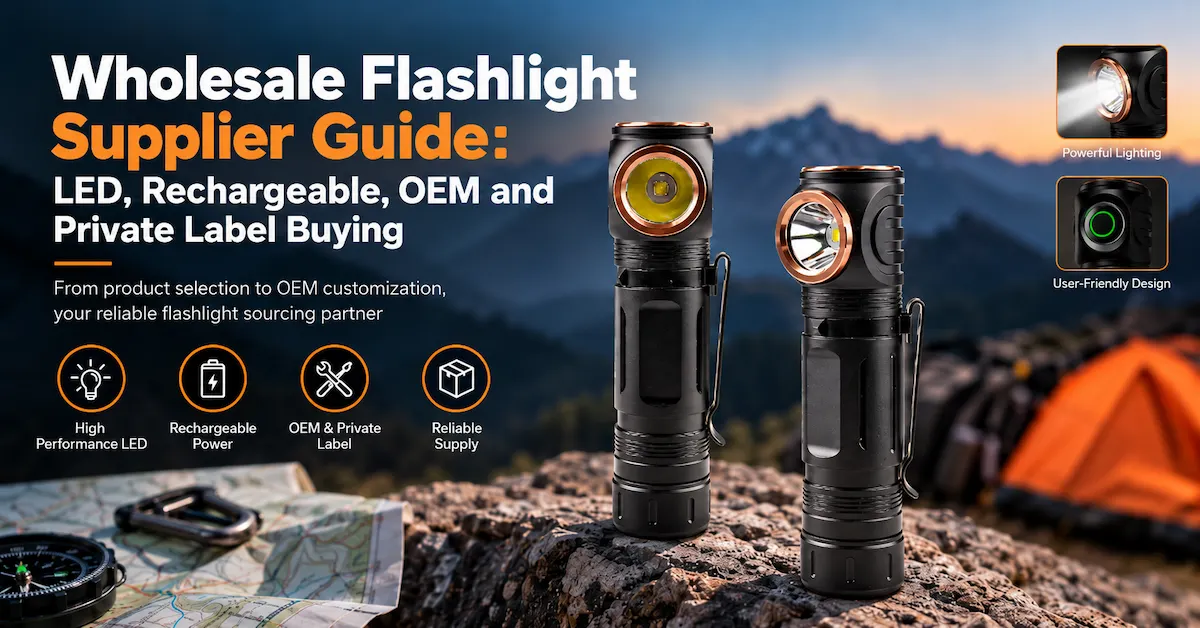
The visible product in the source material is a small black handheld flashlight with a textured grip and a bright LED emitter in the head. That kind of practical shape usually suits duty use because it is easy to carry and simple to aim. Still, the real question is not how it looks in a catalog. It is whether the design fits the task, the user, and the way the product will be issued or resold.
Define the use case before you request samples
One of the most common sourcing mistakes is asking for a sample before the application is clear. Patrol, inspection, emergency kits, and general-purpose carry all point to different priorities. A patrol user may need a focused beam and quick activation. An inspection user may care more about close-range visibility and stable beam behavior. A product meant for private-label retail may also need a different balance between appearance, packaging, and cost control.
Before sampling, buyers should define who will use the light, where it will be carried, and how often it will be used. Will the light ride in a pocket, duty belt, or toolbox? Will users wear gloves? Is the goal easy one-handed operation, balanced handling, or a compact footprint that is easy to stock? These questions shape the design brief and reduce back-and-forth later. They also help the OEM flashlight manufacturer suggest realistic options instead of guessing.
What an OEM flashlight manufacturer actually controls
A flashlight OEM program usually involves more than putting parts together. The supplier must coordinate the housing, LED module, reflector or lens, switch, battery compartment, internal wiring, and final assembly. On the outside, grip texture, matte or anodized finish, and logo placement influence both usability and branding. On the inside, consistency is what keeps the product from drifting between samples and production.
Buyers sometimes assume a light can be copied from a photo. In practice, that is risky. Two flashlights may look similar and still feel very different in use. The beam hotspot, spill, switch click, and thermal behavior can all shape the user experience. That is why a custom flashlight manufacturer should be able to explain how the product is built, where customization is possible, and which choices affect field performance. If you need to discuss project scope directly, you can also contact the team before committing to sampling.
Material and build choices that affect daily use
The source image shows a compact black flashlight with a textured body, which suggests a practical rather than decorative design. That makes sense for patrol and inspection use, where grip and carry comfort matter. Buyers often choose between metal and polymer bodies depending on the channel, expected handling, and budget target. Metal can feel more substantial and often suits professional gear. Polymer can reduce weight and may be easier to manage from a cost perspective.
Material choice is only part of the story. A rugged-looking surface is not the same as a rugged product. Ask how the housing is joined, how the lens is seated, and how the switch is protected. Ask what the internal assembly looks like and how consistency is maintained. These details are less visible than the exterior finish, but they often decide whether the light holds up in daily use. The right structure is the one that supports the intended scene, not the one that only looks strong.
How to evaluate an OEM flashlight supplier
A practical supplier should be able to describe the product structure clearly. They should talk about the LED assembly, beam characteristics, housing options, and customization points without hiding behind vague claims. They should also understand the difference between a promotional flashlight and a light intended for duty use. Those are related markets, but the expectations are not the same.
Look for a vendor that can support sample revisions, branding changes, and steady communication through production. A useful partner will discuss tradeoffs honestly: brightness versus runtime, size versus handling, and heat behavior versus compact form. That kind of clarity matters more than brochure language. The buyer should feel that the supplier can manage detail, not just repeat general promises. If a vendor avoids questions about the product’s structure or limits, that is usually a warning sign.
A compact sourcing checklist for patrol and inspection programs
Before you move from idea to sample, it helps to write down the project in plain language. The list below keeps the brief focused and makes supplier comparisons easier. It is also useful for private-label teams that need a repeatable process for future orders.
| Question | What to confirm |
|---|---|
| Main use | Patrol, inspection, emergency, or general carry |
| User handling | One-handed use, glove use, pocket or belt carry |
| Design focus | Compact size, beam pattern, grip comfort, or a balanced mix |
| Customization | Body finish, logo, packaging, and control layout |
A short checklist like this prevents the project from drifting. It also keeps sample reviews grounded in the actual use case instead of personal preference. If you are still defining the brief, browsing product examples can help you compare shapes and formats before you request changes through an inquiry.
Common mistakes in flashlight OEM sourcing
One frequent mistake is choosing the light by appearance alone. A neat black body and a strong beam in a product image do not guarantee field performance. Another mistake is asking for too many changes too early. It is tempting to change the shell, finish, package, and logo at the same time, but that can make it harder to trace quality issues and slow down sampling.
Buyers also sometimes under-specify the application. If the supplier does not know whether the light is for patrol, inspection, or general carry, the design can miss the mark even if it is technically sound. Finally, consistency matters. In private-label and institutional buying, users notice when one batch feels different from the next. The best sourcing process is usually the one that keeps the core design stable and changes only what truly needs to change.
FAQ for OEM flashlight sourcing
Is a custom flashlight manufacturer only useful for large orders?
Not necessarily. Larger programs often make customization easier to justify, but some suppliers can support smaller launches as well. The main point is that the project should be clear enough to justify sampling, communication, and any design changes. A well-scoped brief is more important than volume alone.
Should patrol buyers prioritize beam strength or portability?
That depends on the user scene. Patrol staff usually value easy carry and quick handling, while inspection users may care more about close-range visibility and stable beam behavior. A light that is too bulky may be left behind, while a light that is too limited may fail in practice.
What makes an OEM flashlight supplier worth working with?
Clear technical communication, stable production quality, and a realistic approach to customization. The best suppliers explain the product structure, point out tradeoffs honestly, and help the buyer avoid unnecessary complexity. That is often more valuable than a long list of vague claims.
What should buyers confirm before placing an OEM order?
Confirm the customizable parts, standard material and finish, internal and external components, and how consistency will be managed from sample to mass production. It is also wise to write down what is not included. Clear definitions reduce disputes and keep the project moving in the right direction.