

Camping Lantern with Power Bank: What Buyers Should Know
A camping lantern with power bank often seems simple until it is needed during an outage, a late campsite setup, or a dead-phone moment on the road. It combines two useful functions in one portable product: area lighting and small-device charging. For B2B buyers, that combination matters because it can reduce SKU clutter, support emergency readiness, and fit both outdoor and household use cases.
If you are assessing this category for retail, kit building, or seasonal supply, the key is not just that it lights up. You also need to judge how the lantern is built, how the charging function works in practice, and whether the product feels easy to use when conditions are inconvenient. Browse product options or contact us for sourcing support.
Why this product category matters
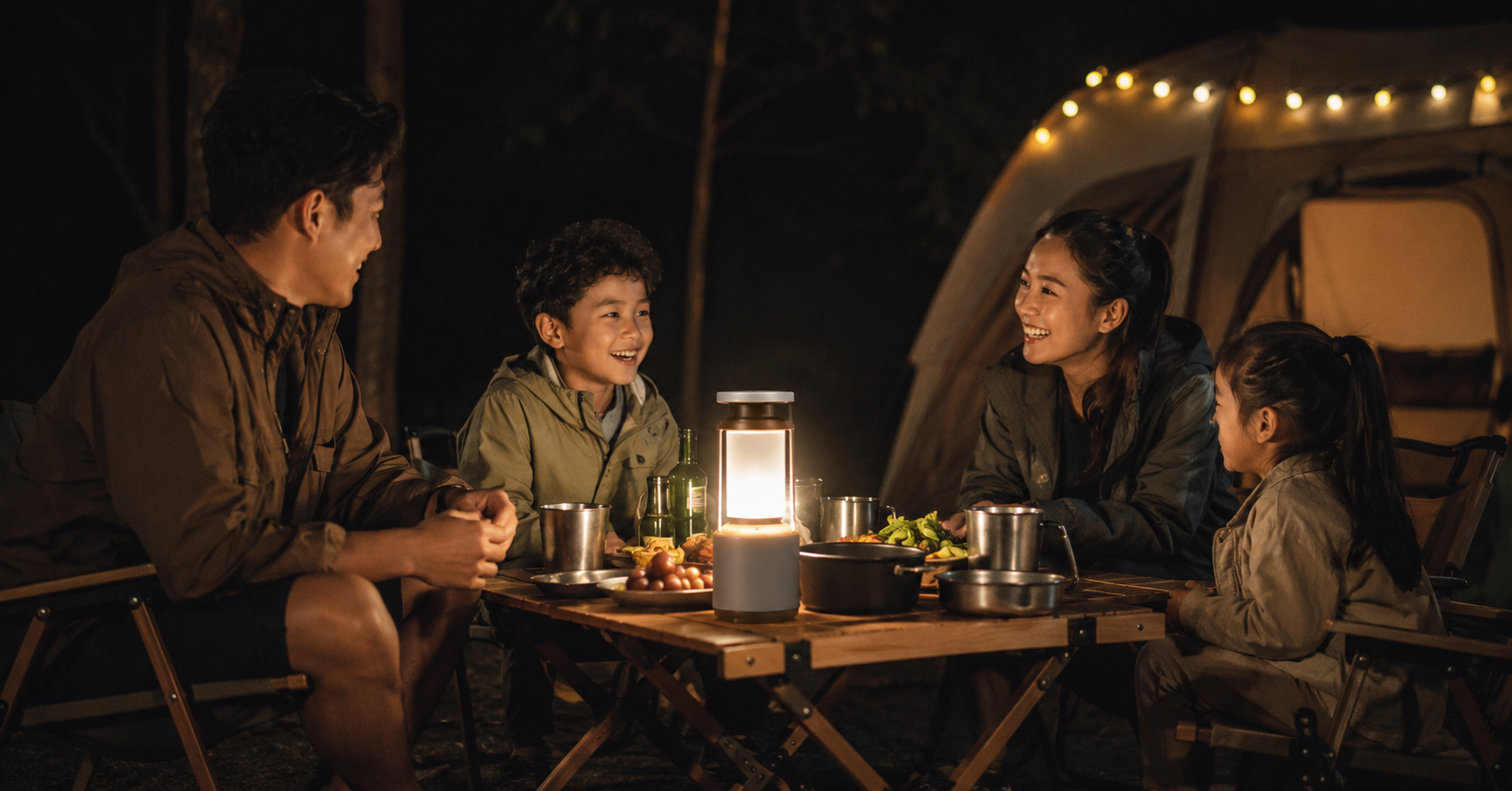
A camping lantern with power bank sits at the intersection of three user needs that often appear together: light, communication, and portability. In a blackout, people want illumination, but they also want their phone to remain usable. In camping, the lantern should help with setup, navigation, and small tasks without adding extra bulk to the bag. That is why the category is more than a convenience item.
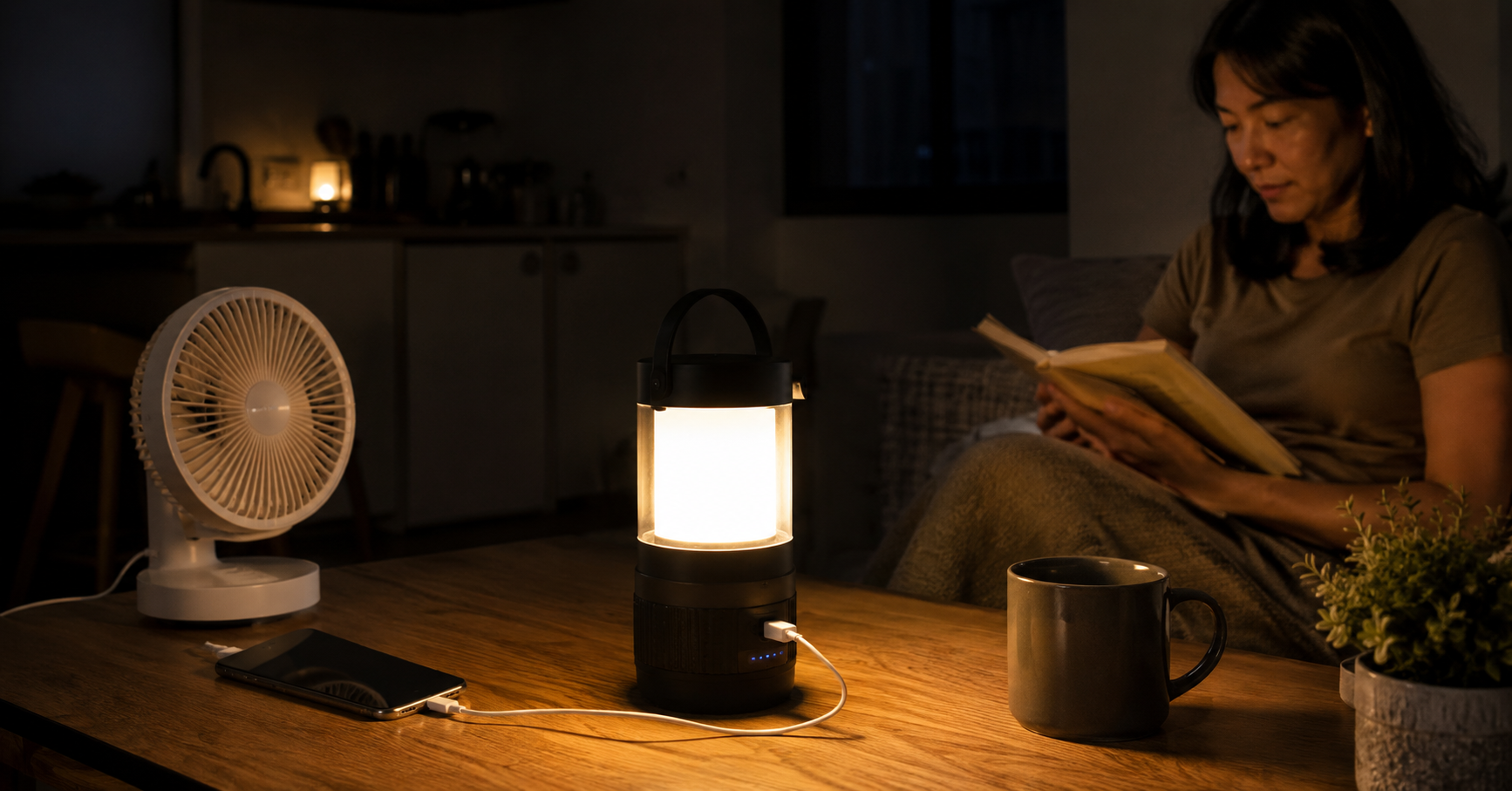
For buyers, the appeal is consolidation. One product can replace separate lighting and charging accessories in an emergency kit or outdoor assortment. The visible form factor usually shows a cylindrical body, a carry handle, a protected lamp chamber, and a USB charging output. Those elements signal a portable rechargeable lantern built for utility rather than decoration.
What the design tells buyers
The product geometry offers useful clues. A cylindrical lantern body usually supports broad light distribution, which is helpful for tents, tables, rooms, and compact work areas. The top handle makes transport easy and may also support hanging. The protected lamp chamber suggests a design intended to reduce damage from ordinary handling, while the wider base often helps house the battery and electronics.
The visible status LEDs are another practical detail. They suggest battery and charge indication, which matters because users need to know whether the lantern is active, charging, or running low. For a product that may be stored for weeks before use, simple feedback is valuable. In this category, clarity matters more than visual complexity.
How the dual function works in practice
This type of lantern is designed to do two jobs. First, it provides white area lighting through a diffuser or lamp chamber. Second, it offers a charging port for a phone or another small device when mains power is unavailable. That combination is especially useful in emergency situations, where one item can cover a lighting need and a backup power need at the same time.
However, buyers should not treat the power bank feature as a decorative add-on. It needs to be practical, with easy port access and a stable charging experience. The visible setup confirms that the lantern can charge a smartphone in principle, but sourcing teams should still check how usable that function is in real conditions. If the product is expected to support emergency readiness, charging behavior deserves the same attention as lighting quality.
Buyer checklist before sourcing
Before placing an order, buyers should focus on the actual use case. A lantern for campsite tables, a tent light, and a household outage light are not identical requirements. The best way to compare units is to test them in the environment where they will be used. Appearance alone cannot tell you whether the light is comfortable, the handle is secure, or the charging port is convenient with a cable attached.
| Area to review | What to look for |
|---|---|
| Lighting | Even spread, low glare, practical use in the target setting |
| Charging | Accessible port, stable output, useful top-up behavior |
| Handling | Comfortable handle, simple switch use, easy carrying |
| Storage | Readable status indication and readiness after sitting unused |
Because exact output data is not provided, avoid assumptions based on appearance alone. Request samples and evaluate them before committing.
Durability and everyday handling
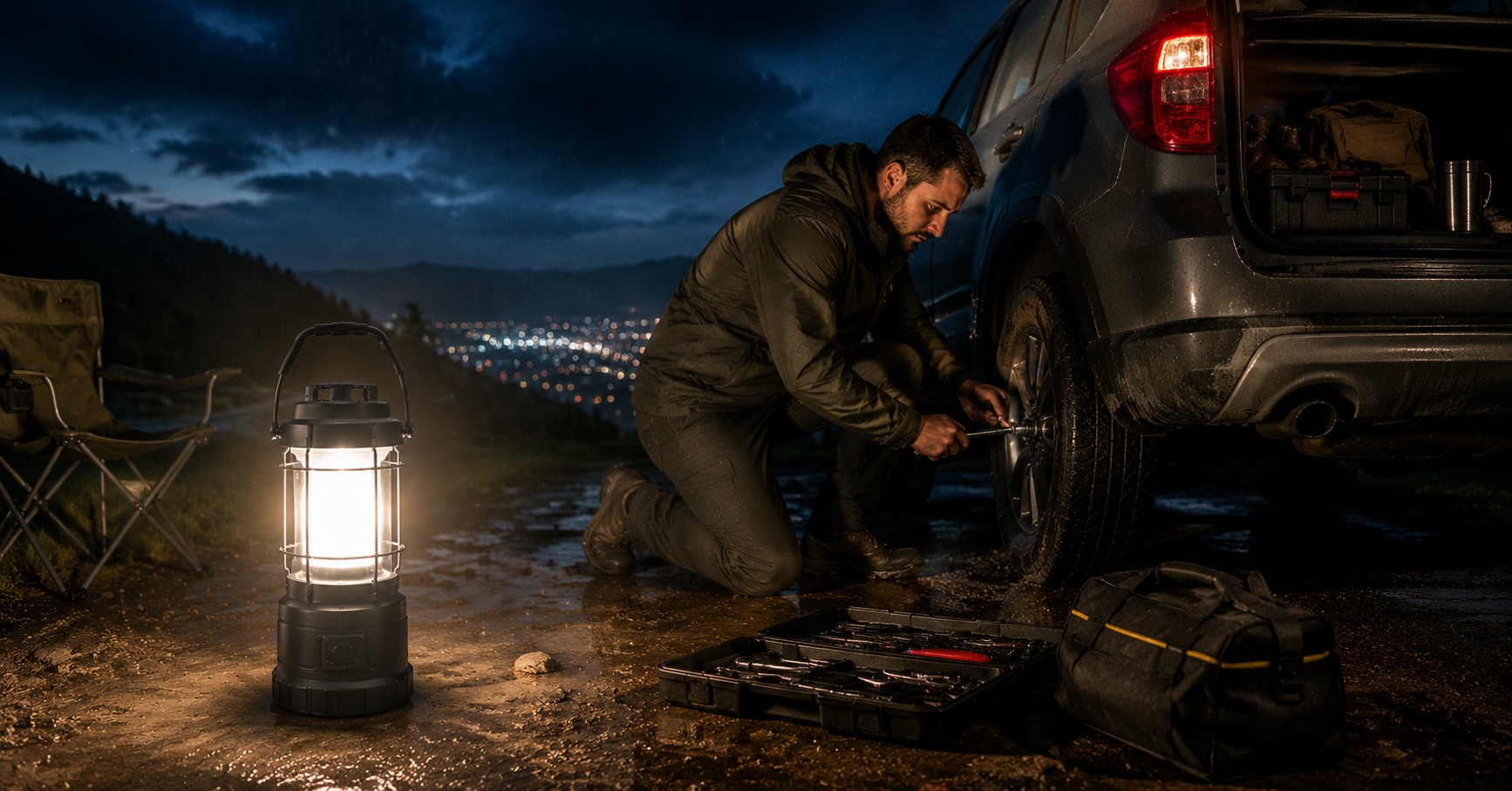
The plastic housing and protective cage suggest a consumer product intended for portability and routine use, not industrial abuse. That is a reasonable fit for camping, home backup, dorm use, or roadside kits. Still, buyers should remain realistic: a lantern like this is typically expected to handle normal transport, light knocks, and everyday storage, not rough treatment unless the supplier has clearly verified stronger performance.
Since exact material grades and protection claims are not available here, it is best to avoid overpromising in catalogs or product pages. If your market expects rugged outdoor behavior, you should ask for more detailed confirmation during sampling. In practical sourcing, the shell should support convenience first and toughness second, unless your target customer specifically needs more.
Where this lantern fits best in the market
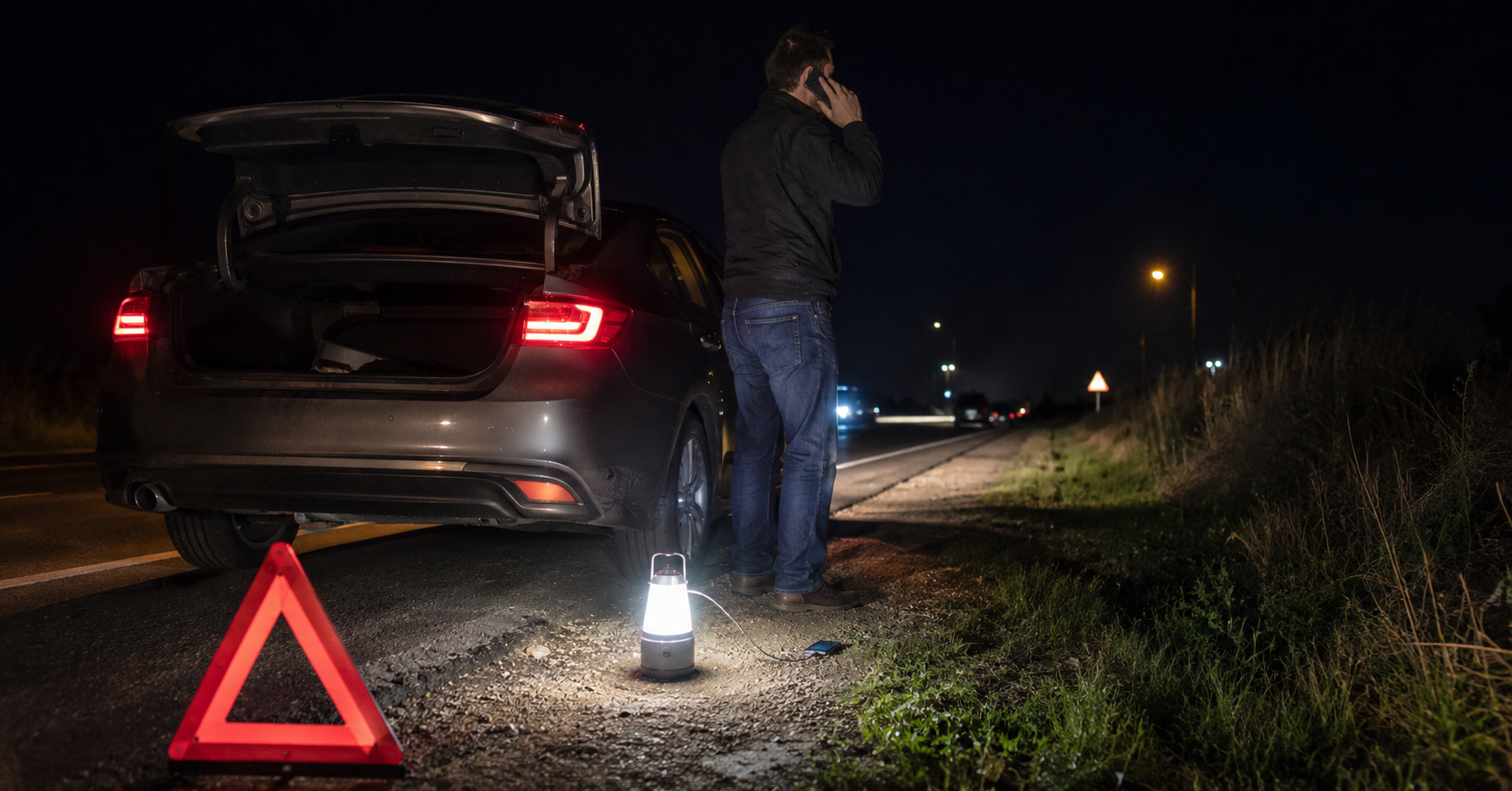
This product format works in several channels. Camping and outdoor retail are obvious fits, but the lantern is equally relevant for home emergency kits, dorm rooms, small-business backup supplies, and roadside packs. The dual-purpose design also makes it attractive for bundled offers because it is easy to understand and easy to explain.
It can perform well in seasonal and gift-oriented programs too, since the use case is immediately clear. People quickly understand why a light that can also charge a phone is useful. If you are building a range, this category can help you cover both utility and convenience without adding unnecessary complexity. For broader assortment planning, you can review related products or send an inquiry.
Common sourcing mistakes to avoid
One common mistake is treating the charging function as secondary. If customers buy the product because it can support a phone, then the charging experience must be dependable. A weak or awkward port can turn a selling point into a complaint. Another mistake is overcomplicating the controls. In a blackout, people want straightforward operation, not a learning curve.
Buyers also overlook storage behavior. Emergency products spend most of their time unused, so readiness matters. Status indication should be easy to understand, and the battery should be simple to check before it is needed. The best products in this category are usually the ones that stay simple and practical rather than overloaded with features.
FAQ
Is a camping lantern with power bank only useful for camping?
No. Camping is a natural fit, but the same product can also support home outages, bedside lighting, dorm rooms, roadside kits, and temporary work areas. Buyers often choose it because the lighting and charging functions solve everyday problems in more than one setting.
Should buyers focus more on brightness or charging function?
That depends on the intended use. If the lantern is mainly for camping or room lighting, illumination quality may come first. If it is for emergency readiness, the charging function becomes more important. The right choice starts with the use case, not the product headline.
Does a larger battery automatically mean a better product?
Not automatically. Battery size can matter, but it must be balanced with portability, handling, and charging practicality. A product that is too bulky may be harder to carry or store where it is needed, which reduces its usefulness in real situations.
What should buyers test first in a sample?
Start with real-world use. Check how the lantern feels to carry, how easy the switch is to use, how accessible the charging port is with a cable connected, and whether the light is comfortable in the intended setting. Those details reveal whether the product is genuinely practical.