

Camping Lantern Manufacturer Guide for Outdoor Lighting Buyers
Choosing a camping lantern manufacturer is not only a product decision. For B2B buyers, it affects quality control, packaging, repeat orders, and the user experience after the lamp reaches a campsite. A compact outdoor lamp may look simple in a photo, but its real value depends on how well it performs near tents, paths, and shared outdoor spaces. This guide helps sourcing teams compare suppliers with practical criteria, ask better questions, and avoid claims that are not supported by confirmed product information.
Why the Manufacturer Matters in Outdoor Lighting Sourcing
A camping lantern manufacturer can influence far more than the appearance of a product. Outdoor portable lamps are used in darker, rougher, and less predictable environments than indoor lighting. They may be placed near a tent, moved around a campsite, or used along uneven ground. In those situations, weak assembly, poor balance, or inconsistent illumination becomes noticeable quickly.
For buyers, the goal is not simply to locate the lowest quoted item. It is to find a camping light manufacturer that understands real outdoor use and can repeat the same product quality across orders. A dependable partner helps reduce the risk of unstable housings, uneven light spread, unclear packaging, and avoidable after-sales complaints. If you are reviewing related outdoor lighting categories, you can start with the Brightenlux products page.
What a Camping Lantern Is Expected to Do
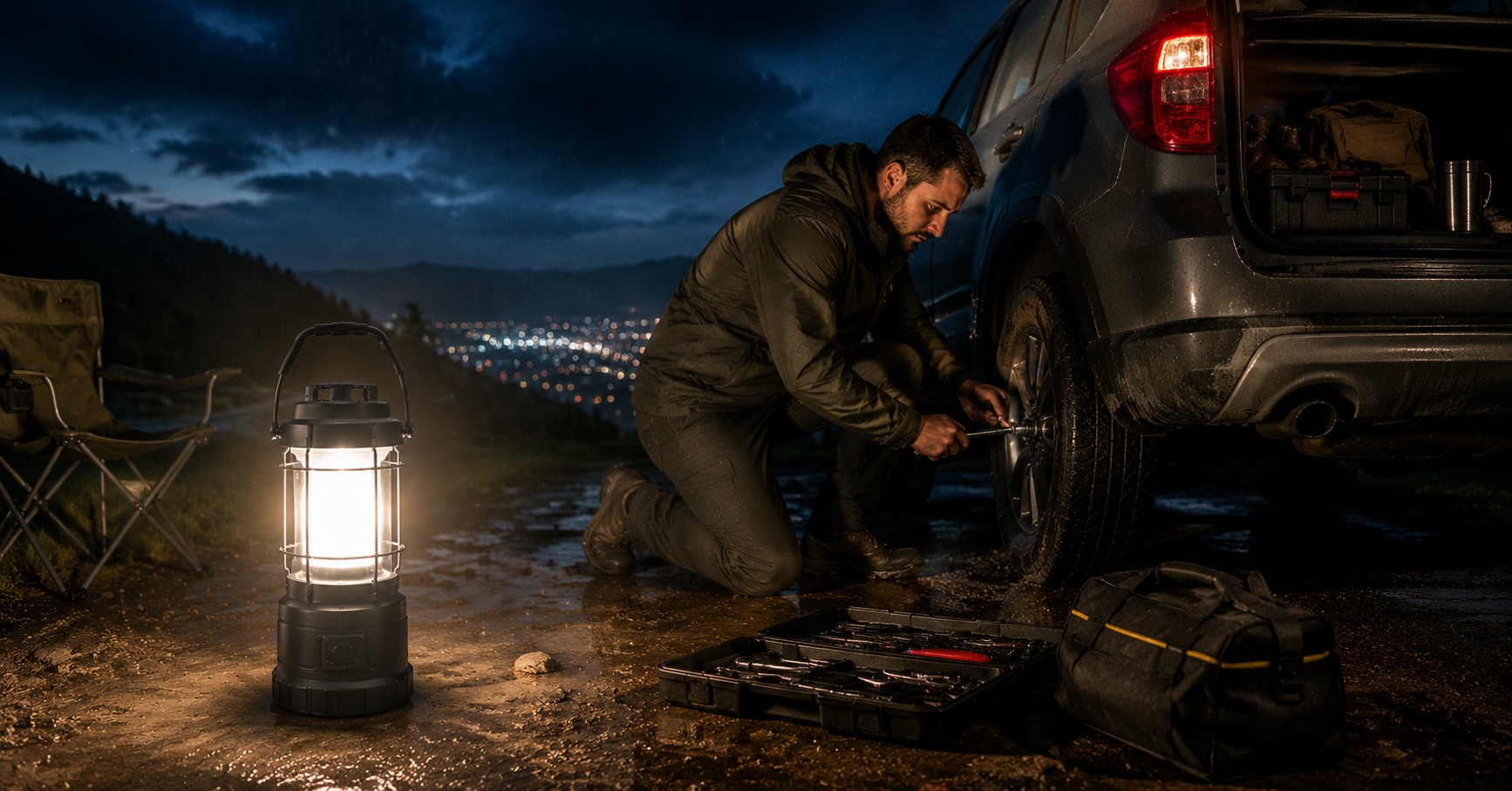
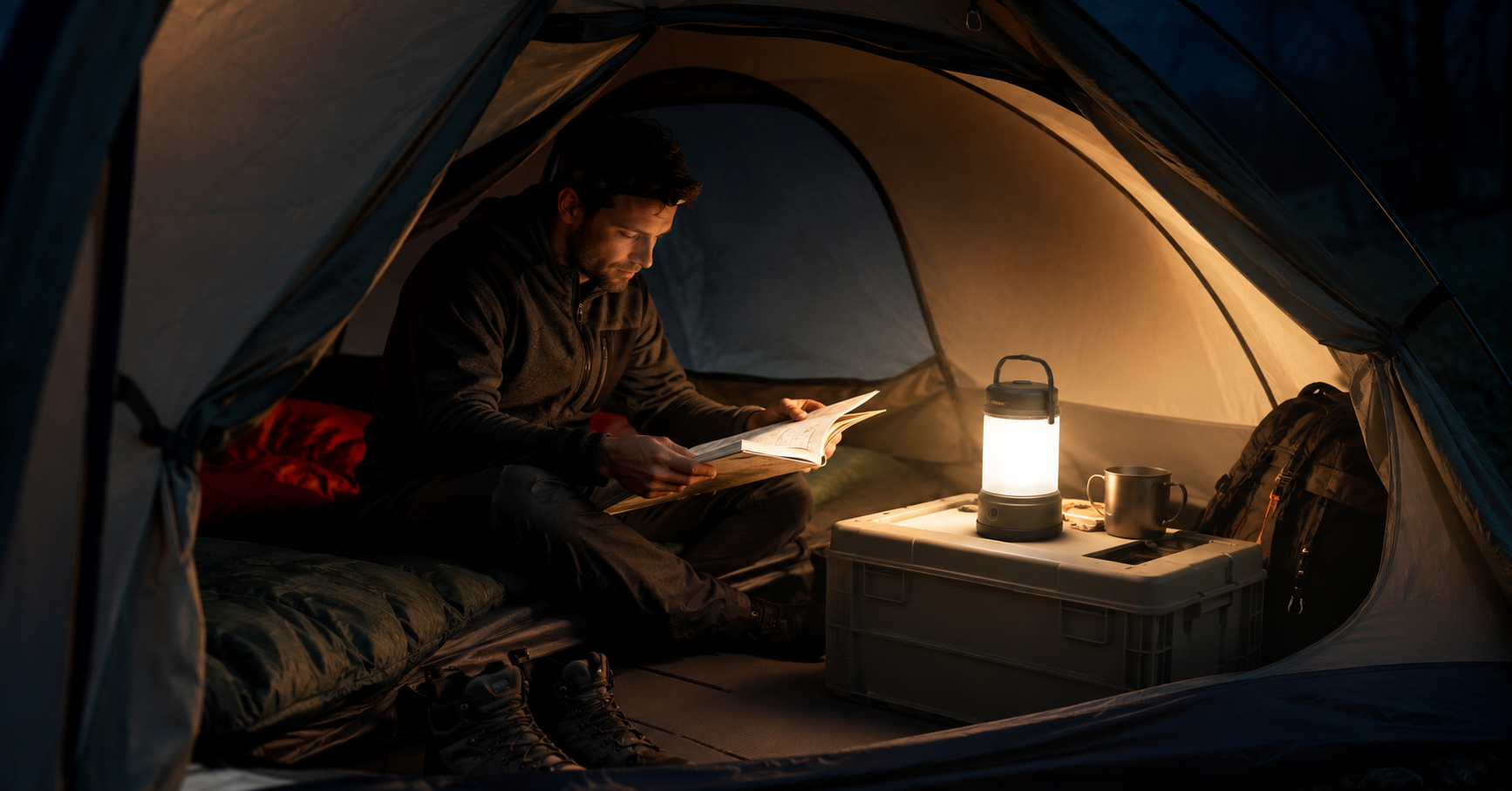
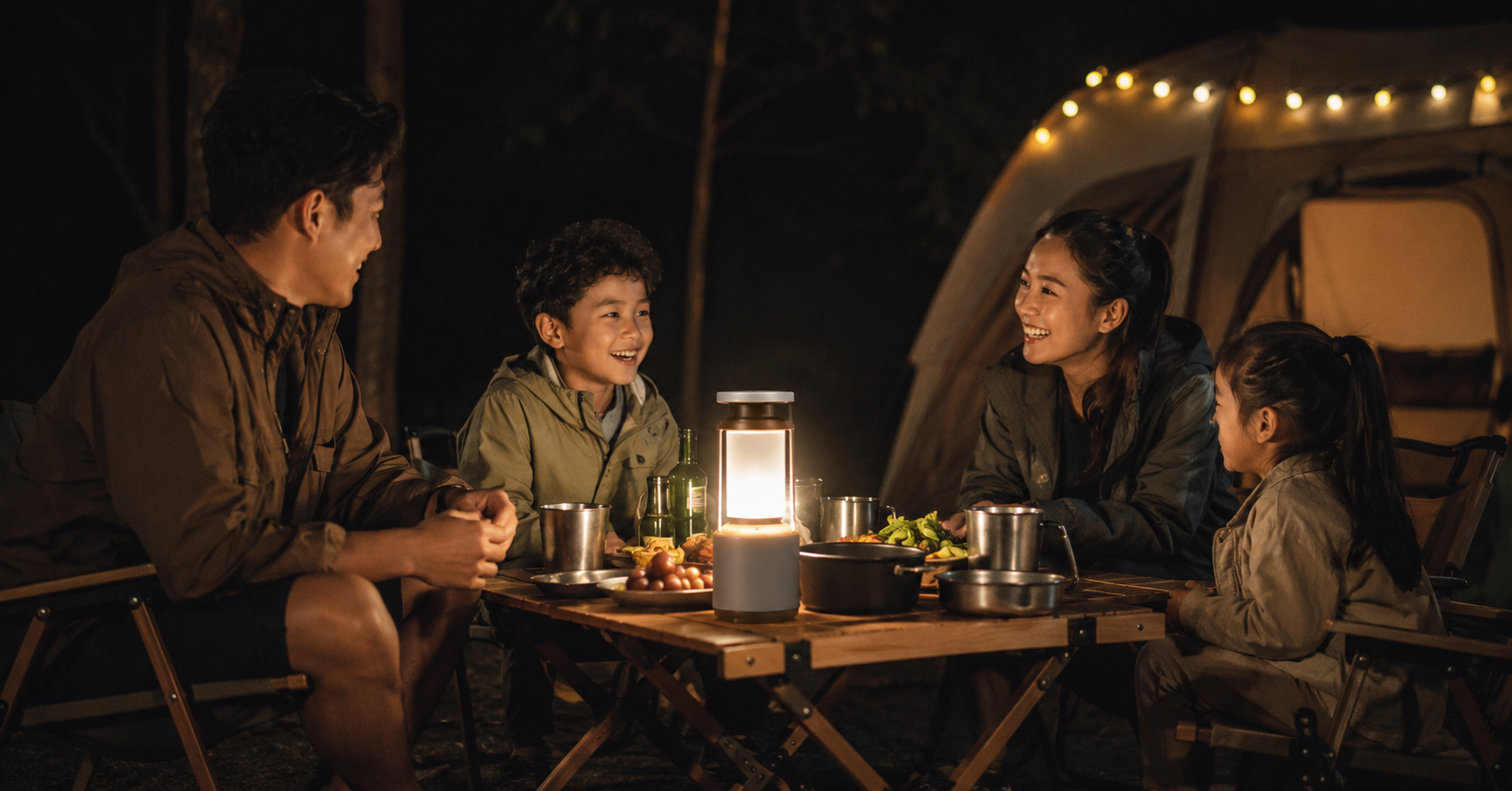
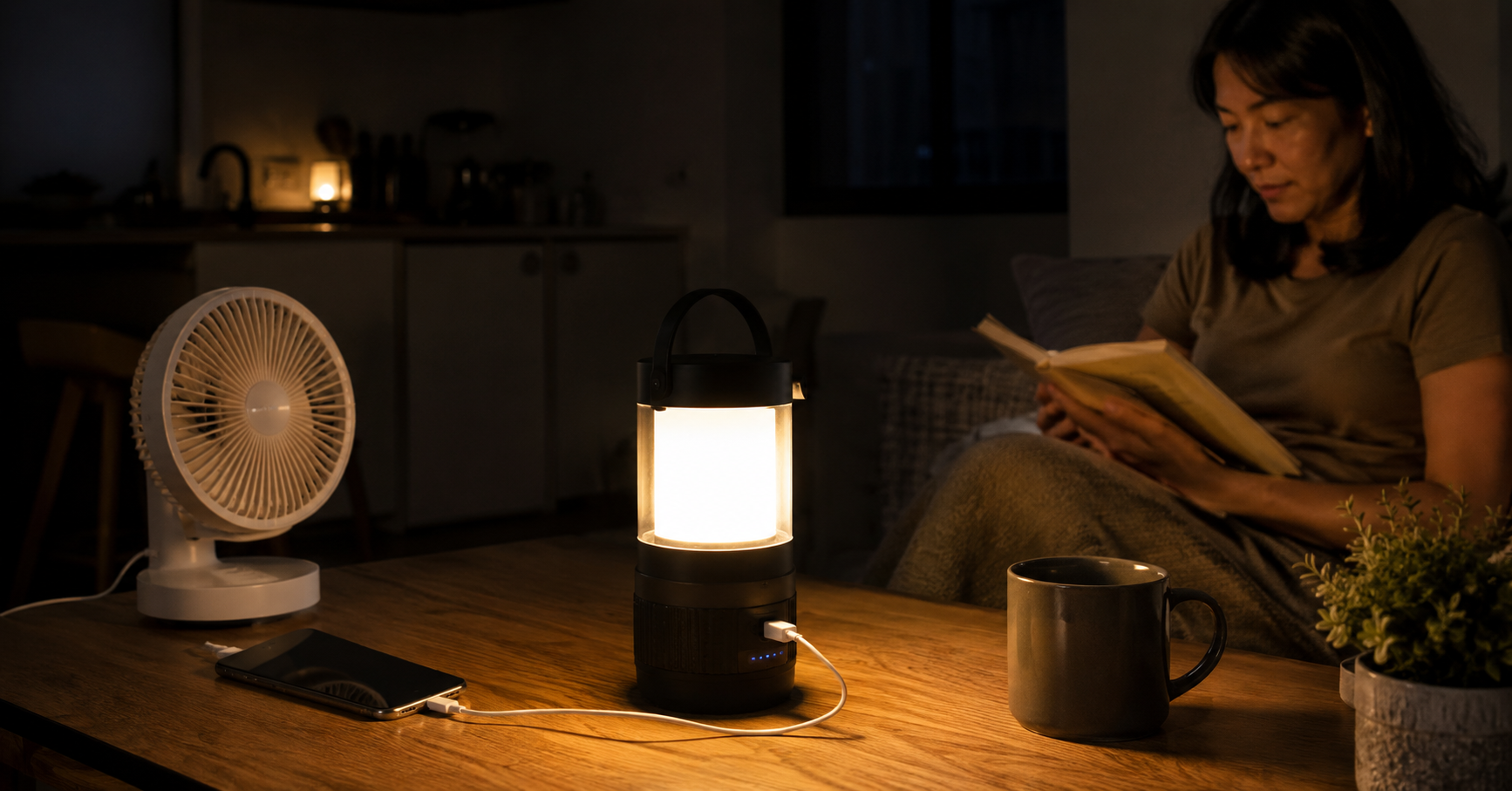
The product category discussed here is a camping light or outdoor portable lamp shown in use scenarios rather than as a standalone technical item. That distinction is important. Buyers usually evaluate the lamp by asking where it will be placed and what problem it solves. In this case, the visible purpose is localized illumination, not broad-area flood lighting.
For campsite use, the lamp should help people move around after dark, improve visibility near the ground, and create a small usable pool of light for shared outdoor space. It may be positioned near tents, trails, or temporary gathering areas. The available information suggests a compact form suitable for close-range lighting, but it does not confirm the power source, runtime, material, rating, dimensions, or mounting method. Those details should be requested directly from the supplier before any sourcing decision.
Key Comparison Points for B2B Buyers
When comparing suppliers, buyers should begin with performance-related details before negotiating commercial terms. A low quote may be attractive, but it does not answer whether the lamp is stable on uneven ground, whether the light is useful without glare, or whether the same build quality can be repeated in production.
| Comparison Point | Why It Matters |
|---|---|
| Light distribution | Helps confirm whether the lamp supports nearby visibility without creating uncomfortable glare. |
| Stability and placement | Important for lamps used near tents, paths, rocks, roots, or other uneven surfaces. |
| Outdoor durability questions | Buyers should ask how the product handles moisture, dirt, and general rough use without assuming ratings. |
| Manufacturing consistency | Repeat orders require consistent fit, finish, assembly, and illumination behavior. |
This compact framework keeps the discussion focused on practical buyer concerns instead of unsupported claims.
How to Evaluate a Camping Lantern Factory
A camping lantern factory is more than an assembly location. Its process control affects whether the final lamp is dependable or only visually acceptable. This matters especially for outdoor products used in mountain, forest, trail, or wilderness-style settings, where users can quickly notice if a lamp feels weak, unbalanced, or poorly assembled.
Sourcing teams should ask simple but specific questions. What checks are performed before assembly? How is the housing inspected for fit and alignment? What packaging is used to reduce shipping damage? How are design revisions or production changes tracked? Clear answers show whether the supplier understands manufacturing discipline. Vague responses may not prove the product is unsuitable, but they do increase verification work for the buyer. For model-specific questions, use the Brightenlux inquiry page.
Product Details Buyers Should Confirm Before an Order
Limited visual information can still guide a useful sourcing conversation. The lamp appears compact and intended for localized outdoor illumination. It may be suitable for placement near a tent or along a trail, and several units could possibly be used together in a campsite setting. However, buyers should avoid assuming features that are not confirmed.
Do not assume the lamp is solar, rechargeable, battery-powered, waterproof, dustproof, or made from a specific material unless the supplier provides reliable product details. Instead, request product structure information, intended use cases, available customization, and packaging format. If the lamp will be sold through retail or e-commerce channels, packaging clarity is also important. Customers should understand how the product is used without relying on exaggerated technical language. A good supplier will help separate confirmed specifications from assumptions.
Common Sourcing Mistakes with Outdoor Portable Lamps
One common mistake is treating every camping light as interchangeable. A lamp suitable for a backyard gathering may not be ideal for trail visibility. A product that looks clean in a rendering may still be difficult to place on real ground. For outdoor buyers, context matters as much as shape.
Another mistake is judging the product only by photos. A compact lamp can still have poor balance. A bright-looking emitter can still create harsh shadows or uneven nearby visibility. A neat body can still hide weak assembly. Buyers also sometimes underestimate packaging and transport conditions. Outdoor lighting products often pass through long supply chains before reaching end users. If packaging does not protect the lamp or communicate its use clearly, the product may create problems before it is ever used outdoors.
Questions to Ask Before Selecting a Supplier
Before selecting a camping light manufacturer, ask questions that reveal whether the supplier understands production and end use. Start with the intended scenario: tent-side lighting, path lighting, campsite accent use, or another temporary outdoor need. Then ask which parts of the design can be customized and which should not be changed without review.
Buyers should also ask whether the product is planned for bulk display, retail packaging, e-commerce fulfillment, or a combination. If stability, light distribution, or appearance will influence customer satisfaction, request samples or production photos before placing a larger order. Finally, ask how the supplier handles inconsistent output, assembly defects, or packaging issues. These questions are not bureaucracy. They help identify whether the supplier has practical product knowledge or only a surface-level sales pitch.
Reducing Launch Risk with the Right Manufacturing Partner
Camping and outdoor lighting products face different pressure than indoor items. They are used in dark, uneven, and sometimes messy environments. People may be tired, carrying gear, or moving around a campsite with limited visibility. In that situation, small flaws become noticeable: unstable placement, weak assembly, uncomfortable light spread, or unclear usage instructions.
The right manufacturing partner reduces those risks before the product reaches the market. A capable supplier discusses real use conditions, confirms product structure, supports repeatable production, and communicates clearly about packaging. For sourcing teams, this can mean fewer artwork revisions, fewer product misunderstandings, and fewer complaints after launch. If you need to discuss an outdoor lighting project directly, contact Brightenlux through contact us.
The best sourcing conversations are usually practical. Define the job the lamp must perform, request only confirmed details, and evaluate whether the factory can deliver consistent results. A camping lantern does not need exaggerated claims. It needs to fit its intended outdoor use and support your brand with reliable production.
FAQ
Is this type of lamp only for camping?
Not necessarily. The visible application includes tents, campsite ground areas, trails, and general outdoor wayfinding. It may also suit other temporary outdoor lighting needs where localized illumination is useful. Buyers should confirm the exact intended use with the supplier before assigning it to a specific sales category.
Can buyers assume the lamp is solar, rechargeable, or battery-powered?
No. The available source information does not confirm the power source. Buyers should not assume solar charging, rechargeable operation, replaceable batteries, runtime, or charging method. These details should be requested from the manufacturer and verified through product documentation or sample evaluation before purchasing.
What product information should be requested first?
Start with product structure, intended placement, light-use scenario, available customization, packaging format, and production consistency controls. If the product will be sold through retail or online channels, also ask how the packaging protects the lamp and helps the customer understand its outdoor use.
How can a buyer reduce risk before placing an order?
Buyers can reduce risk by asking precise use-case questions, requesting samples or production photos, confirming packaging expectations, and separating confirmed specifications from assumptions. It is also useful to ask how quality issues are handled if a batch shows inconsistent illumination, assembly problems, or transit damage.