

Brightenlux Camping Lantern Manufacturer Guide for Outdoor Buyers
Choosing a camping lantern manufacturer affects much more than the carton label. It shapes reliability, handling, diffuser quality, body finish, and whether the product works in the outdoor scenes buyers actually expect. For retail, private label, or OEM programs, the key question is not simply who can make a lantern, but who can make a family of lanterns that fits tent use, table use, handheld carry, and emergency backup without unwelcome surprises later.
Why choosing the right camping lantern manufacturer matters
Two lanterns may look nearly identical in a catalog and still feel very different in use. One may sit securely on a table, while another rocks on uneven ground. One may have a hanging loop that feels integrated, while another seems added as an afterthought. Those differences matter because camping lights are judged by practical performance, not only by appearance. Buyers who source carefully reduce the chance of product complaints, returns, and mismatched expectations after launch.
The supplier you choose also shapes how consistent the line will be across a program. If the body finish, diffuser quality, and handle design vary too much from sample to sample, the product can lose credibility fast. That is why buyers should study structure, not just artwork. A good lantern supplier should be able to explain how the product is built, how it is assembled, and how it supports the use cases your channel expects.
What buyers usually need from a camping lantern line
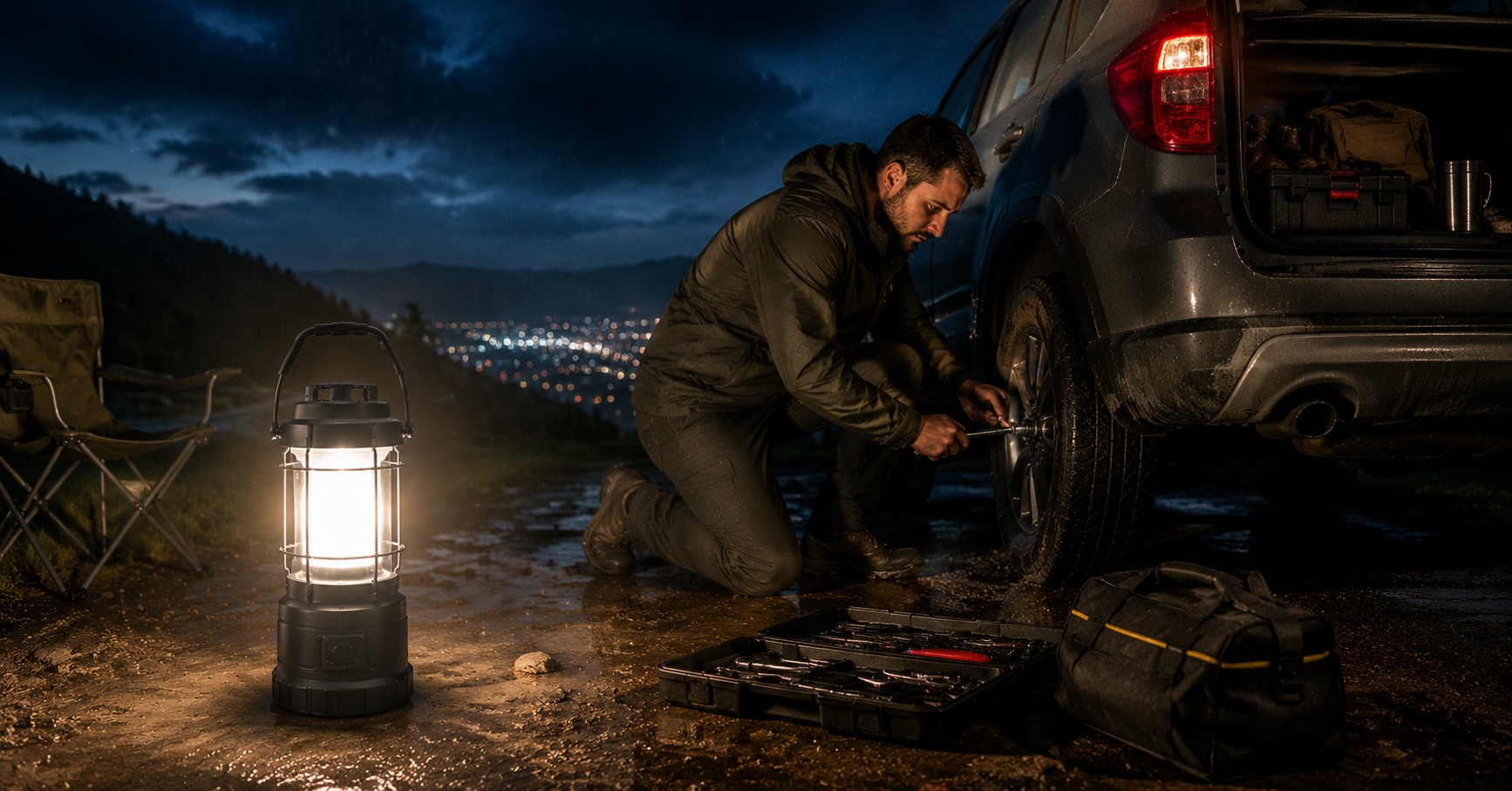
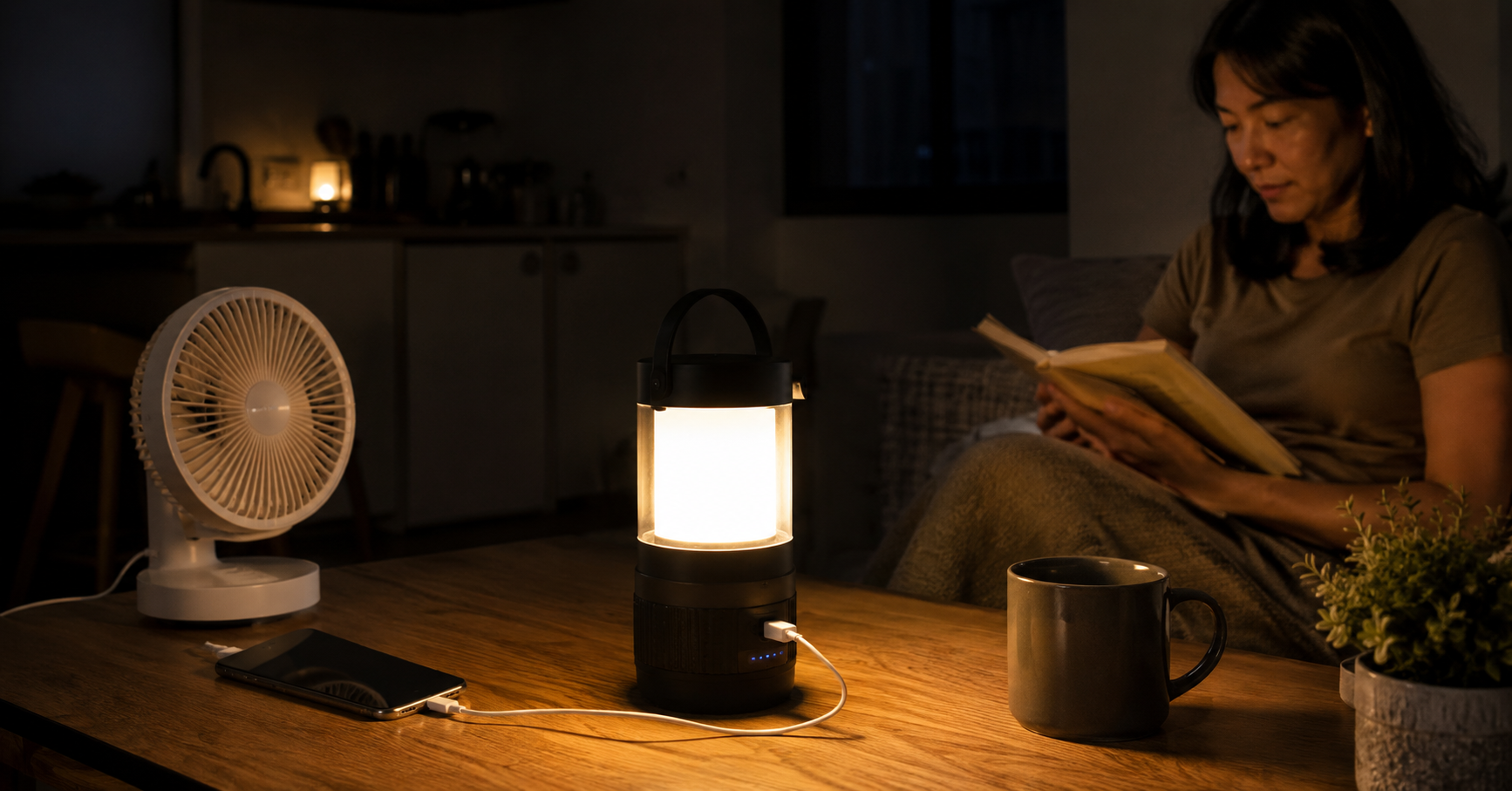
Outdoor lighting sits in a practical middle ground. It has to be compact enough to pack, simple enough for quick use, and useful enough to cover common campsite moments without much effort. The source material points to roles such as hanging from a hook, sitting on a table, or being carried from one place to another. That versatility is not just a selling point; it is often the reason the product earns repeat attention from buyers.
For sourcing teams, that means the lantern should be reviewed as a system. Ask whether the body sits flat, whether the handle is comfortable to carry, and whether the lantern can hang inside a tent without wobbling. Also consider whether the diffuser spreads light in a way that feels practical for reading or general campsite tasks. A lantern that only looks useful is not enough; it needs to work in real situations. For a broader view of product styles, you can review the current products.
Quick reference: what to compare across suppliers
The fastest way to separate a serious supplier from a generic seller is to compare what each one can explain clearly. A strong camping lantern manufacturer should be able to discuss structure, material choices, assembly consistency, packaging protection, and customization support in plain language. If the explanation is vague, that is usually a sign to slow down before approving a program order.
| Area | What to check | Why it matters |
|---|---|---|
| Housing and diffuser | Material, finish, and visual consistency | Influences durability and product feel |
| Handle or hanging loop | Integration and repeated-use comfort | Supports tent, table, and carry use |
| Base stability | Whether the lantern sits evenly | Reduces rocking on tables or uneven ground |
| Customization support | Artwork, family coordination, packaging | Helps keep the line coherent |
Do not rely on rendering alone. A matte finish does not prove impact resistance, and a metal-look frame is not necessarily metal. If the specification sheet is unclear, ask for clarification before moving forward. The right supplier will explain the difference between visual presentation and actual build details without hesitation.
Common product structures in camping lanterns
The product information suggests compact lantern-style forms with rounded or cylindrical bodies, translucent diffusers, and carry or hanging features. That layout is common because it balances portability with a broad spread of light. In many programs, the housing is molded plastic and the support parts may use coated or metal-like elements, but exact materials cannot be confirmed from the source alone. Buyers should treat visual cues as a starting point, not proof.
What matters most is how the visible parts work together. A good diffuser with a weak stand still creates frustration. A stylish hanging model that catches on tent fabric can become a return issue. Even a compact lantern can feel awkward if the weight distribution is poor. The best suppliers understand that each visible feature has to support a real use case, not just an attractive image.
Hanging, tabletop, and handheld use are not interchangeable
Many programs try to make one lantern do everything. That can work, but only when the design is intentional. Hanging use depends on balance and a secure loop. Tabletop use depends on the base shape and weight distribution. Handheld use depends on grip comfort and whether the body still feels manageable once the internal parts are added. The trade-offs should be discussed openly.
How the buying decision should be framed
The real decision is not which lantern looks nicest in a lifestyle rendering. It is which supplier can deliver a product that matches your sales channel. Mass retail often needs a balance of cost, shelf presence, and easy merchandising. Promotional buyers may care more about branding space and straightforward customization. Outdoor specialty channels usually ask harder questions about durability, light quality, and whether the item feels credible alongside other camping gear.
When possible, compare the product against the channel it will actually serve. If you are reviewing a line for multiple scenes, the same lantern should make sense in a tent, on a picnic table, and in a carry-around emergency role. That is also the point where internal catalog structure matters. If you want to compare related options before contacting a team member, start with the product range, then move to a direct discussion through the contact page.
Selection criteria that actually matter
Product teams sometimes focus on one number and ignore the rest. Brightness matters, but so do runtime, power source, charging convenience, weight, and how easy the lantern is to place where it is needed. The source does not provide lumen output, battery capacity, runtime, waterproof rating, charging method, or test results, so those details should be requested from the supplier before any final decision. It is better to ask than to assume.
Beyond the technical sheet, pay attention to production control. Can the supplier maintain a consistent finish across a family of products? Can they keep color matching stable across housings and diffusers? Can packaging protect translucent parts from scratches? These are the quiet details that make a retail program look finished rather than rushed. If answers stay vague, send an inquiry and request a clearer product breakdown.
Common mistakes when sourcing lanterns and what to ask before ordering
One common mistake is treating all outdoor lanterns as interchangeable commodity goods. They are not. A lantern intended for campsite ambience can differ from one meant as emergency backup lighting. Another mistake is approving a design from a render without checking how it sits, hangs, and packs. A product can appear compact online and still take up more bag space than expected.
Another problem is ignoring the user context. Campers often use the light at night, in limited space, and sometimes with wet or dirty hands. Controls should be easy to find, the body should not feel slippery, and table use should not crowd the space needed for food, maps, or cookware. Before ordering, ask for the technical specification, material breakdown, assembly details, packaging structure, and which parts can be customized without changing the whole platform.
FAQ
What makes a camping lantern manufacturer worth choosing?
A worthwhile supplier can explain product structure, support repeatable assembly, and match the lantern to real use cases such as tent lighting, table lighting, and handheld carry. Clear answers about materials, balance, and packaging matter more than polished imagery alone.
What should buyers compare first?
Start with housing, diffuser, handle or hanging loop, and base stability. Those are the parts users notice immediately in daily use. After that, compare customization support, packaging protection, and how well the supplier can keep a product family visually consistent.
Why are samples so important?
Samples reveal practical issues that images hide. You can check whether the lantern rocks on a table, whether the loop feels secure, and whether the body is comfortable to carry. Handling samples in real conditions is often the fastest way to spot weak design choices.
What should buyers ask if specifications are incomplete?
Ask for the missing technical details before approving an order. The source does not provide lumen output, runtime, battery capacity, waterproof rating, charging method, or test results, so those points should be confirmed directly. That helps prevent assumptions that can affect program success.