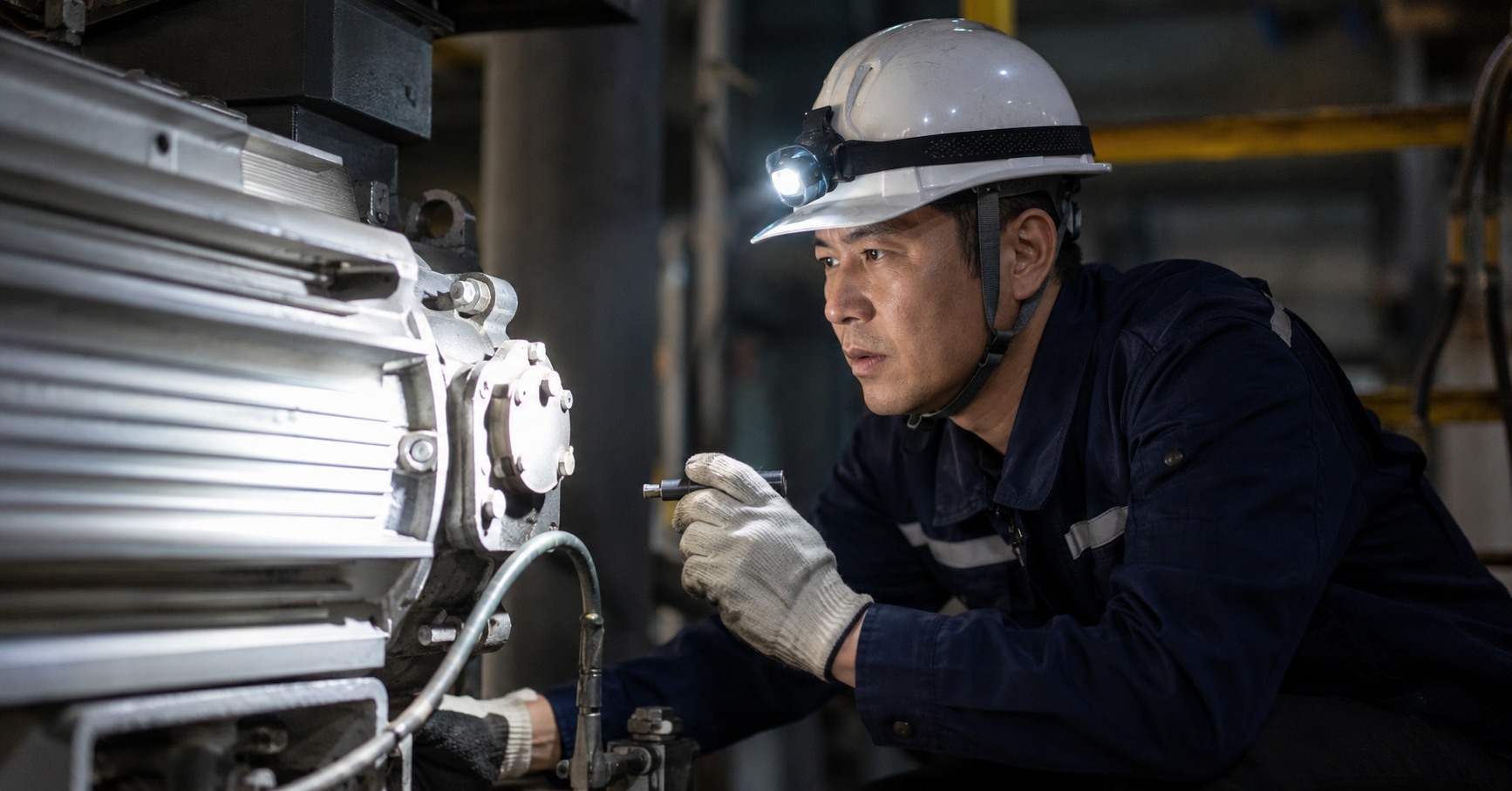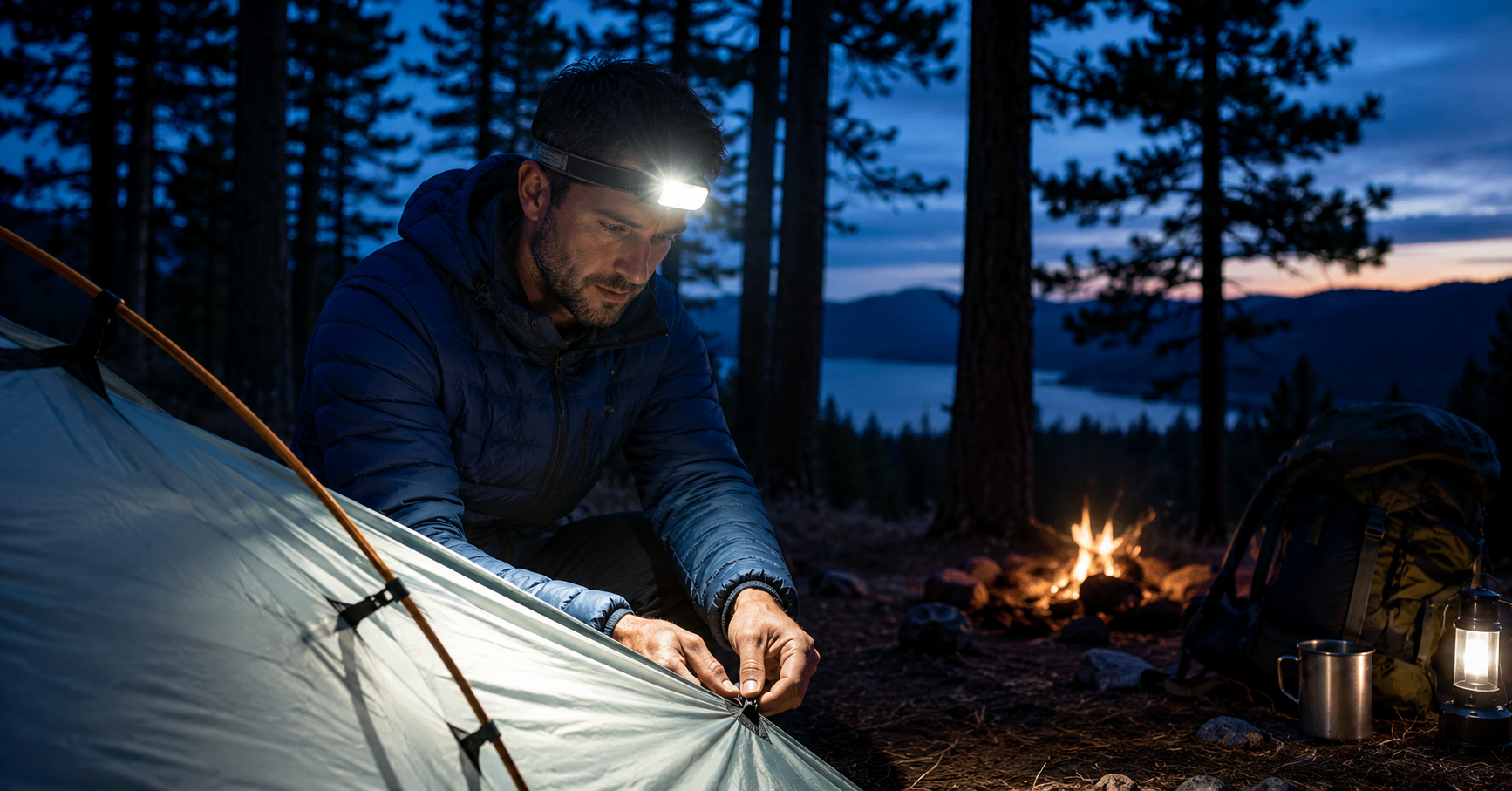


LED Headlamp Supplier Guide for Rescue and Technical Work
Choosing an LED headlamp supplier for rescue, rope access, inspection, caving, alpine work, or wet technical environments is not the same as buying a general outdoor light. Buyers need hands-free visibility, reliable helmet mounting, glove-friendly operation, and lighting that works with the rest of the protective equipment. The better question is not only whether a supplier can provide a lamp, but whether the supplier can support a practical field lighting solution for demanding work.
What an LED Headlamp Supplier Should Solve
For B2B buyers, a headlamp is part of a safety and productivity system. Workers in low light need to keep both hands free while moving, climbing, inspecting, or handling equipment. In rope access, rescue, caving, alpine, and wet-environment tasks, a small lighting problem can quickly become a worksite problem. The lamp must support visibility without interfering with helmets, gloves, jackets, harnesses, packs, or other protective equipment.
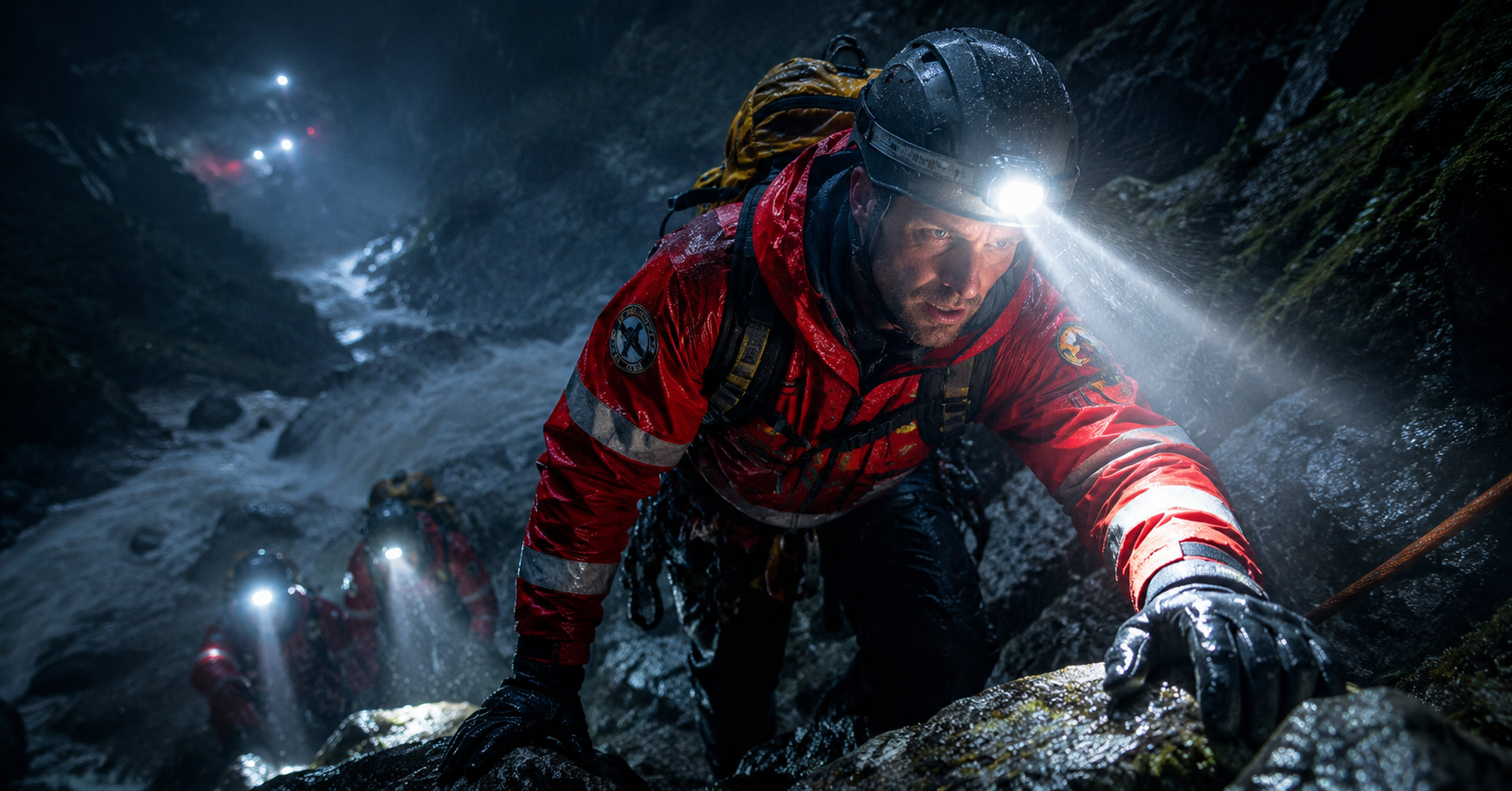
The image behind this topic suggests serious field use: a helmet-mounted LED headlamp, a bright waterproof outer shell, reflective trim, gloves, and a load-bearing pack or harness setup. That context matters. Buyers should look for a supplier who understands technical use, not one who only presents a generic flashlight catalog.
Compare the Critical Fit Factors First
Before reviewing long specification sheets, sourcing teams should filter suppliers by the factors that affect daily use. A lamp can look suitable online but become awkward once it is mounted on a helmet, worn with gloves, or used in rain. The fastest way to avoid mismatched samples is to compare the working environment before comparing headline features.
| Factor | Why it matters |
|---|---|
| Helmet mounting | The lamp should sit securely without bouncing, slipping, or blocking accessories. |
| Wet conditions | Buyers should ask how sealing, controls, and compartments are handled. |
| Glove operation | Buttons and battery access must be usable with protective gloves. |
| Beam type | Flood light supports close work; a tighter beam supports route finding or inspection. |
| Weight and balance | Poor balance can cause fatigue and reduce user compliance over long wear. |
Why PPE Integration Matters
A useful way to evaluate an LED headlamp manufacturer is to look beyond the lamp and examine the complete equipment setup. In technical rescue or inspection work, the helmet, outerwear, gloves, harness, pack, and lighting all need to function together. A headlamp should not fight the rest of the protective system.
The red outer shell and reflective bands shown in the source image are not decorative details. They help the worker remain visible to others in poor light. A headlamp should support that visibility without creating glare, harsh hotspots, or shadows that make handwork harder. It also needs to stay clear of hoods, chin straps, visors, and any communication accessories. Suppliers who understand these interactions can usually give more practical recommendations than sellers focused only on carton-level supply.
Product Considerations for Technical Field Work
Brightness is often the first topic buyers raise, but beam control is just as important. Too much concentrated light can reflect off wet fabric, rope hardware, or reflective trim. For close inspection, team rescue, or confined work, a controlled beam may be more useful than a light that only appears powerful in a product description.
Power format should also match the mission profile. Short inspections and extended field operations create different needs, especially if batteries must be changed while wearing gloves. Weather handling deserves the same attention. If a supplier uses broad outdoor language, ask what that means for housings, controls, and battery compartments in wet conditions. For category review, buyers can explore Brightenlux lighting options at Brightenlux products and use the same practical criteria during sample evaluation.
What a Capable Supplier Should Explain
A strong LED headlamp supplier should be able to describe the product in job-based language. Instead of only repeating feature points, the supplier should explain how the lamp mounts, how it behaves around moisture, what tasks the beam is intended to support, and how users operate it with protective gloves. These answers help sourcing teams judge whether the product fits the actual work pattern.
It is also worth asking whether replaceable parts or replacement components are available in a way that supports fleet management. Consistency matters when headlamps are part of a safety program or team equipment package. If the supplier can discuss helmet fit, wet-weather handling, glove usability, and repeated ordering clearly, the sourcing process becomes more efficient. When buyers need clarification, they can contact Brightenlux through the contact page.
Common Buyer Mistakes to Avoid
One common mistake is treating maximum output as the main buying decision. A very bright lamp is not automatically the right lamp for rescue, rope access, inspection, or caving. Beam shape, mounting stability, control layout, and field comfort may matter more during real use. Another mistake is assuming every supplier means the same thing by outdoor or waterproof language. Buyers should ask for clear explanations instead of relying on broad claims.
Procurement teams should also avoid buying for a dramatic brochure scenario if the actual use case is different. A maintenance crew working short inspections may not need the same operating profile as a rescue team in cold rain or cave humidity. At the same time, a lightweight novelty product is a poor match for demanding technical work. The right decision comes from matching the lamp to real tasks, not chasing the most extreme description.
Questions to Ask Before Ordering
Once the shortlist is clear, sourcing teams should use direct questions to separate practical suppliers from generic sellers. Ask how the lamp mounts on the intended helmet and whether the fit changes by helmet style. Confirm whether controls and battery access can be handled with protective gloves. Ask what happens in wet conditions and which parts of the product design support that behavior.
Buyers should also ask whether the model is intended for technical rescue, industrial access, outdoor recreation, or a broader mix of uses. If the lamp will be used across multiple crews, discuss whether one model can realistically serve every group. A cave rescue team and a wet industrial maintenance crew may need different priorities. To start a sourcing discussion or request product guidance, buyers can use the Brightenlux inquiry page.
Sample Testing and Supplier Shortlisting
The most useful next step is testing a working sample on the actual helmet and PPE combination the team uses. This is where hidden issues appear: strap movement, awkward controls, reflections from wet outerwear, interference with hoods or visors, and poor balance during long wear. A lamp that seems acceptable in the hand may feel unstable after hours on a helmet.
During sampling, evaluate the headlamp with gloves, reflective clothing, harnesses, packs, and any communication accessories normally used in the field. Ask the supplier to explain practical limits rather than relying on generic outdoor labels. For rescue and technical access teams, the goal is a dependable field system. The right supplier helps buyers choose lighting that workers can trust when visibility drops, weather changes, and attention must stay on the task.
FAQ for LED Headlamp Sourcing Teams
Is the headlamp the only product buyers should evaluate?
No. In rescue and technical work, the headlamp should be evaluated as part of a wider PPE setup. The helmet, waterproof outerwear, reflective trim, gloves, harness, pack, and communication accessories can all affect lamp placement, beam usefulness, comfort, and field reliability.
Should buyers focus on the helmet or the light first?
Buyers should consider both together. If the lamp does not mount securely on the intended helmet, performance claims become less meaningful. Fit, balance, and clearance around straps, hoods, visors, and accessories should be confirmed before a sourcing team commits to a model.
What type of supplier is best for rescue and technical lighting?
The best supplier understands PPE-related field use, not only general consumer lighting. Look for clear explanations about mounting, wet-condition behavior, glove operation, beam purpose, replacement components, and repeat order consistency. Practical use-case knowledge is often more valuable than a long feature list.
Can reflective clothing affect the lighting choice?
Yes. Bright outerwear and reflective bands can change how light behaves in the field. A poorly aimed or overly concentrated beam may create glare, hotspots, or distracting reflections. Buyers should evaluate beam type and mounting position while the user wears the actual visibility gear.