

LED Headlamp Supplier Guide for Camping and Fishing Buyers
If you are sourcing an LED headlamp supplier, you are not buying a novelty item. You are trying to solve a practical problem: give users compact, hands-free light that works after dark while both hands stay busy. That may mean fishing tackle setup at dusk, tent pitching, gear sorting, or quick repairs in a dark workspace. The product looks simple, but the sourcing decision is not. A good supplier should help you match the design to the use case and keep the product consistent from sample to shipment.
What buyers actually need from an LED headlamp supplier
For camping and fishing buyers, the first requirement is not just that the lamp turns on. It is whether the supplier understands how the product will be used in the field. A headlamp has to support close work, low-light movement, and short tasks that would otherwise require a flashlight or another person to hold the light. The supplier should be able to speak to those needs clearly. That matters because a product can look fine in a catalog and still feel awkward, uncomfortable, or impractical after one evening outdoors.
Reliable sourcing is about more than appearance. It is about fit, consistency, and a design that users will keep wearing. If a supplier cannot connect the product to real camping and fishing activity, the rest of the discussion becomes much harder.
Why the product looks simple but the purchase decision is not
A headlamp is a compact lighting product, but it sits at the intersection of electronics, molded parts, wearability, and comfort. The visible structure is straightforward: a front lamp module, a head strap, and a small housing that sits on the forehead. In the product example, the matte dark finish and focused white beam suggest a utility-first design. That is often exactly what outdoor users want when they are looking into a tackle box, tying knots, or checking equipment by hand.
Still, the visible shell tells only part of the story. The strap needs to stay secure without feeling abrasive. The housing needs to survive real use. The beam needs to be useful for close work without creating glare or awkward shadows. These details are not always visible in a single image, which is why supplier evaluation matters so much.
What to compare before you place an order
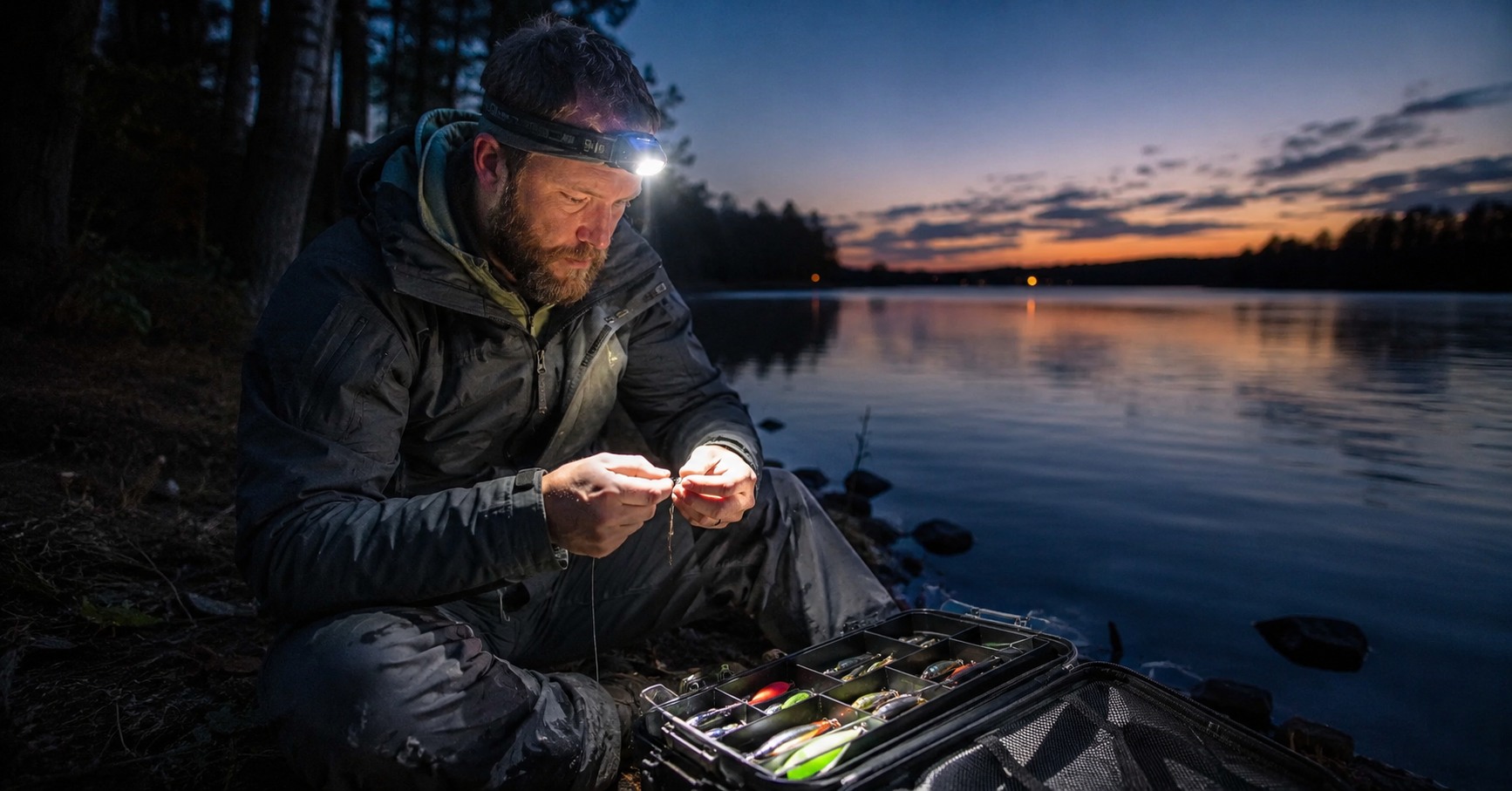
When comparing a camping headlamp supplier or any outdoor lighting partner, start with the use case, the visible design, and the confirmed product details. A fishing user may want a concentrated beam for knot-tying and bait prep. A camper may care more about tent tasks and moving around a site. Those are related needs, but they are not identical.
Also ask how the product is assembled and which features are verified. The example suggests a compact electronic device with molded plastic components and an LED/electrical subassembly. That is normal, but the sourcing question is whether the supplier can keep the assembly clean, consistent, and suitable for repeated wear. Do not assume details such as battery type, runtime, charging method, or water resistance if they are not provided.
| Buyer focus | What to confirm | Why it matters |
|---|---|---|
| Use case | Camping, fishing, or general utility | Shapes beam style and product positioning |
| Design | Compact housing, strap, finish | Affects comfort and market fit |
| Specifications | Only what is verified | Prevents assumptions during sourcing |
| Assembly | Clean, consistent build quality | Supports repeatable supply |
If you want to review current options before a request, you can start with the product range.
Common product structures and what they usually signal
Most LED headlamps for outdoor use follow a familiar structure: a front light module mounted to an adjustable strap, with a simple housing that supports the LED and the power system. The compact black style described here suggests a product aimed at utility rather than decoration. For camping and fishing buyers, that is often a good sign, because users usually value straightforward function over visual complexity.
The front emitter and downward beam are especially relevant for close-range tasks. A beam that is concentrated enough to illuminate a work area without lighting the whole campsite can make the product more practical in real life. In practice, the best headlamps are not always the brightest ones; they are the ones that help the user work without glare, strain, or awkward shadows. That is the kind of performance a supplier should understand.
How to evaluate a camping headlamp supplier
Start with the environment. If the product is meant for camping, hiking, fishing, or nighttime gear organization, the supplier should be able to describe those settings in plain language. Ask how the product performs for close-up work, walking around camp, and short tasks in low light. A supplier who only talks in general lighting terms may not fully understand the buyer’s application.
Next, check whether the design matches the market. The compact form described in the source can work well for outdoor buyers who want a hands-free light that does not feel bulky. If your market expects a more rugged or more premium visual style, that should be discussed early. If you need to compare options or ask about a specific project, use the contact page or send details through the inquiry form.
Why comfort matters as much as light output
Buyers often source headlamps as if the only important factor were brightness. In practice, comfort can decide whether the product gets used again. A strap that slips, a housing that presses on the forehead, or a beam that feels harsh after a short time can turn a decent product into shelf clutter. That is especially true in fishing and camping, where users may wear the lamp on and off over a long evening.
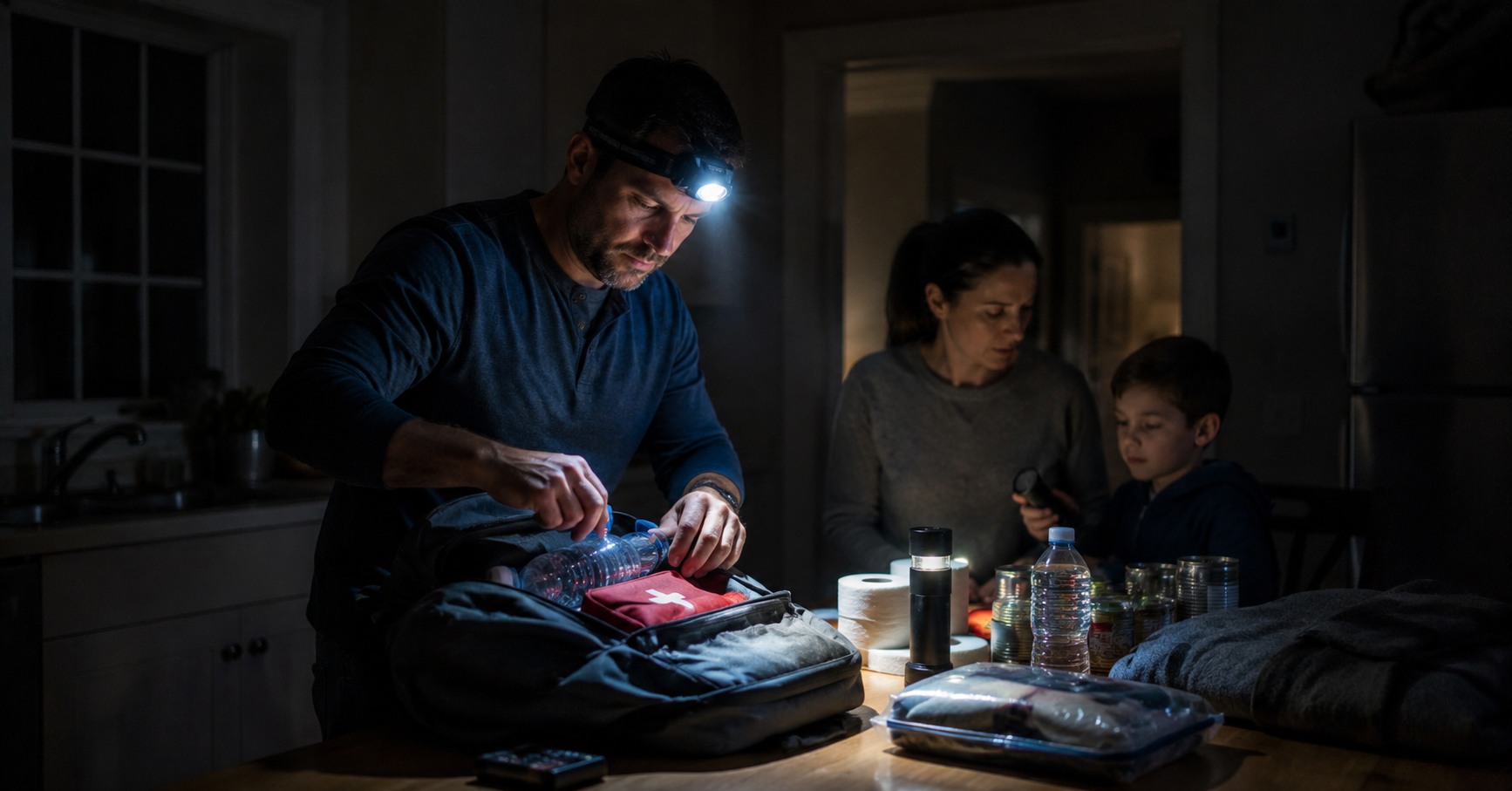
People want to tie a line, find gear, or fix a small problem without holding a flashlight in their mouth or asking someone else to hold the light. A well-chosen LED headlamp does not draw attention to itself. It simply stays in place, points where needed, and makes the task easier. That is the standard buyers should keep in mind.
Common sourcing mistakes that cause problems later
One common mistake is buying from a photo instead of a specification set. A headlamp can look sensible in an image and still fail in use if the strap is flimsy or the beam pattern is wrong for the intended user. Another mistake is assuming all camping headlamp suppliers are interchangeable. They are not. Some are better suited to consumer outdoor goods, while others are more comfortable with industrial or promotional products.
A third mistake is focusing on a single feature and ignoring the whole user experience. For a product worn on the forehead, balance and comfort matter just as much as output. If the lamp feels awkward, users notice immediately. That is why the safest sourcing approach is to compare the full product experience, not just one selling point.
What a good supplier conversation should cover
A productive conversation with an LED headlamp supplier should cover the intended use, the expected customer profile, the visible design direction, and any testing or compliance needs that matter to your market. Since the source does not include exact certifications or technical ratings, those should be requested directly rather than assumed. The same is true for brightness, runtime, charging, and water resistance.
It also helps to discuss branding and packaging in practical terms. A compact black headlamp can be positioned as a neutral outdoor utility product, but the final presentation still needs to match your channel. If the supplier understands whether the product is meant for fishing, camping, or general utility, the result is usually easier to sell and easier to support.
FAQ
Is this type of headlamp mainly for camping?
Not only. The source points to fishing and other nighttime hands-free tasks as well. Camping is a natural application, but the same product can support any low-light activity where users need both hands free and a compact light source that stays in place.
Why does the beam look concentrated?
A concentrated white beam is useful for close work because it directs light where the user is looking instead of scattering it broadly. That makes tasks such as gear setup, knot-tying, and quick repairs easier to handle in low-light conditions.
Should I assume battery or charging details from the image?
No. The source does not provide battery type, runtime, charging method, or similar specifications. Those details should be confirmed directly with the supplier before sampling or ordering so you do not make decisions based on assumptions.
What should I ask before requesting samples?
Ask about the intended use case, the confirmed product details, how the strap is attached, and which specifications are verified. It also helps to ask what is still open. That keeps the comparison between suppliers honest and saves time during sampling.