

LED Flashlight Manufacturer Guide: What Buyers Should Look For
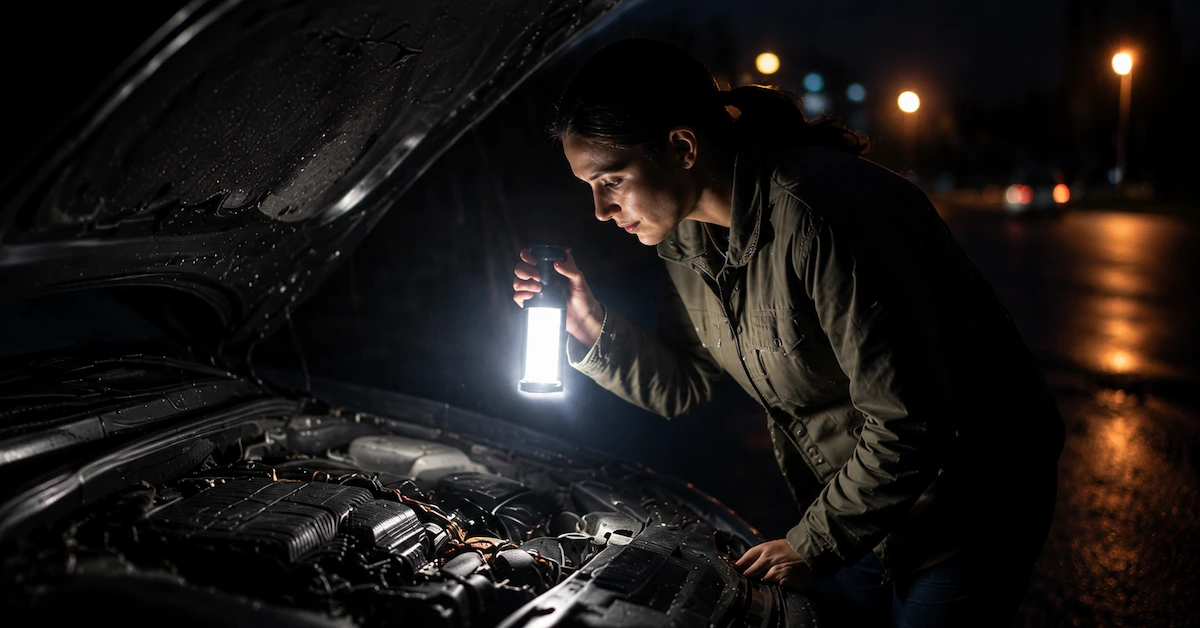
If you are comparing an LED flashlight manufacturer, the goal is usually not just finding someone who can assemble a light. Buyers want a compact product that feels solid, carries easily, and can be sourced without confusion later. That means looking beyond a bright headline number and checking the beam, housing, grip, clip, and assembly quality. The compact black flashlight style shown here is a good example of why those details matter. It looks simple, but the parts buyers touch and test first are what shape satisfaction in the field.
What buyers usually mean when they search for an LED flashlight manufacturer
Most sourcing teams are not asking, 'Who can make a light?' They are asking who can make a compact tool that performs in real use, feels right in the hand, and stays straightforward to buy at scale. That matters because flashlight sourcing can create friction in places that are easy to miss at the start: a weak beam, poor clip retention, slippery grip zones, thin housings, inconsistent switch feel, or specifications that do not hold up once a buyer looks closely. For outdoor retail, emergency kits, security use, or vehicle carry, the decision is less about the cheapest quote and more about whether the product will behave predictably when conditions are wet, cold, or simply inconvenient.
The compact handheld torch here fits the familiar EDC and tactical-style category: black cylindrical body, textured grip areas, pocket clip, and a focused white beam. That is exactly why manufacturing choices matter. Exterior finish, machining quality, emitter assembly, and thermal design all influence whether the light feels dependable or disposable.
Quick reference: what to look for before you choose a supplier
If you are comparing flashlight makers, these are the checks that usually separate a practical supplier from a risky one.
| Area | What to check |
|---|---|
| Housing | Repeatable body quality, often in aluminum alloy, with a finish the supplier can explain clearly. |
| Beam | Use-case fit; a bright output is not always best if the beam is too diffuse or too narrow. |
| Grip and carry | Texture that helps in gloves or rain, plus a pocket clip that supports real everyday use. |
| Assembly | LED module placement, lens retention, switch feel, and housing fit that support durability. |
A supplier should be able to discuss these points plainly. If the conversation stays on appearance alone, the buyer usually has too little information to make a safe sourcing decision.
Why compact LED flashlights are still a strong product category
Compact LED torches remain popular because they solve a simple problem well: they are small enough for pocket carry, yet useful enough to keep in a glovebox, toolkit, patrol bag, or emergency kit. For many buyers, the value is not luxury. It is dependable illumination when the light is low and the task still has to get done. That broad usefulness also makes merchandising easier, because the same product can appeal to camping users, security teams, vehicle owners, and general preparedness buyers without changing its core form.
That versatility should still be handled carefully. Buyers should not force one product into every role. If the beam is strong and focused, say so. If the light is meant for portable general use rather than heavy industrial abuse, that distinction should be clear. The image with water droplets also reflects a common expectation in this category: the flashlight should feel comfortable around rain, damp gear, and outdoor conditions, even though visual moisture alone does not prove a formal rating.
Material and build choices that affect buying decisions
The phrase aluminum flashlight manufacturer matters because aluminum remains the most familiar housing choice in this segment. It offers a practical balance of weight, machinability, and perceived quality. For buyers, the real question is not only whether the body is aluminum, but how that aluminum is machined and finished. A matte black surface may look anodized, but the exact process should always be confirmed with the supplier instead of assumed from the photo.
Texture also matters. Textured grip zones help when the hand is wet or gloved, while smoother mid-body sections can make pocket carry more comfortable. The best designs usually combine both. The pocket clip deserves the same attention. If it is loose, sharp, or poorly aligned, it can trigger complaints quickly. The blue accent ring near the head or tail may be only visual, or it may help distinguish a model line. Buyers sourcing private label or OEM programs should confirm whether such details are standard or customizable.
How to evaluate an LED flashlight manufacturer without getting lost in spec sheets
Many flashlight sourcing problems begin with overreading the headline numbers. Brightness claims are easy to market, but a serious buyer should ask wider questions. Start with use case. Do you need a light for EDC, camping, patrol, emergency kits, or general vehicle carry? A compact torch that works well for a glovebox may not be the same product you would choose for long outdoor walking or professional inspection tasks.
Then look at beam behavior. A focused beam is often better when distance matters, while too much flood can reduce useful reach. At the same time, a beam that is too narrow can feel harsh up close. This is why a high lumens flashlight is not automatically the best choice. Output matters, but beam shape and usability matter just as much. After that, evaluate the body design: does the clip stay put, does the texture give enough purchase, and does the switch appear protected from accidental activation? Those small choices shape real-world performance.
Finally, ask how the unit is assembled. For an LED flashlight manufacturer, the visible hardware is only part of the story. Lens clarity, emitter alignment, switch feel, and housing fit all contribute to the final product. A buyer who only asks for a brightness figure often misses the points that determine whether the light will still feel solid after months of use.
Common mistakes buyers make when sourcing flashlight products
One frequent mistake is assuming every compact flashlight is built for the same environment. A sleek body may photograph well, but if the surface finish is too slick or the clip is weak, it may not suit outdoor or field use. Another mistake is treating brightness as the whole story. Buyers sometimes chase the biggest number, then discover the beam is poorly balanced or the light runs hotter than expected in practical use.
A third mistake is not separating visible cues from verified features. Water droplets on the housing suggest the product can be used around moisture, but that is not the same as a documented ingress protection rating. In sourcing, that distinction matters. There is also the familiar trap of skipping a sample evaluation. A sample can tell you a lot in minutes: switch feel, grip texture, pocket clip tension, and how the beam looks in a dark room. If the sample feels flimsy, a polished spec sheet will not fix it.
Practical questions to ask a supplier and what to do next
If you are talking to a flashlight vendor, ask direct questions about the housing material, the finish process, whether the emitter and optical assembly are standardized or order-specific, how the clip is attached, which features are standard, and what the product should be marketed for. Those questions keep the discussion grounded and help separate a real production partner from a reseller with only surface-level knowledge.
This style of compact flashlight is a good fit for buyers who need portable everyday utility, including outdoor retailers, automotive accessory channels, safety and preparedness suppliers, and security-focused buyers. It also works well in bundled programs, whether it sits in an emergency kit or stands alone as an EDC item. If you are comparing options, start with the build, then review our products, contact us, or send an inquiry once you know what details matter most.
FAQ
What should I ask first when reviewing an LED flashlight manufacturer?
Start with the housing material, finish process, beam behavior, clip attachment, and assembly quality. Those basics reveal far more than a headline brightness claim. If a supplier can explain those points clearly, you are usually talking to someone who understands practical flashlight sourcing.
Is a high lumens flashlight always the better choice?
No. A bright output can help in search, inspection, or emergency tasks, but beam shape and usability matter too. A beam that is too diffuse or too narrow can be less effective in real use than a more balanced light with better control and handling.
Does water on the housing prove the flashlight is water resistant?
No. Water droplets may suggest the light is used around damp conditions, but they do not prove a formal rating. Buyers should never build product claims on appearance alone. Ask the supplier what is verified and what is only shown in the image or sample context.
Why should I request a sample before placing an order?
A sample quickly shows whether the flashlight feels solid in the hand, whether the clip holds properly, how the switch behaves, and how the beam appears in a dark room. Those practical checks often reveal more than a spec sheet and can prevent avoidable sourcing problems later.