

Magnetic LED Flashlight Supplier Guide for Workshop Buyers
Workshop buyers usually look for this kind of light because it solves a simple problem: how to see clearly without giving up a hand. Under a hood, inside a cabinet, or beside a machine bay, a compact mounted light can be more useful than a standard torch. If you are reviewing suppliers, start with the actual task, not the product title. You can also review related options in the Brightenlux product range before comparing samples and asking the right questions.
Why workshop buyers look for this category
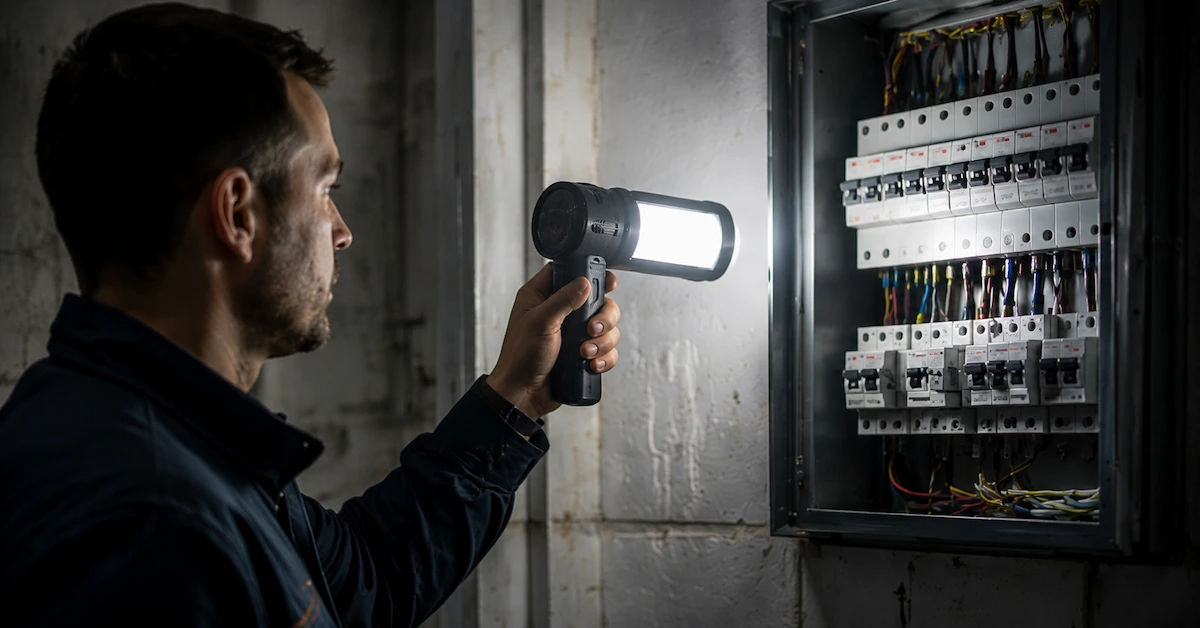
A magnetic LED flashlight supplier is rarely selling a novelty item. The real value is hands-free light for work that needs attention and precision. Technicians may need to inspect a fuse box in a tight cabinet, read labels inside a machine bay, or light an engine compartment while other tools are already in use. In those moments, poor task lighting slows the job and makes simple steps harder than they should be.
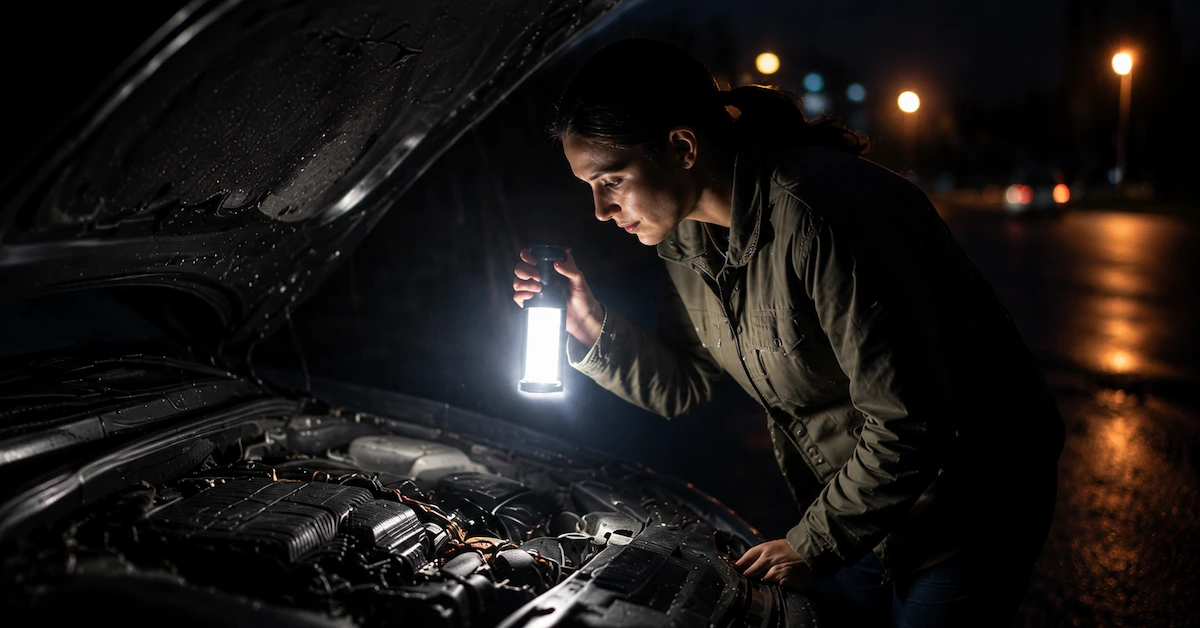
For sourcing teams, the decision is not just about buying a bright lamp. It is about choosing a portable light source that can stay in place, survive daily handling, and suit the environment where people actually use it. In automotive service, for example, a slim light bar mounted at the hood edge can direct white light across the engine bay and keep both hands free for diagnosis or repair.
What this light design is good at
The product form described in the source sits between a general flashlight and a shop light. It looks like a compact, horizontal LED light bar with multiple emitters behind a clear lens, plus end caps and a mounting point that appears designed for the hood edge or underside. That makes it more of a work light than a pocket torch, even if some suppliers use broader flashlight language.
That distinction matters. A handheld light is convenient for walking around, but a mounted bar is better when a technician needs consistent illumination over a fixed work area. It can be a practical fit for engine diagnostics, routine maintenance, component inspection, and repair work in garages or roadside conditions. A portable LED torch supplier may offer many useful products, but not every torch is suitable for hood-mounted use or wide task coverage.
What to verify before you place an order
Several important details are not visible in the source image or description, and that is normal. It is also where many sourcing mistakes begin. Before you commit to a supplier, ask for written confirmation of the basics and do not assume a marketing term means the same thing across vendors.
| Check item | Why it matters |
|---|---|
| Mounting method | Shows how the light stays positioned during use |
| Power source | Confirms whether it is rechargeable, corded, or battery-operated |
| Charging method | Important if USB rechargeable flashlight functionality is claimed |
| Housing and lens material | Helps judge handling and workshop suitability |
| Beam coverage | Reveals whether the light suits close inspection or broader task lighting |
| Length and weight | Affects handling and how the light fits the workspace |
Ask for these details before you decide, especially if the product will be used daily in a busy workshop.
How mounting and beam shape affect daily use
The visible structure is straightforward, which is often a good sign. A slim bar light places illumination where it is needed without taking up much space under the hood. Multiple LEDs behind a clear lens usually suggest a broad, even wash of light rather than a narrow spot beam. That is useful when a technician needs to scan a larger area instead of lighting only one fastener.
The mounting point at the hood edge or underside supports hands-free use, which is exactly what many service tasks call for. When a light stays fixed in place, workers can focus on the job instead of constantly adjusting the angle. Still, a light that works well for under-hood inspection may be less useful for overhead repairs, long-range viewing, or outdoor work in poor weather.
What to ask a supplier before approving the sample
The strongest suppliers in this space are usually clear about what they can prove and careful about what they cannot. They should be able to discuss the product as a working tool, not only as a lighting item. Ask how the light attaches, what prevents slippage, and whether the beam is intended for close inspection or broader coverage. If the supplier uses the term magnetic, confirm the attachment method and how it behaves in real use.
It also helps to ask for application photos, sample inspection, or test documentation when available. If the supplier cannot explain beam pattern clearly, that is a warning sign. For buyers who want to discuss product fit or request guidance, the next step can be as simple as reaching out through contact us before moving to the formal inquiry stage.
Common mistakes when sourcing this category
One common mistake is treating all portable lights as interchangeable and then discovering that the mounting style does not suit the work area. Another is chasing the brightest number without checking whether the beam is actually useful in a confined engine bay. In practice, task fit matters more than a loose headline claim.
Buyers also sometimes under-specify the use case. If the request only says “work light,” the supplier may answer with a broad catalog option. If the request says “under-hood automotive inspection light with hands-free mounting,” the discussion becomes much more focused. A final mistake is assuming rechargeable always means convenient. A USB rechargeable flashlight can be a strong choice, but only if the workflow fits how the product will be used.
A practical way to compare samples
Start with the use case, then compare the sample in the real environment where it will be used. Place the light where a technician would actually mount it, and check whether it stays stable. Move around the workspace, open and close nearby panels, and see whether the beam still covers the area that needs attention. That tells you more than a catalog description ever will.
Next, compare how easy it is to handle, reposition, and store. The visible shape suggests a tool meant for repeated use, so the finish, fit, and mounting behavior should all feel consistent. For teams building a shortlist, a sample review is the moment to decide whether the product is a true workshop tool or just another portable light in the inbox. If it passes that test, you can move forward with confidence through the inquiry process.
FAQ
Is this product only for automotive use?
Not necessarily. The design is especially useful for engine bays and vehicle inspection, but the same hands-free setup can also support maintenance, equipment service, and other low-light task environments where a fixed beam is more helpful than a handheld torch.
Should I specify magnetic or mounted?
Specify the mounting method as clearly as possible. “Magnetic” alone is not enough if your application depends on repeatable positioning. Ask how the light attaches, how it stays in place, and whether the supplier can show the setup in use.
Is a slim light bar better than a handheld flashlight?
For under-hood work, often yes. A slim bar can spread light across a larger area and keep both hands free. For walking inspections or general carry, a handheld light may still be the more practical tool.
What should I ask for before approving a supplier?
Ask for the mounting method, power source, charging method if relevant, materials, beam coverage, and sample behavior in the intended workspace. That gives you a clearer view of real fit than a general product description or marketing claim.