

Magnetic LED Flashlight Supplier Guide for Roadside Wheel Service
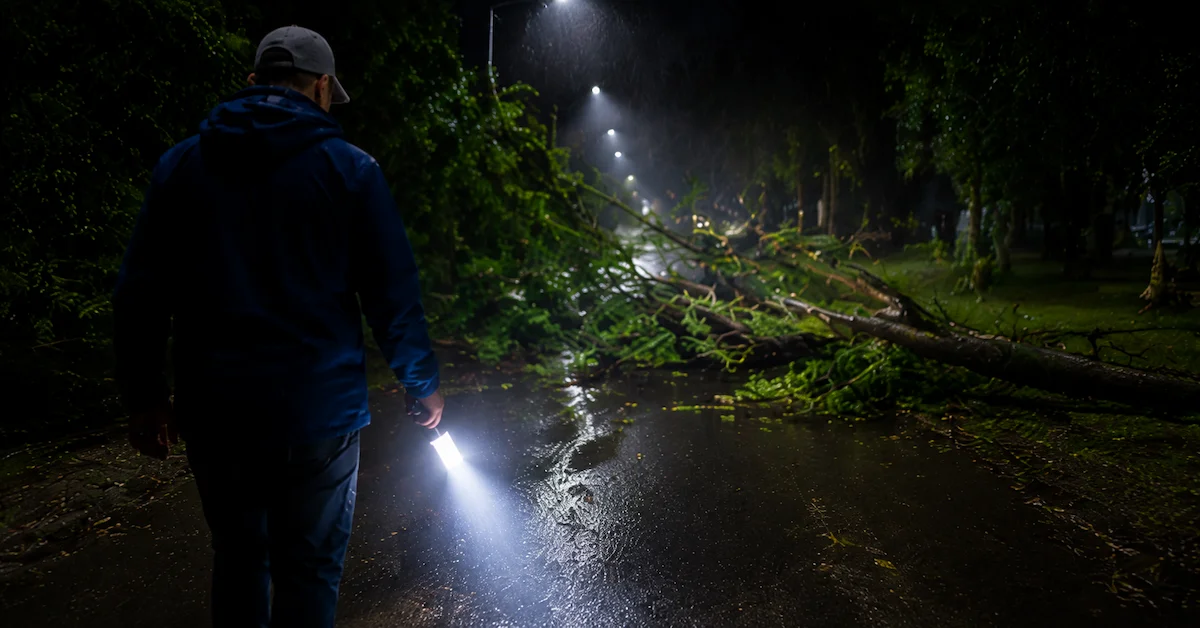
Roadside wheel service happens where conditions are least forgiving: beside traffic, on wet pavement, under a wheel arch, and often in gloves and low light. That is why the right flashlight is not just a bright accessory. It must stay in place, point where it is needed, and help technicians work without wasting time. For buyers, the question is not whether a light turns on. It is whether it supports the job cleanly and consistently. If you are reviewing options, you can browse the product range while keeping the actual work scene in mind.
Why roadside wheel service changes the lighting brief
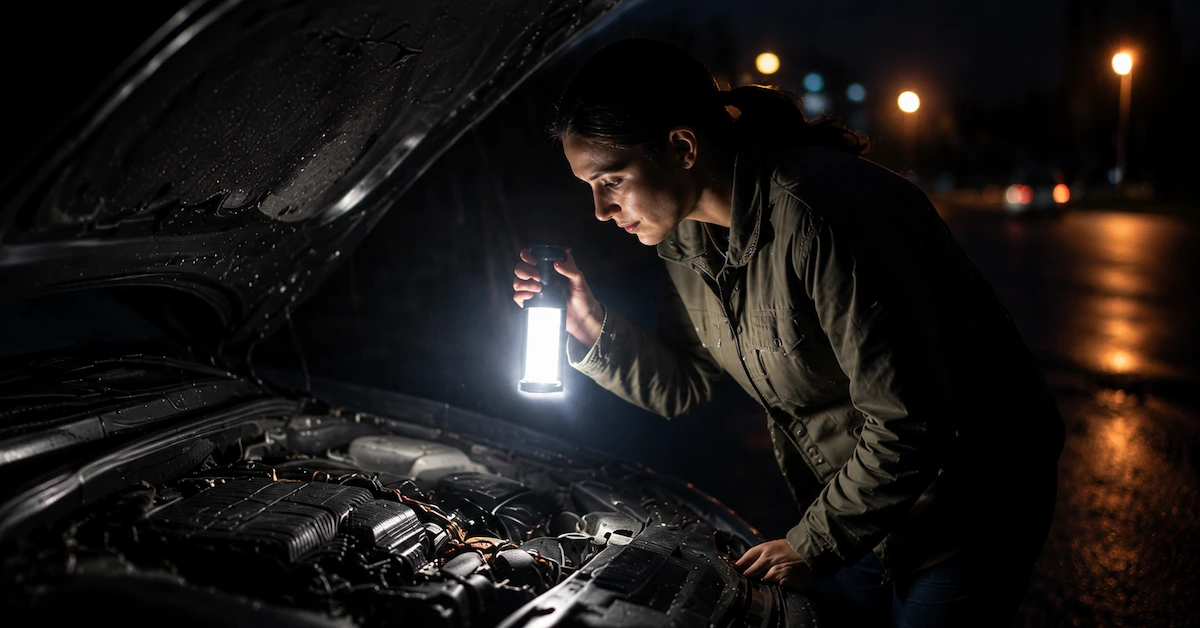
Wheel changes, puncture response, tire inspection, and emergency roadside support all require close visibility around the vehicle. A technician needs to see lug areas, the jack point, the tire sidewall, and the ground nearby. That is a small work zone, but it is not easy to light. Wet pavement reflects glare, dark vehicle surfaces swallow contrast, and the user may already be balancing a tool or steadying a wheel. A simple handheld beam can help for a moment, but it does not always support the full sequence of work. The lighting solution has to fit the task, not the other way around.
This is why buyers looking for a magnetic LED flashlight supplier usually care about more than output claims. The flashlight has to support repeated movement around the vehicle, quick repositioning, and hands-free operation when possible. Roadside service also favors products that can be stored in a vehicle kit and grabbed quickly when needed. In other words, the best light is the one that removes friction from a difficult job rather than adding another step to it.
Why magnetic placement matters in the field
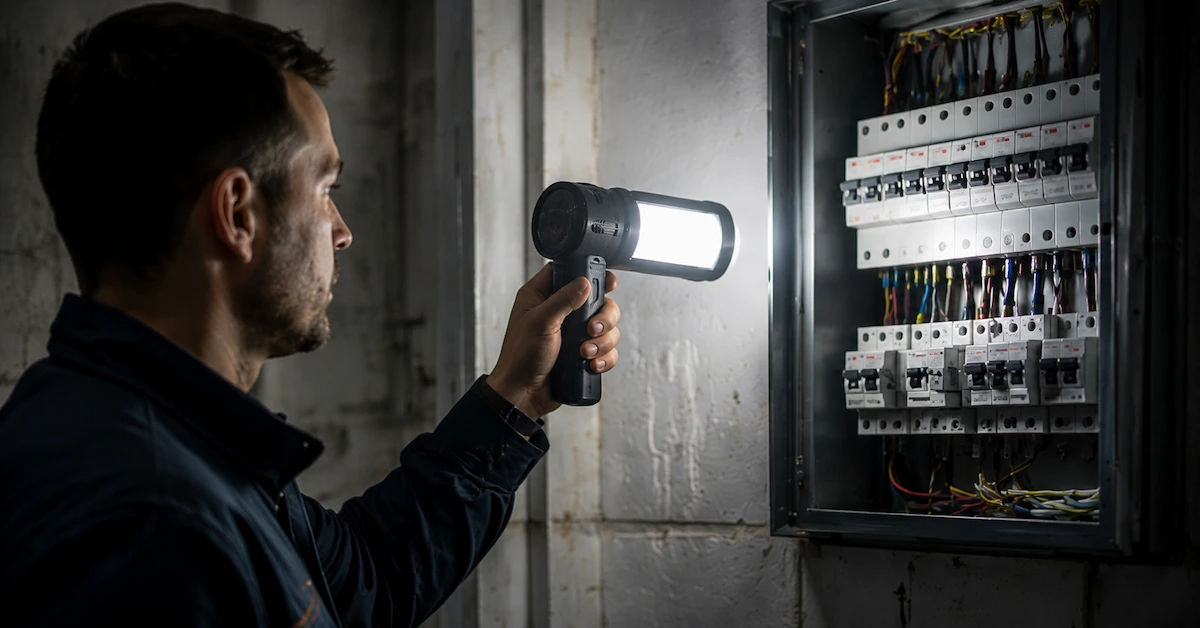
Magnetic mounting is popular in roadside wheel service because it solves a practical problem: the technician often needs both hands free. A magnetic base or similar mounting option can attach the light to the vehicle body or another nearby metal surface, keeping the beam near the work area without being held. That makes it easier to inspect fasteners, check the jack point, or illuminate the wheel area while the job moves from one step to the next. It also reduces the chance of balancing the light on an awkward edge and losing it into grit or water.
The value of magnetic placement is not only convenience. It can also make the work area feel more orderly. When the beam stays close to the task, the user spends less time adjusting the light and more time completing the repair. For sourcing teams, that means the mounting method deserves the same attention as the lamp body itself. If the magnet or attachment style is weak, the product may look useful on paper but become frustrating in actual roadside use.
What buyers should prioritize before comparing suppliers
When comparing a magnetic LED flashlight supplier, start with use case rather than marketing language. For roadside wheel service, the main priorities are hands-free positioning, durable construction, practical beam usefulness, and sensible power management. Brightness alone does not tell the full story. A beam that is too narrow may miss the work zone, while one that is too broad may flatten detail. Buyers should ask whether the light is designed to illuminate a specific repair area or just to look impressive in a catalog.
It also helps to consider how the product will be handled in the field. Roadside tools get dropped, packed into service bags, exposed to damp conditions, and used with gloves. A supplier should be able to discuss housing, lens protection, switch feel, and general resistance to daily handling. If you want to compare options more directly, review available products with the job environment in mind, not with a showroom mindset.
Why OEM and custom sourcing matter for fleets
Off-the-shelf lighting can work for casual use, but commercial buyers often need more control. OEM LED flashlight programs and custom flashlight manufacturer capabilities matter when a fleet, auto-service chain, or tool brand wants the product to fit a specific kit. That may involve logo placement, packaging format, a preferred mounting approach, or a layout that matches other items in the service vehicle. The benefit is consistency. If every unit is easy to use in the same way, there is less confusion during a roadside call.
Customization should still support the job first. Branding is useful, but it should not distract from beam usefulness, mounting stability, or handling with gloves. A supplier that only talks about print methods and box artwork is not giving the full picture. If you need a better match for your fleet or retail program, start an inquiry and ask how the product can be aligned with actual roadside use.
A compact checklist for faster supplier review
Before shortlisting a supplier, use a simple filter based on the actual service scene. The goal is to separate practical tools from products that only look good in images. The checklist below keeps the evaluation focused on roadside wheel service rather than generic flashlight features.
| Buyer question | What to verify |
|---|---|
| Does it support hands-free work? | Check the magnetic base or other mounting method. |
| Is the beam useful for wheel service? | Look for detail visibility, not just intensity claims. |
| Can it handle field use? | Ask about housing, lens protection, and damp-condition use. |
| Will it fit the kit? | Confirm storage, grab-and-go use, and glove-friendly handling. |
This kind of review keeps the process grounded in real work. It also makes supplier conversations more useful, because each question is tied to a visible task. That is usually a faster path to a sensible decision than comparing products only by specification sheets.
Common sourcing mistakes to avoid
One common mistake is overvaluing raw brightness. A powerful beam may still be awkward beside a wheel if it does not stay where it is placed or if it creates glare on wet ground. Another mistake is ignoring the mounting behavior. If a magnetic base is weak or poorly positioned, the light can slide or fall, which wastes time and may interrupt the repair. A third mistake is assuming one light style fits every job. A handheld torch and a magnetic work light serve different roles, and many service kits need both.
Buyers also sometimes choose for catalog appeal instead of fleet reality. A product that will live in a service vehicle should be easy to store, easy to clean, and easy to hand off between users. Complicated controls can slow the job down, especially when the technician is cold, tired, or working in rain. If the supplier cannot explain how the light behaves in real roadside conditions, it is worth asking more questions before moving forward. You can also contact the team when you need clarity on fit and use.
FAQ
Is a magnetic LED flashlight a good fit for wheel and tire service?
Yes. It is especially useful when hands-free lighting is needed near the wheel arch, jack point, or lug area. The magnetic attachment helps keep the beam close to the work zone while the technician focuses on the repair. That makes the job easier to manage in low light.
What should an OEM buyer focus on first?
Start with attachment stability, beam usefulness, and durability in wet or dirty conditions. Those are the features that affect field use most directly. Branding and packaging matter too, but they should support the product rather than replace practical performance in roadside work.
Do custom flashlights make sense for roadside fleets?
They can, as long as the customization improves real use. A custom flashlight manufacturer should help match the light to the task, not just apply a logo. Standardizing layout, handling, and storage can make fleet use smoother and reduce confusion during service calls.
Why is lighting harder at night and in rain?
Night reduces visibility, and wet pavement or vehicle surfaces can create glare that makes the work zone harder to read. A stable light aimed at the task area helps technicians see details without fighting reflections. That is why mounting and beam placement matter so much in roadside work.