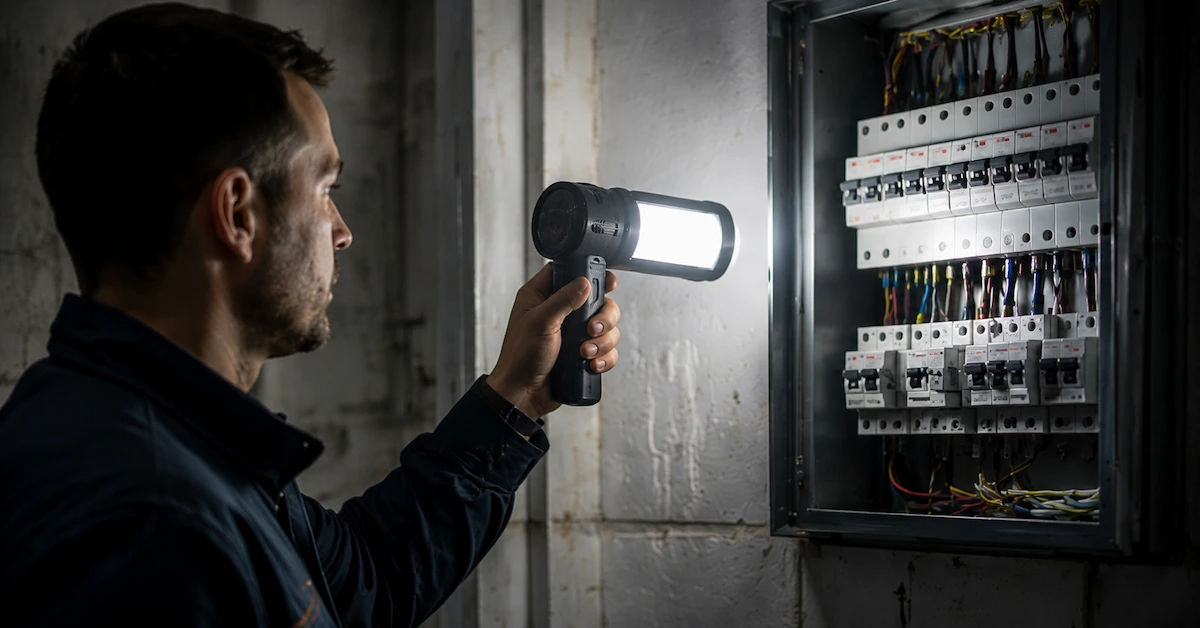


Magnetic LED Flashlight Supplier Guide for Industrial Cabinet Work
Choosing a magnetic LED flashlight supplier is not about buying a novelty torch. For industrial teams, the real need is reliable task lighting inside electrical control cabinets, machine enclosures, breaker panels, and service bays. Technicians need light where both hands are already occupied by tools, cable bundles, and components. A compact light that can attach, angle, and move quickly can make routine service easier and reduce avoidable mistakes. This guide explains how B2B buyers can evaluate this product category without relying on vague marketing language or unverified performance claims.
Why Industrial Buyers Search for Magnetic Cabinet Lighting
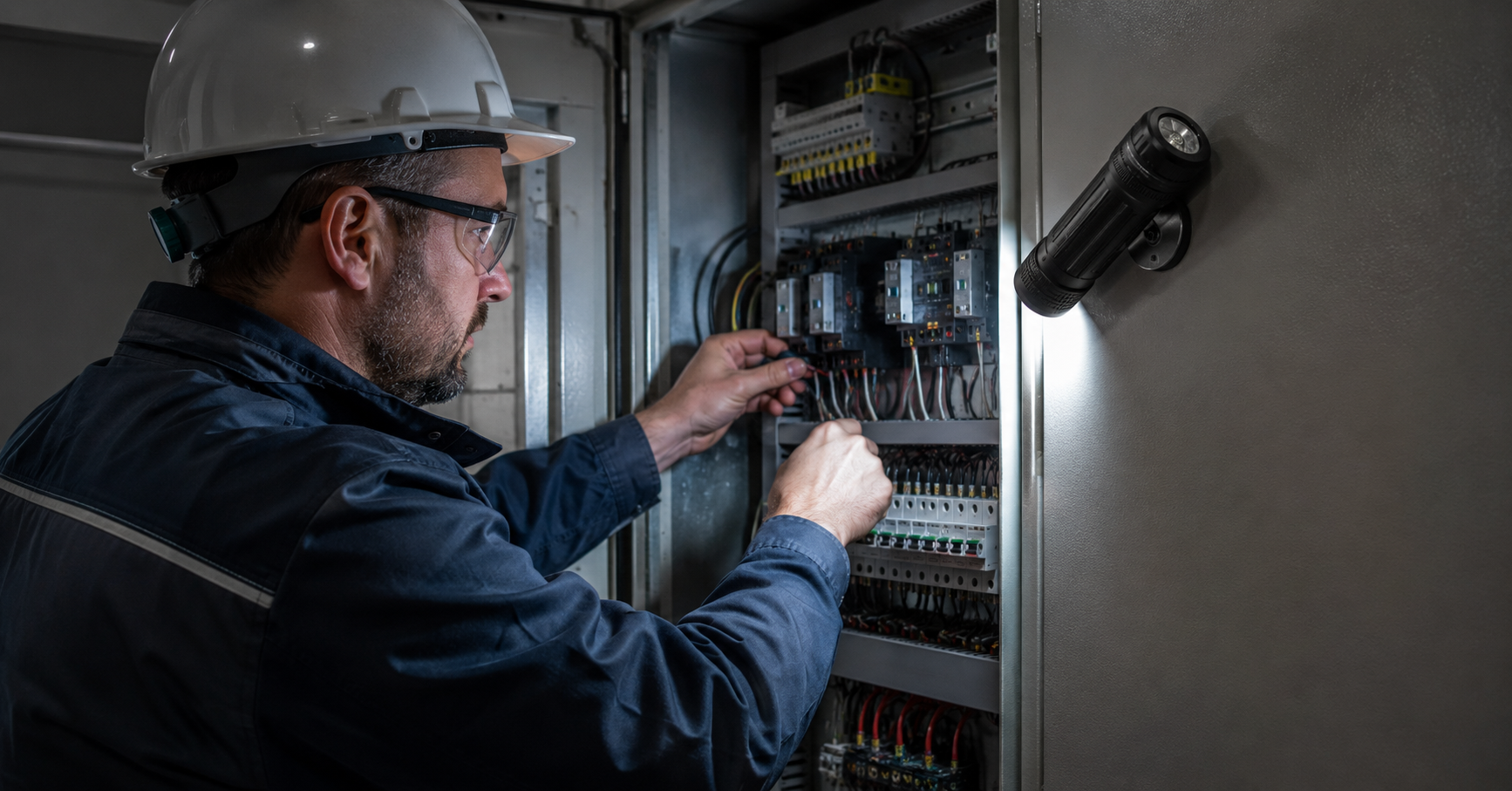
A magnetic LED flashlight sits between a handheld inspection tool and a small item of workshop infrastructure. In cabinet work, it must do more than shine. It needs to stay in position on a suitable metal surface, direct light into a narrow work area, and avoid interfering with the technician’s hands. The product shown in the source appears to be a compact industrial flashlight or portable work light mounted inside an electrical cabinet, with a black cylindrical body, a round light head, and an angled mounting bracket or clip. Because the exact power source and performance figures are not visible, it is best treated as a cabinet-task light rather than assumed to meet any specific flashlight specification.
The Real Problem: Low Light in Confined Industrial Spaces
Most procurement teams do not begin with the word flashlight. They begin with a practical problem: poor visibility in a confined workspace. Cabinet interiors often create shadows because one hand blocks ambient light, the technician’s head is in the wrong position, or the enclosure is too deep for overhead lighting to help. A work light flashlight earns its place by delivering localized task lighting exactly where terminals, relays, labels, wiring runs, and narrow corners need attention. It is not meant to illuminate an entire room. In fact, too much spill light can create glare, making ferrules, markings, and connection points harder to read. Better lighting does not replace safe work procedures, but it can support clearer, less awkward maintenance.
Design Features That Matter Before Headline Specifications
For cabinet servicing, form factor and mounting can matter more than broad brightness claims. A compact body can fit into crowded enclosures without blocking access, while an angled or adjustable mount helps direct the beam toward the work instead of reflecting off painted panels or glossy labels. Buyers should avoid assuming that a rugged appearance means the light is suitable for every enclosure. The visible black cylindrical body and round light head suggest portability and directional use, but exact material, power source, and performance details still need confirmation from the supplier.
| Feature | Why It Matters |
|---|---|
| Mounting method | Determines whether the light stays in place during cabinet work. |
| Adjustable angle | Helps reduce glare and aim light at components. |
| Compact body | Improves access in narrow or crowded enclosures. |
| Surface finish | Affects grip and routine handling in maintenance environments. |
How These Lights Are Used on the Shop Floor
The product context points to use inside an electrical control cabinet, so buyers should view it as a close-range service tool rather than general outdoor lighting. Typical applications include electrical panel servicing, commissioning, routine inspection, wiring installation, relay checks, breaker replacement, machine enclosure service, and troubleshooting in low-light plant areas. Field teams may also value a compact light that can be repositioned quickly when moving from one machine to another. Some buyers search for a tactical LED flashlight or a work light flashlight while trying to solve similar visibility problems. However, for industrial cabinet work, the “tactical” label is less important than fit, beam control, mounting reliability, and whether the light stays out of the technician’s way.
How to Compare a Magnetic LED Flashlight Supplier
Supplier evaluation should begin with the working environment, not with promotional phrases such as professional-grade or ultra-bright. Ask how the light attaches, whether the angle can be maintained when a cabinet door moves, and whether the mounting method suits your actual enclosure geometry. If the light is magnetic, confirm how the attachment is intended to perform on the relevant surface. If it is clip-mounted, verify whether the clip can work with the cabinet edges or internal structures your team uses. Buyers can also compare related industrial lighting options at Brightenlux products before narrowing the request. When the application is specific, clear supplier communication prevents the wrong light from entering stock.
Common Purchasing Mistakes to Avoid
The most common mistake is assuming that brightness alone determines usefulness. Inside a panel, excessive output can create hotspots and reflections that make labels harder to read. A steady, well-aimed beam is often more helpful than a dramatic specification claim. Another mistake is overlooking mounting compatibility. A magnetic base may seem universal, but painted surfaces, stainless housings, crowded panels, or angled surfaces can change the result. Buyers should also avoid expecting one compact light to cover every maintenance situation. A cabinet inspection light may be excellent in an enclosure but less suitable on a ladder, in a dark aisle, or outdoors. If your teams work across many conditions, define the primary job first.
What Sourcing Teams Should Request Before Ordering
Before placing an order, request a clear description of the mounting method, size, power source, beam style, and intended use. Ask whether the light is designed for temporary maintenance work, fixed cabinet use, or a flexible combination. If a supplier offers both magnetic LED flashlight products and other industrial lighting variants, ask them to separate categories clearly so purchasing and store-room teams do not mix items. Sample testing is especially useful because a catalog image cannot show every access issue. Test whether the bracket blocks tools, whether the beam lands where expected, and whether technicians find it easy to reposition. For project discussions, buyers may contact Brightenlux through contact us or submit an inquiry.
FAQ for Industrial Buyers
Is a magnetic light better than a handheld flashlight for cabinet work?
Usually, yes, when the enclosure surface and workflow support mounting. A magnetic or mountable light can free both hands and keep the beam directed at the work area. A handheld flashlight remains useful, but it often becomes another item the technician must hold, place, or reposition during service.
Can one compact light support both inspection and maintenance tasks?
Sometimes, but only if the size, beam direction, and mounting method suit both jobs. Inspection inside a cabinet differs from walking a plant floor or responding to a field issue. Buyers should define the main task first, then treat secondary applications as useful but not guaranteed.
What should I ask a supplier before comparing options?
Ask how the light mounts, how it is angled, what type of work it is intended for, and what details still need confirmation. Because photos do not prove power source, material, output, or long-term installation suitability, industrial buyers should request product information that matches their actual cabinet environment.
When is sample testing worth the effort?
Sample testing is worthwhile whenever the light will be used in crowded control cabinets, machine enclosures, or other confined industrial spaces. A short trial can show whether the unit stays in place, avoids glare, leaves tool access clear, and helps technicians complete work more comfortably.