

LED Flashlight Manufacturer: What Buyers Should Look For
If you source portable lighting for industrial use, the right LED flashlight manufacturer is more than a commodity supplier. A handheld light can look simple, yet weak machining, poor assembly, or careless quality control can still lead to returns and field failures. That matters for maintenance teams, private-label outdoor lines, and safety product catalogs. If you want to compare options early, start with the product range on Brightenlux products and use the details below to judge whether the factory is a fit.
What the product range reveals
A factory’s visible range says a lot about its capability. When a supplier offers multiple handheld LED flashlight styles, it usually suggests experience with machining, optical assembly, electrical integration, and surface finishing. That is more useful than a single generic tube light. The range described in the source includes a large searchlight-style model, a standard cylindrical flashlight, a compact clip-equipped penlight, and a right-angle work light. Together, these formats point to broader product development rather than a one-off hobby item. For B2B buyers, that matters because different channels need different tools. Workshop kits, inspection jobs, outdoor use, security needs, and emergency packs all benefit from different body styles and handling features.
Machining and finish quality deserve close attention
Flashlights are electrical products, but they are also mechanical products. The housing must hold up to pocket wear, glove use, repeated handling, and daily movement. The source suggests a metal-bodied construction with a black finish and knurled grip surfaces. Those details matter because they influence grip and overall consistency. A buyer should ask how the body is machined, how the finish is applied, and how threads and switch areas are controlled. Visible fit and finish often reveal more than a brochure. If the bezel, body, and control points look clean and integrated, the factory is more likely to manage production carefully. Poor surface consistency or sloppy assembly usually becomes obvious once samples are in hand.
Different flashlight styles serve different jobs
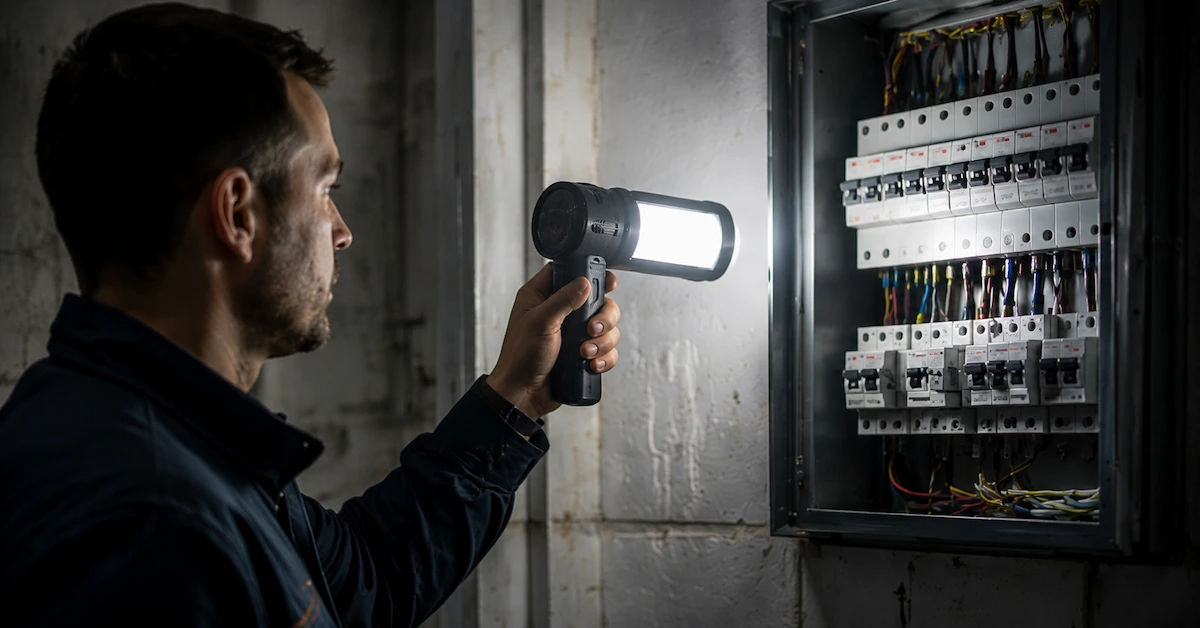
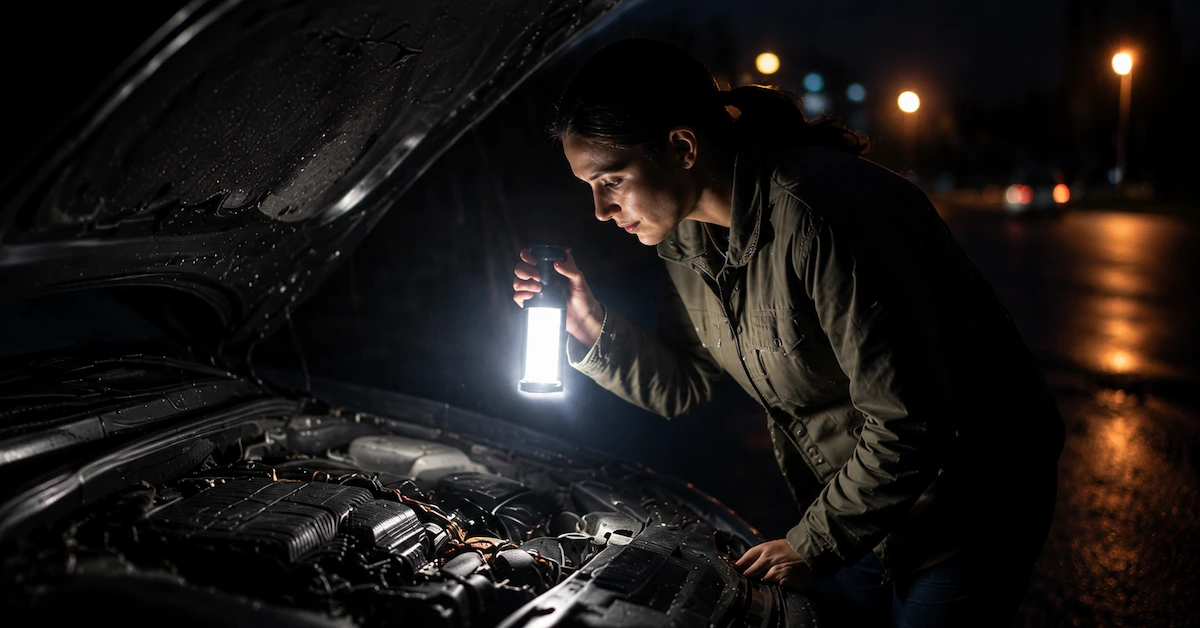
One common sourcing mistake is treating every handheld light as interchangeable. The source shows several distinct forms, and each serves a different use case. A larger searchlight-style flashlight can suit inspection, security, or outdoor activity. A standard cylindrical model is the familiar workhorse for vehicles and general kits. A compact penlight is better for pocket carry, quick checks, or inspection tasks where size matters. A right-angle work light is useful when hands-free positioning is important. Buyers should match the form factor to the user’s environment before comparing price or appearance. That simple step helps avoid selecting a flashlight that looks acceptable but does not support the job it is meant to do.
Quick buyer check for flashlight sourcing
When you are comparing suppliers, it helps to focus on the features that affect use, not just style. The best factory is not always the one with the loudest claims; it is the one that can explain structure and assembly clearly. A compact checklist keeps the conversation practical and helps separate a capable LED torch manufacturer from one that only resells standard items. Use the table below as an early screening tool before requesting samples or discussing a specific project.
| Buyer focus | What to look for |
|---|---|
| Body styles | Multiple formats, not only one tube shape |
| Housing quality | Consistent metal construction and clean finish |
| Grip and handling | Surfaces that make sense with gloves or wet hands |
| Optics | Lens, bezel, and reflector assembly that looks integrated |
| Switch design | Placement and feel that suit the intended job |
Questions to ask before you sample
Once a product line looks promising, the conversation should move past basic color and size questions. Ask what materials are used in the housing and trim, how the bodies are machined and finished, and how the optical assembly is built. It is also useful to ask whether the factory can support different switch layouts, optional clips, or multiple sizes within the same platform. Those answers reveal whether the supplier understands real product development or only works from a narrow standard range. If you need to discuss a specific handheld light project, you can contact us or send an inquiry with the model type you want to evaluate.
Common mistakes buyers make
The first mistake is chasing one headline claim while ignoring handling. A flashlight must feel right in daily use, not just look impressive on a spec sheet. The second mistake is choosing one format for every job. Technicians, supervisors, and field staff often need different body styles, and the source clearly shows that not all flashlights serve the same purpose. The third mistake is assuming all metal flashlights are built to the same standard. Thread quality, finish consistency, and assembly tolerances can vary widely. Buyers should be cautious if a factory cannot explain those basics. Clear answers on structure, materials, and assembly are usually more valuable than broad marketing language.
When a flashlight line looks commercially ready
A product line feels commercially ready when the range looks connected rather than random. In the source, the units share a consistent black finish, visible grip treatment, and a family resemblance across sizes and shapes. That suggests a manufacturer thinking in terms of a broader range, which is useful for private-label and B2B programs. A buyer may need a compact light for pocket carry, a general work light, and a heavier-duty torch, all from the same supplier. Still, styling alone is not proof of strong engineering. Samples should be checked for switch action, lens fit, and body threads. Small imperfections in those areas often tell the real story faster than a polished photo set.
How buyers should decide on next steps
The best next step is to match the flashlight to the use environment before locking in a supplier. For workshop and factory maintenance, prioritize grip, hands-free compatibility, and a body that handles repeated glove use. For outdoor or security use, carry comfort, switch access, and beam concentration matter more. For everyday carry, compact size and clip strength become important. For emergency kits, consistency and simple storage may be more valuable than feature complexity. If the supplier can support branding, packaging, and SKU variation across one platform, that can make the sourcing program easier to manage. A strong manufacturer should be able to discuss the housing, optics, switching layout, and intended use without drifting away from the product itself.
FAQ
Is a metal flashlight always the better choice for B2B use?
Not always, but the source points to metal-bodied designs as a strong option for industrial use. Metal can offer a more robust feel and better wear resistance, which suits work environments. Buyers should still match the body style to the job, since weight and handling also matter.
Should one flashlight style cover every application?
Usually not. The source makes clear that a searchlight-style unit, a cylindrical flashlight, a compact penlight, and a right-angle light each serve different tasks. Technicians, supervisors, and field staff often need different formats, so one style rarely fits every user or scenario.
What is the most useful sign that a supplier understands flashlight production?
Clear explanations about structure, materials, machining, optics, and assembly are a strong sign. If a factory can describe how the body, bezel, lens, reflector, and switch are handled, it is more likely to control production carefully. Vague replies often suggest a weaker manufacturing setup.
Why do grip and finish matter so much in sourcing?
Because flashlights are handled every day. The source emphasizes knurled grip surfaces and a consistent metal finish, both of which affect real-world usability. Good grip helps in gloves or wet conditions, while a clean finish often reflects better assembly discipline and more consistent production.