

Brightenlux LED Flashlight Manufacturer Guide for Outdoor and Field Use
If you source portable lighting for outdoor gear, emergency kits, field work, or retail bundles, an LED flashlight manufacturer is more than a light source vendor. The real question is whether the product can handle carry, weather, and repeated use without becoming a complaint. That means looking at the body, clip, switch feel, sealing, and consistency as a complete product. For a quick view of available formats, see the product range.
Why buyers narrow their search to an LED flashlight manufacturer
Flashlights look simple in a catalog, but small weaknesses show up fast in the field. A unit can appear solid in photos and still disappoint when the switch feels soft, the clip bends, the beam flickers in rain, or the finish wears too quickly in a pack. That is why sourcing teams often treat the supplier choice as a product-risk decision, not just a purchasing step. They want a flashlight that is manufacturable, repeatable, and suitable for real carry conditions.
The search usually starts with the use case. Outdoor buyers, field service teams, and emergency-kit assemblers all need portability, but they may value it differently. A good supplier should understand that the flashlight is not only a beam in hand. It is also a clipped item, a storage item, and a piece of gear that must survive contact with wet straps, tools, and daily movement.
What this type of flashlight is expected to do in the field
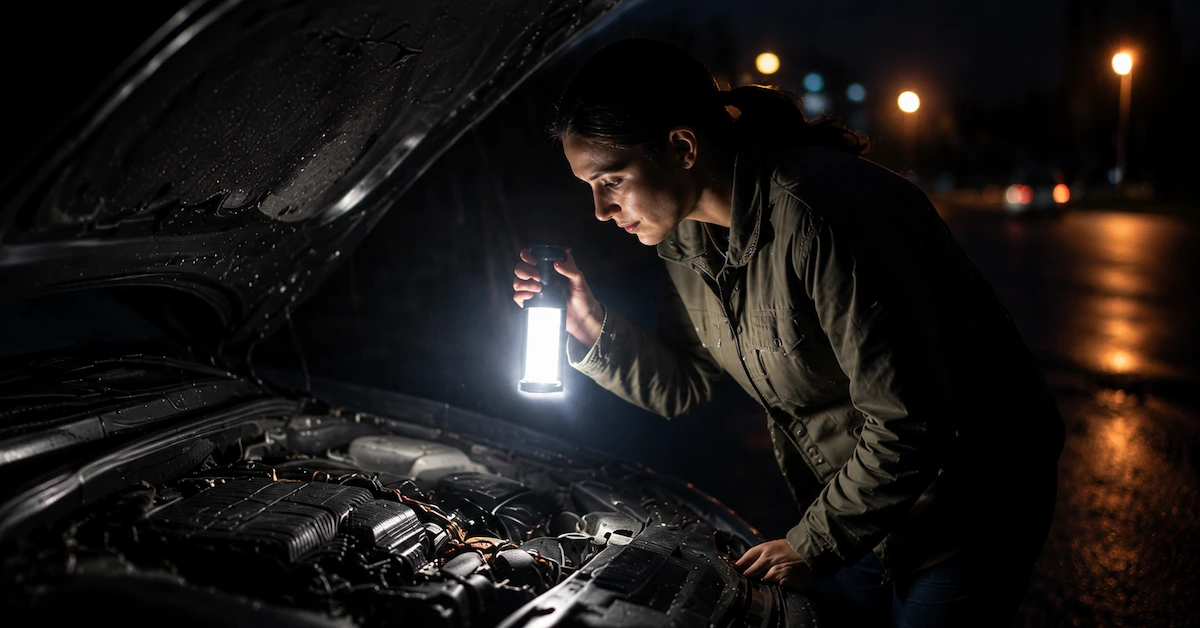
A portable LED flashlight is usually judged on three things first: it turns on reliably, it is easy to carry, and it keeps working when the environment gets messy. That can include rain, sweat, dust, vibration in a vehicle, or repeated clipping and unclipping during the day. Buyers rarely need the most dramatic product story. They need a light that stays usable when conditions are less than ideal.
That is why the clip-on style matters. A flashlight that can attach to a backpack strap or webbing is easier to stage, harder to misplace, and more likely to stay with the user. For outdoor and utility applications, that can be more valuable than chasing a single spec on a sheet. If the product is meant for camping, hiking, maintenance, or emergency readiness, carry behavior should be treated as a core feature, not an accessory.
What to look for in an LED flashlight manufacturer
When evaluating an LED flashlight manufacturer, the first test is whether the supplier understands the flashlight as an assembly. The head, emitter, lens, body tube, tail cap, switch, clip, and battery compartment all affect the final experience. If one part is weak, the whole product suffers. A strong supplier should be able to discuss those parts in practical terms instead of only describing the light source.
For a compact metal flashlight intended for outdoor carry, body material and surface finish deserve attention. The finish should support wear resistance and a usable grip, especially with gloves or wet hands. The clip should hold securely without scratching the body excessively. Sealing also matters, but it should be discussed honestly. A buyer should ask what is protected, how it is protected, and how the supplier verifies it. Beam behavior matters too, but only in relation to the intended job: short-area work, distance use, or a balanced beam.
Manufacturing details that usually matter more than the marketing sheet
Most of the value in a compact flashlight comes from ordinary manufacturing decisions. A metal body may be machined or extruded and then finished with an anodized or similar protective coating. That coating affects more than appearance. It can influence wear resistance and how the body handles contact with fabric, zippers, and wet straps during daily carry.
The head assembly must support the LED emitter and lens without rattle or misalignment. The tail cap needs a dependable closure method, and the switch should remain usable after repeated cycles. These are small details, but buyers notice them immediately when the product arrives. Consistency across a batch is equally important. Straight clip alignment, uniform texture, smooth threading, and reliable operation after storage are all signs that the manufacturing process is controlled rather than improvised.
How to compare suppliers without overcomplicating the process
Start with use-case fit rather than price alone. A flashlight for hiking or emergency kits is not automatically the same as one for field service or retail bundling. It is better to compare a few practical points and keep the conversation grounded in real use. The goal is to see whether the supplier can match the product to the environment, not just present a polished sample.
| Area | What to verify |
|---|---|
| Environment | Indoor utility, outdoor carry, emergency use, or wet-weather exposure |
| Body and finish | Metal choice, texture, corrosion behavior, and cosmetic durability |
| Carry system | Clip strength, attachment style, and how it works with belts or packs |
| Quality consistency | Fit, alignment, switch feel, and repeatability across batches |
If you need a broader view before narrowing the shortlist, the contact page is a practical place to start the discussion.
Common buyer mistakes with portable flashlights
The most common mistake is choosing a flashlight by size and beam brightness alone. A compact unit can look impressive, but the real cost appears later if the clip fails, the switch is awkward, or the finish wears too quickly. Another mistake is overbuying output while underbuying usability. In real field use, a slightly less aggressive beam with better grip and more dependable carry can be the smarter choice.
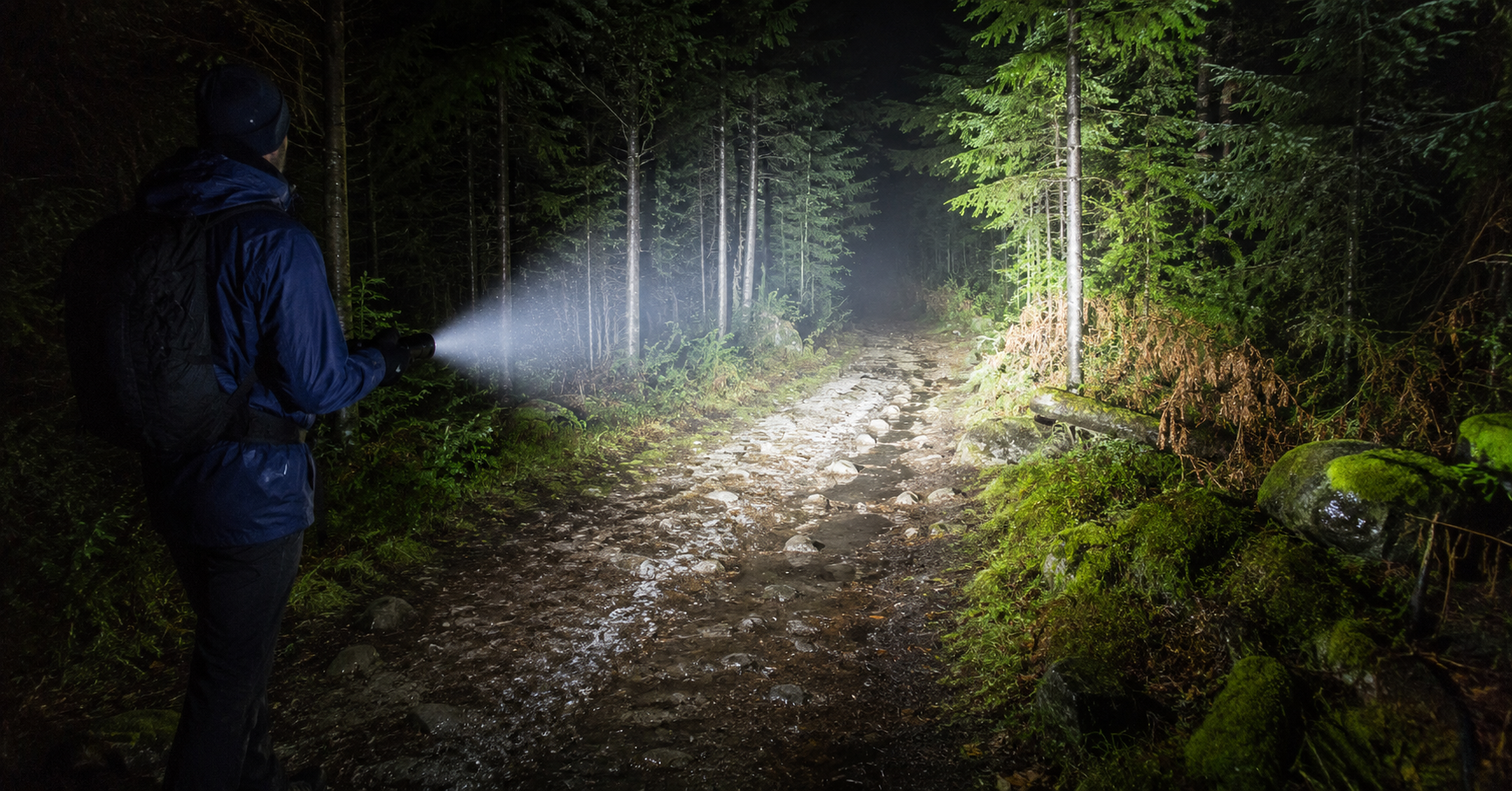
A third mistake is treating wet-weather use as a small detail. If your customers are hikers, technicians, or emergency buyers, rain resistance is part of the job description. It should not be treated as a bonus feature. The better approach is to define the environment first, then ask whether the flashlight design supports that setting without unnecessary complexity.
Questions worth asking before you place an order
A short questionnaire is usually enough, but it should focus on what affects use and repeatability. Ask what metal is used for the body and what finish is applied. Ask how the clip is attached and whether it can be adjusted or replaced. Ask which parts are sealed and how that protection is verified. Ask whether there are multiple beam modes and whether they are easy to use with gloves. If your team needs a supplier conversation around a specific project, you can also send an inquiry and keep the discussion tied to the intended application.
These are practical questions, not paperwork exercises. They help you separate a supplier that understands real use from one that only knows how to present a sample. The answers also tell you whether the flashlight is designed for carry, field use, and consistency, or whether it is mainly a catalog product with limited durability planning.
FAQ for sourcing teams
Is a metal body always better than plastic?
Not always. For the compact outdoor style discussed here, a metal body often helps with durability, feel, and heat management. The tradeoff is usually weight and finish wear. The right choice depends on how the flashlight will be carried, how often it will be handled, and what the end user expects from the product.
Do I need a waterproof flashlight manufacturer for every outdoor project?
If the flashlight will be used in rain, clipped to packs, or placed in emergency kits, it is wise to work with a supplier that can explain sealing and testing clearly. You may not need the highest level of protection, but you should know exactly what kind of wet-environment use the product is meant to handle.
Can one portable LED flashlight fit both consumer and field-use markets?
Sometimes, yes. But it usually requires careful balance between size, clip strength, beam style, and finish. A product that sells well to consumers can still fall short in field use if the carry system, controls, or sealing are weak. The intended channel should guide the design decision.
What is the best first step when shortlisting suppliers?
Start with the working environment and the carry method. Then ask the supplier to explain the body material, clip design, sealing approach, and consistency from unit to unit. That gives you a faster read on whether the flashlight matches your application than comparing photos or broad marketing claims alone.