

LED Flashlight Manufacturer Guide for Industrial Buyers
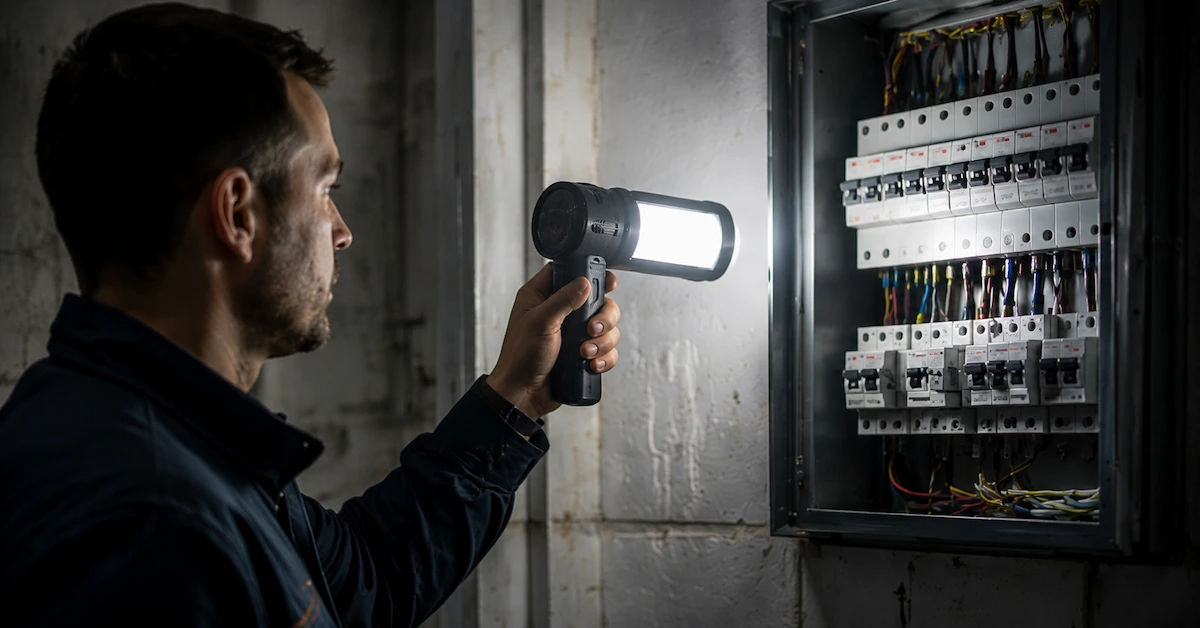
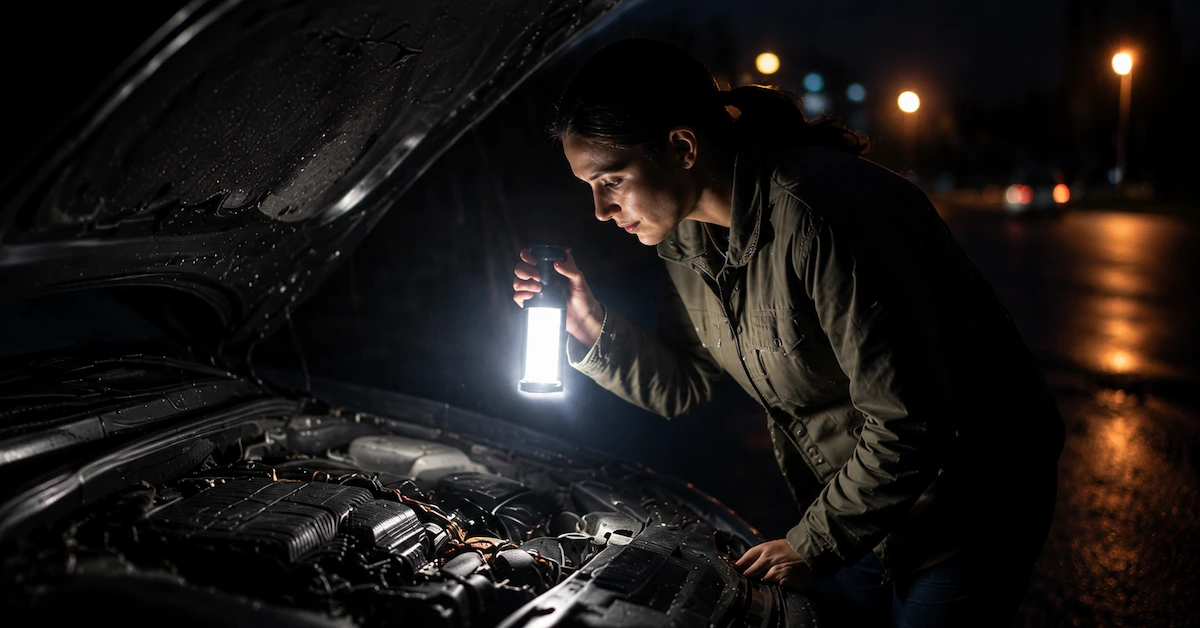
Choosing an LED flashlight manufacturer is rarely just a search for a bright lamp. Industrial buyers need tools that can be carried, switched on quickly, used with gloves, and matched to real work areas such as factory aisles, machine guards, service vans, cabinets, and inspection benches. The better question is not only which flashlight looks powerful, but which supplier can build a dependable product family. For maintenance, assembly, warehouse, and field service teams, the manufacturer’s process, housing quality, optical choices, and practical usability often matter more than a single specification line.
Why Industrial Buyers Compare the Manufacturer First
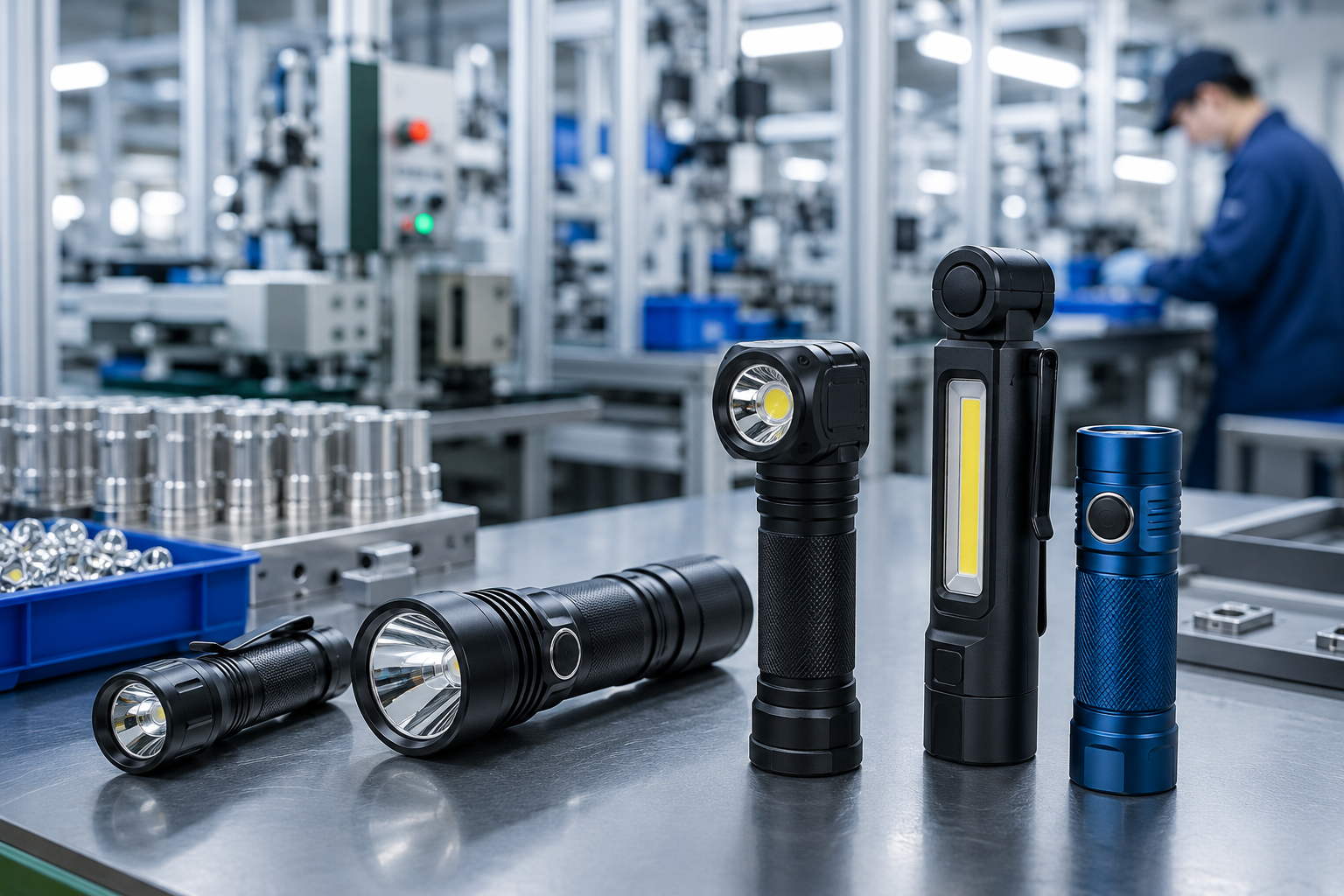
Engineers and purchasing teams often begin with the supplier because a flashlight must work as a daily tool, not just as a catalog item. A unit that looks impressive in a product photo can still feel awkward in the hand, activate too easily, or fail to support the way technicians actually move through a facility. Manufacturer capability gives clues about consistency across models, assembly discipline, and whether the design is built for field use. The visible Brightenlux product range includes handheld portable flashlights, a COB-style inspection light, a round-head torch, and compact task lights with textured grips and side switches. Those formats suggest different job requirements, which is why supplier evaluation should come before a narrow comparison of wattage or beam claims.
What the Product Lineup Suggests
The models shown appear to use aluminum housings with black and blue anodized finishes, textured grip sections, and a mix of cylindrical and right-angle forms. For a buyer, those details are useful because they point toward machining, finishing, and assembly considerations. Round-head units with reflector-style fronts are generally suited to more focused work, while a taller rectangular light with a COB-style panel is intended for broader area illumination. A maintenance team may need both: a tighter beam for checking labels or fasteners and a wider output for cabinet or bench work. A supplier that offers multiple body styles can simplify sourcing if quality remains consistent. Buyers should still confirm battery chemistry, runtime, ingress protection, impact resistance, and other technical details directly with the manufacturer.
Quick Reference for Supplier Review
A compact checklist helps buyers compare suppliers without being distracted by presentation alone. Photos are useful, but they cannot confirm internal structure, sealing, switch design, or service expectations. Start with the way the product will be handled, then move toward the light output and electrical design. If you are reviewing options, compare available models through the Brightenlux products page and use the table below to organize questions for sample review.
| Area | What to Check |
|---|---|
| Housing | Metal body, clean machining, stable finish, useful grip texture |
| Optics | Reflector head for spot work, COB panel for area lighting |
| Switch | Placement, feedback, glove-friendly operation, accidental activation risk |
| Form factor | Compact torch, right-angle body, or work light matched to the task |
How to Evaluate Beyond Brightness Claims
Brightness is easy to compare, so many sourcing projects begin there. A stronger method is to evaluate the flashlight in the order a worker uses it: carry, grip, switch, beam, heat, charge, and store. First, inspect the housing around the head, threads, clip area, and end cap. Consistent machining and a secure grip surface matter when technicians work with oily hands, damp gloves, or cold storage conditions. Next, examine the light architecture. A reflector-style front output and a COB work light do not solve the same problem, so the supplier should explain how each model is intended to be used. Finally, review the switch interface. In industrial settings, dust, vibration, hurried handling, and repeated operation often expose weak design choices faster than any marketing sheet.
Match Flashlight Types to Industrial Use Cases
Different departments rarely need the same flashlight. Factory maintenance teams often move between walk-around checks and close-in inspection, so they may need both a focused torch and a wider task light. Warehouse and logistics users may value comfort, beam control, and pocketability more than extreme output. A compact torch with a clip can be more useful than a larger unit that stays in a drawer. Assembly and inspection teams may benefit from a COB-style panel or right-angle body because broader light can help illuminate work surfaces and reduce shadows in awkward spaces. If rechargeable models are being considered, buyers should confirm charging method, site compatibility, and battery service expectations before purchase. The right product is the one that fits the workflow.
Common Sourcing Mistakes to Avoid
One common mistake is assuming every metal-bodied flashlight is equally rugged. A metal housing is only one part of the design; finish quality, thread fit, internal mounting, switch assembly, and optical structure also matter. Another mistake is selecting a beam style without checking the application. A narrow beam may look impressive in a photo but may not suit cabinet work, while a wide flood may be helpful for close inspection but less suitable for distance. Buyers also overlook handling. If a technician cannot find the button quickly or cannot carry the light securely, the tool may sit unused. Avoid over-specifying as well. Asking for every possible feature can create a bulky product that people avoid carrying during normal work.
Questions to Ask Before Ordering
Before placing an order, ask for details that a product image cannot prove. What material is used for the housing, and what finish process is applied? How is the LED module mounted and cooled? What type of lens or optic is used in the reflector-style head? How is the switch sealed and assembled? What charging method is available if the model is rechargeable? Can the manufacturer support custom body colors, branding, or packaging if a private-label program is needed? It is also useful to ask whether the product family shares common parts such as end caps, clips, lenses, or charging accessories. Shared components can simplify inventory and service. For project-specific questions, contact Brightenlux through contact us or submit details through the inquiry page.
A Practical Buyer’s View of Quality
For industrial procurement, quality is not one number. It is the sum of small details: grip feel, switch response, head fit, beam usefulness, portability, and how the flashlight behaves after repeated handling. The models shown suggest a supplier working with multiple body styles and light formats, which can help buyers build a broader lighting range for maintenance, inspection, warehouse, and general task use. Still, photos are only the starting point. Serious buyers should request samples, test units with gloves, and use them in real work conditions. A capable LED flashlight manufacturer should be comfortable discussing assembly details, intended applications, and product differences. That is where a good-looking catalog becomes a practical sourcing decision.
FAQ
Is a rechargeable flashlight always better for industrial use?
Not always. Rechargeable models can be convenient for frequent daily use, but buyers still need to confirm the charging method, site compatibility, and battery service approach. In some facilities, charging discipline and accessory management become just as important as the flashlight itself.
Should industrial buyers choose a tactical flashlight style?
Only when the features match the job. Tactical-style products may emphasize handheld control and rugged appearance, but industrial teams still need the right beam pattern, switch behavior, grip, and body shape. Practical usability should come before styling on a plant floor.
What is the biggest warning sign when comparing suppliers?
Vague technical answers are a major warning sign. If a supplier cannot clearly explain housing material, optical design, switch structure, assembly method, or charging options, buyers should slow down and ask for samples or more detailed documentation before moving forward.
How should a buyer start evaluating samples?
Begin with the actual work environment. Test how the flashlight carries, switches, grips, and illuminates the target area with gloves or normal tools in hand. Compare reflector-style and COB-style models by task, not just appearance, and record feedback from the people who will use them daily.