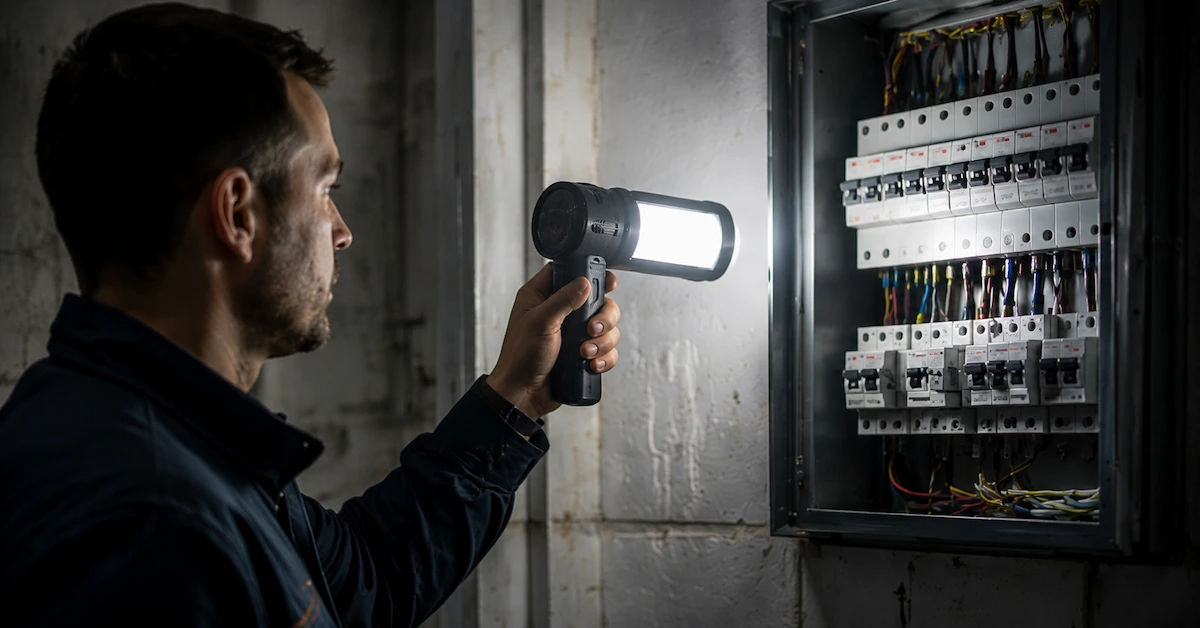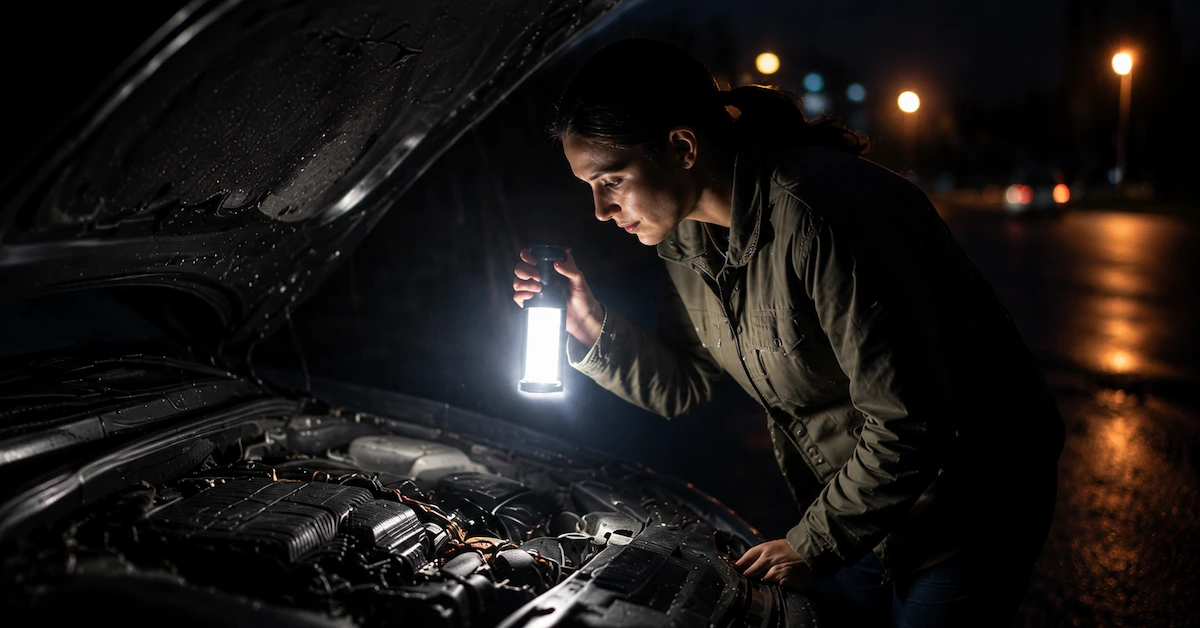


LED Flashlight Manufacturer Guide for Compact Metal Torches
If you are sourcing a compact handheld light for retail, outdoor gear, maintenance kits, or industrial use, the lowest quote is rarely the best decision. Buyers need a supplier that can make a flashlight feel solid in the hand, carry well in a pocket, and keep working after everyday wear. In this category, small details such as grip texture, clip strength, switch feel, and finish quality often shape customer satisfaction more than marketing claims.
A compact torch may look simple, but it combines metal machining, electronic assembly, optical components, and finishing work. The best LED flashlight manufacturer is the one that understands how those pieces fit together and can control the entire build, from the body and threads to sealing, thermal management, and final testing.
Choosing an LED flashlight manufacturer for compact torches
Compact flashlights are harder to source than they first appear. Their small size leaves little room for poor machining or loose internal assembly. A body that feels uneven, a threaded joint that does not turn smoothly, or a pocket clip that bends too easily can make an otherwise usable product feel cheap. For retail buyers, that affects sell-through. For industrial users, it affects trust.
The product type described here is a metal-bodied pen light or compact EDC torch with a matte black or dark gray finish, knurled grip sections, a pocket clip, and a single-piece cylindrical form. That combination tells you the design is built for everyday carry, not display only. A dependable supplier should understand the full product, not just the LED itself.
What buyers should inspect on the outside
Before asking about technical details, evaluate the flashlight as a physical object. The visible parts often reveal how carefully the factory works. On compact torches, the body finish, grip texture, clip mounting, and front head design are all part of the user experience. A matte surface usually hides wear better than a glossy one, and knurling can improve control when hands are wet or gloved.
| Visible part | Why it matters |
|---|---|
| Body finish | Affects wear, carry feel, and perceived quality |
| Grip texture | Supports handling in wet or gloved conditions |
| Pocket clip | Shapes daily carry and user confidence |
| Front head and bezel | Influences appearance, assembly fit, and practicality |
These details may seem small, but users notice them immediately. A strong pocket clip is not an accessory on a compact light; it is part of how the product is used every day.
What a well-made compact LED flashlight typically includes
Even without a full specification sheet, the visible construction gives clues about the product category. A cylindrical metal body with a tapered head suggests a straightforward flashlight architecture designed for portability and efficient assembly. The front lens and LED emitter sit in a small head, while the body likely houses the battery compartment and internal driver electronics. Segmented joints may indicate threaded sections or O-ring sealing points commonly used in weather-resistant designs.
The pocket clip deserves close attention. On a light this small, the clip often determines whether it feels like a practical tool or a casual gadget. Buyers should ask how it is attached, whether it can loosen with use, and whether it supports pocket or cap carry without interfering with operation. A clip mounted near the top can improve portability, but it should not make disassembly awkward.
A small colored accent ring near the tail cap may be decorative, functional, or both. If the purpose is not clear from the product image alone, confirm it with the supplier instead of assuming it indicates a mode feature or charging function.
Manufacturing stages that shape flashlight quality
For buyers, many flashlight problems are created long before the product reaches the shelf. A compact LED torch usually passes through several stages, and each one can affect performance, feel, and reliability. Body machining and surface finishing are the starting points. If the housing diameter is inconsistent or the threads are rough, the light may rattle, leak, or feel uneven during assembly.
The LED, driver, switch, and wiring must also be aligned properly. In a compact body, heat management matters even when the product is small. Poor internal assembly often appears later as flickering, inconsistent brightness, or early failure. Final assembly is equally important because threaded joints, seals, and cap fit all affect resistance to moisture and dust. If the product appears in wet outdoor scenes, that suggests a use case involving exposure, but any actual resistance claim should be confirmed with product documentation.
When a supplier can explain these stages clearly, it is usually a sign that the factory understands the whole build rather than only the visible shell.
Questions that reveal supplier strength
Comparing catalog images is not enough. A better sourcing conversation starts with direct questions that reveal how the supplier works. Ask which parts are produced in-house and which are sourced externally. Ask what material is used for the body and what finish is applied. Ask how the pocket clip is attached and tested. Ask what sealing approach is used at threaded joints or cap interfaces.
If the factory supports customization, it should also be able to discuss housing color, logo placement, clip style, lens treatment, and packaging. As a custom flashlight manufacturer, the supplier should understand that these choices affect both appearance and daily use. Just as important, a reliable team is clear about what has been confirmed and what still needs testing. If a factory promises exact output numbers or weather performance without documentation, treat that as a caution sign.
Common mistakes in compact flashlight sourcing
One of the most common mistakes is assuming all compact flashlights are interchangeable. They are not. A product can look good in a listing and still disappoint in real use if the clip bends, the beam looks uneven, or the tail section loosens over time. Another mistake is over-focusing on features that are easy to advertise while ignoring the details users feel first, such as grip comfort and switch access.
Buyers also sometimes forget that small flashlights are tactile products. The hand test matters. A knurled grip band is not decoration; it affects confidence in wet or gloved conditions. The same is true of the body finish. A matte surface often feels more purposeful than a glossy one, especially in tool, outdoor, and maintenance channels.
Finally, do not let one attractive visual detail override the rest of the build. A neat exterior means little if the threading, sealing, or internal assembly is inconsistent.
Practical next steps before you order
If you are building a flashlight line for retail or industrial distribution, start with the end user. Will the light live in a pocket, a kit, or a vehicle? Will it be handled with gloves? Will it get wet? Those answers should guide the specification as much as any performance target. For a compact metal torch like this, carry comfort, clip security, and moisture resistance should be reviewed before the product is moved into a larger order.
A sample-first approach is usually the safest path. Confirm the body feel, inspect the threading and finish, then review the lighting behavior and packaging. To see current options, explore the products page, then use the contact page or send an inquiry to discuss your requirements.
FAQ
Is a metal body always better for a compact flashlight?
Not always, but a machined metal body usually offers better durability, better heat handling, and a more premium feel than lightweight plastic. In compact torches, it also supports the slim, pocket-friendly shape that many buyers want for daily carry and tool use.
Can I assume a flashlight is weather resistant because it was shown with water on it?
No. Water droplets suggest exposure to rain or spray, but that is not the same as a verified resistance claim. Buyers should always ask the supplier for documented product information rather than assuming performance from the image alone.
What makes a custom flashlight manufacturer different from a general assembler?
A stronger custom flashlight manufacturer understands machining, optics, electronic assembly, finishing, and carry-friendly design choices. A general assembler may be able to put parts together, but that is not enough when the product has to feel solid, work reliably, and hold up in daily use.
What should sourcing teams review before placing an order?
Review the body material, finishing process, pocket clip attachment, sealing approach, and the supplier’s ability to explain what is confirmed versus what still needs testing. Those answers usually reveal far more than a polished product sheet or a sales promise.