

LED Emergency Flashlight: What Buyers Should Check Before Ordering
When fixed lighting fails, buyers do not only need brightness. They need a light that is easy to find, simple to operate, and useful in the right area. An LED emergency flashlight can support homes, preparedness kits, camping supplies, garage storage, and distributor product lines. Before placing a B2B order, the key is to match the product style with the actual use case. A compact lantern-style emergency light is different from a narrow inspection torch, and that difference affects satisfaction, packaging, and repeat sales.
Why Buyers Still Choose LED Emergency Flashlights
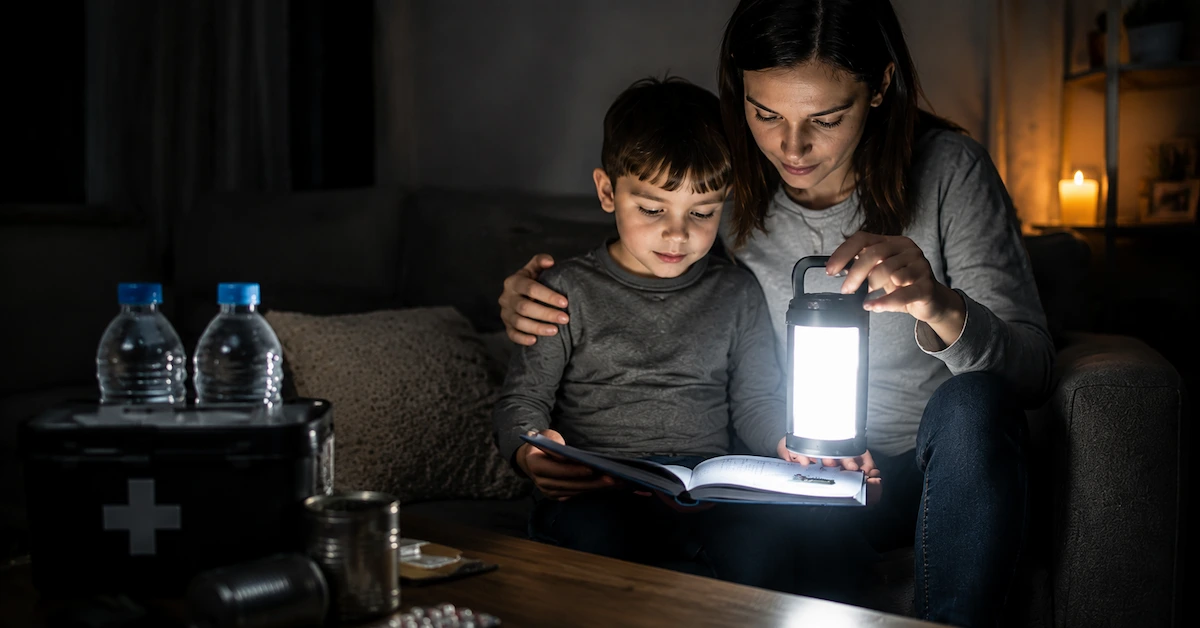
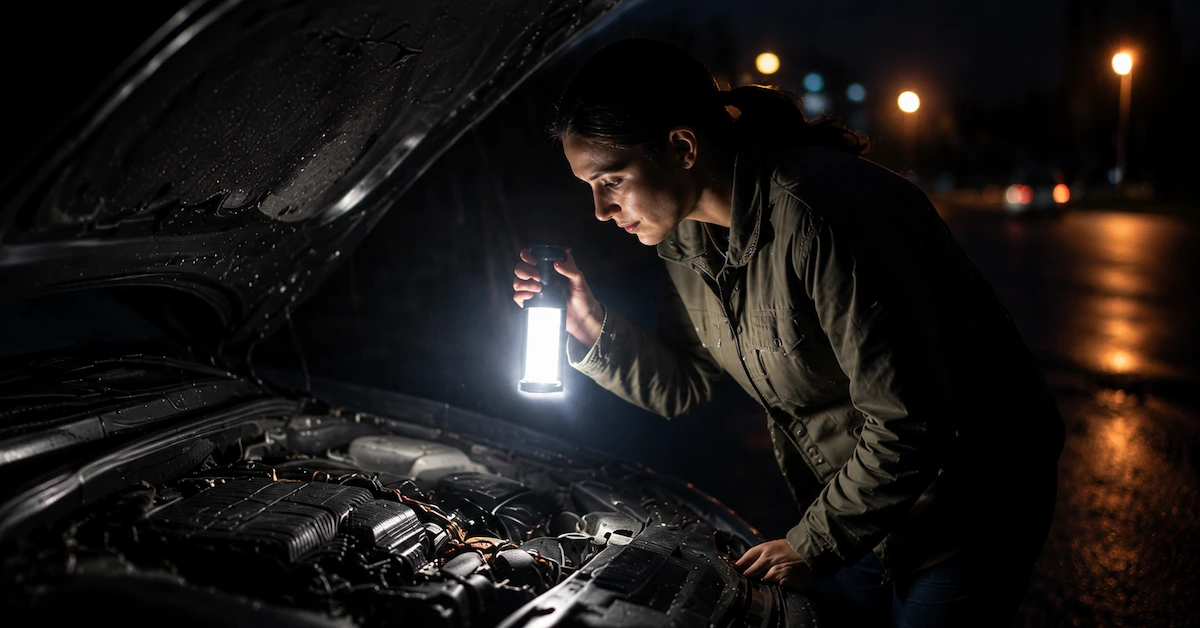
An LED emergency flashlight remains a practical product because outages and low-light situations are ordinary problems. In a blackout, on a staircase, in a tent, or beside a bed, users need a small tool that reduces confusion and helps them move safely. For distributors and product teams, this category is attractive because it serves clear daily and emergency needs without requiring a complex explanation.
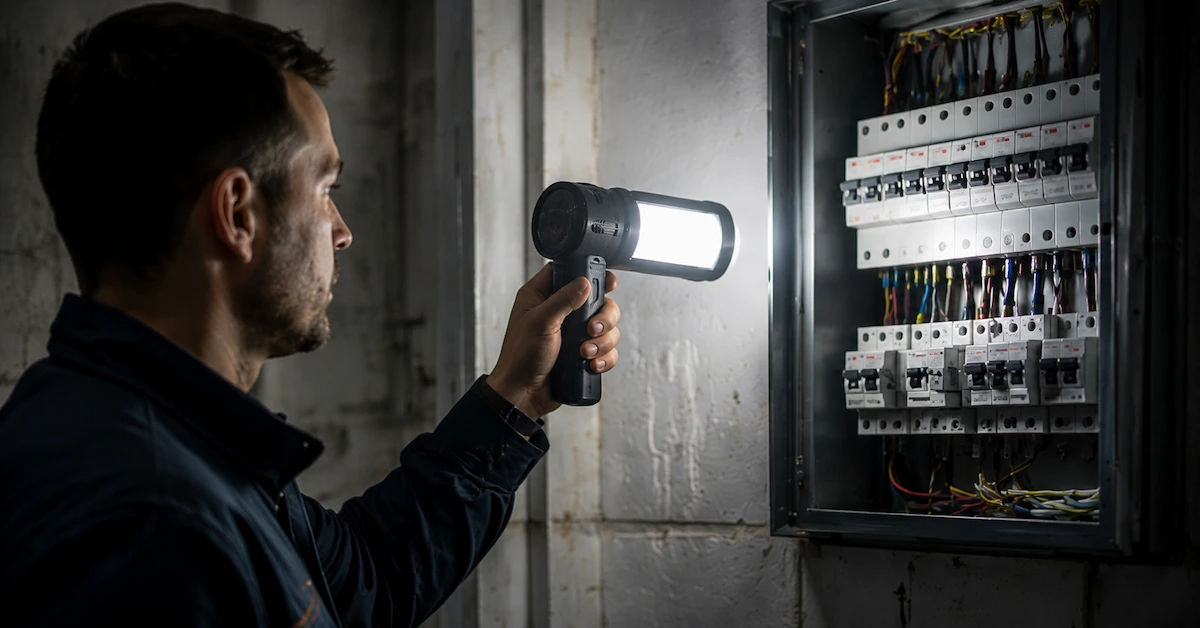
The product style shown in the source is portable and self-contained, with a carry handle, molded housing, and broad diffused output. That makes it closer to a compact emergency lamp than a beam-focused tactical flashlight. Buyers should recognize this distinction early. A narrow beam is useful for checking a fuse box or walking a path, while a diffused light is better for illuminating a room, table, or bedside area.
What This Product Type Is Really For
The main job of an emergency light is to provide reliable illumination when normal lighting is unavailable or unsafe to use. In practical terms, it should be easy to grab in darkness, simple enough for different users, and able to spread light over the area where people need to see. A stable base, top handle, and clear body shape all support that purpose.
Market terms can overlap. Buyers may see products described as an LED emergency flashlight, rechargeable emergency flashlight, battery-operated lantern, or portable emergency lamp. These names are not always interchangeable. Some models are intended for handheld directional use, while others are designed for ambient lighting. If you are sourcing for retail, private label, or emergency kits, the name on the package should match the beam pattern, form factor, and real customer expectation.
Buyer Checklist Before Placing an Order
Before committing to a product or supplier, buyers should confirm the specification set behind the appearance. The visible item suggests a straightforward consumer electrical product, likely using an injection-molded plastic housing with a translucent or frosted light area. That structure is common for portable emergency lighting because it can keep the unit lightweight while supporting a handle and diffused light chamber.
Still, the outer shell does not answer the questions that create user satisfaction or complaints. Confirm the power system, runtime claims, charging method, output style, switch operation, and packaging language. Ask for exact, test-backed figures where performance is claimed, rather than relying on broad marketing descriptions. A compact checklist helps sourcing teams compare models more consistently.
| Check Point | Why It Matters |
|---|---|
| Power system | Clarifies whether the model is rechargeable, battery powered, or offered in both versions. |
| Runtime and charging | Prevents unclear expectations and supports accurate product claims. |
| Output style | Confirms whether the light is better for area lighting or focused inspection. |
| Controls | Simple operation is valuable when users are under stress. |
| Packaging wording | Reduces returns caused by confusion over product type or power source. |
To compare related emergency lighting options, buyers can review the Brightenlux product range at Brightenlux products.
Materials, Structure, and Usability
The visible body suggests molded plastic with a matte or semi-matte finish. In this category, plastic is not automatically a weakness. Injection molding supports repeatable shapes, integrated handles, stable bases, and cost-effective production. It also allows a translucent or frosted panel to soften LED output, which is useful for indoor emergency lighting, bedside use, and shared living spaces.
A dark outer frame may help the product look less utilitarian and hide scuffs better than glossy bright surfaces. A flat base improves tabletop stability, while a handle or loop adds real value because emergency lights are often moved between rooms. However, buyers should not judge durability by appearance alone. Assembly quality, switch feel, panel fit, and battery compartment design can strongly influence complaints. Sample review is especially useful before a volume order.
Rechargeable Versus Battery-Operated Versions
The market usually separates into rechargeable emergency models and battery-operated versions. Neither option is universally better. A rechargeable emergency flashlight is convenient for repeated use, especially in homes or workplaces where outages happen more than once a year. If users can keep it charged, it becomes part of a regular preparedness routine. For retail shelves, rechargeable wording can also communicate a more modern product value.
Battery-operated models still have a clear role. They can suit emergency kits where long storage and simple replacement matter more than access to charging. Some buyers prefer not to depend on a charger when the power is already out. The correct decision depends on user habits, storage conditions, and whether the buyer wants lower daily maintenance or lower friction at the moment of use. Clear labeling is essential so customers know what they are buying.
Sourcing Questions for Product Teams
When evaluating a battery powered flashlight supplier, practical questions often reveal more than catalog photos. Ask whether the product is rechargeable, battery powered, or available in both formats. Confirm whether the battery system is integrated or replaceable. Request details on the housing material, diffusing panel, switch design, and basic structure. Product drawings or samples can help teams check handle shape, base stability, storage size, and light spread.
Positioning questions are just as important as technical ones. Should the product be sold as an emergency flashlight, a rechargeable emergency flashlight, a compact lantern, or a portable emergency lamp? That decision affects packaging, shelf placement, and customer expectation. If you are preparing a B2B project, you can contact Brightenlux through contact us or send requirements through the inquiry page.
Best-Fit Applications and Product Positioning
A lantern-style LED emergency flashlight fits situations where people need broad, low-stress illumination. It can serve home blackout kits, bedside emergency storage, camping and cabin use, garages, workshops, and family preparedness bins. Because the product is self-contained and hand portable, it is easier to move than a fixed lamp and more useful for room lighting than a small pocket torch.
For distributors, the sales message should focus on practical readiness rather than exaggerated performance language. The product is not only a gadget; it is a simple tool for moments when normal lighting is unavailable. Buyers should decide whether their customers need a handheld beam, a room-lighting emergency lamp, or a hybrid design. Then they can compare structure, power system, usability, and packaging clarity. For additional category reference, visit Brightenlux LED lighting products.
FAQ for Buyers
Is an LED emergency flashlight the same as a lantern?
Not always. Some emergency flashlights are shaped for handheld use and produce a more directional beam. Others, like the style discussed here, use a diffused light area and work more like compact lanterns. Buyers should check the output style before deciding how to name, package, or promote the product.
Is a rechargeable emergency flashlight always the better choice?
No. Rechargeable models are convenient when users can keep them topped up and expect repeated use. Battery-operated versions may be preferable for long storage or emergency kits where charging access is uncertain. The better option depends on end-user habits, storage plans, and the product’s intended sales channel.
What matters most when sourcing emergency lighting?
Usability under stress is often more important than complicated features. Buyers should check whether the light is easy to find, simple to switch on, stable on a surface, and suitable for the target area. Clear power information and accurate packaging also reduce confusion after purchase.
What common mistake should B2B buyers avoid?
A common mistake is selecting only by brightness claims or catalog appearance. Emergency lighting should be matched to the real use case. A focused torch, compact lantern, and diffused backup lamp serve different needs. Confirm the power system, output style, structure, and customer positioning before ordering.