

How to Choose an LED Flashlight Manufacturer for Real-World Use
If you are sourcing an LED flashlight, the real question is not how it looks in a catalog. It is whether the light still works in a roadside stop, an inspection task, or an emergency kit that sits unused for months. That is why B2B buyers need to focus on construction, beam behavior, handling, and supplier consistency. A compact flashlight may seem simple, but small differences in body finish, lens design, and switch placement can decide whether the product feels dependable or disposable. For product teams comparing options, the best place to start is the intended use case and the manufacturer’s ability to build for it. See the product range at Brightenlux products.
Start with the real job the flashlight must do
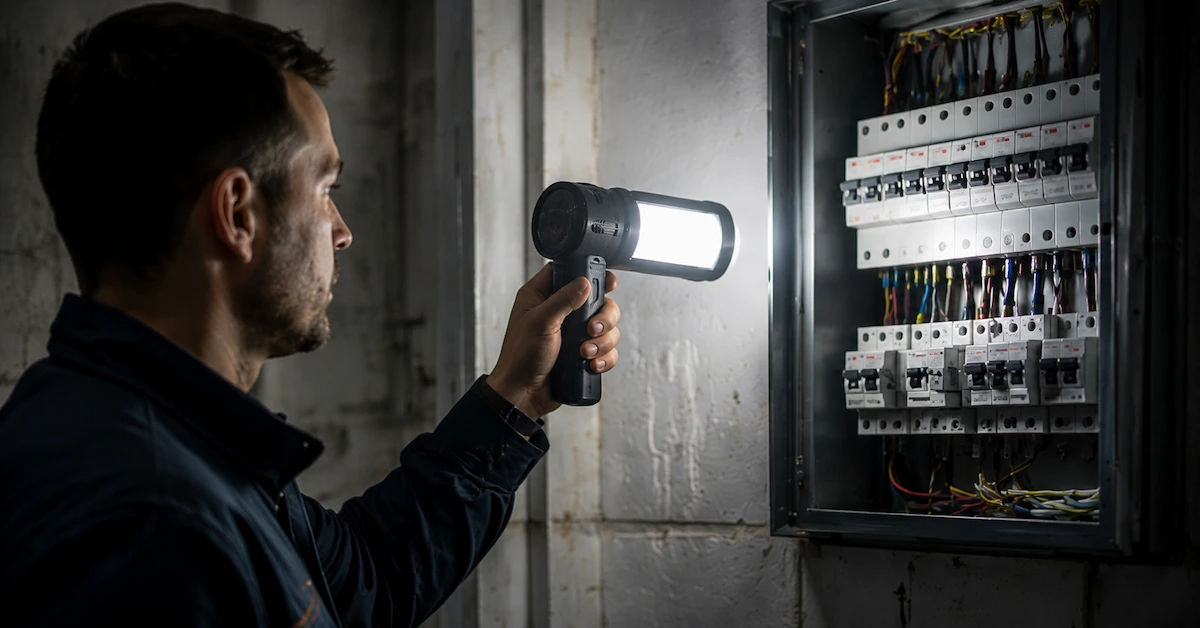
The first sourcing step is defining how the flashlight will be used. A light for vehicle emergency kits has different priorities from one made for inspection work or general carry. Roadside users need a beam that helps them see parts, tires, or tools without scattering light everywhere. Inspection users often want better beam control. Portable daily-use buyers care about size, carry comfort, and quick access. A good manufacturer should understand those use cases before talking about style. If the supplier starts with the application, it is easier to judge whether the design fits the market or only looks good on paper.
Check body material, finish, and grip
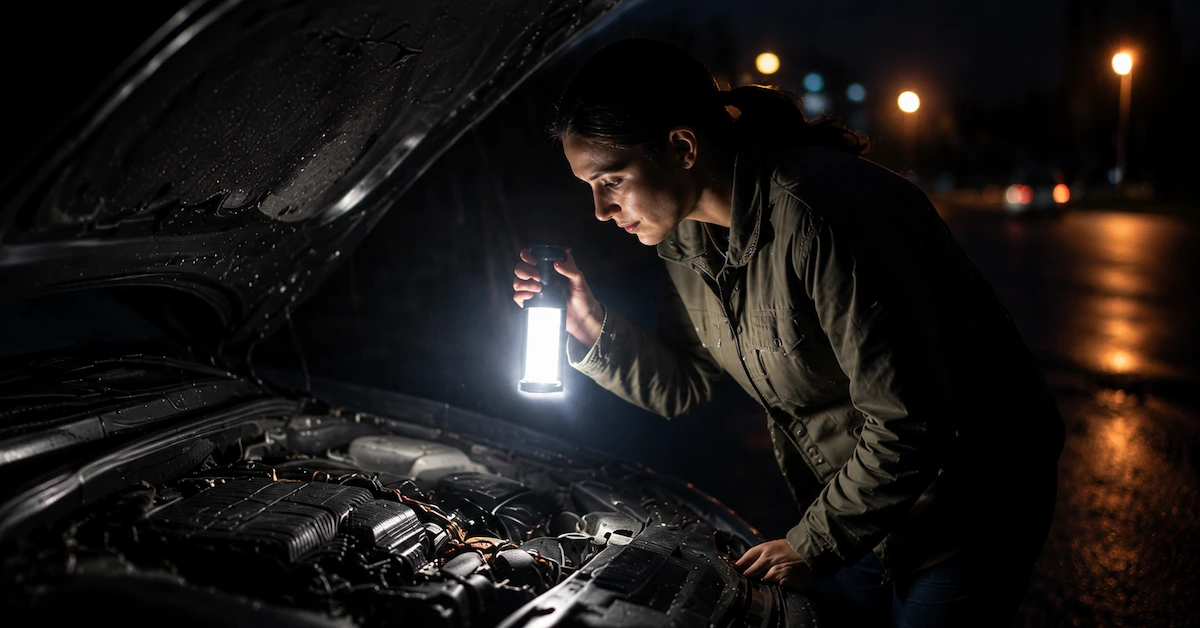
The sample described in the source uses a dark metal body with a textured grip, which is the kind of construction many buyers prefer for handheld use. Metal bodies are often chosen because they balance durability, weight, and machining flexibility. The finish matters as much as the material. A matte or semi-gloss surface with texture can make the flashlight easier to hold when hands are wet, oily, or gloved. Buyers should ask how the body is produced, how the surface is finished, and how that finish will wear over time. These details affect both function and the way the product feels in retail packaging.
Evaluate the beam before you evaluate the catalog
The source describes a focused white beam, which suggests a product intended for directed light rather than wide-area illumination. That matters because the beam pattern should match the job. For vehicle inspection or finding items in a trunk, a focused beam can be more useful than a broad wash of light. For users who want more flexibility, a zoomable flashlight may be attractive because it can shift between a tighter spot and a wider spread. But zoom mechanisms also add moving parts, which can create tolerance issues, more wear points, and more room for inconsistency. If the beam does not suit the use case, extra features will not fix it.
Review the clip, switch, and one-hand handling
Small hardware details often decide whether a flashlight gets used regularly. The pocket clip, for example, helps with portability, but only if it holds securely without feeling awkward. Field workers are more likely to keep a flashlight close when it carries well and does not snag. The switch matters just as much. In emergency or roadside use, a user may need to activate the light with one hand and under stress. Buyers should test whether the switch location feels intuitive and whether the product can be operated easily in a real grip. These are not minor conveniences; they are part of the core product experience.
Match the flashlight to roadside and emergency use
Roadside and emergency kits put different demands on a flashlight than casual household use. The product should be easy to find in a glovebox or trunk, comfortable for short tasks, and practical in low light. It should help users identify what they need without wasting light in every direction. The source also shows water droplets on the flashlight surface, but appearance alone does not prove any ingress protection. Buyers should not assume weather resistance from an image. If the product is meant for outdoor or roadside use, the sealing approach should be checked through samples and evaluation, not guessed from photos.
Compare suppliers with practical questions
When comparing manufacturers, do not start with color options or packaging graphics. Start with the parts that affect quality and use. Ask how the lens is retained, how the body is sealed, where the likely wear points are, and whether the grip texture is formed into the body or added later. Also ask whether the design can be adapted for branding without changing the core structure. These questions show whether the supplier understands flashlight manufacturing or simply assembles components. For teams preparing a project, a direct conversation through contact us can be more useful than a generic product brochure.
| What to check | Why it matters |
|---|---|
| Use case | Confirms the flashlight fits the actual job |
| Body and finish | Affects grip, durability, and product feel |
| Beam behavior | Determines whether the light helps in the field |
| Clip and switch | Drives carry comfort and one-hand use |
It also helps to evaluate the supplier’s ability to adapt the product without overcomplicating it. A compact flashlight can be more sensitive to fit, battery packaging, and assembly consistency than a larger model. If the design must support branding, compact packaging, or kit use, the manufacturer should be able to explain how those choices affect the structure. Buyers who want to move from concept to sampling can use the inquiry page to share the intended application and request a discussion around the actual product job.
Common sourcing mistakes to avoid
One common mistake is choosing a flashlight mainly by appearance. A sleek look can be appealing, but if the product slips in the hand or feels too thin, it will create problems later. Another mistake is assuming a compact flashlight is easy to make. Mini products can be more sensitive to fit and packaging than larger ones, so consistency matters. A third mistake is treating extra features as automatically better. A zoomable flashlight can be useful, but only if the mechanism works smoothly and holds up in actual use. Simpler designs often win when reliability is the main goal.
What to settle before placing a purchase order
Before you place a PO, align with the supplier on the basics that shape the final product experience. Define the intended user, the environment of use, and whether the flashlight needs to emphasize portability, beam focus, or multi-purpose handling. Confirm whether the product is going into a standalone retail package or an emergency kit. Discuss how the packaging will protect the lens, switch, and finish during shipping. If branding is needed, agree on logo placement or body accents early so those choices do not interfere with durability or assembly. Clear expectations at this stage reduce rework later.
FAQ
Is a metal flashlight always the better choice?
Not always. A metal body often feels more durable and more suitable for rugged handheld use, but the right material still depends on the intended job, weight target, and product positioning. For some consumer applications, other body choices may be acceptable if they meet the use case and carrying needs.
Do all buyers need a zoomable flashlight?
No. A zoomable flashlight can be useful when users need both a tighter spot and a wider spread, but it also adds moving parts and possible wear points. If the main goal is simple emergency or inspection use, a fixed beam may be the more practical and reliable option.
Why is the clip worth so much attention?
The clip affects portability, and portability affects whether the light is actually carried. If a flashlight is awkward to attach, hard to remove, or feels unreliable in daily use, it is less likely to be available when needed. That makes the clip a small part with a big impact on real-world performance.
What should buyers ask a flashlight manufacturer first?
Start with the intended use, then ask how the body, beam, switch, and clip support that use. It is also useful to ask how the lens is retained, how the body is sealed, and where wear is most likely to happen. Those questions reveal whether the supplier understands real product demands.